Table of Contents
- The Morning of April 2, 1868: When the Earth Shook the Sea
- The Geography of Kaʻū Coast: A Vulnerable Frontier
- Earth and Fire: The Mauna Loa Eruption Prelude
- The Great Earthquake: Nature’s Tremendous Awakening
- The Tsunami Unfolds: Waves of Destruction Along Kaʻū Bay
- Communities on the Edge: Stories from the Villages
- The Role of Indigenous Knowledge and Interpretation
- The Immediate Aftermath: Death, Devastation, and Resilience
- Scientific Exploration: Understanding the Tsunami in a Pre-Modern Era
- Cultural Narratives and Oral Histories of the 1868 Disaster
- Hawaiian Kingdom’s Response: Governance and Aid
- The Environmental Impact: Shifting Coasts and Altered Landscapes
- Economic Consequences: Agriculture, Fishing, and Trade Disrupted
- Memory and Myth: How the Tsunami Became Legend
- Lessons from 1868: Tsunami Risk and Hawaiian Preparedness
- The 1868 Tsunami in the Context of Pacific Natural Disasters
- Modern Reflections: Hawaii’s Continued Vulnerability to Tsunamis
- The Scientific Legacy: From 1868 to Contemporary Tsunami Research
- Conclusion: The Enduring Spirit of Kaʻū after the Waves
- FAQs: Unraveling the Mystery of Hawaii’s 1868 Tsunami
- External Resources: For Further Reading
- Internal Link: Visit History Sphere
1. The Morning of April 2, 1868: When the Earth Shook the Sea
The dawn of April 2, 1868, broke with a deceptive calm over Hawaiʻi’s Kaʻū Coast. Fishermen pushed their outrigger canoes into placid waters, children played along the shoreline, and farmers prepared their fields for the day’s work. Yet beneath the tranquil surface of the earth, the forces of nature were already stirring—a colossal earthquake measuring an estimated magnitude of 7.9 was about to rupture the very bones of the island. In mere moments, this seismic upheaval would trigger one of the deadliest tsunamis in Hawaiian history, sending monstrous waves crashing against the villages of Kaʻū and forever altering the course of life on the Big Island.
Imagine the terror as residents watched the sea retreat unnaturally far from the shore, a classic harbinger of an impending tsunami. The very earth beneath their feet had convulsed, and the ocean, once a source of abundance and sustenance, became an agent of unfathomable destruction. The 1868 Kaʻū Coast tsunami represents a moment where nature’s elemental fury was both awe-inspiring and catastrophic—a date etched into Hawaii’s collective memory and scientific history.
2. The Geography of Kaʻū Coast: A Vulnerable Frontier
The Kaʻū Coast is a rugged stretch along the southern coast of Hawaiʻi Island, characterized by black lava fields, small villages, and fertile agricultural land nourished by volcanic soil. Shielded by the towering presence of Mauna Loa volcano, the coastline seemed, at first glance, both bountiful and resilient. Yet its position made it especially susceptible to seismic upheaval and resulting tsunamis.
This area’s population, though modest in number, depended heavily on fishing and farming. Agricultural settlements dotted the coastline, growing taro, sweet potatoes, and other staples vital to Hawaiian sustenance. The ocean was more than a food source—it was a spiritual presence, intricately woven into the daily lives and beliefs of Hawaiians.
Against this backdrop, the Kaʻū Coast was a place where nature’s beauty and volatility coexisted, setting the perfect stage for one of the most infamous natural disasters in the islands’ history.
3. Earth and Fire: The Mauna Loa Eruption Prelude
The 1868 disaster did not spring from the earth without warning. In late March, Mauna Loa, one of the largest active volcanoes on the planet, had begun to stir violently. Volcanic activity intensified with a series of eruptions along the volcano’s southwest rift zone, sending plumes of smoke skyward, lava flows creeping down the slopes. The people of Hawaiʻi watched anxiously; such activity had historical precedents of devastation when paired with seismic events.
Volcanic eruptions and earthquakes in the Hawaiian Islands are part of a complex relationship. Magma moving beneath the surface shifts the earth’s crust, often resulting in powerful tremors. It is this blend of fire and earth that coalesced into the tragedy of April 2—a grim reminder of the intertwined powers shaping Hawaiʻi’s destiny.
4. The Great Earthquake: Nature’s Tremendous Awakening
On the morning of April 2, at approximately 2:30 a.m., the earth groaned ferociously. The tremors originated from the Mauna Loa rift zone but shook the Big Island down to its core. Buildings crumbled, the ground fissured, and terrified residents were thrown into chaos.
Eyewitnesses described the ground undulating like waves and strange noises rumbling from deep underground. Aftershocks continued for days, unsettling the population and hampering rescue efforts. The most powerful earthquake Hawaiʻi had ever recorded at the time, its aftermath was not limited to shaking alone—an ominous phenomenon was about to follow.
5. The Tsunami Unfolds: Waves of Destruction Along Kaʻū Bay
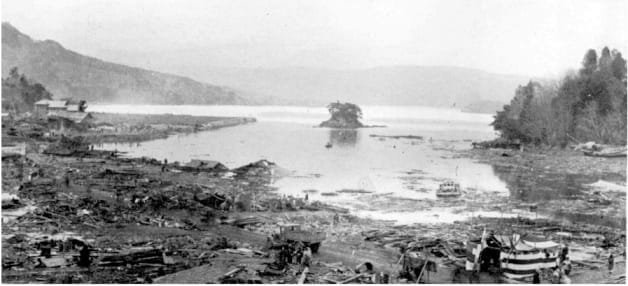
Seconds after the tremor ceased, the sea retreated dramatically, exposing a bleak and eerie ocean floor. This withdrawal was no graceful ebbing tide but a sudden recession, a silent and stark warning. Then came the waves: towering, relentless walls of water surging toward the shore, obliterating everything in their path.
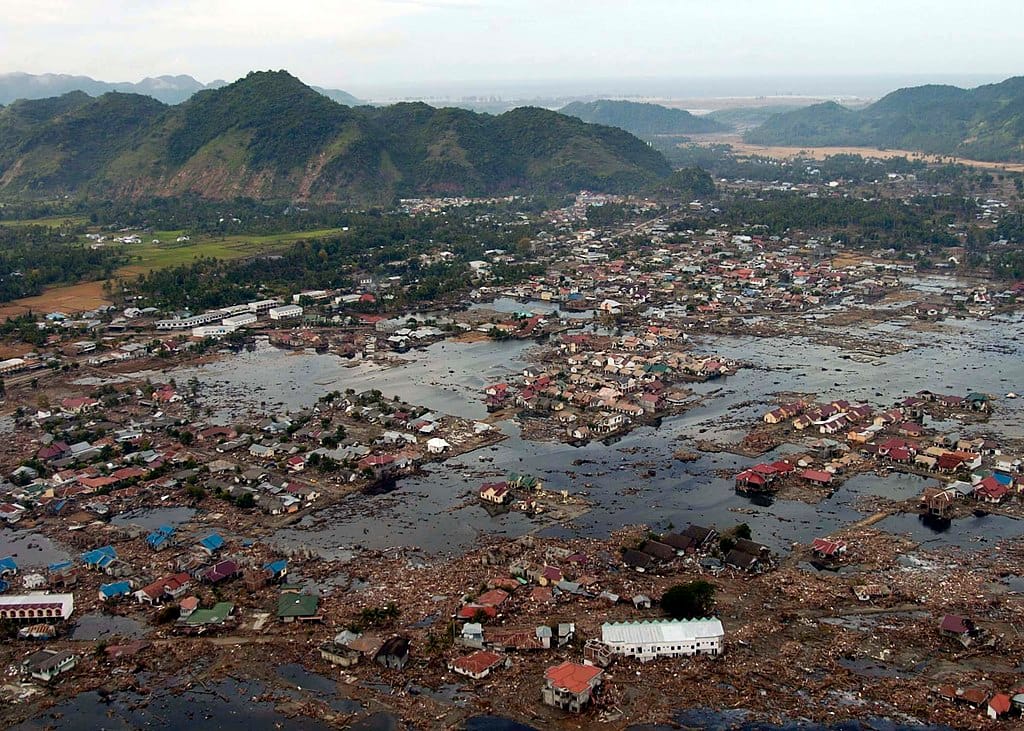
Eyewitness accounts tell of entire villages swept away, crops destroyed, and canoes capsized. The tsunami’s first surge crashed into the Kaʻū coastline with such force it uprooted trees, smashed homes, and claimed lives en masse. Witnesses spoke of multiple waves hitting minutes apart, each returning the ocean to the shore with even greater violence.
6. Communities on the Edge: Stories from the Villages
The impact on the local Hawaiian communities was profound. People from ancient fishing towns like Nāālehu and Pāhala went from tranquil morning routines to desperate struggles against nature’s fury. Elders remember families torn apart, with many drowned or missing.
Yet amidst death and despair, stories of courage emerged. Neighbors helped neighbors, and some managed to escape by climbing higher ground or swimming against the odds. Oral histories passed down recount the human spirit's resilience in the face of overwhelming odds.
7. The Role of Indigenous Knowledge and Interpretation
Prior to the widespread influence of modern science, Native Hawaiians interpreted natural disasters through a lens of spirituality and tradition. Tsunamis and earthquakes were seen as manifestations of the gods’ displeasure or warnings from the natural world.
Kānaka ʻōiwi (native Hawaiians) relied on ancestral knowledge to anticipate these events; for example, recognizing the significant withdrawal of the ocean before the arrival of giant waves. Such signs were embedded in chants, stories, and cultural memory—tools that saved lives even in 1868.
8. The Immediate Aftermath: Death, Devastation, and Resilience
The toll was tragic: estimates suggest that around 77 people perished, though the true number could have been higher given the remote nature of some settlements. Livelihoods were destroyed; fields covered in saltwater, fishing boats lost to the sea, and homes reduced to rubble.
Yet Hawaiians quickly demonstrated their resilience. Communities banded together to tend to the wounded, rebuild homes, and propagate a spirit of mutual aid. The trauma became a collective wound but also a catalyst for strengthened communal ties.
9. Scientific Exploration: Understanding the Tsunami in a Pre-Modern Era
The tsunami of 1868 arrived at a moment when western scientific understanding of earthquakes and tsunamis was still nascent. Few could precisely measure or explain the phenomena, yet observers began to record detailed descriptions, laying groundwork for future study.
Naturalists like William Ellis and volcanologists later examined the event and the Mauna Loa eruption’s role. This disaster became a case study in volcanic seismicity and its potential to generate devastating tsunamis, influencing scientific discourse in the Pacific and beyond.
10. Cultural Narratives and Oral Histories of the 1868 Disaster
The disaster entered Hawaiian legends. Stories told through generations recall calamities sent by Pele, goddess of volcanoes, who both creates and destroys through fire and upheaval. The tsunami became a symbol of nature’s dual capacity for beauty and brutal power.
These narratives provided not only explanations but also solace and a framework to understand human vulnerability within the vast cycles of earth and sea.
11. Hawaiian Kingdom’s Response: Governance and Aid
Under King Kamehameha V, the kingdom mobilized to aid affected communities. Relief efforts included distributing food and rebuilding materials. However, the logistical challenges of reaching isolated villages delayed full recovery.
This disaster tested the Hawaiian monarchy, its administrative reach, and its ability to blend traditional governance with emerging western practices—a balancing act in times of crisis.
12. The Environmental Impact: Shifting Coasts and Altered Landscapes
Beyond human loss, the tsunami reshaped the very land. Saltwater inundation altered soil quality, lava flows redirected waterways, and new tidal pools formed. Some fishing grounds vanished, while agricultural patterns required adaptation.
This dynamic environment highlighted the fragile relationship between island communities and their ecosystem—an ongoing dialogue of destruction and renewal.
13. Economic Consequences: Agriculture, Fishing, and Trade Disrupted
The economic lifeline of Kaʻū coast was fractured. Crops failed under saltwater intrusion; some families lost boats and gear essential for fishing. Trade along the southern coast experienced disruption, leading to food shortages and economic strain.
Recovery demanded persistence and ingenuity, as communities adapted farming techniques and rebuilt fishing fleets, reweaving the economic fabric over years.
14. Memory and Myth: How the Tsunami Became Legend
The 1868 tsunami transcended immediate history to become mythic in Hawaiian culture. It stands as a permanent reminder of the earth’s unpredictable wrath, woven into chants, proverbs, and festivals.
This cultural memory not only preserves the tragedy but also informs contemporary islanders’ respect for nature and vigilance for future dangers.
15. Lessons from 1868: Tsunami Risk and Hawaiian Preparedness
Today, the 1868 tsunami is a cornerstone in Hawaii’s disaster preparedness education. Understanding the signs—the dramatic water recession, coastal shaking—and responding swiftly can save lives.
The event catalyzed efforts to map tsunami hazards and develop early warning systems, blending ancient wisdom with modern technology.
16. The 1868 Tsunami in the Context of Pacific Natural Disasters
Viewed broadly, the Kaʻū Coast tsunami stands among the Pacific’s most significant 19th-century tsunami events. It shares characteristics with later disasters in Japan, Chile, and Alaska, linking island and coastal communities through a shared experience of seismic sea waves.
Studying these patterns informs global understanding of tsunami genesis and response.
17. Modern Reflections: Hawaii’s Continued Vulnerability to Tsunamis
Hawaiʻi remains perilously exposed to seismic activity from local volcanoes and distant subduction zones. The 1868 event warns of nature’s unpredictability and the need for constant vigilance.
Modern urban centers coexist alongside vulnerable shorelines, integrating lessons from past catastrophes into urban planning, emergency drills, and community education.
18. The Scientific Legacy: From 1868 to Contemporary Tsunami Research
The 1868 event helped seed the embryonic science of tsunami research. Its detailed accounts allowed future geologists and seismologists to quantify wave heights, timing, and impacts, enriching hazard models.
Today, Hawaii hosts crucial tsunami monitoring networks, echoing the historical imperative to understand and mitigate such disasters.
19. Conclusion: The Enduring Spirit of Kaʻū after the Waves
The 1868 Kaʻū Coast tsunami offers a profound narrative of nature’s raw power and humanity’s indomitable spirit. Through earthquake and flood, loss and rebuilding, the people of Hawaiʻi “rise like the waves” — resilient, respectful, and unwavering.
This history, carved into the land and memory, invites us to honor both the forces that shape our world and the communities who endure within them.
Conclusion
As the sun sets over the Kaʻū Coast today, the scars of that April morning in 1868 have faded but never disappeared. The tsunami’s echoes live on in the earth, the stories, and the lessons that weave through Hawaiʻi’s cultural and scientific fabric. This event reminds us that human existence is a fragile dance with the earth’s dynamic energies.
Eastward of peace and fury, the Kaʻū Coast stands as a testament — nature’s immense power elicits both awe and humility. In remembering and researching, we honor those lost and celebrate the courage to rebuild, to remember, and to prepare for the waves still to come.
FAQs
Q1: What caused the 1868 tsunami on Hawaii’s Kaʻū Coast?
A1: The tsunami was triggered by a massive magnitude 7.9 earthquake associated with volcanic activity on Mauna Loa, which caused displacement of underwater and coastal land, generating giant waves.
Q2: How many people died during the 1868 Kaʻū tsunami?
A2: Approximately 77 people are reported to have died, though the exact number is uncertain due to isolated communities and incomplete records.
Q3: Were there any signs before the tsunami hit?
A3: Yes, a strong earthquake shook the region, followed by an unusual and dramatic receding of the ocean, classic warning signs of an imminent tsunami.
Q4: How did Native Hawaiians interpret the tsunami?
A4: Many viewed it through spiritual and cultural lenses, seeing it as a warning or manifestation of the volcano goddess Pele’s power, combined with traditional knowledge of natural signs.
Q5: What impact did the tsunami have on Hawaii’s environment?
A5: It altered coastlines, flooded agriculture with salt water, destroyed forests and fishing grounds, significantly disrupting ecosystems along Kaʻū Coast.
Q6: How did the Hawaiian Kingdom respond to the disaster?
A6: The monarchy organized relief efforts, distributed aid, and supported reconstruction despite logistical challenges across remote settlements.
Q7: What legacy did the 1868 tsunami leave for modern science?
A7: Detailed eyewitness accounts and geological evidence contributed to early understanding of tsunami phenomena and informed current monitoring and preparedness strategies.
Q8: Is Hawaii still at risk of similar tsunamis today?
A8: Yes, Hawaii remains vulnerable to earthquakes and tsunamis caused by volcanic activity and distant seismic events; modern monitoring and education are crucial for preparedness.