Table of Contents
- The Night the Earth Trembled: Prelude to the Kalapana Tsunami
- A Land of Fire and Ocean: The Setting of Hawaiʻi’s Volcanic Islands
- The Volcanic Heartbeat: Kīlauea’s Role in Shaping the Coast
- November 29, 1975: The Cataclysm Unfolds
- The Great Collapse: When Land and Sea Explode in Chaos
- The Enormous Wall of Water: Anatomy of the Kalapana Tsunami
- Voices from the Edge: Eyewitness Accounts and Human Stories
- The Immediate Aftermath: Kalapana and Surrounding Communities in Ruins
- Scientific Response: Understanding the Mechanisms Behind the Disaster
- The Role of Seismic Activity and Volcanic Instability
- Hawaii’s Emergency Response: Challenges and Limitations in 1975
- Environmental Impact: How the Tsunami Reshaped the Coastline
- Cultural Loss and Preservation: Minds and Memories scarred by the Wave
- The Lessons Learned: Advances in Tsunami Detection and Warning Systems
- Kalapana Today: A Landscape of Resilience and Remembrance
- Global Perspectives: The Kalapana Tsunami in the Context of World Tsunamis
- The Evolving Relationship Between Hawaiians and Their Volcanic Land
- How Kalapana Inspired New Scientific Inquiry and Disaster Preparedness
- Remembering the Lost: Memorials and Oral Histories
- Conclusion: The Indomitable Spirit of Hawaiʻi in the Wake of Tragedy
- FAQs: Key Questions About the 1975 Kalapana Tsunami
- External Resource
- Internal Link
The salty dusk air hung heavy over the blackened lava fields, a silence broken only by the rhythmic pulse of the ocean waves. It was November 29, 1975, on the Big Island of Hawaiʻi—a day like any other, bathed in the island’s warm tropical twilight. Yet beneath this serene surface, deep within the volcano’s restless heart, an unstoppable force was gathering. Without warning, the coastline near Kalapana, a settlement living in the uneasy embrace of Kīlauea’s ever-flowing lava, became the stage for a cataclysmic event destined to jolt the island’s people and reverberate across the scientific world. The earth shuddered, and the ocean rose in a terrifying embrace: the Kalapana tsunami had arrived.
A Land of Fire and Ocean: The Setting of Hawaiʻi’s Volcanic Islands
Hawaiʻi is a land born from fire, a chain of volcanic islands rising majestically from the vast Pacific. Kīlauea, one of the most active volcanoes on the planet, commands this seascape with a ceaseless effusion of molten lava. Generations of Hawaiians have lived in intimate relationship with this volatile environment—a relationship marked by reverence, resilience, and delicate balance. Kalapana itself was a small rural community nestled on the southern coast of Hawaiʻi Island, perched precariously above the sharp, jagged coastline sculpted by centuries of lava flows.
The Volcanic Heartbeat: Kīlauea’s Role in Shaping the Coast
For centuries, Kīlauea shaped not only the physical landscape but also the cultural and spiritual fabric of the island. Its eruptions, while destructive, were also creative forces, building new land at the ocean’s edge. Yet the slow, inexorable widening of volcanic rifts beneath Kalapana sowed the conditions for dramatic change—a swelling instability poised to unleash power far beyond normal volcanic activity.
November 29, 1975: The Cataclysm Unfolds
The evening of November 29 began quietly. Local fishermen and residents looked out to sea, as stars emerged over the Pacific. Then the ground began to tremble with unusual intensity—a violent earthquake registering near magnitude 7.2 shook the island, tearing cracks through the black lava fields. But this was not the main act; it was the prelude to an even greater disaster.
The Great Collapse: When Land and Sea Explode in Chaos
Beneath the ocean near Kalapana, an enormous section of the coastline’s unstable lava bench collapsed—an immense landslide plunging millions of cubic meters of solid rock into the sea. This sudden shift displaced a vast volume of water, triggering a towering tsunami wave. The abruptness of the collapse left little time for warning or escape.
The Enormous Wall of Water: Anatomy of the Kalapana Tsunami
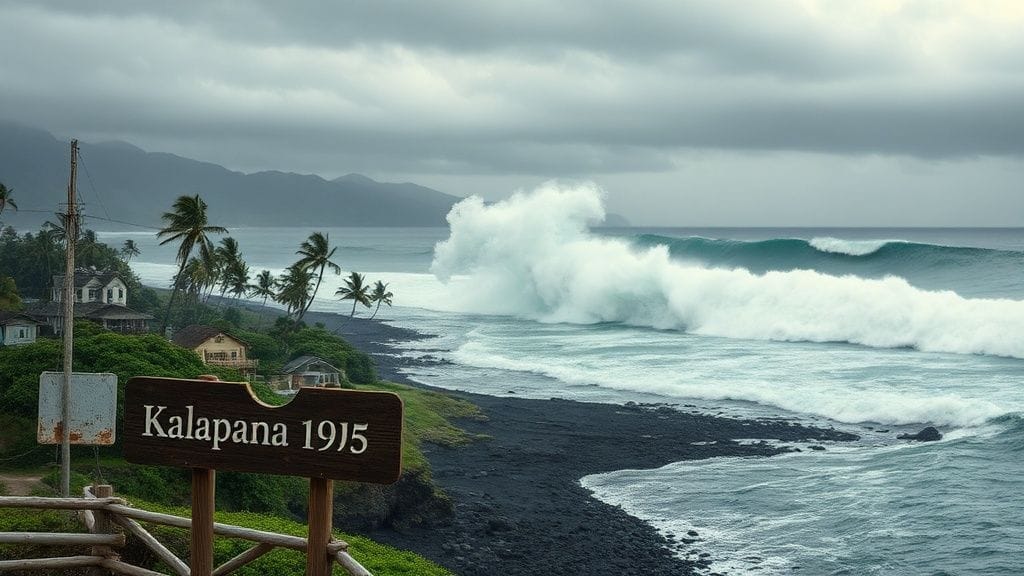
In moments, a colossal wave—reported to crest at over 30 feet—rushed inland, swallowing homes, boats, and everything in its path. The tsunami’s power was magnified by the underwater topography and the angle of the shoreline, focusing the surge directly onto the villages below. The devastation was swift and absolute.
Voices from the Edge: Eyewitness Accounts and Human Stories
Florence Akana, a longtime resident of Kalapana, recounted the horror: “One moment, the sea was calm; then a thunderous roar filled the air, and the waves came crashing down like living mountains.” Many survivors describe a surreal mixture of terror and disbelief as the water consumed their world. Families were torn apart, some rescued by neighbors in boats hastily launched into the churning water.
The Immediate Aftermath: Kalapana and Surrounding Communities in Ruins
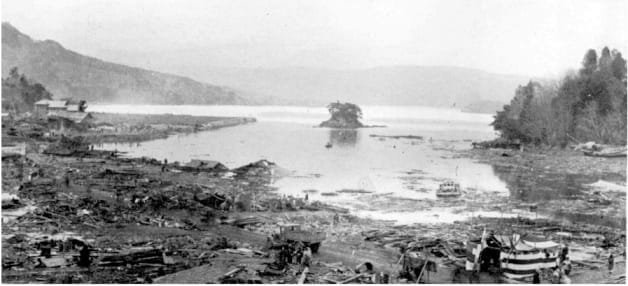
When the torrent receded, the coastline was unrecognizable. Entire sections of the lava bench had vanished beneath the ocean. Homes, farms, and vehicles were swept away or buried under debris. The death toll, while lower than feared thanks to the late evening timing, was tragic—dozens missing and injured, livelihoods destroyed.
Scientific Response: Understanding the Mechanisms Behind the Disaster
Researchers flocked to Hawaiʻi to study the instrumental cause of the tsunami, linking it directly to the volcanic flank collapse. This event became a seminal case in understanding how volcanic activity can generate deadly tsunamis, broadening the scientific perspective beyond earthquake-induced waves.
The Role of Seismic Activity and Volcanic Instability
The earthquake preceding the tsunami was a clear signal of the underlying tectonic and volcanic forces at work. It unleashed energy that destabilized the fragile lava delta—now known as a “lava bench”, a notoriously vulnerable landform created by the incremental buildup of lava flowing into the ocean.
Hawaii’s Emergency Response: Challenges and Limitations in 1975
In 1975, Hawaiʻi’s tsunami warning system was rudimentary at best. The event exposed critical gaps in public awareness, communication infrastructure, and crisis mobilization. Emergency personnel relied on word-of-mouth and hastily organized evacuations, highlighting the need for systematic improvements.
Environmental Impact: How the Tsunami Reshaped the Coastline
The physical scars of the tsunami remain visible. The coastline near Kalapana was dramatically altered, with parts of the land swept into the depths and new underwater cliffs formed. Marine ecosystems were disrupted, coral reefs damaged, and the balance of flora and fauna shifted—some species declining, others opportunely colonizing fresh surfaces.
Cultural Loss and Preservation: Minds and Memories Scarred by the Wave
For the Hawaiian community, the tsunami was not only a natural disaster but a cultural trauma. Kalapana was home to families who cherished ancestral ties with the land, passing down stories and traditions painstakingly preserved over generations. The sudden destruction threatened this intangible heritage, motivating efforts to document oral histories before they vanished.
The Lessons Learned: Advances in Tsunami Detection and Warning Systems
In the disaster’s wake, significant progress was made in geophysical monitoring. The Pacific Tsunami Warning Center (PTWC), headquartered in Hawaiʻi, accelerated development of seismic and oceanic detection technology. Public education campaigns, siren systems, and evacuation protocols gradually became fixtures on the islands, saving countless lives in subsequent events.
Kalapana Today: A Landscape of Resilience and Remembrance
Decades later, Kalapana stands as a testament to resilience. New communities, rebuilt with an eye to safety, flourish nearby. The lava flows have continued, burying parts of the original town, yet the spirit of its people endures. Memorials mark the event, ensuring that future generations remember the powerful forces shaping their home.
Global Perspectives: The Kalapana Tsunami in the Context of World Tsunamis
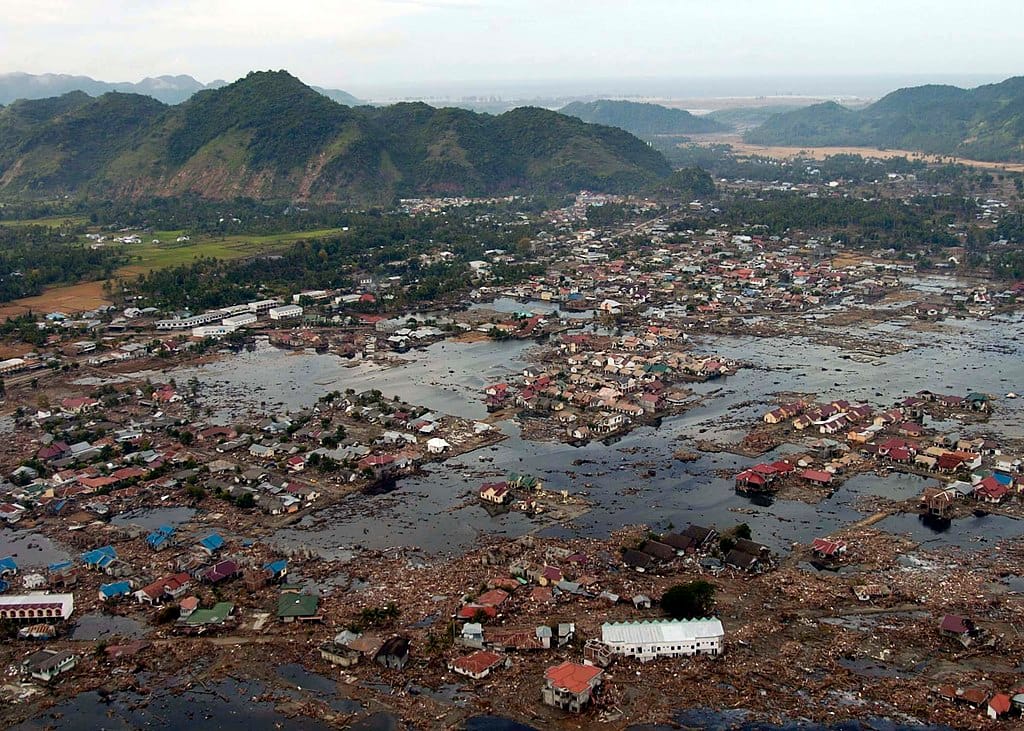
While overshadowed by more infamous tsunamis like that of 2004 in the Indian Ocean, Kalapana remains a vital episode in understanding volcanic tsunami genesis. It helped place Hawaiʻi—and other island chains—on global alarm for potential volcanic flank collapses triggering similarly devastating waves.
The Evolving Relationship Between Hawaiians and Their Volcanic Land
The tsunami underscored a paradox: the same volcano that gave life and identity to Hawaiʻi can bring ruin. This dynamic spurred renewed dialogue between scientists and native Hawaiians, blending traditional knowledge with modern science to foster coexistence with the land’s powerful forces.
How Kalapana Inspired New Scientific Inquiry and Disaster Preparedness
Kalapana sparked interdisciplinary research into volcanic instability, landslide dynamics, and tsunami modeling. Institutions worldwide drew lessons to protect vulnerable coastal communities. It became a case study in bridging geoscience with emergency management.
Remembering the Lost: Memorials and Oral Histories
Hawaiʻi’s rich oral tradition played a central role in preserving the memory of the disaster. Stories told around fires, recorded interviews, and community gatherings form a collective remembrance, honoring both loss and survival.
Conclusion
The Kalapana tsunami of November 29, 1975, remains a profound chapter in Hawaiʻi’s volcanic saga—a stark reminder of nature’s unpredictable power and the fragile thread upon which human life balances. Yet amid the ruins, there is a story of courage, community, and adaptation. The people of Hawaiʻi continue to live with the volcano’s pulse, embracing their land’s tumultuous beauty while vigilantly guarding against its dangers. In the shadows of destroyed homes and reshaped coasts, hope endures—a testament to the resilience of spirit that defines both a place and its people.
FAQs
Q1: What caused the 1975 Kalapana tsunami?
A1: A massive volcanic flank collapse of a lava bench near Kalapana, triggered by a strong earthquake, displaced millions of cubic meters of rock into the ocean, generating the tsunami.
Q2: How many people were affected by the Kalapana tsunami?
A2: Dozens lost their lives or went missing, and many more were injured or displaced, with entire communities devastated by the wave.
Q3: Why is the Kalapana tsunami significant scientifically?
A3: It was an early documented case of a volcanic landslide generating a tsunami, broadening the understanding of tsunami mechanisms beyond just seismic fault ruptures.
Q4: How did the tsunami affect Hawaiʻi’s emergency preparedness?
A4: The disaster exposed weaknesses in warning systems, prompting the development of more sophisticated tsunami detection networks and public evacuation protocols.
Q5: What cultural impacts did the tsunami have on the Hawaiian community?
A5: The destruction of ancestral lands and disruption of oral traditions deeply affected local communities, motivating efforts to preserve cultural heritage amid environmental change.
Q6: Are there visible signs of the tsunami today?
A6: Yes, coastal reshaping and altered marine ecosystems near Kalapana serve as lasting physical legacies of the event.
Q7: Could similar tsunamis occur again in Hawaiʻi?
A7: Yes, ongoing volcanic activity and unstable lava benches pose continuing risks, making monitoring and preparedness essential.
Q8: Where can I learn more about the Kalapana tsunami?
A8: Scholars, residents, and visitors can explore historical archives, visit memorials, and access scientific literature documenting the event’s impact.