Table of Contents
- The Twilight of Phocas: A City on Edge
- The Rise of Heraclius: From Africa to Byzantium
- A Byzantine Empire Besieged: External Threats and Internal Chaos
- Constantinople in Turmoil: The Public’s Desperation
- The Usurpation Plot: Seeds of Rebellion in Africa
- Heraclius’ Bold Crossing: The Journey to the Capital
- The Fall of Phocas: Betrayal, Battle, and Bloodshed
- The Crowning of a New Emperor: Heraclius’ Ascension
- Immediate Reforms: Stabilizing a Crumbling Empire
- Religious Turmoil: Heraclius and the Chalcedonian Controversy
- War on All Fronts: Persian Advances and Byzantine Responses
- The Psychological Landscape: Hope Rekindled Amid Despair
- Legends and Myths: The Making of Heraclius’ Persona
- The Legacy of Phocas: Vilification and Historical Memory
- The Turning Point of Byzantium: From Decline to Revival
- Heraclius’ Long Shadow: The Empire's Future in His Hands
- The Impact on Eastern Christendom and Islamic Encounters
- The Political Shifts: New Alliances and Enmities
- The Cultural Flourishing under Heraclius: Art, Language, Identity
- The Throne and the Sword: Personal Sacrifices of an Emperor
- The Byzantine State Apparatus: Transition and Continuity
- Conclusion: A Moment of Renewal Amidst Chaos
- FAQs: Understanding the Overthrow of Phocas and Heraclius’ Rise
- External Resource
- Internal Link
The Twilight of Phocas: A City on Edge
The air in Constantinople was thick with fear and uncertainty. The year was 610 AD, and the city’s famed walls, though still formidable, seemed less like a shield and more like a cage for its anxious inhabitants. Rumors traveled faster than the city’s couriers—whispers of rebellion, murmurs of bloodshed, and the theological discord that threatened to unravel the empire from within. Phocas, the emperor who had seized power through cruel usurpation in 602, stood as a hated figure—seen by many as a despot whose reign was marked by brutality and neglect.
Yet, despite the fears and the shadow of a crumbling regime, an unlikely challenger was gathering strength far from the capital. Heraclius, son of the exarch of Africa, prepared to make a journey that would alter the course of Byzantine history. The city watched and waited, its fate balanced precariously on the edge of a violent upheaval soon to consume the empire’s heart.
The Rise of Heraclius: From Africa to Byzantium
Heraclius’ story was remarkable. Born into a noble military family, he inherited his father’s authority in the Exarchate of Africa—a distant but vital outpost of the Byzantine world, responsible for feeding the empire and managing its western defenses. Unlike Phocas’ crude and violent ascent, Heraclius was intelligent, well-educated, and imbued with a sense of mission that extended beyond mere power.
His lineage was steeped in military honor, and his upbringing prepared him for command—not only of armies but of an empire teetering on collapse. By 608, with news of Phocas’ failures echoing across the Mediterranean, Heraclius and his allies began plotting a coup, turning the tides of fate in their favor.
A Byzantine Empire Besieged: External Threats and Internal Chaos
The Byzantine Empire in 610 was far from the resplendent court of Justinian decades earlier. The Persian Sassanid Empire, under the aggressive Khosrow II, had been pressing the eastern front for years, reclaiming territories lost during previous conflicts. The church was divided bitterly across theological lines, with tensions rising between Chalcedonian Christians and Monophysites. Additionally, the plague and a fragile economy plagued the people, who bore the brunt of imperial mismanagement.
Phocas’ reign added fuel to the fire. His purges, paranoia, and inability to handle crises weakened the state from within. More and more, provincial governors, military officers, and civic leaders questioned his legitimacy, longing for stability and honor restored.
Constantinople in Turmoil: The Public’s Desperation
The city itself was a microcosm of empire-wide despair. Markets suffered from shortages; the once-majestic hippodrome—a place of celebration and catharsis—became a backdrop for public discontent. Street-level unrest festered as citizens clung to hope for a stronger, more just ruler.
Phocas’ soldiers were loyal but brutal; dissent was crushed with executions. Yet, beneath the veneer of order, the layers of resentment grew. When the wife of Heraclius, Epiphania, reportedly embroidered the words “Heraclius for Emperor” in secret, it was more than a statement—it was a beacon for the oppressed.
The Usurpation Plot: Seeds of Rebellion in Africa
Behind this desperate scene, Heraclius orchestrated a calculated rebellion from Carthage. His forces were a mixture of loyal African legions, veteran soldiers, and local allies who were tired of the chaos emanating from Constantinople. The logistical feat of assembling a fleet and crossing the Mediterranean was daunting, yet determined resolve carried them forward.
Heraclius, aware of the need for popular and military support, sent envoys ahead to Constantinople, encouraging defections among the city’s elite. His promise was clear: a return to stability, honor, and restoration of the empire’s glory.
Heraclius’ Bold Crossing: The Journey to the Capital
The departure from Africa carried a mix of hope and uncertainty. In 610, Heraclius set sail with a fleet that would sail into history. The Mediterranean, which had long been the artery of empire, now held the promise of change or doom.
The voyage was perilous, marked by storms, logistical challenges, and the constant threat of naval encounters with loyalists to Phocas. Yet Heraclius’ steadfastness and charismatic leadership kept his forces united. Each day at sea was a testament to his vision: an empire reborn under his command.
The Fall of Phocas: Betrayal, Battle, and Bloodshed
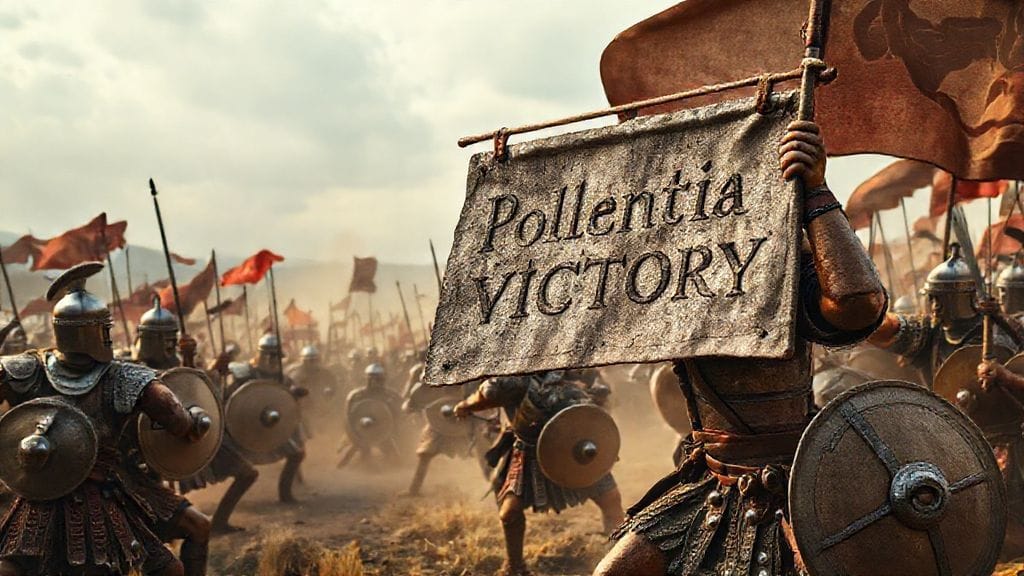
Upon Heraclius’ arrival in the Bosporus, Constantinople was ready to erupt in revolt. The emperor’s position was crumbling, internal dissent peeling away his loyalists. When Heraclius rode through the city gates, he was met with a mixture of jubilation and violence. Phocas, isolated and betrayed by his inner circle, was captured beneath the shadow of the palace walls.
His death—violent and humiliating—signaled not just the end of a reign but the closure of a bitter chapter in Byzantine history. Chroniclers would never forget the brutal imagery of Phocas’ demise, a cautionary tale of tyranny’s fall.
The Crowning of a New Emperor: Heraclius’ Ascension
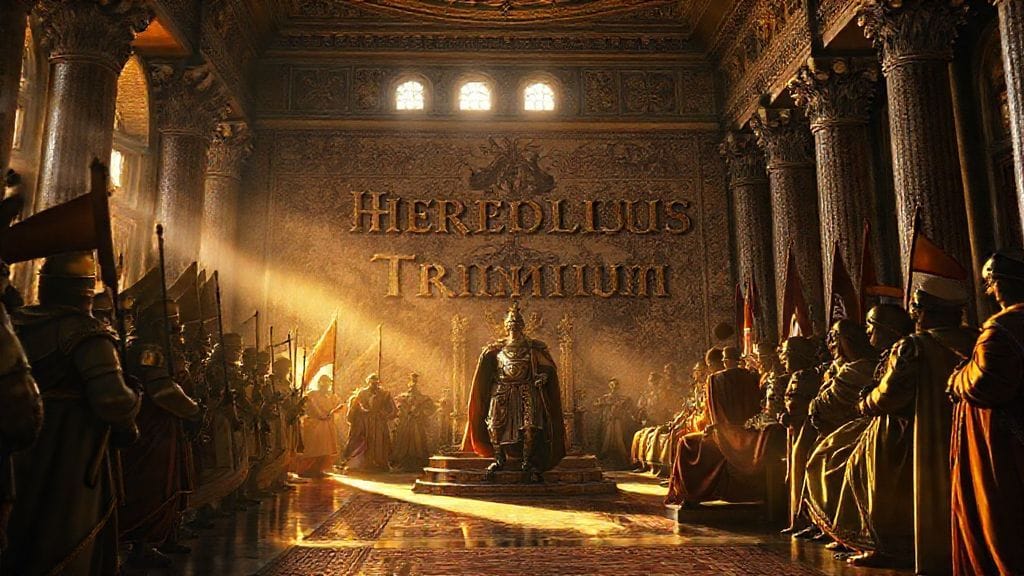
Heraclius’ coronation was a dramatic and symbolic moment. Draped in imperial purple before the gold mosaics of the Hagia Sophia, he was proclaimed Emperor in 610 AD. His speech emphasized restoration and reconciliation, invoking divine favor and promising to confront both internal decay and external enemies.
The legitimacy of his rule required more than ritual; it needed action. Heraclius had already begun reforming the administration, reassuring allies, and preparing for the wars that lay ahead.
Immediate Reforms: Stabilizing a Crumbling Empire
With the throne secured, Heraclius moved swiftly. Administrative reforms aimed to restore fiscal health, reestablish control over provincial governors, and revive the military’s strength. The empire’s defenses needed urgent attention against the Persian threat, which only increased in the following years.
He also restructured the court, replacing corrupt officials and promoting capable commanders from his own trusted circle. These early measures were critical in halting the empire’s free fall.
Religious Turmoil: Heraclius and the Chalcedonian Controversy
Religious unity was crucial for the emperor’s vision. The Byzantine Church was fractured by debates over Christological doctrine, threatening to alienate large portions of the population, especially in Egypt and Syria. Heraclius walked a delicate path—seeking to reconcile opposed factions without alienating the powerful patriarchs in Constantinople.
His policies at times courted controversy, trying to impose a form of theological compromise that would prevent further schisms. His reign would see these tensions play out dramatically, intertwining faith and politics.
War on All Fronts: Persian Advances and Byzantine Responses
The Persian conflict was not a mere background; it was an existential challenge. By the time Heraclius took power, large swaths of territory in Mesopotamia and the Levant were under Persian control. The defense of the eastern provinces became a strategic priority.
Heraclius personally led campaigns to reclaim lost lands, exhibiting military acumen and inspiring his troops. His years of war against the Sassanids would define his reign and shape the empire’s destiny for decades.
The Psychological Landscape: Hope Rekindled Amid Despair
It is worth pausing to consider the emotional impact of Heraclius’ rise. For many Byzantines, the overthrow of Phocas was more than a political event—it was a rekindling of hope amid despair. Chroniclers described an empire lifting from the brink of collapse, buoyed by the promise of a leader who embodied resilience and wisdom.
This psychological renewal was as important as any military victory, igniting the will to endure and rebuild.
Legends and Myths: The Making of Heraclius’ Persona
Heraclius’ ascent soon became legend. Stories circulated of his bravery, wisdom, and divine favor. Later chroniclers, including Theophanes the Confessor, painted him as a restorer of the empire’s virtues, a figure chosen by heaven itself.
These narratives shaped Byzantine cultural memory and influenced art, literature, and popular imagination for centuries—a testament to the enduring power of history as myth.
The Legacy of Phocas: Vilification and Historical Memory
Contrasting with Heraclius’ heroic image was the enduring vilification of Phocas. His reign was remembered as one of cruelty, incompetence, and religious persecution. This blackened legacy served to justify Heraclius’ usurpation, framing it as a necessary act of salvation.
Yet, some modern historians question if this portrayal is wholly fair—could Phocas have been a scapegoat for deeper structural problems the empire faced? The debate continues, adding complexity to the narrative.
The Turning Point of Byzantium: From Decline to Revival
Heraclius’ rise marked a decisive turning point. While the empire would continue to face immense challenges, the transition from Phocas to Heraclius is seen as a pivot from disintegration towards renewal. The next decades would witness unprecedented trials: war, plague, religious conflict—but also moments of revival and redefinition.
It’s incredible, isn’t it? That in this fragile moment, the Byzantine Empire found its unlikely savior.
Heraclius’ Long Shadow: The Empire's Future in His Hands
The story did not end with his coronation. Heraclius’ reign would last until 641, encompassing years of intense military campaigns, theological disputes, and personal sacrifice. His policies laid foundations—both administrative and symbolic—that influenced Byzantine governance long after his death.
His legacy is evident in the later forms of Byzantine empirehood: the theme system, the reinforcement of Orthodox Christianity, and the adaptation in the face of Islam’s rise.
The Impact on Eastern Christendom and Islamic Encounters
Heraclius’ reign coincided with seismic shifts beyond Byzantine borders. Not long after his death, the Arab conquests began, irrevocably changing the geopolitical landscape. His wars with Persia and religious reforms helped shape the region’s response to this new threat.
Thus, Heraclius stands at the crossroads of two great world epochs: the late Antiquity and the dawn of the medieval Islamic era.
The Political Shifts: New Alliances and Enmities
The overthrow of Phocas reverberated throughout the Mediterranean and Europe. Alliances altered, from the Slavs and Avars at the borders to diplomatic overtures with the Papacy and other Christian rulers. Heraclius’ pragmatic approach to foreign policy aimed to stabilize and reposition Byzantium in a shifting world order.
This period also highlights the fragile and fluid nature of imperial diplomacy.
The Cultural Flourishing under Heraclius: Art, Language, Identity
Despite warfare and turmoil, the Heraclian period witnessed important cultural developments. Greek language and identity increasingly defined the Byzantine elite, legends and liturgical art flourished, and the sense of “Byzantium” as a distinct civilization crystallized.
Heraclius promoted this cultural renaissance, believing that empire and faith were intertwined.
The Throne and the Sword: Personal Sacrifices of an Emperor
No narrative of Heraclius neglects the personal costs. He endured wounds, lost family members, and faced betrayals. His own son was captured during the Persian wars, and the emperor’s letters reveal moments of doubt and weariness.
Yet, his perseverance painted the portrait of a ruler who bore the weight of empire with stoicism and faith—qualities that endeared him to posterity.
The Byzantine State Apparatus: Transition and Continuity
Finally, Heraclius’ ascent was as much about transformation as continuity. He maintained core Byzantine institutions but also adapted them to new realities. Military, fiscal, and bureaucratic reforms modernized the empire’s resilience.
Studying this period uncovers the dynamic nature of Byzantine governance—a dance of tradition and innovation under pressure.
Conclusion
The overthrow of Phocas and the rise of Heraclius in 610 was a momentous event that altered the Byzantine Empire’s trajectory. It was a story woven with elements of tragedy, heroism, and transformation. At its heart was a leader who emerged from the periphery to grasp the reins of an empire teetering on collapse, embodying the hopes of a people desperate for renewal.
Heraclius’ journey was more than a revolution—it was an epic rebirth from the ashes of tyranny and defeat. His reign set the stage for Byzantine resilience in the face of existential threats and reshaped the religious, political, and cultural contours of Eastern Christendom.
This pivotal episode reminds us that history is forged not only in the grand battles or towering monuments but in the fragile moments of human courage, conviction, and the tireless pursuit of a better future.
FAQs
Q1: Why was Phocas so unpopular in Constantinople?
Phocas was viewed as a brutal and inept ruler. His reign involved harsh purges, cruelty towards political opponents, ineffective military leadership, and religious persecution, which deeply alienated both the populace and elites.
Q2: How did Heraclius manage to gather support for his rebellion?
Heraclius leveraged his base in Africa, secured the loyalty of military forces, and sent envoys encouraging defections within Constantinople. His promises of restoring order and military prestige appealed to weary citizens and generals alike.
Q3: What were the main external threats facing the Byzantine Empire during this period?
The greatest external threat was the Sassanid Persian Empire, which had reconquered large eastern territories and posed a direct challenge to Byzantine security. Additionally, the empire faced pressures from Slavic tribes and Avars on its northern borders.
Q4: How did religious conflicts influence the political upheaval?
Religious divisions, particularly between Chalcedonian Christians aligned with Constantinople and Monophysite Christians in Egypt and Syria, deepened internal divisions. These theological conflicts complicated governance and loyalty, affecting political stability.
Q5: What were Heraclius’ most significant reforms after taking power?
He reorganized the military, improved the fiscal system, replaced corrupt officials, and began to realign religious policies toward reconciliation. These efforts helped stabilize and prepare the empire for continued conflict.
Q6: How did the overthrow of Phocas impact the broader history of Byzantium?
It marked a foundational turning point, ending a period of decline and initiating a phase of military and religious revival. Heraclius’ reign coincided with formative changes that shaped medieval Byzantine identity and institutions.
Q7: What role did Heraclius play in the wars against Persia?
Heraclius personally led campaigns that eventually turned the tide against the Persians, culminating in significant Byzantine victories and reclaiming lost territory, thus restoring imperial prestige.
Q8: How is Heraclius remembered in historical and cultural memory?
He is often remembered as a heroic restorer and reformer, a "new David" for Byzantium who revived the empire against overwhelming odds. His legacy is mixed with legend, highlighting both political acumen and personal sacrifice.