Table of Contents
- The Night That Changed the Course of History
- The Precarious World of 7th Century Arabia
- Mecca: A City Divided and Tense
- Muhammad’s Rising Challenge to the Quraysh
- The Seeds of Exile: Persecution and Pressure
- The Moment of Decision: The Call to Hijra
- The Secret Departure: Leaving Mecca Under Cover of Darkness
- The Gripping Journey Through a Harsh Desert
- Arrival in Yathrib: A New Dawn for the Early Muslims
- Yathrib’s Transformation into Medina: City of the Prophet
- The Establishment of the Islamic Community (Ummah)
- The Pact of Brotherhood: Bonds of Faith and Unity
- The Hijra’s Revolutionary Impact on Time and Society
- Political and Religious Ramifications in Arabia
- The Birth of the Islamic Calendar: Marking a New Era
- The Spiritual and Emotional Resonance of Hijra
- Reflections Through the Words of Early Companions
- Hijra’s Legacy in Muslim Identity and Global History
- How the Hijra Shaped Modern Understandings of Migration
- The Annual Remembrance: From Historical Event to Living Memory
The Night That Changed the Course of History
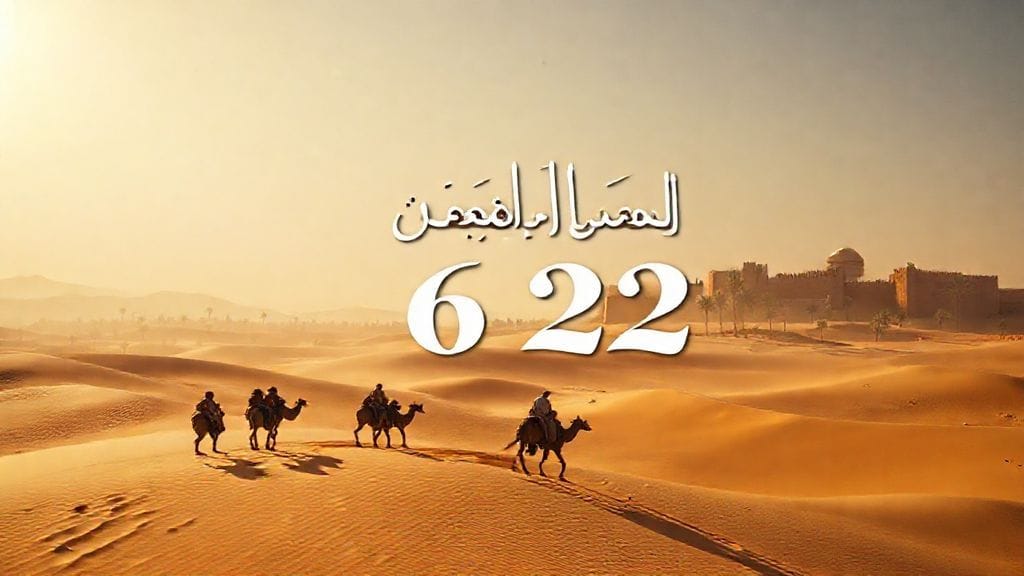
Under the veil of a moonless night in September of the year 622 CE, the air was dense with fear and hope. A small group of individuals, hearts racing with a mixture of trepidation and determination, slipped quietly away from the bustling city of Mecca. They left behind not just their homes, but the familiar rhythms of their lives, stepping into the unknown. This was not merely a flight for safety; it was the start of a journey that would shape the destiny of millions and alter the course of human history—the Hijra to Yathrib, later known as Medina, marking the dawn of the Islamic era.
The significance of this migration, commonly known as the Hijra, reaches far beyond the mere movement of people. It was the beacon that illuminated the path for a nascent religious community struggling for survival against persecution. On this critical journey, the early Muslims forged unity, constructed a society anchored in faith and justice, and sowed the seeds of a civilization that thrives to this day.
The Precarious World of 7th Century Arabia
The Arabian Peninsula during the early 7th century was a tapestry of tribal alliances, commerce, and desert survival. Mecca, a wealthy trading city, was also a spiritual hub, housing the Kaaba, a sacred sanctuary attracting pilgrims from disparate clans. The power there was vested in the Quraysh tribe, who controlled both commerce and religious rites.
But beneath the surface glitter of commercial prosperity, Arabia was fractured. Tribal rivalries often erupted into violence, and loyalty to kin overshadowed broader social cohesion. Polytheism dominated religious life, with idols and ancestral gods reflecting the mosaic of beliefs. Into this intricate social and religious web stepped Muhammad, a man whose message of monotheism and social justice was revolutionary and threatening.
Mecca: A City Divided and Tense
Muhammad’s preaching, calling for the worship of one God and condemning social injustices such as exploitation of the poor and the tribal vendettas undermining unity, disrupted the status quo. The elite of Quraysh perceived the new religion as a direct threat to their economic and social dominance.
Initial opposition from powerful Meccan leaders quickly escalated to persecution. Followers of Muhammad—commonly called Muslims—faced sanctions, violence, and systemic discrimination. Families were torn apart, some endured starvation, others imprisonment. The city's atmosphere shifted from cautious curiosity to hostility and surveillance. Muhammad’s message could not be silenced, but the pressure was mounting, and the community’s survival was at stake.
Muhammad’s Rising Challenge to the Quraysh
Despite adversity, Muhammad’s following grew. The social justice at the heart of Islam resonated with many marginalized clans and individuals. Yet, the unity it inspired among diverse groups unnerved the Meccan elites. They responded with boycotts, social ostracism, and violent intimidation designed to break the early Muslim community’s resolve.
A series of events—strategic marriages, alliances and debates—characterized this fraught period. But the balance was clear: peaceful coexistence was no longer feasible under Quraysh dominance. Muhammad and his followers began looking beyond Mecca, sensing a new political and spiritual sanctuary.
The Seeds of Exile: Persecution and Pressure
The persecution reached its peak with the boycott of Muhammad’s clan, the Banu Hashim, cutting them off from food and trade for three years. Many Muslim converts faced brutal torture. Some fled to Abyssinia (modern Ethiopia), where a Christian king offered protection, signifying early Islamic diplomacy.
Still, the growing pressure within Mecca made it impossible for Muhammad to continue preaching openly, let alone protect his followers. This adversity planted the seeds for an unprecedented decision—an exodus that would forever redefine Islam and Arabian history.
The Moment of Decision: The Call to Hijra
In the face of imminent assassination attempts and city-wide hostility, Muhammad received covert invitations from Yathrib, a prosperous oasis eighty miles north of Mecca. There, tribes were fracturing along political lines, engaging in rivalries that threatened the city’s stability.
Recognizing the opportunity to build a community that could thrive without persecution, Muhammad accepted the call. The Hijra—literally meaning "migration" or "departure"—was not merely strategic; it was a leap of faith, a physical and symbolic journey from oppression toward liberation.
The Secret Departure: Leaving Mecca Under Cover of Darkness
Preparations were made under utmost secrecy to avoid alerting the Quraysh. On the 26th of Safar, 622 CE, Muhammad slipped out with his close companion Abu Bakr. The streets of Mecca, dangerous and laden with spies, could not stop the steely determination of the Prophet.
The dramatic tale of their escape—taught in generations of Muslim households—speaks of cunning and courage. They took a narrow path to evade pursuers, survived moments of acute peril, notably a tense night in the cave of Thawr, hiding just steps away from enemy forces.
The Gripping Journey Through a Harsh Desert
The journey to Yathrib was fraught with physical hardship. Eight days through relentless desert heat, scarce water, and sleep-deprived nights tested their perseverance. Every mile symbolized a step away from the familiar and toward a new destiny.
Stories abound in Islamic tradition recounting their reliance on divine guidance, protection, and their unyielding hope. Despite dangers— marauding bandits, potential betrayal—faith was their compass.
Arrival in Yathrib: A New Dawn for the Early Muslims
The arrival at Yathrib was not merely a telegraph of survival but the birth of a community reshaping the very fabric of Arabian society. Yathrib, with its fragmented clans—predominantly the Aws and Khazraj—invited Muhammad to mediate and lead.
Welcomed with joy and promises of protection, the Muhajirun ("emigrants") found in Yathrib fertile ground for growth and spiritual flourishing. The city was renamed Medina—“the City of the Prophet”—and marking new life and hope.
Yathrib’s Transformation into Medina: City of the Prophet
Under Muhammad’s leadership, Yathrib was transformed from a city wracked by internecine conflict to a unified polity. His role as both spiritual and political leader introduced groundbreaking codes of governance blending faith with law.
What followed was the institution of foundational Islamic principles—justice, charity, communal solidarity, and respect for dissent—contrasting sharply with previous tribal hostilities.
The Establishment of the Islamic Community (Ummah)
The Hijra was more than a migration—it was the formation of the Ummah, a supratribal identity based on shared belief and collective responsibility.
Muhammad drafted the Constitution of Medina, a pioneering document establishing rights and duties among Muslims, Jews, and other inhabitants, insisting on religious coexistence and mutual defense.
This radical social contract balanced tribal customs with universal ethics, pioneering interfaith collaboration unprecedented in the region.
The Pact of Brotherhood: Bonds of Faith and Unity
One of the most profound consequences of the Hijra was the formal adoption of “Mu’akhah,” a pact of brotherhood binding the emigrants (Muhajirun) with the helpers (Ansar) of Medina.
This alliance transcended blood ties. Emigrants who had fled persecution were hosted by locals, sharing homes, wealth, and responsibilities. It was a human gesture of solidarity cementing the social foundations of Islam.
The Hijra’s Revolutionary Impact on Time and Society
The Hijra is so pivotal that it marks the beginning of the Islamic calendar. The very concept of time, history, and identity for Muslims pivots on this migration.
For the first time, the Muslims had a shared historical milestone, an epoch that symbolizes freedom from oppression, community-building, and religious fulfillment.
Political and Religious Ramifications in Arabia
Muhammad’s establishment in Medina challenged the Meccan monopoly of religious and economic power. Over the ensuing years, Medina became the epicenter of Islamic doctrine, military campaigns, and diplomacy.
The Hijra provoked a cascade of political realignments and conflicts, including battles like Badr and Uhud. It positioned Islam as a growing socio-political force—not merely a collection of beliefs.
The Birth of the Islamic Calendar: Marking a New Era
In 638 CE, Caliph Umar ibn al-Khattab established the Hijri calendar, beginning precisely at the moment of the Hijra. This act canonized the migration’s importance, making the calendar a living testament to new beginnings after sacrifice.
This calendar remains in use today, a temporal reminder that faith and history are intertwined.
The Spiritual and Emotional Resonance of Hijra
The Hijra carries profound spiritual symbolism. It narrates the struggle between oppression and freedom, between despair and hope.
For Muslims worldwide, the story inspires perseverance in adversity and yearning for justice—universal themes echoed through centuries.
Reflections Through the Words of Early Companions
Early companions like Abu Bakr described the Hijra as a sacred duty and divine mission. His famous reflection, “If I had ten lives, I would sacrifice them all for Muhammad,” reveals the intensity of faith that animated the migration.
Poetic expressions and oral histories preserve the emotional textures of the journey, ensuring the event’s living memory.
Hijra’s Legacy in Muslim Identity and Global History
The Hijra’s impact transcends religious boundaries. It is a foundational story of migration, resilience, and community-building in world history.
In a contemporary global context, its themes resonate deeply with displaced peoples and those seeking refuge, highlighting enduring human struggles.
How the Hijra Shaped Modern Understandings of Migration
Hijra sets a profound precedent for voluntary migration in pursuit of religious freedom and civil rights. It reframes migration not just as displacement but as hopeful transformation.
Scholars and activists draw parallels between the Hijra and modern refugee narratives, underscoring the continuity of human experience across epochs.
The Annual Remembrance: From Historical Event to Living Memory
Today, the Prophet’s migration is commemorated annually in Islamic communities. It inspires sermons, lectures, and reflections on the meaning of faith, sacrifice, and community in contemporary life.
This remembrance transcends nostalgia; it fuels identity, solidarity, and purpose across generations.
Conclusion
The Hijra to Yathrib was not merely an escape from persecution—it was a transformative passage from division to unity, despair to hope, and vulnerability to power. In the desert sands of Arabia, under perilous skies, a fledgling community took root, guided by faith and conviction.
This migration marks the genesis of a remarkable journey—a narrative of survival, adaptation, and bold social innovation that continues to inspire over a billion people today. The Hijra reminds us that from the most challenging departures can emerge the most enduring beginnings. It is a timeless testament to the human spirit’s resilience and the quest for a just society.
FAQs
1. Why is the Hijra considered the beginning of the Islamic era?
The Hijra marks the moment when Muhammad and his followers escaped persecution, established a political and religious community in Medina, and laid the foundation for Islam’s expansion. The Islamic calendar begins from this migration, underscoring its historical importance.
2. What conditions in Mecca forced Muhammad and his followers to migrate?
Muslims faced intense persecution, including social boycotts, imprisonment, torture, and threats to Muhammad’s life. Rising hostility from the Quraysh elites made it impossible for the community to continue peacefully.
3. Who were the Muhajirun and the Ansar?
The Muhajirun were the emigrants who left Mecca with Muhammad, while the Ansar were the helpers—residents of Medina who welcomed and supported them. Their alliance was crucial to the survival and growth of the early Muslim community.
4. How did the Hijra change Medina’s social and political landscape?
The arrival of Muhammad and the Muslim migrants transformed Medina from a city of rival tribes into a unified Islamic state governed by a new legal and ethical order outlined in the Constitution of Medina.
5. What is the significance of the Constitution of Medina?
It was a pioneering charter establishing rights, duties, and governance frameworks among diverse religious and tribal groups in Medina, promoting coexistence and social unity.
6. How is the Hijra remembered and commemorated today?
Hijra is commemorated in Islamic tradition through educational programs, sermons, and reflections marking the start of the Islamic calendar and reminding Muslims of faith, sacrifice, and community.
7. In what ways does the Hijra resonate with modern migration and refugee experiences?
The Hijra exemplifies migration in search of safety and freedom to practice one's beliefs, mirroring contemporary stories of refugees fleeing persecution and building new lives in unfamiliar lands.
8. How did the Hijra influence subsequent Islamic history and expansion?
The establishment of the Muslim polity in Medina became the base for religious outreach, military engagements, and political consolidation, eventually spreading Islam beyond Arabia.

