Table of Contents
- A Night of Terror: The Hokkaido Nansei-Oki Tsunami's Arrival
- The Seismic Prelude: The Earthquake that Shook Japan
- Understanding the Geography: Why Hokkaido’s Coastline Was Vulnerable
- The People of Hokkaido: Life Before the Disaster
- The Cataclysm Unfolds: Chronology of the Tsunami’s Impact
- Eyewitness Voices: Stories of Survival and Loss
- The Immediate Aftermath: Rescue Efforts and Chaos
- Government Response: Between Preparedness and Shock
- Scientific Community Mobilizes: Lessons from the Waves
- Economic Toll: Damage Beyond the Shoreline
- Cultural Reverberations: How the Disaster Shaped Local Identity
- Comparing Tsunamis: The Place of 1993 in Japan’s Seismic History
- Advances in Early Warning Systems Post-1993
- The Role of Media: Broadcasting the Disaster to the World
- Global Awareness: The Tsunami’s Influence on International Disaster Policy
- Memorials and Memory: Commemorating the 1993 Tragedy
- The Human Spirit: Stories of Resilience and Rebuilding
- How Hokkaido Changed Forever
- Reflections: Nature’s Power and Human Vulnerability
- The Hokkaido Tsunami in Today’s Climate of Disaster Preparedness
It was just after dusk on July 12, 1993, when the sleepy coastal towns of southwestern Hokkaido found themselves staring down an invisible force waiting beneath the ocean floor. The air was heavy with the scent of salt and summer’s warmth, children played near the shore, fishermen prepared their boats, and families shared quiet dinners. Suddenly, the earth groaned—a violent pulse from deep beneath the Sea of Japan signaling disaster. What followed was an infernal roar of water rushing ashore, a tsunami that would forever mark the hearts of those who lived through it.
The Hokkaido Nansei-Oki tsunami is one of those haunting episodes in natural history—a moment when humanity’s fragile foothold met the overwhelming force of nature. Yet this event is not merely a record of destruction; it tells a complex narrative of geology, human courage, failings, and resolve.
The Seismic Prelude: The Earthquake that Shook Japan
The tsunami did not emerge from nowhere. It was triggered by a massive undersea earthquake of magnitude 7.7, occurring in the Nansei-Oki region off Hokkaido’s southwestern coast. The seismic rupture spanned several tens of kilometers beneath the seabed. Japan, cradled along the restless Pacific “Ring of Fire,” is no stranger to earthquakes, but this one was peculiar.
Unlike the more frequent tremors along the eastern Pacific coast, this event struck beneath the Sea of Japan — an area less known for devastating tsunamis but capable of surprising ferocity. The earthquake's epicenter was approximately 60 kilometers from shore, sending powerful shockwaves and displacing massive volumes of seawater in an instant.
The geological story behind this region involves the complex dance of tectonic plates: the Eurasian Plate pressing against the North American and Pacific Plates. The stress builds over decades, and every so often, it unleashes in sudden, violent quakes capable of reshaping coastlines and lives.
Understanding the Geography: Why Hokkaido’s Coastline Was Vulnerable
The Southern coast of Hokkaido presents a distinctive geography—rugged cliffs, narrow bays, and low-lying fishing villages nestled perilously close to the sea. The topography created a perfect funnel for the incoming tsunami waves, magnifying their height and velocity as they slammed against the shore.
Many towns in the Nansei-Oki district, including Hiroo and Urakawa, depended heavily on fishing and thus prospered near the water's edge. Wooden houses, narrow streets, and small harbors formed intimate communities—places where everyone knew one another. But proximity to the sea always came with risk, something the residents tolerated, often because the sea was their lifeblood.
Furthermore, while Japan has a history of tsunamis and some tsunami prevention measures, the local early warning systems in Hokkaido at the time had limited reach and sophistication, particularly for quakes within the Sea of Japan. This unfortunate combination increased the disaster's catastrophic impact.
The People of Hokkaido: Life Before the Disaster
Before that fateful night, Hokkaido’s southwestern coast was alive and vibrant. The local economy depended on fisheries, agriculture, and small-scale industries. The people exhibited a quiet resilience shaped by harsh winters and a deeply rooted connection to the sea. Stories and traditions linked communities closely to the rhythms of nature.
Grandparents told tales of past storms, and parents taught children how to read the ocean’s moods. Still, the tsunami risk—though known—felt distant, a shadow cast by previous regional quakes more than a pressing threat.
Families gathered in small homes, young couples planned futures, and elders rested, unaware that this night would rewrite their destinies.
The Cataclysm Unfolds: Chronology of the Tsunami’s Impact
At approximately 21:17 local time, the earthquake struck with a violent shaking felt for nearly a minute. The power surged through towns, knocking out electrical grids and fracturing roads. Then, within mere minutes, monstrous waves began their inexorable march toward the coast.
In some places, the water receded dramatically—a classic, eerie prelude to a tsunami. Those who recognized the sign fled inland. But many did not anticipate the speed and fury that followed.
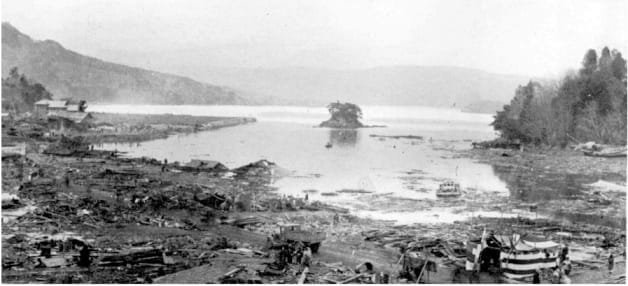
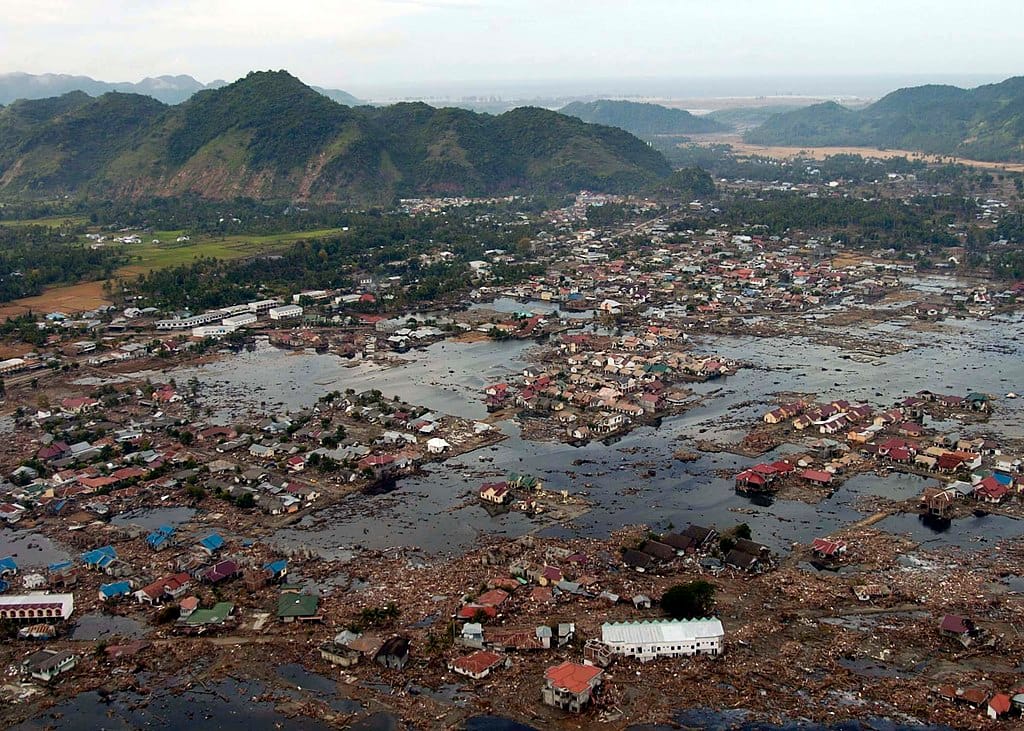
The first wave struck with height estimates ranging from 5 to 15 meters depending on the coastline geometry. Entire neighborhoods were engulfed; boats were flung like toys and houses tore from their foundations. Fire broke out in some harbors, compounding destruction. The tsunami came not as a single wave but a series of them, continuing to batter the coast for hours.
Eyewitness Voices: Stories of Survival and Loss
“I thought it was the end—like the world was collapsing in on itself,” recalled Masaru Tanaka, a fisherman from Urakawa. “The waves came so fast. I barely had time to grab my children and run up the hill. Behind me, I saw everything swallowed by water.”
In Hiroo, Aiko Yamamoto described incredulous terror: “I watched the sea pull back like it was breathing, an unnatural quiet. Then the roar—a sound like thunder multiplied—crashed ashore. Neighbors disappeared, homes disappeared. Only the hills were safe.”
Such testimonies reveal the human dimension behind the statistics: 200 lives lost, hundreds injured, and a community fractured but not broken.
The Immediate Aftermath: Rescue Efforts and Chaos
In the immediate aftermath, chaos reigned. Communications were down, roads were impassable, and confusion spread as rescue teams scrambled to assess damage and find survivors. The Japan Coast Guard, local police, and volunteer groups mobilized quickly, but the scale challenged every resource.
Aid trucks struggled to reach remote villages; hospitals filled beyond capacity, and families searched desperately for loved ones. For many, nightfall brought cold temperatures and uncertainty, as the threat of aftershocks lingered.
Humanitarian responses balanced urgency and sorrow, revealing both the strength and fragility of human systems in crisis.
Government Response: Between Preparedness and Shock
Japan’s government acted swiftly, declaring a state of disaster and dispatching the Self-Defense Forces to assist. Lessons from previous tsunamis, such as the 1960 Chilean event affecting Hokkaido’s eastern coast, informed initial responses.
Still, the Nansei-Oki tsunami exposed weaknesses: the early warning system's delay in some areas, underestimation of wave heights, and gaps in evacuation infrastructure. It forced prefectural and national authorities to rethink tsunami preparedness, leading to immediate upgrades in monitoring and community education.
Scientific Community Mobilizes: Lessons from the Waves
In the wake of the disaster, Japanese seismologists, oceanographers, and engineers launched studies to better understand the quake and tsunami mechanics in the Sea of Japan—a comparatively less studied region.
Data collected by tide gauges, seismic stations, and eyewitness accounts were painstakingly analyzed. The event revealed the complexity of undersea fault lines and the need to factor in local topography for accurate tsunami modeling.
These scientific endeavors paved the way for innovative early warning technologies and more detailed hazard maps, essential tools in saving lives in the decades to come.
Economic Toll: Damage Beyond the Shoreline
The destruction was not limited to human life and property; the local economy suffered a severe blow. Fisheries were crippled as equipment and vessels were lost, salination damaged farmland, and infrastructure was decimated.
Reconstruction demanded massive financial input, impacting regional budgets and national priorities. Insurance claims surged, and some businesses never reopened. Yet, this economic hardship spurred modernization in safety standards, building codes, and coastal defenses.
Cultural Reverberations: How the Disaster Shaped Local Identity
In the years following the tsunami, the event became a defining moment for Hokkaido’s southwestern communities. Annual memorial services, poems, artworks, and oral histories kept the memory alive.
The tsunami also underscored Japan's enduring dialogue with nature’s forces—an interaction marked by respect, fear, and ingenuity. For residents, the trauma became part of a shared identity, connected to resilience and renewal.
Comparing Tsunamis: The Place of 1993 in Japan’s Seismic History
Japan’s history is punctuated by devastating tsunamis—the 1923 Great Kanto, the 1946 Nankai, and later the 2011 Tohoku event. The 1993 Hokkaido tsunami fits into this grim lineage but stands out for its geographic rarity and the lessons it embodied.
Analysts have since used it as a case study in the variable threat tsunami pose from unexpected quarters, highlighting the importance of preparedness everywhere, not just in “typical” zones.
Advances in Early Warning Systems Post-1993
The shockwaves of the disaster extended into Japan’s technological and administrative realms. Governments accelerated the deployment of real-time seismic data networks and tsunami warning broadcasting.
Communities received better education on evacuation routes and what natural signs to heed. Tsunami shelters rose along vulnerable coasts, integrating engineering ingenuity with local needs.
Today, Japan boasts one of the world’s most advanced tsunami warning infrastructures, a direct inheritance from tragic moments like the 1993 event.
The Role of Media: Broadcasting the Disaster to the World
The disaster's immediacy was broadcast in real time, captivating national attention and drawing international concern. Japanese media balanced urgency with sensitivity, sharing images and stories that humanized the catastrophe.
Global media coverage contributed to a worldwide conversation on disaster readiness and international aid, marking a shift in how nations respond to natural tragedies.
Global Awareness: The Tsunami’s Influence on International Disaster Policy
Though localized, the Hokkaido tsunami reverberated globally, influencing disaster management protocols well beyond Japan. Lessons on risk communication, coordination among agencies, and the importance of scientific research entered global best practices.
International collaborations, such as the Pacific Tsunami Warning Center's enhancements, benefited from these experiences.
Memorials and Memory: Commemorating the 1993 Tragedy
Memorials in towns like Hiroo and Urakawa stand as somber reminders and places for reflection. Annual ceremonies gather survivors, descendants, and officials, affirming collective remembrance.
These spaces also serve educational purposes, inspiring caution and respect toward nature’s power in new generations.
The Human Spirit: Stories of Resilience and Rebuilding
Despite devastation, communities came together to rebuild. Neighbors helped neighbors, emergency workers showed heroism, and survivors found strength in shared loss.
Reconstruction was not just physical but emotional—healing through solidarity, renewed faith, and a vision of safer futures.
How Hokkaido Changed Forever
Geographically, economically, and emotionally, Hokkaido’s southwestern coast was transformed. The tsunami reshaped not only the land but the relationship between people and the sea.
The disaster drove a paradigm shift in risk perception and preparedness, forging a legacy that continues to guide policy and culture.
Reflections: Nature’s Power and Human Vulnerability
Looking back, the 1993 tsunami is a stark reminder of the unpredictable, overwhelming forces underpinning our existence. It forces humility—acknowledging that despite technological progress, our survival often depends on understanding and respecting nature.
It is a story about limits and possibilities, loss and hope.
The Hokkaido Tsunami in Today’s Climate of Disaster Preparedness
More than three decades later, as climate change raises concerns about rising sea levels and more intense storms, the lessons from the 1993 tsunami resonate with renewed urgency.
Preparedness is now multidimensional, blending technology, community engagement, and environmental stewardship—an ongoing journey spurred by past tragedies.
Conclusion
The Hokkaido Nansei-Oki tsunami of July 12, 1993, stands as a testament to nature’s unpredictable fury and humanity’s enduring resilience. It was a night when the earth convulsed and the sea turned against those who called its shores home. Yet, in the wake of destruction, communities rose—mourning lost loved ones, sharing stories of heroism, and building a safer future.
This event, often overshadowed by larger scale disasters like the 2011 Tohoku tsunami, holds its own place in history as a profound lesson in the dance between humans and Earth’s tectonic heartbeat. It reminds us that vigilance, informed respect, and preparedness are not mere precautions but lifelines.
Hokkaido’s experience is more than a chronicle of calamity; it is an enduring narrative of pain transformed into hope, tragedy igniting transformation, and the human spirit refusing to be submerged.
FAQs
Q1: What caused the 1993 Hokkaido Nansei-Oki tsunami?
A1: The tsunami was caused by a magnitude 7.7 undersea earthquake off the southwestern coast of Hokkaido in the Sea of Japan. The quake triggered a sudden displacement of the seabed, generating the tsunami waves.
Q2: How many people died in the 1993 tsunami?
A2: Approximately 200 people lost their lives due to the tsunami and associated effects such as collapsing buildings and flooding.
Q3: Why was the tsunami particularly damaging in the Nansei-Oki area?
A3: The geography of the coastline—narrow bays and low-lying fishing villages—amplified the wave heights. Additionally, early warning systems were less effective in this region, delaying evacuations.
Q4: What lessons did Japan learn from this tsunami?
A4: The disaster highlighted weaknesses in early warning and evacuation preparedness, prompting improved scientific monitoring, communication systems, and community awareness programs.
Q5: How did this tsunami compare to other notable tsunamis in Japan’s history?
A5: While less deadly than the 2011 Tohoku or 1923 Great Kanto tsunamis, the 1993 event was significant for occurring in the Sea of Japan, a less commonly tsunami-prone area, revealing the need for vigilance beyond traditional hotspots.
Q6: What role did the media play during and after the disaster?
A6: Media provided real-time information that helped raise awareness and bring aid. Coverage also helped frame the event in public memory and influenced disaster communication strategies.
Q7: Are there memorials dedicated to the victims?
A7: Yes, towns like Hiroo and Urakawa have memorial sites and annual ceremonies honoring the dead and promoting remembrance.
Q8: How has the tsunami influenced current disaster preparedness in Japan?
A8: It accelerated advancements in early warning systems, better evacuation infrastructure, and public education, forming part of Japan’s globally admired disaster resilience framework.