Table of Contents
- The Calm Before the Tremor: Coastal Life on Hokkaido’s Tokachi Shore
- A Day Like Any Other: September 26, 2003, Dawn on Japan’s Northern Frontier
- The Earthquake Beneath the Sea: Origins of the Tokachi Coast Tremor
- The First Shockwave: 8.3 Magnitude and the Immediate Impact
- Watching the Horizon: The Birth of the Tsunami Waves
- The Tsunami Strikes: Devastation Unfolds Along the Tokachi Coast
- Human Response: Evacuation, Heroism, and Chaos
- The Role of Japan’s Warning Systems: Early Alerts and Their Limits
- Aftermath of the Waves: Destruction, Rescue, and Mourning
- The Geological Puzzle: Understanding the Tokachi–Okhotsk Plate Interaction
- Stories from the Shore: Personal Accounts of Survival and Loss
- The Economic Toll: Fisheries, Infrastructure, and Long-Term Recovery
- Cultural Reflections: The Tsunami in Japanese Art and Memory
- Lessons Learned: Shaping Japan’s Disaster Preparedness Post-2003
- Tsunamis in Historical Context: Japan’s Long Dance with the Ocean’s Fury
- Scientific Advances Sparked by Tokachi: Tsunami Modeling and Prediction
- Regional and Global Impact: How the Event Echoed Beyond Hokkaido
- Political and Social Consequences: Policy Shifts and Community Resilience
- Memorials and Commemorations: Honoring the Lives Lost
- The Unseen Waves: Psychological Trauma and Healing
- Revisiting Tokachi: Annual Drills, Education, and the Culture of Vigilance
- The 2003 Tsunami Today: Legacy and Ongoing Challenges
- Conclusion: Triumph, Tragedy, and the Eternal Bond Between Land and Sea
- FAQs: Understanding the Hokkaido–Tokachi Coast Tsunami
- External Resource
- Internal Link
On the morning of September 26, 2003, a broad arc of sea water suddenly stilled along the windswept rocky coastline of Tokachi, Hokkaido. Fishermen scanning the horizon noticed an eerie recession of the waves, a prelude to the monstrous force that was about to descend on their shores. Moments later, the ocean, as if seized by an ancient rage, surged forward with relentless power. Houses, boats, livelihoods — all were dwarfed beneath the towering tsunami waves. This day would live in the memory of northern Japan not only for its devastation but for the profound human stories it etched into the very bedrock of the region.
The Calm Before the Tremor: Coastal Life on Hokkaido’s Tokachi Shore
Nestled on the northeastern edge of Japan’s northernmost main island, Hokkaido’s Tokachi coast had long been known for its resilient fishing communities and breathtaking landscapes. Rustic villages dotted the shoreline, where generations of families made their living from the sea’s generous bounty. On the early morning of September 26, the sun painted the sky in hues of apricot and rose—an ordinary dawn. Locals prepared for their daily routines, unaware of the violent upheaval beneath the ocean floor that would soon turn their tranquil world upside down.
Historically, Hokkaido’s proximity to the volatile Pacific “Ring of Fire” had already made its people familiar with natural tremors and seasonal storms, yet the sense of security that comes with routine persisted. The ocean’s temperament, while sometimes unpredictable, had not betrayed them with such ferocity in decades. Yet, deep below in the tectonic plates, pressure was mounting, writing the script for a disaster few could foresee in its totality.
A Day Like Any Other: September 26, 2003, Dawn on Japan’s Northern Frontier
As dawn broke over the Tokachi coast, fishermen readied their boats, market sellers arranged stalls, and children headed toward school. The communities thrived quietly on the edge of a vast, tempestuous ocean. Radio broadcasts reported clear skies, and local weather forecasts promised steady conditions. The sea was calm, almost hypnotic in its deceptive serenity.
Beneath the surface, however, the Earth was preparing a brutal message. At 5:50 a.m. local time, the ground beneath the ocean shifted with devastating force. It was a moment of rupture—powerful enough to register an 8.3 magnitude earthquake, one of the most potent known in the region since the twentieth century.
The Earthquake Beneath the Sea: Origins of the Tokachi Coast Tremor
The Tokachi Coast earthquake was the result of the complex interplay between the Pacific Plate and the North American Plate, specifically along the Kuril Trench system. This subduction zone, where the oceanic plate dives beneath the continental plate at a relentless pace, is a place of ominous geological tension. When the accumulated stress finally released, it did so in an instantaneous, cataclysmic jerk.
Seismologists later identified this event as a megathrust earthquake, distinct from shallower, crustal quakes that often rattle inland. Its shallow depth under the ocean floor enhanced its ability to displace tremendous volumes of seawater, thus triggering the tsunami that would follow.
The First Shockwave: 8.3 Magnitude and the Immediate Impact
The raw energy unleashed in the earthquake was staggering. Buildings in nearby towns buckled slightly, alarms blared, and the ground shuddered violently for nearly two minutes. In inland cities like Obihiro, residents felt the shaking but instinctively knew the worst might lie elsewhere — at the interface between land and sea.
Authorities instantly began assessing the seismic data, their urgency tempered by the sobering acknowledgment that the quake’s undersea location presaged a tsunami threat. Japan’s advanced network of seismic detection systems quickly relayed warnings, but spreading alarm through dispersed coastal communities is never a simple task.
Watching the Horizon: The Birth of the Tsunami Waves
Seconds after the tremor, the ocean’s surface began to ripple, as if awakening from a sudden nightmare. The displacement of seabed sediment, coupled with the abrupt uplift of the ocean floor, created waves that radiated outward in all directions. Initially invisible in the deep ocean, the tsunami grew in both height and speed as it neared the shallower coastline.
Locals on the shore witnessed the baffling phenomenon of the sea receding unnaturally, exposing reefs and sea creatures never before exposed by the tides. This “drawback” is a classic but terrifying harbinger of the tsunami’s approach, one that some residents immediately recognized and sought to heed.
The Tsunami Strikes: Devastation Unfolds Along the Tokachi Coast
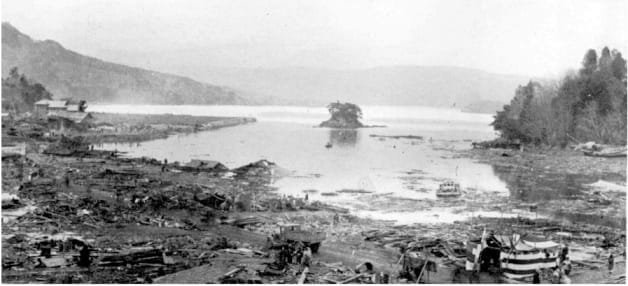
Within minutes of the initial quake, the tsunami waves surged toward land, reaching heights of up to 10 meters in some locations along the coast. The power was unrelenting—fierce walls of water swept inland, demolishing wooden houses, smashing docks, and hurling fishing vessels like toys upon rocks.
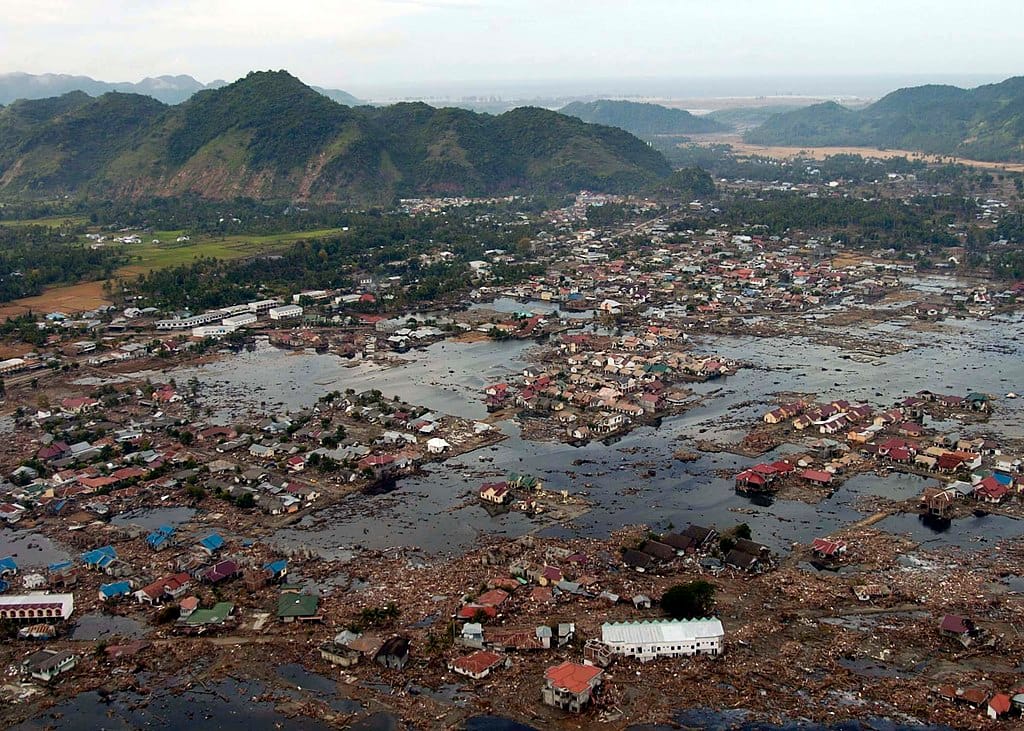
The small harbors and bays of Tokachi turned into scenes from a nightmare. The chaos was palpable—families rushed toward higher ground, sometimes too late, as the water engulfed neighborhoods and tore through infrastructure. Roads vanished beneath floods; power lines collapsed. The ocean’s fury had overwhelmed centuries-old defenses in a matter of minutes.
Human Response: Evacuation, Heroism, and Chaos
Despite the overwhelming power of the tsunami, many local residents displayed extraordinary courage. Emergency sirens, activated by Japan’s early-warning systems, urged swift evacuation, and community leaders coordinated efforts to move people away from danger zones. Some accounts describe fishermen steering boats to safer waters before returning to rescue stranded neighbors and animals.
However, confusion reigned amid the tumult, and dozens lost their lives or went missing. Eyewitness reports recall scenes of solidarity and desperation, where neighbors embraced, shared resources, and clung together in the face of nature’s fury. The tsunami’s impact was not limited to physical destruction but also to the fragile bonds of human survival.
The Role of Japan’s Warning Systems: Early Alerts and Their Limits
Japan, often heralded as a global leader in earthquake and tsunami detection, demonstrated both the strengths and limitations of its warning infrastructure during the Tokachi event. The Japan Meteorological Agency (JMA) immediately issued a tsunami advisory and warnings for areas facing the Pacific.
Although alarms gave many the precious minutes needed to evacuate, the speed and force of the waves outpaced evacuation efforts in some locales. The event exposed vulnerabilities in communication networks—particularly in remote coastal villages where radio transmission was patchy and where cultural habits delayed urgent response.
Aftermath of the Waves: Destruction, Rescue, and Mourning
As the waters receded, the stark aftermath became visible. Hundreds of structures were damaged or destroyed, roads impassible, and fishing fleets decimated. Emergency teams deployed across the stricken region, coordinating search-and-rescue operations amid the mud, debris, and shattered landscapes.
Hospitals wrestled with the influx of injured victims; survivors grappled with shock and loss. The region’s economy, heavily reliant on agriculture and fishing, faced an uncertain future as farmlands were saturated with saltwater and equipment was swept away. Entire communities, bound tightly to the land and sea, came face-to-face with existential uncertainty.
The Geological Puzzle: Understanding the Tokachi–Okhotsk Plate Interaction
The 2003 tsunami prompted renewed scientific investigation into the geological complexities of the Tokachi region. Positioned near the boundary where the Okhotsk microplate interacts with the Pacific plate, Hokkaido presents a unique tectonic handshake fraught with unpredictability.
Researchers sought to understand why this particular moment of slippage generated such a substantial tsunami, comparing it with previous events like the 1993 Hokkaido Nansei-Oki earthquake. Detailed studies of seismic waves, undersea topography, and fault dynamics galvanized advances in the fields of seismology and oceanography alike.
Stories from the Shore: Personal Accounts of Survival and Loss
Amid the statistics and technical reports, human stories emerge as the beating heart of the catastrophe. One fisherman recounted his escape after noticing the sea pulling back an hour before the main waves struck, enabling him and his crew to flee to the hills. Conversely, an elderly woman in a small fishing village lost her entire family, clinging to memories as she rebuilt her life.
These testimonies inject emotional depth into the event, reminding us that each data point reflects a human life. Community resilience became a narrative of its own, where rebuilding was not only a question of structures but of healing wounds old and new.
The Economic Toll: Fisheries, Infrastructure, and Long-Term Recovery
The Tokachi tsunami struck at the economic lifeblood of the region. Fisheries, a core source of employment and food, were decimated as seawater contaminated ports and coastal waters. Infrastructure damage—roads, bridges, power grids—disrupted transportation and commerce for months.
Government agencies allocated emergency funds, but the recovery was slow and arduous. The disaster accelerated discussions about modernizing coastal defenses and incentivizing diversification of local industries to reduce vulnerability.
Cultural Reflections: The Tsunami in Japanese Art and Memory
Japan’s rich tradition of commemorating natural disasters through art found renewed expression post-2003. Painters, poets, and filmmakers embedded the Tokachi event’s imagery and emotions into their work, creating narratives that bridged past and present.
Sculptures along the coast and memorial plaques stand as testaments to the resilience of life against nature’s inexorable force. Schools incorporated the tsunami into educational programs, reinforcing not just knowledge but empathy and preparedness.
Lessons Learned: Shaping Japan’s Disaster Preparedness Post-2003
The 2003 tsunami prompted a thorough review of emergency protocols. Improvements included bolstering communication networks, refining early-warning algorithms, and enhancing community drills. Local governments invested in evacuation routes and emergency shelters, while public awareness campaigns emphasized the critical importance of rapid response.
The event became a case study not only for Japan but internationally, influencing tsunami preparedness strategies in Pacific rim nations and beyond.
Tsunamis in Historical Context: Japan’s Long Dance with the Ocean’s Fury
The Tokachi tsunami of 2003 did not occur in isolation. It is part of a long history of similar events that have shaped Japanese society—from the devastating 1896 Meiji Sanriku tsunami to the catastrophic 2011 Tohoku tsunami.
Each disaster deepens collective knowledge and cultural identity, embedding lessons into folklore and national consciousness. Understanding this continuum enriches appreciation of human resilience and the eternal dialogue between land and sea.
Scientific Advances Sparked by Tokachi: Tsunami Modeling and Prediction
Scientists used data from the earthquake and tsunami to refine computer models predicting wave behavior. Advances in real-time sensors and satellite observations have since enhanced detection capabilities, enabling more precise forecasting of wave height and arrival times.
These improvements contribute to saving lives and mitigating damage in regions worldwide vulnerable to tsunamis triggered by submarine earthquakes.
Regional and Global Impact: How the Event Echoed Beyond Hokkaido
While centered on Hokkaido, the tsunami’s effects were felt across the North Pacific. Ocean buoys worldwide recorded the wave propagation, and coastal authorities monitored potential impacts on distant shores including Alaska and the western United States.
International scientific collaboration intensified as a result, fostering data-sharing agreements and strengthening global tsunami warning networks.
Political and Social Consequences: Policy Shifts and Community Resilience
At the political level, the disaster spurred renewed government commitments to disaster risk reduction. Policies promoting resilient infrastructure, education, and emergency funds reflected a responsive state aware of nature’s unpredictability.
Communities themselves showed remarkable cohesion, transforming the trauma into rebuilding efforts fueled by solidarity and mutual support.
Memorials and Commemorations: Honoring the Lives Lost
Memorial services, both formal and grassroots, have taken place annually to honor victims of the tsunami. Monuments along the Tokachi coast stand as solemn reminders not only of loss but of hope and renewal.
These acts of remembrance corroborate the societal commitment to never forget and to continuously prepare for future calamities.
The Unseen Waves: Psychological Trauma and Healing
Beyond physical destruction, the tsunami inflicted invisible wounds—post-traumatic stress, grief, and anxiety. Mental health professionals emphasized the need for comprehensive psychological support, integrating counseling into recovery programs.
Healing communities, therefore, meant more than rebuilding foundations; it meant restoring hearts and minds ruptured by disaster.
Revisiting Tokachi: Annual Drills, Education, and the Culture of Vigilance
Today, the people of Tokachi engage in rigorous annual disaster drills that reenact evacuation scenarios to instill vigilance. Schools educate students about seismic risks, while towns host seminars to keep preparedness at the forefront of civic life.
This culture of vigilance exemplifies a society in dialogue with its environment, resilient and ready even in the face of uncertainty.
The 2003 Tsunami Today: Legacy and Ongoing Challenges
Nearly two decades later, the memory of the Tokachi tsunami remains vivid. While infrastructure has been rebuilt and communities restored, challenges persist: coastal erosion, aging populations, and climate change demand adaptive strategies.
The legacy of 2003 reverberates as a call to coexist respectfully and wisely with one of Earth’s most formidable forces—the restless Pacific Ocean.
Conclusion
The 2003 Hokkaido–Tokachi Coast tsunami stands as a haunting chapter in the narrative of humanity’s struggle against the immense powers of nature. It is a story woven with threads of terror and tragedy, yet also resilience, courage, and hope. From the trembling earth beneath the ocean floor to the courageous souls who fled the surging waves, the event reminds us that while we cannot command nature, we can rise in defiance of its worst manifestations.
This disaster compelled Japan and the global community to renew their commitment to understanding and mitigating the risks of such catastrophes. More than a natural phenomenon, the tsunami is a poignant human story—a testament to the fragility and strength embedded in coastal life.
As the waves crashed on that fateful morning, they carried away homes and dreams but left in their wake not despair alone, but the unyielding will to learn, adapt, and honor those touched by the ocean’s devastating embrace.
FAQs
Q1: What caused the 2003 Hokkaido–Tokachi Coast tsunami?
A1: The tsunami was triggered by an 8.3 magnitude megathrust earthquake caused by the sudden displacement of the Pacific Plate beneath the North American Plate along the Kuril Trench near the Tokachi coast.
Q2: How effective were Japan’s tsunami warning systems in 2003?
A2: Japan’s warning systems provided early alerts that saved many lives, but the rapid onset and power of the waves revealed gaps in communication and evacuation readiness, especially in remote areas.
Q3: What were the human impacts of the tsunami?
A3: The tsunami resulted in loss of life, destruction of homes and infrastructure, displacement of communities, and long-term psychological trauma for survivors.
Q4: How did the 2003 tsunami affect Japan’s disaster preparedness policies?
A4: The event spurred improvements in early-warning systems, community education, evacuation planning, and infrastructure resilience, influencing both national and international strategies.
Q5: What is the geological significance of the Tokachi area?
A5: Tokachi lies near the dynamic interface where the Pacific and Okhotsk microplates interact, creating complex seismic activity and a high risk for earthquakes and tsunamis.
Q6: How is the tsunami remembered culturally in Japan?
A6: Through memorials, art, literature, educational programs, and annual commemorations, the tsunami remains a powerful symbol of resilience and the need for constant vigilance.
Q7: Did the tsunami impact regions outside Japan?
A7: Yes, the tsunami waves propagated across the North Pacific, registering on oceanic instruments and prompting alerts along distant coastlines, highlighting global interconnectedness in disaster monitoring.
Q8: What lessons has the 2003 tsunami imparted to the global scientific community?
A8: It provided valuable data to enhance tsunami modeling, improve real-time detection, and foster international cooperation in disaster preparedness and early warning systems.