The 1993 Hokkaido Tsunami: When Seconds Meant Survival
Table of Contents
- Introduction
- The Earthquake Beneath the Sea
- Okushiri Island Takes the Hit
- Survivors and First Responders
- Engineering and Preparedness Lessons
- National Impact and Media Coverage
- Conclusion
- External Resource
- Internal Link
1. Introduction
On July 12, 1993, the sea near Hokkaido, Japan, turned into a destructive force when a powerful undersea earthquake set off a tsunami that hit Okushiri Island within minutes. The disaster killed over 200 people and left scars that still resonate in Japan’s disaster history.
2. The Earthquake Beneath the Sea
At 10:17 p.m. local time, a magnitude 7.7 undersea earthquake struck off the southwest coast of Hokkaido, in the Sea of Japan.
✔️ The tremor lasted around 20 seconds.
✔️ It occurred along a known subduction zone.
✔️ Despite its magnitude, the biggest threat came after the shaking stopped.
3. Okushiri Island Takes the Hit
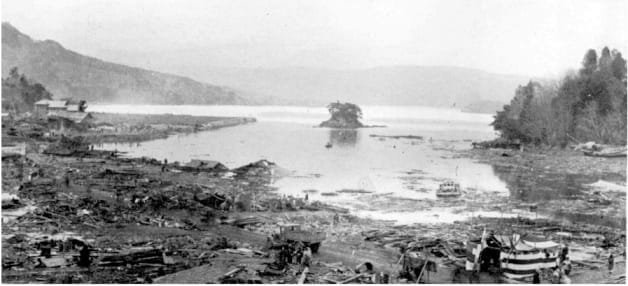
Only 2 to 5 minutes after the quake, massive tsunami waves struck Okushiri Island with terrifying force.
🔹 Waves reached up to 30 meters high in some areas.
🔹 More than 230 people died, including residents and tourists.
🔹 Fires broke out from damaged gas lines, compounding the tragedy.
Some had only seconds to flee—the island’s topography left little room to escape.
4. Survivors and First Responders
Stories emerged of people who sprinted uphill in the dark, warning others as they ran.
✔️ Local authorities issued quick alerts, but the time window was too short.
✔️ Some survivors made it to higher ground thanks to tsunami drills.
✔️ Firefighters and volunteers risked their lives pulling others from rubble and flames.
5. Engineering and Preparedness Lessons
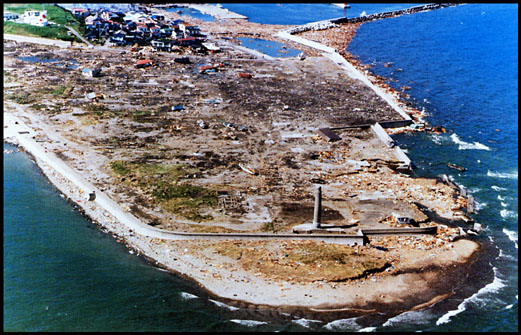
The 1993 tsunami exposed vulnerabilities in Japan’s coastal defenses.
✔️ Sea walls were overwhelmed or bypassed.
✔️ The island lacked sufficient vertical evacuation routes.
✔️ It spurred investment in faster warning systems and reinforced infrastructure.
Japan used this experience to improve national emergency protocols and community awareness.
6. National Impact and Media Coverage
The event was widely covered on Japanese and international media. Footage of wreckage and heroism brought the reality of tsunamis into households worldwide.
✔️ It was a turning point for tsunami education in Japan.
✔️ Scientists launched new studies on local topography’s role in tsunami behavior.
7. Conclusion
The Hokkaido tsunami of 1993 proved that every second counts. For Okushiri Island, it was a moment of unimaginable destruction and human resilience. The lessons learned helped reshape Japan’s approach to one of its most familiar natural enemies—the tsunami.
8. External Resource
🌐 Wikipedia: 1993 Hokkaido earthquake