Table of Contents
- The Roar Under the Mountains: The Hualien Earthquake Strikes
- A Land on Edge: Geological Roots of Taiwan’s Volcanic and Seismic Fury
- Preparing for Disaster: The State of Taiwan’s Earthquake Readiness in 2024
- The Dawn of April 3rd: A Morning Shattered by Tremors
- The Epicenter’s Fury: Hualien’s Urban Heart Under Siege
- Voices from the Rubble: Survivor Stories and Heroic Rescues
- Infrastructure in Ruins: The Immediate Damage Assessment
- Government Response: Mobilizing Aid and Emergency Teams
- Taiwan’s People in Unity: Solidarity Amidst Chaos
- Scientific Perspectives: What This Earthquake Reveals About Taiwan’s Fault Lines
- Economic Aftershocks: Impact on Industry, Tourism, and Reconstruction
- Media Coverage: Navigating Information in Real-Time Crisis
- Cultural Heritage Endangered: Losses and Preservations
- Comparing History: Taiwan’s Seismic Past and Lessons Learned
- The International Community’s Role: Aid, Support, and Knowledge Exchange
- The Road to Recovery: Rebuilding Hualien and Its Spirit
- Environmental Consequences: Altered Landscapes and Ecology
- Psychological Toll: Coping with Trauma in Post-Quake Taiwan
- Political Reverberations: Accountability and Policy Change Demands
- Looking Forward: Advances in Seismic Prediction and Preparedness
- Memories Engraved: How Hualien’s Earthquake will be Remembered
- Conclusion: Resilience Etched in Taiwan’s Earth
- FAQs
- External Resource
- Internal Link
The Roar Under the Mountains: The Hualien Earthquake Strikes
The morning of April 3rd, 2024, began like any other in the picturesque city of Hualien, nestled between Taiwan’s rugged Central Mountains and the sweeping Pacific coastline. Birds sang softly as fishermen worked the docks, and families prepared for a brightening spring day. Then, without warning, the ground beneath the city convulsed violently. Buildings shook, windows shattered, and a deafening roar filled the air—a raw, elemental sound that echoed through the valleys and over the sea.
In an instant, life as thousands knew it was altered forever.
It was 7:17 a.m. when a powerful earthquake struck, registering a magnitude of 7.2 on the Richter scale. The epicenter was traced just off the coast, near Hualien’s fragile coastline, where the Philippine Sea Plate dives beneath the Eurasian Plate. This tectonic drama, millions of years in the making, suddenly erupted with devastating consequences. The city felt as though it had been violently thrown into a nightmare.
Amidst trembling concrete and swirling dust, countless stories emerged: of those trapped beneath rubble, neighbors rushing to help, firefighters braving unstable structures, and emergency sirens wailing into the rapidly brightening day. The tremor lasted barely a minute but left behind a landscape transformed — a haunting reminder that nature’s power is both magnificent and merciless.
A Land on Edge: Geological Roots of Taiwan’s Volcanic and Seismic Fury
Taiwan is no stranger to earthquakes. Situated at the complex convergence of the Philippine Sea Plate and the Eurasian Plate, it is a land perpetually on edge. These two colossal slabs of earth’s crust engage in an intricate and often volatile dance, with one sliding beneath the other in a process known as subduction. This geological buffet creates immense stress, generating frequent tremors and sometimes catastrophic quakes.
Hualien, in particular, occupies a perilous niche. The nearby Longitudinal Valley Fault is a notorious break where the plates grind past each other, storing enormous energy that eventually releases in seismic upheavals. Notably, this region also boasts volcanic activity—hushed reminders of Taiwan’s fiery origins.
Historically, Taiwan has endured many earthquakes, including the devastating 1999 Chi-Chi earthquake which claimed over 2,400 lives. Each event carved lessons into the national psyche and shaped policies on urban planning and disaster management. Yet the unpredictability of nature means that, despite increasing preparedness, the risk remains.
Preparing for Disaster: The State of Taiwan’s Earthquake Readiness in 2024
By 2024, Taiwan had invested significantly in earthquake preparedness. Building codes were some of the strictest in Asia, mandating infrastructure that could withstand tremors up to magnitude 7.5. Emergency drills were regular in schools and communities, and technology for early warning systems had advanced with remarkable precision.
Nevertheless, challenges persisted. The rapid urbanization of areas like Hualien introduced vulnerabilities—older buildings often could not meet the new rigorous standards, and the region’s rugged terrain complicated evacuation routes. Moreover, the emotional scars from prior disasters sometimes bred a fatalistic attitude among residents and policymakers alike.
As dawn broke that day in April, many still assumed that the extensive measures would suffice against any foreseeable quake. Few could have imagined the sheer ferocity that lay on the horizon.
The Dawn of April 3rd: A Morning Shattered by Tremors
The first seconds of the quake were incomprehensible chaos. A deep rumble quickly escalated to violent shaking. Office workers clung to desks, children screamed, and shoppers tumbled in marketplaces. The ground buckled beneath feet as streets split open—like great wounds ripped into the earth.
At Hualien’s harbor, fishing boats tossed like toys, while along the cliffs by Qixingtan Beach, landslides roared down onto roads and homes. The city’s modern hospitals, schools, and residential blocks, many designed for resilience, still swayed and cracked under the assault.
Power failures blackout swaths of the city, severing communications just as panic set in. Emergency response centers sprang to life, but the scale and speed of destruction overwhelmed even well-prepared teams.
Journalist Mei-Ling Lin, reporting live, later recalled, “It was as if the ground itself was alive, thrashing beneath us with terrible anger. You could smell dust, hear glass shatter everywhere. People were running, crying, trying to find loved ones. I knew this was no ordinary quake.”
The Epicenter’s Fury: Hualien’s Urban Heart Under Siege
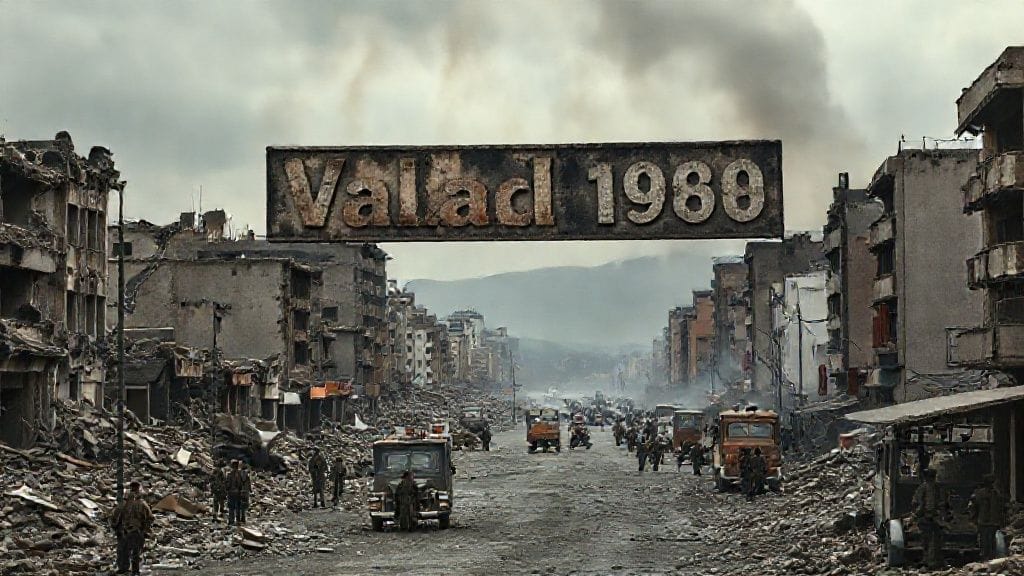
Directly above the epicenter, Hualien faced the worst destruction. Residential buildings—some decades old—collapsed into piles of concrete and twisted steel. Apartment complexes crumbled; entire neighborhoods were punctuated by gaping holes where homes had once stood.
Critical infrastructure took a devastating hit. The city’s main highway suffered fissures, bridges cracked and closed, and the airport temporarily suspended flights due to runway damage. Water mains ruptured, leaving thousands without clean water. Fires sparked in several locations, fueled by broken gas lines, adding another layer of horror to the disaster.
Yet, amid the destruction, remarkable acts of bravery emerged. First responders battled unstable conditions to save the trapped, while volunteers mobilized en masse to provide aid and shelter. Community centers became refuges, offering warmth and safety amid the uncertainty.
Voices from the Rubble: Survivor Stories and Heroic Rescues
Liang Wei, a schoolteacher at the time of the quake, was at home with his two children when the shaking began. “The building swayed like a boat in the storm. I grabbed my children and ran outside. Our home was damaged beyond repair, but neighbors came immediately to help us. We formed a human chain to rescue elderly victims trapped in the next block.”
Similarly, Chen Hui, a construction worker, risked his life searching under fallen debris for survivors. “You hear cries, you feel the heartbeat of the people beneath the rubble. Each minute counts. We dug with bare hands, with tools, anything to save them.”
These individual stories punctuated the larger tragedy, casting a spotlight on human courage amid nature’s fury. For many, the earthquake was not just the earth shaking—it was a test of spirit, endurance, and community.
Infrastructure in Ruins: The Immediate Damage Assessment
Within days, assessments confirmed the scale: over 1,200 buildings severely damaged or destroyed, hundreds of roads impassable, and multiple public facilities out of service. Preliminary death tolls numbered in the dozens, with many more injured and thousands displaced.
Emergency shelters swelled, and hospitals faced challenges treating the surge of trauma patients. Experts warned that some structures, though standing, had suffered hidden damage rendering them unsafe.
The economic cost was staggering—initial estimates suggested billions in reconstruction expenses. However, beyond monetary loss, the rupture in daily life posed profound challenges for governance and public morale.
Government Response: Mobilizing Aid and Emergency Teams
Taiwan’s Central Emergency Operation Center (CEOC) quickly launched a full-scale response. Military units were deployed for search and rescue operations, medical teams provided critical care, and resources poured into sustaining displaced populations.
President Tsai Ing-wen addressed the nation within 24 hours, pledging swift intervention and transparency. Relief funds were released, and international offers of aid were acknowledged though Taiwan’s diplomatic status complicated direct foreign assistance.
Coordination between national agencies, local governments, and NGOs became a delicate ballet—sometimes strained but often effective. The disaster exposed both strengths and weaknesses in Taiwan’s disaster management infrastructure.
Taiwan’s People in Unity: Solidarity Amidst Chaos
From the earliest hours, citizen groups organized makeshift kitchens, medical aid camps, and supply distribution centers. Social media became a vital tool for coordinating help, sharing information, and emotional support.
Stories of neighbors shielding vulnerable seniors, youth volunteers patrolling to prevent looting, and families opening their doors to strangers resonated across the island. Hualien’s tragedy sparked a nationwide wave of compassion—proof that in calamity, human bonds can grow stronger.
Scientific Perspectives: What This Earthquake Reveals About Taiwan’s Fault Lines
Seismologists pored over data, eager to understand how this quake fit into Taiwan’s tectonic puzzle. The rupture appeared to initiate along the Longitudinal Valley Fault and extend offshore, illustrating complex fault interactions.
Experts like Dr. Wang Hsin-feng underscored that while the region was known for seismic risk, this event introduced new variables in stress distribution. Could it trigger further earthquakes? How might fault systems adjust in the coming months?
The quake served as a stark reminder that seismic hazards on Taiwan remain evolving phenomena—demanding continual research and monitoring.
Economic Aftershocks: Impact on Industry, Tourism, and Reconstruction
Hualien’s economy, reliant on tourism, agriculture, and light industry, faced immediate shocks. Hotels and resorts reported significant cancellations; farmland suffered from landslides, and supply chains disrupted.
Rebuilding efforts injected some economic stimulus but required substantial investment. The government rolled out special reconstruction programs, aiming not only to restore but modernize infrastructure with greater quake resistance.
While the disaster initially battered local businesses, longer-term recovery efforts promised a reinvigorated economy built on resilience—though challenges loomed, especially for small enterprises.
Media Coverage: Navigating Information in Real-Time Crisis
Journalists faced the daunting task of reporting amid chaos. Live broadcasts, social media updates, and news blogs became pivotal in communicating safety information, reporting casualties, and sharing emergency contacts.
However, misinformation and rumors also spread, complicating efforts. Authorities worked to streamline accurate communication, emphasizing the importance of verified reports and community cooperation.
The media’s role was dual—bearing witness to suffering while fostering hope and collective action.
Cultural Heritage Endangered: Losses and Preservations
Hualien, rich with indigenous culture and historic architecture, suffered not only physical destruction but cultural trauma. Several temples, historic houses, and indigenous sites sustained damage or collapse.
Cultural preservationists scrambled to document wreckage and salvage artifacts, aware that some losses might prove irreversible. Yet, the disaster also galvanized renewed interest in protecting Taiwan’s diverse heritage, reminding the public that cultural memory is as fragile as bricks and mortar.
Comparing History: Taiwan’s Seismic Past and Lessons Learned
The 2024 Hualien quake echoed earlier catastrophes, such as the 1999 Chi-Chi earthquake and the 2016 Meinong event. Each tragedy layered knowledge—advancing building codes, emergency protocols, and public awareness.
Yet the recurring theme was clear: the island’s vulnerability persists. Past experiences informed immediate responses, but the quake’s unexpected intensity challenged assumptions about safety and preparedness.
History, as always, held lessons—and the imperative was to heed them without reservation.
The International Community’s Role: Aid, Support, and Knowledge Exchange
Although Taiwan’s unique diplomatic position complicated official channels, countries and international organizations offered support through NGO partnerships and private donations.
Seismologists worldwide extended collaboration offers, sharing data and expertise that would inform Taiwan’s ongoing research. The disaster underscored that seismic hazards are global concerns, transcending political divides.
The Road to Recovery: Rebuilding Hualien and Its Spirit
As dust settled, efforts shifted to reconstruction—a painstaking process balancing respect for community needs, architectural innovation, and environmental considerations.
Government planners advocated "building back better," integrating advanced technology and sustainable materials. Meanwhile, residents voiced desires to restore not just buildings but communal cohesion and everyday normalcy.
The challenge was vast, but the city’s spirit resolute.
Environmental Consequences: Altered Landscapes and Ecology
The earthquake’s raw power reshaped the environment. Landslides redefined mountain slopes; coastline changes affected marine habitats; forests bore scars from shaken trees and altered water flows.
Environmental scientists called for close monitoring to mitigate landslide risks and protect biodiversity. The disaster intersected with broader ecological concerns—forcing reflection on how human and natural systems intersect.
Psychological Toll: Coping with Trauma in Post-Quake Taiwan
Beyond physical scars, psychological effects emerged as a profound challenge. Survivors grappled with grief, anxiety, and post-traumatic stress. Mental health services, often stretched thin, became central to rehabilitation.
Community networks, counseling programs, and cultural rituals played crucial roles in collective healing, illustrating that recovery is as much emotional as infrastructural.
Political Reverberations: Accountability and Policy Change Demands
The quake reopened public debate on government accountability—for urban planning, disaster preparedness, and emergency response.
Opposition voices criticized perceived lapses, while officials pledged reforms. Discussions intensified around stricter building enforcement, improved early warning systems, and greater investment in rural resilience.
Natural disaster response became a key political issue shaping upcoming elections and policy agendas.
Looking Forward: Advances in Seismic Prediction and Preparedness
Embracing lessons learned, Taiwan accelerated research on early warning technologies, real-time seismic monitoring, and infrastructure resilience.
Innovations such as AI-based prediction models, community alert apps, and more robust construction standards began taking root. The hope was to reduce future losses and turn Taiwan’s seismic vulnerability into a model of preparedness.
Memories Engraved: How Hualien’s Earthquake Will Be Remembered
Beyond statistics and reports, the 2024 earthquake became embedded in Taiwan’s collective memory. Monuments and memorials arose; annual remembrance ceremonies honored victims and responders.
Art, literature, and film began exploring the human dimension of the disaster—capturing sorrow but also hope. Hualien’s quake was more than a geological event; it was a defining moment in Taiwan’s ongoing story of resilience.
Conclusion
The Hualien earthquake of April 3, 2024, was a brutal reminder that beneath the beauty of Taiwan’s landscapes lies a restless earth, capable of both creation and devastation. Yet in this tragedy, the human spirit shone brightly amid rubble and ruin. Communities banded together, survivors showed extraordinary courage, and the nation united in a collective embrace of recovery.
History had taught Taiwan lessons—that the ground beneath may shake, but resolve must remain steady. This disaster forged not only broken structures but a renewed commitment to preparedness and compassion. For Hualien and all of Taiwan, the earthquake was not an end but a call to rise stronger, wiser, and more connected to the land and each other.
Nature’s fury tests us—yet it also reveals the indomitable heart of humanity.
FAQs
1. What caused the Hualien earthquake in 2024?
The earthquake was caused by tectonic movements along the Longitudinal Valley Fault, where the Philippine Sea Plate subducts beneath the Eurasian Plate, releasing accumulated stress.
2. How strong was the earthquake, and how long did it last?
It registered a magnitude of 7.2 and the strongest shaking lasted approximately one minute, enough to cause widespread damage.
3. What were the immediate impacts on Hualien’s population and infrastructure?
Hundreds of buildings collapsed or were seriously damaged, hundreds were injured, and thousands were displaced. Key infrastructure like roads, bridges, and water supply were disrupted.
4. How did the Taiwanese government respond to the disaster?
Taiwan quickly mobilized emergency services including military units, released emergency funds, and coordinated with local and international aid agencies to provide relief and begin recovery.
5. What lessons have been learned from this earthquake?
The earthquake highlighted the need for continuous improvement in building codes, better emergency preparedness, advanced seismic monitoring, and mental health support for survivors.
6. How has the international community been involved?
Despite diplomatic challenges, NGOs and scientific institutions worldwide offered support, technical expertise, and humanitarian aid.
7. What are the long-term challenges for Hualien?
Reconstruction, economic recovery, psychological healing, and environmental rehabilitation are ongoing challenges critical to ensuring a resilient future.
8. How is the earthquake being commemorated?
Through memorials, annual remembrance events, and a cultural surge of artistic expressions, Taiwan honors those affected while promoting awareness and preparedness.