Table of Contents
- The Day the Earth Roared: Tonga’s Volcanic Cataclysm
- The Calm Before the Fury: Geological Context of Hunga Tonga–Hunga Haʻapai
- Ancient Origins: The Pacific’s Ring of Fire and the Birth of Volcanoes
- January 15, 2022: The Eruption Unfolds in Real Time
- Ashen Skies and Roaring Seas: The Immediate Impact on Tonga
- A Wave Across the World: The Tsunami Triggered by the Eruption
- Voices from the Volcano: Eyewitness Accounts and Survivor Stories
- The Destruction of Lifelines: Communication Blackout and Relief Challenges
- Atmospheric Symphony: Shockwaves Heard Around the Globe
- Scientists on High Alert: Monitoring and Understanding the Eruption
- Comparing Giants: How Hunga Tonga–Hunga Haʻapai Stands Among Eruptions in History
- The Human Toll: Loss, Displacement, and Community Resilience
- Global Response: Aid, Solidarity, and Geopolitical Ramifications
- Environmental Aftershocks: Ecological Consequences on Land and Sea
- Rebuilding From Ashes: Tonga’s Journey Toward Recovery
- Lessons Etched in Lava: What the World Learned From This Event
- Reflections on Vulnerability and Strength in Island Nations
- The Future Under Fire: Monitoring Volcanic Threats in the Pacific
- Conclusion: The Enduring Spirit of Tonga Amidst Catastrophe
- FAQs: Exploring the Eruption’s Many Dimensions
- External Resource
- Internal Link
1. The Day the Earth Roared: Tonga’s Volcanic Cataclysm
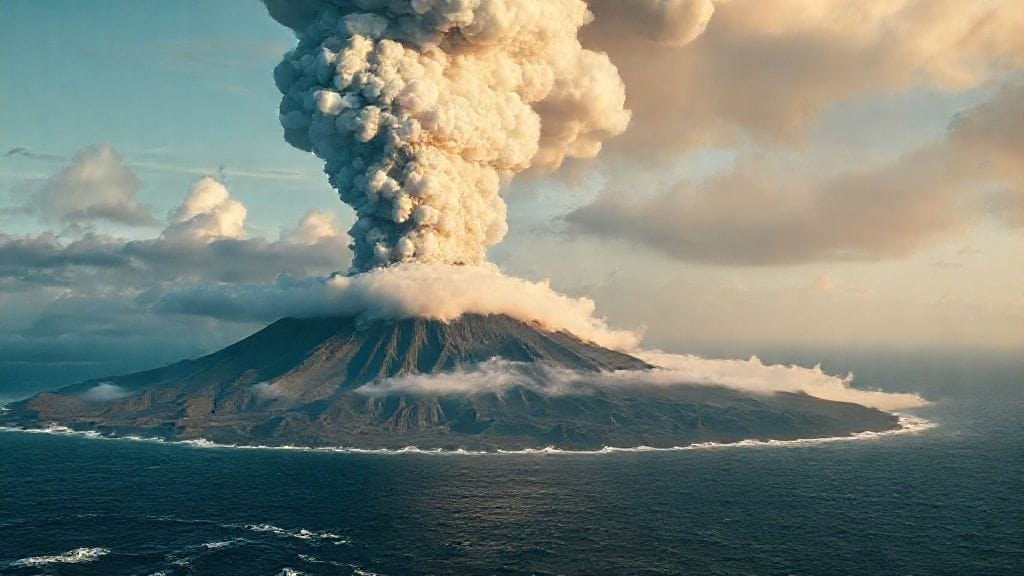
On an ordinary dawn in the South Pacific, under the cerulean canopy of a tropical morning sky, the earth beneath Tonga convulsed with a fury that neither its inhabitants nor the wider world could have anticipated. At 4:10 a.m. local time on January 15, 2022, the submarine volcano of Hunga Tonga–Hunga Haʻapai erupted explosively, shooting towering ash plumes kilometers into the stratosphere and sending shockwaves that rippled across the planet. For 16 hours, the volatile giant rumbled and roared, transmuting the serene island paradise into a realm overshadowed by ash and tsunami waves that surged across shorelines as far as Japan and the Americas.
This eruption did not just reshape the geography of Tonga; it framed a dramatic intersection of nature’s volatile power and human vulnerability, reverberating far beyond the islands. The violent rupture reminded us that Earth’s restless forces lie just beneath the ocean’s placid surface, waiting to awaken with devastating consequence. Yet amid destruction and loss, it also revealed remarkable tales of survival, resilience, and the interconnectedness of the global community in facing planetary crises.
2. The Calm Before the Fury: Geological Context of Hunga Tonga–Hunga Haʻapai
Nestled in the tumultuous juncture of the Pacific’s Ring of Fire, Tonga exists where the immense Pacific Plate subducts beneath the Australian Plate—an enduring tectonic tension cooker. Hunga Tonga and Hunga Haʻapai are two small volcanic islands formed by previous eruptions, a classic example of a volcanic island arc born from subduction processes. Though the region is familiar with volcanic unrest, the scale and explosiveness of January’s eruption exceeded expectations.
Geologically speaking, the volcano is a submarine stratovolcano with a shallow caldera, a cauldron forged by previous eruptions. It has a notorious reputation for sudden violent eruptions that eject ash, gases, and water vapor into the atmosphere, often accompanied by impressive tsunamis. Prior to the 2022 event, the last known eruption occurred in 2015-2016, forming a temporary land bridge between the two islands. Scientists interpreted this as a period of dormancy preceding the giant awakening.
3. Ancient Origins: The Pacific’s Ring of Fire and the Birth of Volcanoes
Volcanoes like Hunga Tonga–Hunga Haʻapai are ancient storytellers, narrating millions of years of the Earth's dynamic interior. The Pacific Ring of Fire, a fiery horseshoe of tectonic upheaval encircling the Pacific Ocean, is home to more than 75% of the world’s active volcanoes. This belt of fire gives life and destruction—bitterness to some lands, fertility to others.
The islands of Tonga themselves came into being as molten rock forced its way upward through oceanic crust, cooling and building new landmasses. Yet this creative force holds a destructive flip side—volcanic eruptions and earthquakes that can wipe away human presence in moments. Tonga represents both the fragility and tenacity of island life hemmed in by the forces that birthed it.
4. January 15, 2022: The Eruption Unfolds in Real Time
The eruption began as a submarine tremor, a low rumble beneath the waves that escalated into a violent explosion. Within minutes, plumes of ash and steam soared into the atmosphere, igniting fear and fascination worldwide. Satellites captured the growing ash cloud that ascended over 30 kilometers above the Earth’s surface, pushing into the stratosphere and disrupting aviation routes.
At the same time, massive shockwaves emanated radially, encircling the globe multiple times—a sonic boom audible as far away as Alaska and shocking weather stations. Locally, sakas of volcanic ash began raining on nearby islands, blanketing villages in shades of gray and choking the air. The volcano’s violent activity continued for hours, pulsing and ebbing, culminating in giant explosions that triggered destructive waves and devastated Tonga’s infrastructure.
5. Ashen Skies and Roaring Seas: The Immediate Impact on Tonga
The eruption blanketed the islands of Tonga with ash layers up to 10 centimeters thick in some areas, cloaking homes, farmland, and schools in a suffocating gray veil. The invasive ash penetrated water supplies, contaminated crops, and impaired breathing for thousands. Electricity and internet services vanished as ash clogged power grids and communication towers.
Then came the seawater—the titanic tsunami waves raised by the eruption’s violent underwater shockwaves surged ashore, ripping apart coastal villages and sweeping away boats, cars, and even entire families. The destruction was chaotic and merciless. For the towns and villages stretched along the archipelago’s narrow shores, the sea that had sustained life suddenly became an instrument of devastation.
6. A Wave Across the World: The Tsunami Triggered by the Eruption
Though the destruction in Tonga was profound, the ripple effects of this eruption extended far beyond. Eclipse-like tsunami waves radiated across the Pacific Ocean, striking the coasts of countries thousands of kilometers away with measured but significant surges.
Notably, Japan reported waves over one meter high, prompting evacuations, while the western coasts of the Americas recorded anomalous tide behaviors. This global tsunami event was rare in scale—only a handful of underwater eruptions in recorded history have sent tsunami waves so far and so powerfully. It was a visceral reminder of the interconnectedness of Earth’s processes.
7. Voices from the Volcano: Eyewitness Accounts and Survivor Stories
In a small village on the island of Tongatapu, 45-year-old Veikoso Tupou recounted how his family was jolted awake by an eerie, low rumble: “The sky turned dark as if night had returned, but no stars shone. Ash fell like a heavy blanket, and then the sea roared louder than I ever imagined.” For thousands like Veikoso, survival hinged on instinct, community, and an intimate knowledge of the land.
Some families fled to the hills hours before the waves reached the coast, alerted by early signs and centuries-old oral traditions. Others were less fortunate, overwhelmed by the rapid onset of destruction. These human stories reveal the face of tragedy behind statistics and underscore the resilience woven into island cultures.
8. The Destruction of Lifelines: Communication Blackout and Relief Challenges
In the eruption’s immediate aftermath, Tonga’s connection with the outside world was severed. The underwater fiber-optic cables, vital for internet and phone connections, were believed severed by the blast’s fury. Communication blackouts frustrated rescue and relief efforts, as initial damage assessments were impossible.
Only days later, when satellite phones were finally deployed, did the world begin to grasp the scale of the disaster. In the meantime, aid agencies faced logistical nightmares—limited air and sea access compounded by COVID-19 protocols. Coordination became a race against time to deliver food, clean water, and medical supplies to thousands stranded and vulnerable.
9. Atmospheric Symphony: Shockwaves Heard Around the Globe
Beyond the physical destruction, the eruption produced atmospheric effects that captured the attention of scientists and the public alike. The explosion generated powerful pressure waves that circled the Earth multiple times, recorded by barometers around the world.
These shockwaves, like ripples in an invisible ocean, served as somber reminders of the eruption’s energy. Some towns, thousands of miles away, reported hearing deep booming sounds hours after the event. Weather patterns temporarily shifted, and some satellites even detected small alterations in the ionosphere—illustrating how volcanic activity can resonate through Earth’s layered systems.
10. Scientists on High Alert: Monitoring and Understanding the Eruption
From volcanologists in New Zealand to atmospheric scientists in NASA’s Goddard Space Flight Center, the event sparked intense scientific interest. Researchers scrambled to analyze satellite data, seismic records, and atmospheric sampling.
Initial analyses categorized the eruption as one of the most powerful in recent decades in terms of energy released. The volcano’s rare submarine location posed challenges, as much of the eruption occurred below or near the water surface—complicating direct observation. Yet this very complexity gave scientists precious insights into how underwater eruptions influence marine and atmospheric environments.
11. Comparing Giants: How Hunga Tonga–Hunga Haʻapai Stands Among Eruptions in History
Volcanic history is punctuated by catastrophic explosions—from Krakatoa in 1883 to Mount St. Helens in 1980, and Pinatubo in 1991. When comparing these events, Hunga Tonga–Hunga Haʻapai’s explosion ranks highly due to its unique marine context, energy release, and global atmospheric impact.
While smaller in terms of human casualties, its scale of sound propagation and tsunami generation makes it exceptional. Scientists note that it added substantial volcanic gases to the stratosphere, potentially influencing climate patterns though the full long-term impact remains under study.
12. The Human Toll: Loss, Displacement, and Community Resilience
Official numbers of casualties initially remained uncertain, clouded by access difficulties. However, early estimates confirmed significant loss of life and injuries, alongside mass displacement as homes were rendered uninhabitable.
Yet, amid devastation, communities rallied. Traditional village structures transformed into shelters; fisheries provided emergency food; and international aid injected hope. Tonga’s collective resilience, grounded in tight-knit social networks and cultural strength, spurred a swift initial recovery effort.
13. Global Response: Aid, Solidarity, and Geopolitical Ramifications
The eruption galvanized a swift, international humanitarian response. Australia, New Zealand, the United States, and regional organizations coordinated shipments of aid and technical assistance. The event also highlighted vulnerabilities in disaster readiness across small island states, sparking calls for increased funding and cooperation.
Some analysts noted geopolitical nuances in aid distribution and engagement, as major powers extended influence in the Pacific through humanitarian efforts. Nonetheless, solidarity, above all, dominated the global rhetoric—transcending boundaries in the face of natural disasters.
14. Environmental Aftershocks: Ecological Consequences on Land and Sea
Tonga’s rich marine biodiversity faced dramatic upheaval. The inundation of ash and heat altered coral reefs, fish habitats, and water quality. Early reports of widespread coral bleaching and fish die-offs compounded food security concerns.
On land, volcanic ash enriched soils in some areas but devastated crops in others. Local agriculture, a lifeline for many, suffered setbacks requiring support and innovation to recover. This environmental toll underscores the fragile balance between destruction and regeneration inherent in volcanic activity.
15. Rebuilding From Ashes: Tonga’s Journey Toward Recovery
Rebuilding in Tonga has been a monumental task. Clearing ash from homes, restoring clean water, and restructuring energy systems demanded both resources and time. The government initiated emergency programs, often relying on aid partners and community volunteers.
Education, health, and businesses faced prolonged interruptions, yet resilience remained. New architectures and disaster protocols emerged, balancing tradition with modern innovation. The reconstruction story serves as a testament to human perseverance amid nature’s wrath.
16. Lessons Etched in Lava: What the World Learned From This Event
The eruption illuminated critical lessons about early warning systems, the importance of geographical vulnerabilities, and the need for rapid communication restoration post-disasters. It challenged scientific models to better integrate submarine volcanic scenarios and their broader implications.
Furthermore, it reminded international agencies and governments to prioritize small island nations in global disaster preparedness frameworks, ensuring equitable access to technology and aid.
17. Reflections on Vulnerability and Strength in Island Nations
Tonga’s experience epitomizes the precarious balance many island nations face—abundant in cultural richness and biodiversity but highly vulnerable to natural catastrophes exacerbated by climate change. The eruption amplified callings for global attention to such communities, emphasizing empowerment, resilience-building, and sustainable development.
18. The Future Under Fire: Monitoring Volcanic Threats in the Pacific
Technological advances in satellite observation, drone monitoring, and underwater seismology now offer unprecedented capabilities to track volcanic activity. Yet gaps remain, especially in remote regions.
Hunga Tonga’s eruption has catalyzed renewed investment in Pacific volcanic research, aiming to develop more accurate forecasts and resilient infrastructures that can withstand future upheavals.
19. Conclusion: The Enduring Spirit of Tonga Amidst Catastrophe
The Hunga Tonga–Hunga Haʻapai eruption was a stark, monumental reminder of Earth's unpredictable might. Yet, embedded within the blackened ash and shattered coastlines was a narrative of hope—of communities holding fast, of science striving to understand, and of a world united in aid and compassion.
Tonga’s story, like the volcano itself, is one of transformation—destruction paving the way for renewal and human spirit rising resilient as the island itself reborn.
Conclusion
The eruption of Hunga Tonga–Hunga Haʻapai on January 15, 2022, will endure in history not only as a geological marvel but as an emblem of humanity’s fragile dance with nature’s power. The violent unspooling of fire, water, and ash was a momentary rupture but one that yielded profound lessons about preparedness, resilience, and solidarity.
Beyond the brutal landscape of destruction, Tonga’s people exhibited tremendous courage and unity, embodying the profound human ability to rise, rebuild, and reinvent themselves in the wake of disaster. This episode also recalled humanity’s shared destiny on a tectonically alive planet—a planet that demands both respect and readiness.
As we move forward, the legacy of this eruption extends past the physical; it is etched in the consciousness of our global community, urging vigilance, compassion, and collective action for a harmonious coexistence with Earth’s fiery heart.
FAQs
Q1: What caused the Hunga Tonga–Hunga Haʻapai eruption in 2022?
The eruption was caused by the sudden release of pressure in the submarine volcano formed by tectonic plate subduction in the Pacific Ring of Fire, where the Pacific Plate dives beneath the Australian Plate. Magma rapidly breached the ocean floor, triggering a powerful underwater explosion.
Q2: How destructive was the eruption for Tonga?
It caused significant loss of life, extensive damage to infrastructure, homes, agriculture, and generated tsunamis that devastated coastal communities. Communication blackouts and ash fall compounded the crisis, making relief efforts challenging.
Q3: What made this eruption unique compared to other volcanic events?
Its submarine nature, explosive power, and the far-reaching global atmospheric and tsunami effects were unusual. The shockwaves from the eruption were heard worldwide, and it generated tsunamis across the entire Pacific Ocean Basin.
Q4: How did Tonga’s isolation affect the disaster response?
The severing of underwater communication cables led to extended blackouts, hampering immediate damage assessments and coordination. Tonga's remote location further complicated the delivery of aid, requiring international cooperation and satellite communication solutions.
Q5: What has been done to rebuild Tonga since the eruption?
National efforts supported by international aid have focused on clearing ash, restoring water and power systems, rebuilding homes and schools, and revitalizing agriculture and fisheries. There has been an emphasis on improving disaster preparedness.
Q6: What environmental impacts resulted from the eruption?
The ash fall and tsunami disrupted marine ecosystems, including coral reefs and fish populations, and contaminated freshwater supplies. Soil fertility was mixed, with destruction in some areas and replenishment in others, impacting food security.
Q7: How have scientists benefited from studying this eruption?
The eruption provided valuable data on submarine volcanic activity, tsunami generation, and atmospheric impacts of volcanic aerosols and shockwaves. It spurred advances in monitoring technology and improved disaster modeling for island nations.
Q8: What does this event teach us about living near active volcanoes?
It highlights the unpredictability and potential scale of volcanic disasters, especially in vulnerable island and coastal communities, emphasizing the need for robust monitoring systems, emergency preparedness, and global support.

