Table of Contents
- The Night the Sea Roared: An Opening to Terror
- Geological Backdrop: Chile’s Volcanic and Seismic Fury
- The Illapel Earthquake: A Sudden Beast Awakening
- Early Warnings and the Calm Before the Deluge
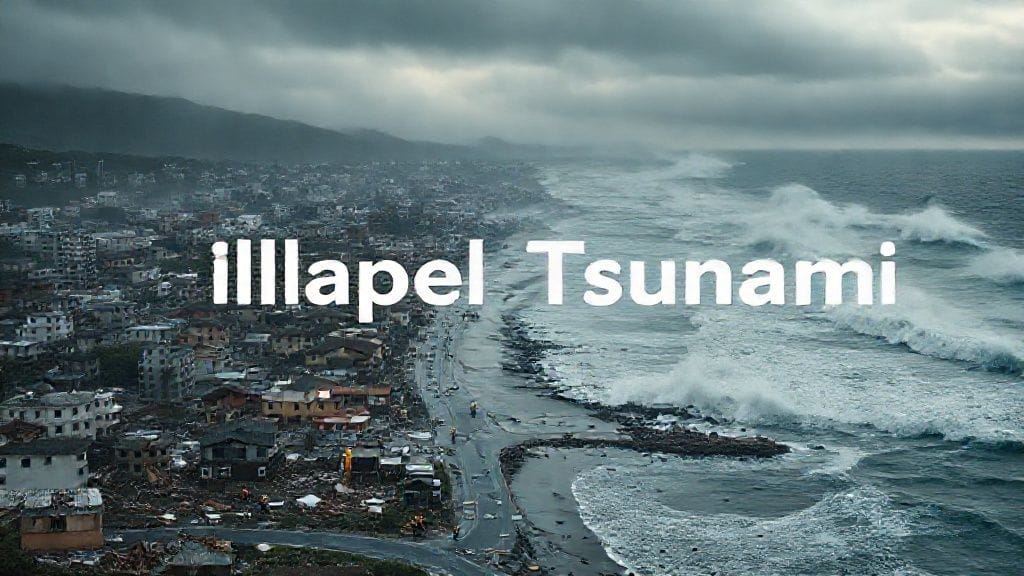
- The Tsunami’s Surge: Waves That Devoured the Coast
- Communities Caught Unaware: The Human Cost
- Emergency Responders on the Frontlines
- Communication Breakdown and Chaos in the Aftermath
- Chile’s History with Tsunamis: A Haunting Legacy
- Scientific Insights: What the Earth’s Rumblings Revealed
- Government and Military Response: Mobilizing a Nation
- International Aid and Solidarity: Beyond Borders
- Stories of Survival: Tales of Resilience and Hope
- The Reconstruction Challenge: Rebuilding from Ruins
- Environmental Impact: The Changing Chilean Coastline
- Lessons Learned: Improving Early Warning Systems
- Social and Economic Reverberations
- Global Repercussions: Tsunamis in a Connected World
- Media Coverage and the Narrative of Disaster
- Remembering Illapel: Memorials and Public Memory
- The Science of Plate Tectonics and Chile’s Vulnerability
- The Role of Technology in Modern Disaster Management
- The Human Spirit Against Nature’s Wrath
- Conclusion: Echoes of the Illapel Tsunami
- FAQs on the Illapel Tsunami Disaster
- External Resource
- Internal Link
The night was like any other along the Chilean coast—tranquil, cloaked in darkness, with the steady whisper of ocean waves hitting the shore. But in the shadows beneath the Pacific, the earth was quietly gathering its might. At 22:54 local time on September 16, 2015, the ground erupted violently, unleashing an earthquake that shook the region of Illapel. What followed was not just a seismic tremor but a deadly ripple, as a powerful tsunami surged unrelentingly towards the coast. From warm hearths to shattered homes, from hushed streets to panicked evacuations, the Illapel tsunami carved a scar across Chile — a poignant reminder of nature’s sudden fury and indomitable human spirit.
The country of Chile, stretching along the western edge of South America, occupies one of the most geologically active zones on Earth. Known for its chain of volcanoes and its position along the notorious “Ring of Fire,” Chile sits atop the convergent boundary between the Nazca and South American tectonic plates. This slow but relentless collision results in frequent earthquakes, some of cataclysmic scale, and the accompanying risk of tsunamis for its lengthy Pacific coastline.
The seeds of the Illapel disaster were sown by the intricate dynamics of these massive plates. As the dense oceanic Nazca Plate subducts beneath the lighter continental South American Plate, enormous tensions build over decades, locked in by friction beneath the seabed. Eventually, this stress exceeds the frictional force holding it in place, causing the plates to slip suddenly. The result is a sudden release of energy—an earthquake. In the frail boundary between ocean and continent, this release sometimes displaces enough water to generate a tsunami capable of racing thousands of kilometers, turning the serene horizon into a wall of destruction.
On September 16, as festive preparations and daily routines unfolded, a violent rupture occurred approximately 45 kilometers northwest of Illapel, at a depth of 33 kilometers. The earthquake’s magnitude was a staggering 8.3 on the moment magnitude scale—a monstrous shaking that lasted around 90 seconds but felt, for those on the ground, as an eternity.
Numerous towns and villages, including Illapel itself, were jolted. Buildings trembled, streets cracked, and the earth swallowed roads and homes. But the earthquake was just the ominous start. Deep beneath the ocean, the sudden uplift of the seafloor set off waves racing irresistibly toward the Chilean coast.
Minutes later, sirens echoed through the region, a frantic warning that the tsunami—the true force of destruction—was on its way. Yet, the initial waves struck with deceptive subtlety. Some residents observed the water retreat dramatically, a natural yet ominous sign of the impending deluge. For others, it was a baffling, terrifying anomaly; the ocean, which had been a giver of life and livelihood, now revealed its deadly venom.
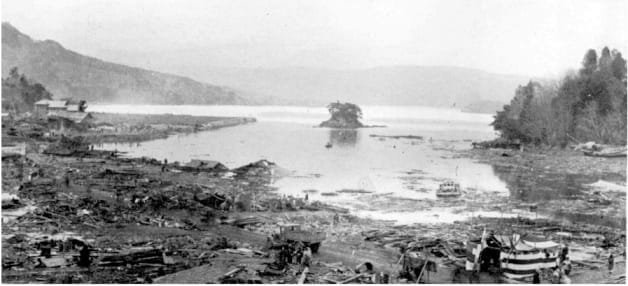
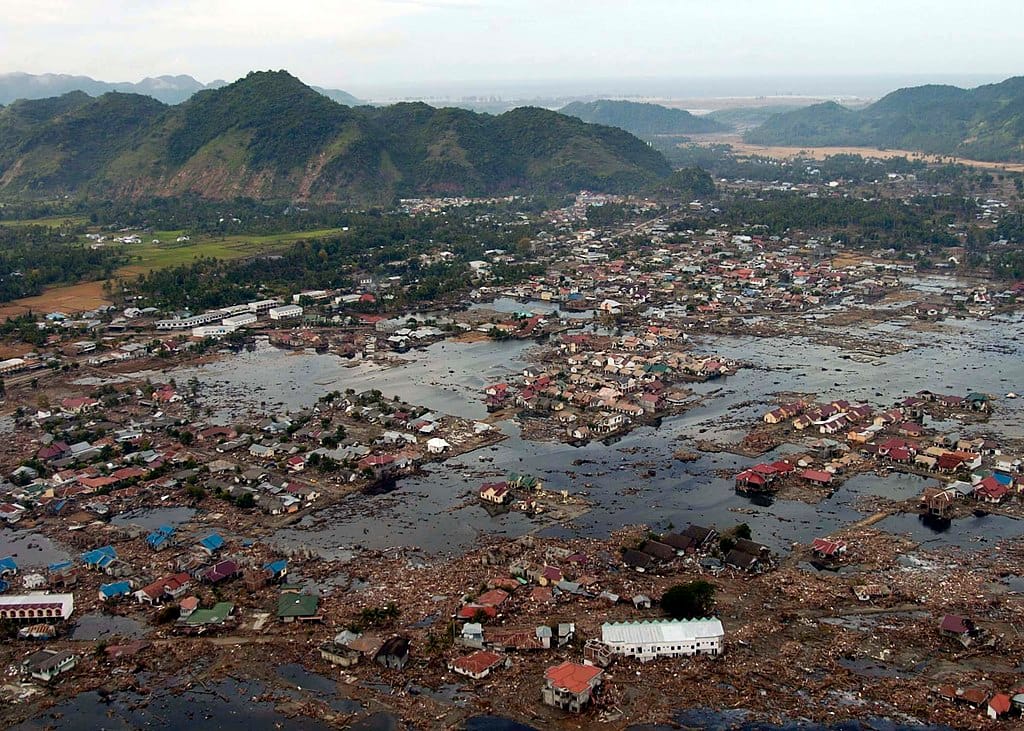
The tsunami waves struck with uneven ferocity. Some areas faced towering walls of water surging up river estuaries and flooding coastal plains; others saw smaller but still dangerous inundations. Villages once vibrant with families and fishermen were swept into chaos. The coastline, shaped by centuries of human habitation and culture, faced a reshaping in just moments.
The human cost was devastating. Though a robust early warning system and mass evacuations helped reduce casualties, dozens lost their lives, hundreds were injured, and thousands were displaced. The waves didn’t discriminate — swallowing homes, schools, boats, and memories.
Emergency responders battled against the relentless tide of destruction and confusion. The government swiftly mobilized both military and civilian rescue operations. Helicopters, boats, and soldiers worked together to reach isolated communities cut off by debris, ensuring the survival and aid of the stranded. But communications were strained as phone networks faltered and roads vanished.
Chile had been no stranger to tsunamis; its history is riddled with seismic disasters and waves of catastrophic scale. The infamous 1960 Valdivia earthquake and ensuing tsunami remain the largest recorded ever—an event that still casts a long shadow over Chilean disaster preparedness. The Illapel tsunami reopened wounds and accelerated the national focus on disaster risk management.
For scientists, the event was a gripping case study of subduction zone mechanics and tsunami propagation. Data collected offered vital clues on how undersea earthquakes displace water masses and how these waves travel across vast ocean expanses. These insights have become fundamental for modern early warning systems, aiming to save lives in a region that will continue to face nature’s wrath.
The Chilean government’s response was rapid and multifaceted—establishing shelters, deploying aid, and communicating with an anxious public. The military’s involvement was critical in securing order and delivering emergency relief to cut-off zones. Yet the task of rebuilding was immense. Entire communities would face months, even years, of reconstruction, grappling with trauma and loss.
On an international level, support poured in. Countries and humanitarian organizations acknowledged the gravity of the disaster, sending aid, expertise, and funds. The wave of global solidarity highlighted the interconnectedness of our world—a crisis in one corner prompting compassion and action thousands of miles away.
Among the wreckage, however, were stories that inspired hope: neighbors rescuing neighbors, fishermen guiding stranded elders to safety, families reunited amidst the chaos. These human testimonies underscored the resilience etched into the Chilean spirit—a testament to endurance when confronted by overwhelming nature.
Environmental impacts shaped the physical landscape as well. Coastal ecosystems faced sudden saltwater intrusion and sediment shifts. Beaches were reshaped, while aquatic habitats suffered disruption, setting in motion long-term ecological consequences that scientists still monitor.
From the Illapel tragedy, lessons crystallized around the urgency of enhancing early warning capabilities, improving evacuation plans, and communicating risk clearly to diverse populations. Investments in seismic monitoring and tsunami detection technologies became priorities. It was a call to respect both the fury and subtlety of the natural world.
Chile’s economy, notably its coastal fisheries and tourism industries, faced shocks in the wake of the disaster. Many families depended on these trades found their livelihoods temporarily cut off. Yet over time, recovery initiatives sought to revive economic activity, integrating resilience into future development.
The global community too reflected on the Illapel tsunami, as it became part of the shared study of disaster science. Research into seismic risks and ocean wave modeling advanced thanks to data captured, influencing distant regions vulnerable to similar threats.
News coverage conveyed raw images and narratives from the ground—from the crackling fields of rubble to the exhausted faces of survivors. Media became the voice connecting those inside the disaster zone with the wider world, casting a stark light on both devastation and dignity.
Today, memorials along the Chilean coast recall the Illapel tsunami, honoring those who perished and those who survived. Public memory weaves stories of loss and courage, ensuring that generations understand the precarious balance of living alongside the restless Pacific.
Chile’s vulnerability stems from the very forces that created its spectacular landscapes—volcanoes, mountains, and an ocean teeming with life. The science of plate tectonics reveals this restless Earth, where vast plates grind, slip, and collide, shaking the surface. Illapel’s tsunami was a dramatic, painful chapter in this ongoing story.
As technology evolves, so does the capacity to face such disasters. Advances in satellite monitoring, seismic sensors, and communication networks offer hope. But ultimately, the struggle is not just against geology—it is a human challenge, of awareness, preparedness, and solidarity.
Nature may roar with unimaginable power. But embedded in the Chilean people is a quiet defiance, an unyielding spirit to rebuild and remember. In the echoes of the Illapel tsunami, there resounds a call—not only to respect the forces around us but to uphold the bonds between humanity and place, between past disaster and future hope.
Conclusion
The Illapel tsunami of September 2015 is a vivid reminder of our vulnerability and resilience. It stands as a testament to the power of the Earth’s forces, yet also to the strength of communities caught in their path. As walls of water rose and crumbled lives, Chile’s people showcased a spirit as enduring as the Andes themselves—unyielding, compassionate, and deeply connected to their land and sea.
More than just a chapter in seismic history, Illapel is a story of human spirit—of fear and courage, loss and recovery, despair and hope. It challenges us to listen to the Earth’s whispers and roars, to value science without losing sight of humanity, and to transform tragedy into lessons that save lives.
Chile’s coastline remains a frontier, where humanity meets primal forces. The waves that struck Illapel have long since receded, but the memories persist—etched not only on the landscape but in the heart of a nation determined never to forget, and always ready to rebuild.
FAQs on the Illapel Tsunami Disaster
Q1: What caused the Illapel tsunami of 2015?
The tsunami was triggered by an 8.3 magnitude earthquake offshore of Illapel, caused by the sudden slip of the Nazca Plate beneath the South American Plate, displacing large amounts of seawater.
Q2: How many people were affected by the disaster?
Dozens died, hundreds were injured, and thousands were displaced. The exact numbers vary, but the scale of human impact was significant given the swift evacuation efforts.
Q3: Was Chile adequately prepared for the tsunami?
Chile has one of the world’s best seismic and tsunami warning systems. Early warnings and evacuations minimized casualties, though communication and infrastructure damage posed challenges.
Q4: How did the Chilean government respond to the crisis?
The government coordinated military and civilian emergency services, established shelters, delivered aid, and engaged in rebuilding efforts despite logistical hurdles.
Q5: What scientific data was gathered from the event?
Seismic data, wave propagation patterns, and seafloor uplift measurements contributed to understanding subduction zone earthquakes and tsunami mechanics, aiding future risk assessment.
Q6: Did the tsunami impact the environment?
Yes, coastal ecosystems were disrupted by saltwater intrusion and sediment displacement, affecting habitats and local fisheries.
Q7: How is the Illapel tsunami remembered today?
Through memorials, educational programs, and public memory initiatives, ensuring the lessons and stories of survival remain part of Chile’s national consciousness.
Q8: What technological improvements came after the tsunami?
Enhancements in early warning systems, communication networks, and emergency preparedness planning were accelerated to mitigate future risks.