Table of Contents
- The Dawn of a Medical Miracle: Toronto, July 1921
- Diabetes Before Insulin: A Grim Fate
- The University of Toronto: A Beacon of Hope
- Frederick Banting’s Vision: From Cutting the Pancreas to Finding the Cure
- Charles Best Joins the Quest: A Partnership Forged in Science
- The Early Experiments: Extracting the Elusive Hormone
- The Role of John Macleod: Guidance, Conflict, and Collaboration
- James Collip’s Contributions: Purifying the Extract
- The First Human Trials: From Lab Rats to Patients
- Public Reaction: Skepticism, Hope, and Celebration
- The Nobel Prize Controversy: Recognition and Resentment
- Insulin’s Rapid Spread Around the World
- Changing the Face of Diabetes: From Death Sentence to Manageable Condition
- The Ethical Debate: Access, Cost, and Commercialization
- Legacy in Medicine: How Insulin Opened the Door to Endocrinology
- Personal Stories: Lives Saved and Transformed
- The Scientific Race: Who Else Was Close to Discovering Insulin?
- Insulin in Cultural Memory: Films, Books, and Exhibitions
- Modern Advances Rooted in 1921: From Insulin Pumps to Gene Therapy
- Conclusion: The Triumph of Human Ingenuity and Compassion
- FAQs: Answering the Most Pressing Questions about Insulin’s Discovery
- External Resource
- Internal Link
1. The Dawn of a Medical Miracle: Toronto, July 1921
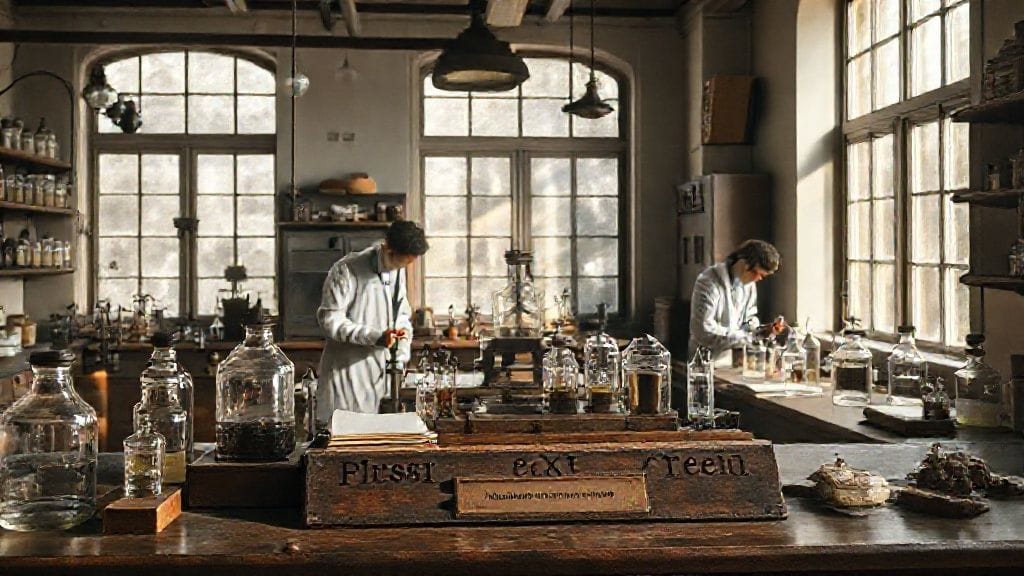
It was a humid summer afternoon in Toronto, yet inside the cold, cluttered laboratory at the University of Toronto, an almost electric tension crackled in the air. The date was July 27, 1921 — a day that would mark the beginning of one of medicine’s most remarkable breakthroughs. In a modest lab, amid glass beakers, surgical tools, and scientific charts, Frederick Banting and Charles Best were on the brink of extracting insulin for the first time, an extract that would change the life expectancy of millions diagnosed with diabetes worldwide.
The moment was saturated with hope and desperation alike. Doctors had long watched patients with diabetes waste away to skeletal remnants, their final breaths labored and agonizing. But here in this Toronto laboratory, a new chapter was about to be written — a chapter in which this mysterious disease might be tamed, turning a fatal diagnosis into a manageable condition.
2. Diabetes Before Insulin: A Grim Fate
Before insulin’s extraction, diabetes mellitus was a cruel sentence. Often known simply as "the sugar disease," it was understood as a metabolic disorder characterized by excessive urination, extreme thirst, rapid weight loss, and eventual death. Without effective treatment, the typical diagnosis was a matter of months, sometimes mere weeks.
The early 20th century had brilliant minds racing to decipher the disease’s origins. Some hypothesized pancreatic involvement; others speculated on diet or genetic factors. Yet treatments were largely palliative—strict dietary restrictions that often starved patients but did little to halt the disease’s progression.
Families watched helplessly as loved ones withered away. Physicians, too, were trapped by the limits of contemporary science, constrained by incomplete knowledge and barren options. The desperate need for a cure was both a medical and human imperative.
3. The University of Toronto: A Beacon of Hope
The setting for this story was emblematic: the University of Toronto’s Department of Physiology, a hive of curiosity and innovation. Canada’s intellectual prestige was ascending, and amid these academic halls, young Frederick Banting contemplated a bold idea.
At just 29 years old, Banting was an orthopedic surgeon with a restless mind and an unyielding determination. He harbored a hunch that the pancreas contained a secret yet to be unlocked—a hormone that regulated blood sugar.
His conviction would set in motion experiments that would constitute one of the earliest examples of translational medicine: the journey from basic research to clinical application.
4. Frederick Banting’s Vision: From Cutting the Pancreas to Finding the Cure
Banting’s inspiration came from an article he had read describing how ligation of the pancreatic ducts could lead to degeneration of the pancreas’ exocrine functions while sparing the islets of Langerhans—the tiny cell clusters responsible for insulin production.
He hypothesized that extracting a substance from these islets might counteract diabetes. Fueled by this idea, Banting scrawled a letter to John Macleod, a leading physiologist, requesting use of his lab and assistance in pursuing the experiments.
Macleod, initially skeptical, agreed to provide facilities and assigned Charles Best, a medical student, to assist Banting. It was a gamble on an unproven theory, but Macleod’s cautious mentorship would prove pivotal.
5. Charles Best Joins the Quest: A Partnership Forged in Science
Charles Best, only 22 at the time, brought energy, meticulous skill, and unshakable commitment to the project. Banting's lone idea blossomed into a full-fledged partnership.
Their days were grueling. Early mornings brought surgical procedures on dogs, whose pancreas ducts were carefully ligated. Weeks later, pancreatic extracts were harvested, tested, and refined.
Their coordination and respect were palpable—even as exhausted hands carefully collected samples, jotting observations feverishly. The dynamic duo quickly became inseparable in pursuit of a cure.
6. The Early Experiments: Extracting the Elusive Hormone
Working with dogs as models for diabetes, Banting and Best faced challenges at every turn. The initial extracts were crude, often causing side effects or failing to reduce blood sugar.
Yet, small victories came early—some dogs showed signs of improvement, blood sugar spiked less dramatically, and crucial symptoms abated.
Every setback deepened their understanding. Lab notebooks filled with data points, hypotheses, and evolving techniques became testaments to human perseverance.
7. The Role of John Macleod: Guidance, Conflict, and Collaboration
John Macleod’s role was complex. While he provided the lab space, funding, and critical advice, tensions soon surfaced between him and Banting.
Macleod was a seasoned scientist, doubting Banting’s aggressive independence. Banting, in turn, chafed at perceived constraints and demands.
Despite their friction, Macleod ensured the scientific rigor and helped secure vital resources. His leadership, though contested, played an undeniable role in framing the success.
8. James Collip’s Contributions: Purifying the Extract
In early 1922, the team welcomed biochemist James Collip, who brought expertise crucial for purifying insulin, transforming it from a toxic, unstable solution into a clinically usable drug.
Collip's chemical advances allowed the extraction to be administered safely to human patients, overcoming hurdles that might have otherwise ended the project.
This addition marked a turning point, bridging experimental promise and practical treatment.
9. The First Human Trials: From Lab Rats to Patients
On January 11, 1922, the first human injection of the purified extract was administered to Leonard Thompson, a 14-year-old boy dying from type 1 diabetes.
The initial dose had limited effect, but after Collip refined the extract, subsequent injections dramatically improved Leonard’s condition—his blood sugar levels dropped and his energy returned.
This breakthrough was met with cautious optimism—the first sign that a once-certain death could now be delayed, and perhaps prevented.
10. Public Reaction: Skepticism, Hope, and Celebration
News of this medical marvel spread quickly, mixing disbelief and hope. Physicians worldwide began requesting samples; the press heralded the discovery as a miracle.
Yet, skepticism lingered. Many in the medical community questioned the reliability and reproducibility of insulin therapy.
Patients and families, however, experienced firsthand its life-changing benefits. The palpable shift from despair to hope spread through hospital wards and homes alike.
11. The Nobel Prize Controversy: Recognition and Resentment
In 1923, Banting and Macleod were awarded the Nobel Prize in Physiology or Medicine—an accolade significant in its prestige but controversial in its distribution.
Banting, feeling Best deserved recognition, famously shared half his prize money with him. Macleod, in turn, shared part with Collip.
This episode highlighted the complexity of attributing credit in collaborative science and underscored the sometimes fraught nature of recognition.
12. Insulin’s Rapid Spread Around the World
The University of Toronto licensed insulin production to pharmaceutical companies at low cost, enabling rapid and widespread distribution.
Manufacturing scaled quickly, and by the mid-1920s, insulin was available in North America, Europe, and beyond.
This accessibility transformed diabetes care, especially for children and young adults, converting once-fatal cases into manageable chronic diseases.
13. Changing the Face of Diabetes: From Death Sentence to Manageable Condition
The discovery of insulin revolutionized endocrinology and patient care. Diabetes ceased to be a tragic race to mortality.
Patients regained weight, energy, and life expectancy improved dramatically. Families could dare to dream anew.
However, insulin therapy required careful monitoring, doses, and diet control—a lifelong commitment but one with clear rewards.
14. The Ethical Debate: Access, Cost, and Commercialization
Despite insulin’s rapid deployment, ethical challenges soon arose regarding distribution, patent rights, and pricing.
Should insulin be a commercial product or a public good? Banting famously refused to profit personally, emphasizing broader social responsibility.
Yet, pharmaceutical companies’ involvement introduced complexities that resonate today, as debates over access and affordability persist.
15. Legacy in Medicine: How Insulin Opened the Door to Endocrinology
Insulin’s discovery was not just a cure, but a scientific gateway.
It validated the concept of hormonal regulation and launched endocrinology as a medical specialty.
It inspired decades of hormonal research, including thyroid, adrenal, and pituitary glands, shaping modern biology and pharmacology.
16. Personal Stories: Lives Saved and Transformed
Across continents, countless stories embody insulin’s impact: children returning to school, athletes regaining strength, mothers watching their families grow.
One poignant account is that of Elizabeth Hughes, daughter of a US statesman, who, once barely clinging to life, thrived for decades after insulin therapy.
These individual narratives breathe life into the statistics, conveying the human cost and triumph behind scientific discovery.
17. The Scientific Race: Who Else Was Close to Discovering Insulin?
While Banting’s team is credited, others across Europe and America were pursuing similar leads.
Notably, Nicolae Paulescu in Romania had developed pancreatic extracts but faced publication and recognition hurdles.
The global scientific community collectively edged toward the insulin breakthrough—a convergence sparked by shared urgency despite political and geographic divides.
18. Insulin in Cultural Memory: Films, Books, and Exhibitions
The story of insulin’s discovery resonates beyond academia.
It has inspired documentaries, films, and museum exhibitions celebrating human perseverance and collaboration.
Historical reenactments and biographies capture the drama and humanity behind the dry facts, ensuring wider public engagement.
19. Modern Advances Rooted in 1921: From Insulin Pumps to Gene Therapy
Nearly a century later, insulin’s legacy continues to evolve:
- Synthetic analogs improve dosing and efficacy
- Insulin pumps and continuous glucose monitors grant patients freedom and safety
- Gene and stem cell therapies hint at possible cures
All trace their lineage back to that humid day in Toronto.
20. Conclusion: The Triumph of Human Ingenuity and Compassion
Insulin’s first extraction in 1921 transcends mere scientific achievement. It is a story of courage, human will, and the shared aspiration to conquer suffering.
Despite obstacles—scientific, personal, political—the tenacity of Banting, Best, Collip, Macleod, and so many unknowns remind us that progress often comes from collaboration, conflict, and unwavering hope.
Today, insulin remains a symbol of how knowledge can transform despair into life, an emblem of what humanity can accomplish when knowledge meets empathy.
Conclusion
From the dimly lit laboratories of Toronto to patients across the globe, the story of insulin’s first extraction reads like a hero’s journey—a testament to ingenuity, resilience, and the indomitable human spirit. Frederick Banting and his colleagues dared to challenge established beliefs, combining science and compassion at a time when diabetes was a death sentence. The ripple effects of their work have extended for a century, not only saving millions but also pioneering new fields of medicine. Insulin’s discovery is more than a milestone—it is a beacon that reminds us that in the face of seemingly insurmountable adversity, human creativity and collaboration can light the way toward hope and healing.
FAQs
1. Why was the extraction of insulin in 1921 such a monumental breakthrough?
Before insulin, diabetes was fatal. Extracting insulin was the first time a hormone could be used therapeutically to regulate blood sugar, directly saving lives.
2. Who were the key figures in the discovery of insulin?
Frederick Banting, Charles Best, John Macleod, and James Collip played central roles, each contributing to different stages from extraction to purification.
3. How was insulin first tested on humans?
The first patient was Leonard Thompson, a diabetic teenager. Early injections yielded promising results, which improved dramatically after purification of the extract.
4. What controversies surrounded the Nobel Prize awarded for insulin’s discovery?
The 1923 Nobel Prize was given to Banting and Macleod, causing disputes as Banting felt Charles Best deserved recognition. Both Banting and Macleod shared their prize money with Best and Collip respectively.
5. How did insulin transform diabetes treatment worldwide?
Insulin shifted diabetes from certain death to a manageable chronic illness, enabling patients to lead longer, healthier lives.
6. Were there other researchers working on insulin at the same time?
Yes, researchers like Nicolae Paulescu had developed pancreatic extracts independently but faced various challenges, so the Canadian team received wider recognition.
7. What ethical issues emerged around insulin after its discovery?
Questions about pricing, patenting, and access arose early. Banting insisted insulin should be affordable as a public good, but commercialization complicated this ideal.
8. How does insulin’s discovery influence modern medicine?
It paved the way for hormonal therapies, endocrinology, and biotechnological advances like synthetic insulin and gene therapy, reshaping healthcare fundamentally.