Table of Contents
- The Calm Before the Catastrophe: Ionian Sea, August 11, 1953
- A Night of Tremors: The First Signs of Fury
- The Earth Awakens: The Seismic Origins of the Ionian Sea Tsunami
- Chaos Unfolds: The Devastation Across Kefalonia and Zakynthos
- Voices From the Ruins: Survivor Testimonies and Human Tragedy
- The Tsunami’s Path: How Waves Ravaged Italy’s Coastline
- The Epicenter’s Shadow: Geological Insights into the 1953 Disaster
- International Aid and Rescue Efforts
- Political Ramifications: Greece and Italy in Crisis
- Rebuilding Lives and Landscapes: The Long Road to Recovery
- Memory in Stone and Spirit: How the Disaster Shaped Local Identity
- The Scientific Pursuit: Advancing Understanding of Mediterranean Tsunamis
- The Forgotten Warning: Lessons from 1953 and Their Modern Relevance
- Cultural Reverberations: Art, Literature, and the Silence of the Sea
- The 1953 Ionian Sea Tsunami in Global Historical Context
- Conclusion: Between Memory and Future—The Enduring Legacy of the Tsunami
- FAQs
- External Resource
- Internal Link
The Calm Before the Catastrophe: Ionian Sea, August 11, 1953
The Ionian Sea was unusually serene on the evening of August 11, 1953. A sultry summer sun dipped low behind the silhouettes of the islands, and fishermen cast their nets with practiced ease, their small boats bobbing gently on waves kissed by a warm breeze. Families gathered on balconies, savoring the slow, fragrant dusk typical of Kefalonia and Zakynthos, two jewels in this mosaic of Greek islands.
Yet, beneath this tranquil surface, the tectonic plates were stirring, harboring a monstrous secret that would soon heave like a sleeping beast. The peaceful air, the gentle lapping of waters, and the distant laughter of children unaware that soon their world would be fractured—these were the last moments before nature’s fury burst forth.
A Night of Tremors: The First Signs of Fury
At approximately 9:15 PM, a series of tremors shook the foundation of these islands. Initially subtle, these earthquakes soon escalated, rattling windows and sending residents tumbling from their beds. People spilled into the streets, eyes wide with confusion and fear. It was clear: this was no ordinary quake.
The tremors were not isolated incidents but the harbingers of a catastrophic chain reaction beneath the Ionian Sea. For hours, the earth convulsed with increasing intensity. By midnight, the ground shattered with such force that entire villages lay in ruin. Buildings crumbled, fires ignited, and the night was pierced by screams and desperate calls.
Yet, nature withheld its deadliest blow just a while longer.
The Earth Awakens: The Seismic Origins of the Ionian Sea Tsunami
The Ionian islands string along a volatile junction where the African tectonic plate presses northward under the Eurasian plate, a boundary complex and prone to seismic upheavals. In the 1950s, the scientific understanding of Mediterranean tectonics was still evolving, but the tremors of August 12 would cement the region’s notoriety as a lethal earthquake hotspot.
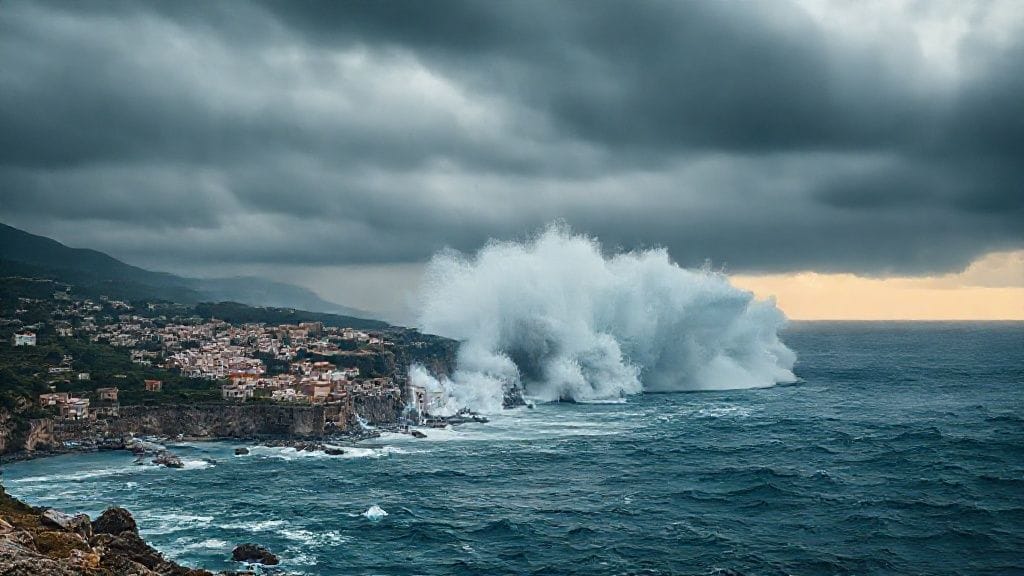
Around 12:30 AM on August 12, a massive rupture occurred along a submarine fault beneath the Ionian Sea near Kefalonia’s western coast, shifting the seabed abruptly and violently. This tectonic displacement forced millions of tons of water upward and outward, creating a formidable tsunami wave that barreled toward the shoreline within minutes.
Chaos Unfolds: The Devastation Across Kefalonia and Zakynthos
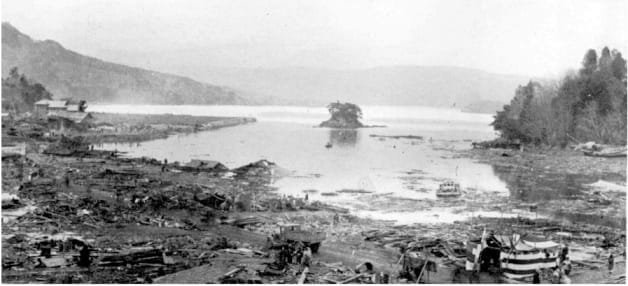
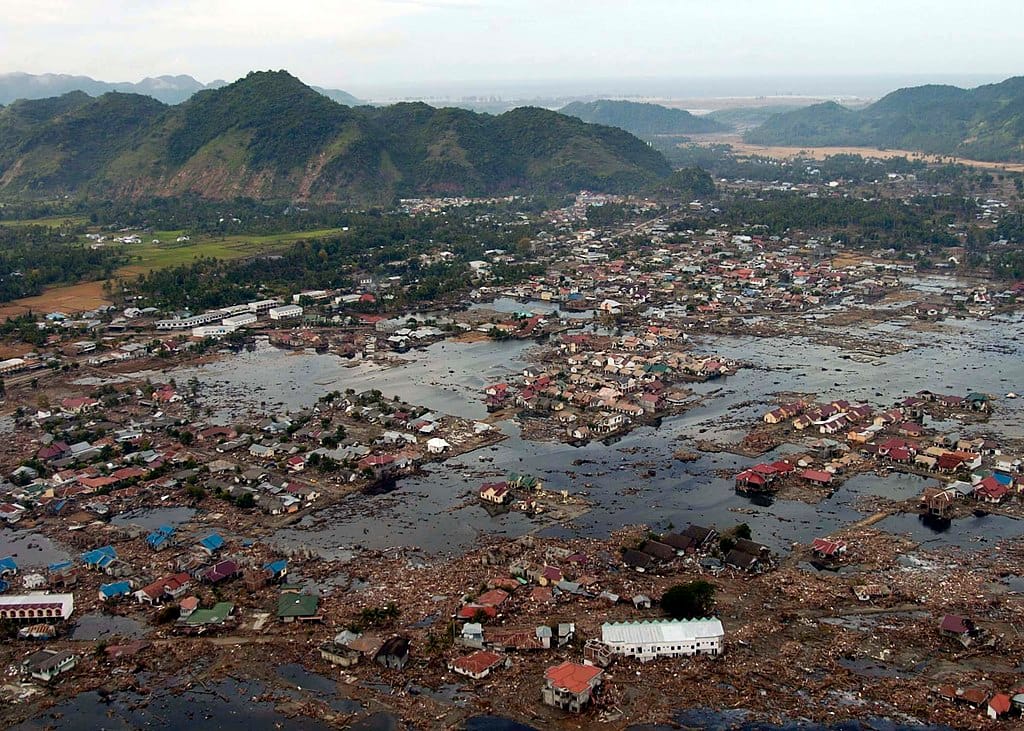
The tsunami slammed into Kefalonia and then Zakynthos with an unstoppable, crushing force. In towns like Fiskardo, Argostoli, and Lixouri, entire neighborhoods were swept away. Buildings that had survived the earthquake’s shaking were no match for the tsunami’s onslaught.
Witnesses later described an eerie, unnatural withdrawal of the sea moments before the wave struck—a sudden retreat exposing the seabed and stranded fish—followed by the horrifying rise of water, flooding streets, homes, and farms.
Casualties were immense. Estimates suggest that over 400 lives were lost across the islands, with thousands injured and countless homes destroyed. The islands’ fragile infrastructure was devastated, cutting off communications and isolating survivors.
Despite the darkness and chaos, communities clung to hope amid the wreckage, banding together to search for the missing and tend to the wounded.
Voices From the Ruins: Survivor Testimonies and Human Tragedy
Among the survivors, stories emerged—of profound loss, resilience, and unexpected heroism. One elder recalled, "The earth shook like it was tearing itself apart. Then came the sea, devouring everything. My brother was caught in the waves; I never saw him again."
Another survivor, a young mother from Zakynthos, recounted how neighbors formed human chains to pull children from the rising waters. In the smoke of collapsed homes, small acts of courage carved out thin threads of survival.
Yet grief hung thick. Many families were shattered. The trauma would scar entire generations, etching the tsunami deep into community memory.
The Tsunami’s Path: How Waves Ravaged Italy’s Coastline
Though Greece bore the brunt, the tsunami’s wrath rippled further west. Southern Italy’s coast, particularly the region of Calabria, felt the surge’s reach, with unusual sea level changes and minor flooding reported.
This transnational impact underscored the Mediterranean’s interconnectedness via its seabed and tectonic activity—an ominous reminder that natural disasters in one country can have cascading effects across borders.
The Epicenter’s Shadow: Geological Insights into the 1953 Disaster
In the aftermath, geologists scrambled to analyze the quake and tsunami, gathering seismic data, mapping faults, and studying sediment patterns. The Ionian Sea’s complex geodynamics became a case study for understanding tsunami genesis in enclosed seas.
The event’s magnitude, estimated around 7.2 to 7.3 on the Richter scale, coupled with its shallow depth, amplified surface shaking and generated the deadly tsunami. This combination made the catastrophe particularly devastating.
Such insights would later inform early warning research and construction standards in the Mediterranean basin, though initial response efforts revealed a glaring lack of preparedness.
International Aid and Rescue Efforts
The magnitude of destruction prompted an international outpouring of sympathy and assistance. Greece appealed for aid, and several countries—from the United States to neighboring Italy—sent emergency supplies, medical teams, and naval personnel.
The United Nations and Red Cross mobilized efforts to provide shelter and food, while volunteers converged on the islands to rebuild shattered lives. This humanitarian response marked one of the early coordinated international disaster relief efforts in the postwar Mediterranean.
However, logistical challenges were immense: damaged ports, destroyed roads, and a crippled communication network slowed aid delivery.
Political Ramifications: Greece and Italy in Crisis
The tsunami hit Greece at a delicate historical moment. The country was still recovering from a brutal civil war that ended less than a decade earlier and was navigating the shifting geopolitical tensions of the Cold War.
The disaster exposed weaknesses in government disaster response capabilities and infrastructure investment, sparking debates over regional development priorities.
In Italy, fears grew of broader seismic vulnerability along the Apennines and Calabria, increasing political pressure to invest in seismic monitoring and civil defense.
Rebuilding Lives and Landscapes: The Long Road to Recovery
The reconstruction of Kefalonia and Zakynthos became a monumental task. Entire villages were redesigned and rebuilt, often relocating homes farther from vulnerable shorelines.
International engineers collaborated with local communities to erect earthquake-resistant buildings, schools, and hospitals. Economic aid focused on restoring agriculture and fishing—lifelines for islanders.
Yet recovery was uneven; many displaced families emigrated, and psychological scars lingered. A generation grew up with the tsunami as a defining collective trauma.
Memory in Stone and Spirit: How the Disaster Shaped Local Identity
Monuments and memorials sprouted across the islands, commemorating those lost and the resilience of survivors. Annual ceremonies recall the disaster, blending Orthodox Christian ritual with folk tradition.
The tsunami ingrained itself into the cultural fabric, featuring in local songs, stories, and art. It remains an enduring symbol of nature’s ruthlessness—and the indomitable spirit of island communities.
The Scientific Pursuit: Advancing Understanding of Mediterranean Tsunamis
Post-1953, the Ionian Sea tsunami spurred scientific inquiry into Mediterranean seismicity and tsunami genesis. Studies highlighted the importance of submarine fault mapping and local tide gauge monitoring.
This event became a landmark case prompting Mediterranean countries, including Greece and Italy, to establish more systematic earthquake and tsunami monitoring agencies.
While Mediterranean tsunamis are less frequent than Pacific counterparts, the 1953 tragedy cemented the reality of their risk—advancing regional preparedness slowly but inexorably.
The Forgotten Warning: Lessons from 1953 and Their Modern Relevance
Despite the lessons of 1953, Mediterranean tsunami awareness remains limited today, with modern coastal development increasing vulnerability.
The 1953 tsunami stands as a cautionary tale against complacency—a reminder that even regions with moderate seismicity can face sudden calamity.
Efforts continue to improve early warning systems and educate populations, but gaps endure. Is history doomed to repeat itself if memories fade?
Cultural Reverberations: Art, Literature, and the Silence of the Sea
Artists and writers have grappled with the tsunami’s legacy, exploring themes of loss, nature’s indifference, and human endurance.
From haunting post-disaster photographs capturing shattered homes and desolate streets to poetic meditations on the sea’s “silence after the storm,” the tsunami inspires a poignant cultural response.
This artistic engagement ensures the event remains alive not only in history books but in the collective imagination.
The 1953 Ionian Sea Tsunami in Global Historical Context
Placed in the panorama of 20th century natural disasters, the Ionian Sea tsunami holds a unique place. Unlike massive Pacific tsunamis that dominate popular awareness, this disaster highlighted lethal risk in an often-overlooked region.
The event foreshadowed later catastrophes, such as the 2004 Indian Ocean tsunami, by illustrating how combination of earthquake intensity, coastal geography, and human vulnerability can produce devastating outcomes.
In this global context, it underscores the universality of disaster and the imperative of shared knowledge and preparedness.
Conclusion: Between Memory and Future—The Enduring Legacy of the Tsunami
As the Ionian Sea returned to its deceptive calm, the scars of August 1953 remained etched in stone, hearts, and stories. The catastrophe was not merely a geological event but a profound human tragedy—a rupture in time that reshaped landscapes, societies, and consciousness.
Through resilience and remembrance, the islands transformed their grief into strength, rebuilding not just homes but identities. Today, the disaster serves as a somber reminder: nature’s forces are mighty and unpredictable, but within human communities lie courage, solidarity, and hope to face the unknown.
May the waves that once destroyed now inspire vigilance, empathy, and unity—between lands and peoples.
FAQs
Q1: What caused the 1953 Ionian Sea tsunami?
A1: The tsunami resulted from a powerful earthquake (magnitude ~7.2–7.3) caused by a tectonic shift along a submarine fault in the Ionian Sea near the western coast of Kefalonia, displacing the seabed and generating large tsunami waves.
Q2: Which areas suffered the most damage during the tsunami?
A2: The Ionian islands of Kefalonia and Zakynthos were devastated, with large loss of life and destruction of infrastructure. Coastal areas of southern Italy also experienced minor effects.
Q3: How many people died in this disaster?
A3: Approximately 400 people lost their lives due to the earthquake and subsequent tsunami, with thousands more injured and displaced.
Q4: What were the long-term effects on Greek and Italian disaster preparedness?
A4: The disaster highlighted the need for improved seismic monitoring, early warning systems, and earthquake-resistant construction, leading to gradual advancement in regional disaster preparedness policies.
Q5: How is the event remembered today in affected communities?
A5: Annual memorial ceremonies, monuments, and cultural works keep the memory alive, honoring the victims and resilience of survivors.
Q6: Why is the Ionian Sea tsunami less known compared to other historical tsunamis?
A6: Its Mediterranean location, mid-20th century timing, and relatively limited global media coverage contribute to its lesser fame compared to Pacific or Indian Ocean tsunamis.
Q7: Are Mediterranean tsunamis frequent?
A7: No, Mediterranean tsunamis are relatively rare but still a credible hazard due to active tectonics and densely populated coastlines.
Q8: What scientific advances followed the 1953 tsunami?
A8: The event spurred enhanced geological research, development of tsunami monitoring stations, and broader recognition of the tsunami risk in enclosed seas.