Table of Contents
- The Night the Earth Trembled: An Introduction to the Iquique Earthquake
- Chile’s Tectonic Setting: A Land Forged by Fire and Fury
- The Road to Disaster: Seismic Precursors and Unheeded Warnings
- April 1, 2014: The Earthquake Unfolds
- The Shattered Coast: Iquique and Surrounding Areas in Ruins
- Human Stories Amidst the Rubble: Survival and Loss
- The Tsunami Alarm: Nature’s Second Blow
- Government Response: Rallying Amidst Crisis
- International Aid and Solidarity
- The Epicenter of Hope: Communities Rebuild Together
- The Economic Shockwave: Assessing the Damage
- Chile’s Earthquake Legacy: Lessons Learned and Preparedness Enhanced
- Science and Technology: How the 2014 Earthquake Advanced Seismology
- Cultural Memory: How Iquique Remembers That Day
- The Global Perspective: Chile’s Earthquakes in the World Context
- Conclusion: Endurance and Renewal in the Face of Nature’s Wrath
- FAQs About the Iquique Earthquake
- External Resources
- Internal Links
1. The Night the Earth Trembled: An Introduction to the Iquique Earthquake
The air was filled with an eerie stillness, punctuated only by the gentle crashing of Pacific waves along the northern Chilean coast. It was the evening of April 1, 2014, a quiet Tuesday in Iquique—a city known for its desert landscapes that meet the sprawling ocean and a vibrant port bustling with life. Suddenly, deep beneath the earth’s surface, a colossal rupture unleashed its pent-up fury. Buildings swayed, the ground heaved like a living beast, and the horizon was shadowed momentarily by dust and panic. For nearly two minutes, the city and its surroundings were gripped by a monstrous earthquake—a magnitude 8.2 event that would etch itself in Chile’s vast seismic history.
This was no ordinary tremor. The Iquique earthquake was a brutal reminder of the restless forces beneath the Pacific Ring of Fire, a potent symbol of both natural destruction and human resilience. For the tens of thousands who called this region home, that night was more than a seismic event—it marked a chapter of tragedy, survival, and eventual renewal.
2. Chile’s Tectonic Setting: A Land Forged by Fire and Fury
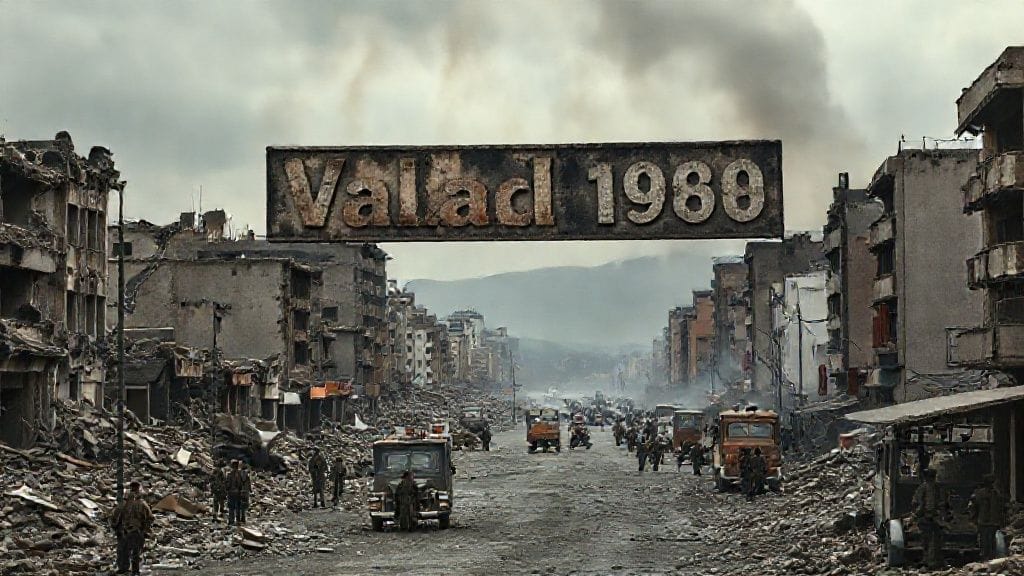
To understand Iquique’s earthquake is to understand Chile’s very geography. Lying along the boundary where the Nazca Plate plunges beneath the South American Plate, the country is the epicenter of relentless geological turmoil. This subduction zone has been responsible for some of the world’s most devastating earthquakes, including the infamous 1960 Valdivia quake—the largest ever recorded on Earth, measuring 9.5.
Northern Chile, far from being immune, sits atop this volatile interface. Here, the oceanic plate’s slow but inexorable descent occasionally locks and accumulates stress over decades. When that locked interface finally ruptures, the energy unleashed can cripple cities, reshape coastlines, and even trigger tsunamis. Iquique, perched on this precarious fault line, thus lives trapped in the shadow of a geological time bomb.
3. The Road to Disaster: Seismic Precursors and Unheeded Warnings
In the weeks preceding April 1, 2014, a series of smaller tremors and foreshocks had rattled northern Chile, raising eyebrows among seismologists and local officials. On March 16, a significant tremor of magnitude 6.7 shook the region, a clear warning sign that something greater could follow. Seismic alarms buzzed in research centers, as scientists debated whether these foreshocks were harbingers or mere earth murmurs.
Locals, however, accustomed to the restless ground beneath their feet, continued their routines. The reverberations, while noticeable, were not unusual enough to prompt a mass evacuation or widespread alarm. Yet, tension was palpable—a quiet uncertainty threaded through conversations in Iquique’s markets and plazas.
4. April 1, 2014: The Earthquake Unfolds
At 8:46 pm local time, the dormant power beneath the Pacific Ocean surged. With a rupture extending over 200 kilometers along the subduction interface, the ground convulsed violently for nearly 140 seconds. Measuring 8.2 in magnitude, this quake ranked among Chile’s largest in decades.
Notably shallow at roughly 25 kilometers deep, the earthquake’s intensity was felt not only in Iquique but along vast stretches of the northern Chilean coast. Streets cracked open, windows shattered, electricity blacked out, and terrified residents flooded the thoroughfares, eyes wide under the rocky night sky.
Scientists marvel at the earthquake’s complex rupture pattern—it did not simply snap and stop but propagated with intricate energy pulses, a seismological signature that revealed much about how stress accumulates and releases along subduction megathrusts.
5. The Shattered Coast: Iquique and Surrounding Areas in Ruins
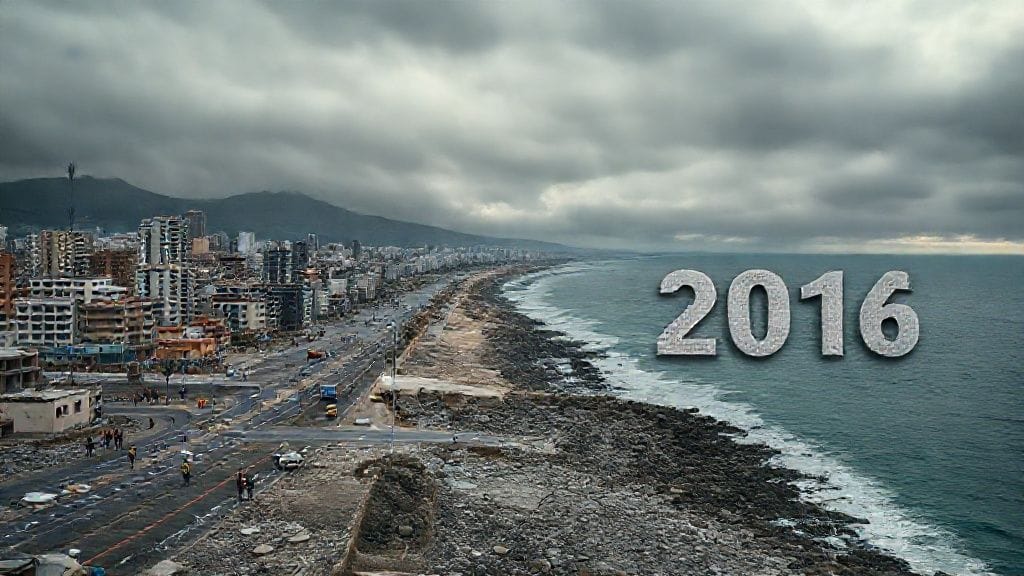
Iquique, a city whose skyline blends modern high-rises with century-old architecture, bore the brunt of the quake’s fury. Reports soon trickled in of collapsed buildings, damaged ports, cracked highways, and disrupted communications. Though the city’s strict building codes, legislated after the 2010 Maule earthquake, mitigated the worst destruction, many older structures simply could not withstand the force.
Beyond Iquique, smaller coastal towns such as Pisagua and Alto Hospicio faced severe structural damage. Here, poverty and isolation compounded the crisis, with some communities cut off from immediate assistance. The desert region, while dry and seemingly barren, was made vulnerable by crumbling infrastructure and lack of emergency resources.
6. Human Stories Amidst the Rubble: Survival and Loss
Amid the generalized chaos, stories of human courage and heartbreak emerged. María Elena, a schoolteacher in Iquique, described holding her students tight as the classroom shook violently: “I thought, this is the end — but then the earthquake stopped. We were alive, but so many houses around us were gone.”
In the fishing village of Pisagua, fishermen scrambled to secure their boats before the looming tsunami could arrive. Others spoke of frantic phone calls, of neighbors helping neighbors, of the terrifying moments when electricity plunged and the only light came from flickering candles.
Yet, there were also somber tales—families mourning lost loved ones, elderly residents trapped under debris, and a city grappling with the magnitude of nature’s assault. These stories humanized a disaster often reduced to seismic data and damage estimates.
7. The Tsunami Alarm: Nature’s Second Blow
One of the most chilling elements of the event was the tsunami threat. The rupture triggered waves that, though smaller than initially feared, still caused significant scares. Sirens blared in coastal towns, prompting evacuations to higher ground.
In some areas, the ocean retreated unnaturally, exposing the sea bed—a classic precursor to an incoming wave. Fortunately, the emergency procedures enacted by Chilean authorities planned for such eventualities, and casualties from tsunami impact were minimized compared to past catastrophes.
Nevertheless, the tsunami’s arrival reinforced the double-edged nature of seismic disasters in Chile, combining ground shaking with oceanic menace.
8. Government Response: Rallying Amidst Crisis
Chile’s government reacted swiftly. Within hours, President Michelle Bachelet declared a state of emergency and mobilized the armed forces to assist in relief efforts. Roads were cleared, power restoration teams deployed, and temporary shelters arranged in schools and public stadiums.
The National Emergency Office (ONEMI) coordinated rescue and medical response with remarkable efficiency, largely owing to lessons etched from past quakes. Still, the night was long and fraught with logistical challenges—communication networks were strained, and remote communities awaited rescue.
The authorities' transparent communication helped to maintain order and calm, a critical factor in disaster management. Chile’s reputation as a world leader in earthquake preparedness was put to the test—and emerged relatively strong.
9. International Aid and Solidarity
News of the disaster traveled quickly around the globe. Neighboring countries such as Peru and Argentina extended messages of support, while international organizations stood ready to assist. The United Nations offered coordination for humanitarian aid, including medical supplies and technical assistance.
Foreign engineers, seismologists, and emergency experts arrived to share expertise and assess structural damage. The earthquake once again underscored how natural disasters transcend borders, provoking global solidarity in their wake.
10. The Epicenter of Hope: Communities Rebuild Together
In the weeks and months after April 2014, rebuilding took center stage. Despite material loss and emotional scars, the people of Iquique and nearby towns exhibited remarkable resilience. Community groups organized clean-up brigades, local businesses adapted, and cultural events resumed—small acts signaling recovery.
One compelling story is that of Alto Hospicio, a rapidly expanding urban area where hundreds lost their homes. Here, collaborative housing projects featuring earthquake-resistant designs were launched, symbolizing a future learned from past vulnerability.
The collective response was not just infrastructural but deeply social: solidarity networks grew tighter, mental health programs were implemented, and the shared trauma became a foundation for communal healing.
11. The Economic Shockwave: Assessing the Damage
Economically, the earthquake dealt significant blows. The northern region is vital for Chile’s mining sector, especially copper extraction, which accounts for a large part of the national economy. Disruptions to transport infrastructure, including highways and ports, slowed operations temporarily.
Estimates placed direct damage around $500 million USD, with indirect losses from business interruptions, tourism downturn, and reconstruction costs pushing that figure higher. Yet, the robust Chilean economy and efficient governmental support helped cushion the impact.
Insurance claims surged, and national funds were allocated promptly to jump-start recovery without derailing broader economic growth.
12. Chile’s Earthquake Legacy: Lessons Learned and Preparedness Enhanced
The 2014 Iquique quake was a stark reminder that no amount of preparation can make a country immune to nature’s temper. Yet, Chile has long been a pioneer in earthquake preparedness—a legacy reflecting the country’s tragic history with seismic disasters.
Post-Iquique, evaluations confirmed that early warning systems, public education, and rigorous building codes saved countless lives. Nonetheless, gaps in rural communication and infrastructural vulnerabilities were exposed, leading to renewed investments into monitoring technology and emergency services.
Scholars and policymakers alike noted that continual vigilance and adaptation were essential. The 2014 earthquake became a case study, enriching global understanding of megathrust earthquakes.
13. Science and Technology: How the 2014 Earthquake Advanced Seismology
Seismologists around the world turned their attention to the Iquique earthquake’s unique characteristics. Continuous GPS data and seismic networks captured the dynamics of the rupture with unprecedented clarity.
Scientists analyzed stress transfer along the fault lines and the effect of foreshock sequences on triggering such a large event. The quake also contributed to refining tsunami modeling, enabling better prediction of wave behavior.
Moreover, Chilean research institutions deepened collaborations with international partners, positioning the country at the forefront of earthquake science innovation.
14. Cultural Memory: How Iquique Remembers That Day
Beyond science and policy, the earthquake entered Chilean collective memory. In Iquique, memorials were erected, street murals painted, and annual commemorations held to honor victims and survivors.
Schools incorporated the event into curricula to educate future generations about seismic risks and safety. Artists and writers reflected on the disaster, weaving its resonance into cultural expressions that blend grief, resilience, and hope.
The quake also sparked debates on urban planning and social equity, emphasizing the need to protect vulnerable populations.
15. The Global Perspective: Chile’s Earthquakes in the World Context
Chile’s 2014 event joined a continuum of monumental earthquakes worldwide—in Japan, California, Indonesia—that collectively deepen humanity’s awareness of living on a restless planet.
The scientific data harvested from Iquique contributed internationally, aiding other seismic-prone nations in preparing for similar megathrust events. From emergency protocols to infrastructure design, lessons learned traveled across oceans and continents.
More broadly, the earthquake affirmed the interconnectedness of global disaster response and the universal challenge of mitigating loss in the face of nature’s grand forces.
16. Conclusion: Endurance and Renewal in the Face of Nature’s Wrath
The Iquique earthquake of April 1, 2014, remains etched vividly in the minds and landscapes of northern Chile. It was a moment when the earth roared its ancient song, shaking cities and souls alike. Yet, amid destruction and sorrow, it also revealed the extraordinary human capacity for resilience and rebuilding.
Chile’s experience shows us the relentless dialogue between humans and their environment—a tale of respect, preparation, and hope. It is a story not simply of an earthquake, but of endurance—a testament to a nation shaped by the very forces that threaten it.
FAQs About the Iquique Earthquake
1. What caused the 2014 Iquique earthquake?
The earthquake was caused by the subduction of the Nazca Plate beneath the South American Plate along the Peru-Chile Trench. Stress accumulation over decades along this fault interface finally ruptured, releasing massive seismic energy.
2. How strong was the earthquake, and how long did it last?
It measured 8.2 on the moment magnitude scale and lasted approximately 140 seconds, making it one of the strongest Chilean quakes in recent decades.
3. Was there a tsunami following the earthquake?
Yes, a tsunami alert was issued and waves affected some coastal areas. However, the tsunami’s impact was limited due to effective early warning systems and evacuations.
4. How did the Chilean government respond?
The government quickly declared a state of emergency, mobilized armed forces and emergency services, and coordinated rescue and relief efforts efficiently, reflecting the country’s experience in disaster management.
5. What were the main economic impacts?
The earthquake disrupted mining operations and damaged infrastructure, with direct damages estimated around $500 million USD. Nonetheless, prompt recovery actions limited long-term economic fallout.
6. How has Chile improved earthquake preparedness since then?
Post-quake assessments led to upgrades in seismic monitoring, improved communication networks in remote areas, and enhanced public education campaigns on earthquake and tsunami safety.
7. Are there memorials dedicated to the earthquake victims?
Yes, several memorials and cultural commemorations exist in Iquique and surrounding communities, honoring those affected and reinforcing public awareness.
8. How did this earthquake contribute to seismic science?
It provided detailed data on megathrust rupture mechanics and foreshock behavior, advancing scientific understanding and enhancing global earthquake and tsunami modeling.