Table of Contents
- The Morning of Catastrophe: August 17, 1999
- The Geologic Fury Beneath the Sea
- The Earthquake that Shook Izmit Bay
- The Birth of the Tsunami: Nature’s Furious Reply
- Eyewitness Accounts: Voices from the Edge of Destruction
- Coastal Villages Under Siege: The Tsunami’s Relentless March
- The Official Response: Chaos, Courage, and the Struggle to Save Lives
- The Aftershocks: A Nation on Edge
- Human Stories Amid the Rubble: Tales of Tragedy and Triumph
- Scientific Revelations: What the Tsunami Taught the World
- International Aid and Solidarity: A Global Response to a Local Disaster
- The Environmental Toll: Sea, Land, and People Transformed
- Rebuilding Izmit Bay: From Rubble to Resilience
- The Psychological Scars: Trauma and Healing in the Aftermath
- Policy Shifts and Preparedness: Lessons Etched in Stone and Memory
- Remembering August 17: Memorials, Museums, and Collective Memory
- The 1999 Disaster in Turkish National Identity
- Comparing the Izmit Bay Tsunami to Other Notable Tsunamis
- Current Risk and Future Prospects for the Region
- Conclusion: The Enduring Legacy of Izmit Bay’s Day of Fury
- FAQs
- External Resource
- Internal Link
The Morning of Catastrophe: August 17, 1999
It was a serene summer morning, the kind where the sun cast a golden light across the gentle waves of Izmit Bay in northwestern Turkey. Families strolled along the shore, fishermen prepared their nets, and children played unaware of the impending catastrophe hidden deep beneath the earth’s surface. At 3:02 AM local time, the tranquility shattered—an earthquake measuring a staggering 7.6 on the Richter scale tore through the region, rupturing the deadly North Anatolian Fault with a violence that would forever scar Turkey. But as the ground heaved and homes crumbled, another sinister force stirred—the waters of Izmit Bay began to behave in an ominous, unpredictable way. Moments later, a tsunami surged forth, its towering waves racing onto the shoreline, claiming lives, washing away livelihoods, and adding an agonizing dimension to an already devastating disaster.
The Geologic Fury Beneath the Sea
Turkey, a land perched precariously on multiple seismic fault lines, is no stranger to earthquakes. The North Anatolian Fault, a continental strike-slip fault that slices across northern Turkey, represents a seam where the Eurasian Plate grinds past the smaller Anatolian Plate. For decades, geologists had observed a dramatic westward migration of destructive earthquakes along this fault, a tectonic domino effect of immense scale.
Beneath Izmit Bay, this fault’s subterranean movements created a volatile situation. The sudden release of accumulated stress not only shook the earth but aggressively displaced large volumes of water. Unlike the sudden underwater dips and uplifts seen in subduction zones responsible for massive Pacific tsunamis, the tsunami that swept Izmit Bay was an unusual byproduct of this strike-slip quake, underscoring nature’s capacity for unexpected devastation.
The Earthquake that Shook Izmit Bay
At the core of the disaster was the August 17 earthquake, sometimes referred to as the 1999 İzmit earthquake or the Kocaeli earthquake. It struck at an inescapably vulnerable moment, when many were still ensnared in the embrace of sleep. The city of Izmit, a bustling industrial hub, bore the brunt of the shaking, as did countless smaller towns nestled along the bay.
Buildings, many of substandard construction due to lax enforcement of building codes, failed catastrophically. The shaking lasted for approximately 37 seconds, yet that seemingly brief interval was enough to tear open the earth, collapse infrastructures, and obliterate neighborhoods. The death toll would soon climb to over 17,000, but the horror had only just begun.
The Birth of the Tsunami: Nature’s Furious Reply
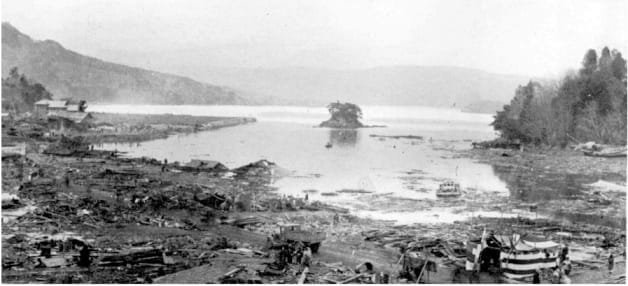
What followed the quake was as terrifying as it was unexpected. The rupture beneath the bay caused underwater landslides and sudden sea floor displacements, generating tsunami waves that radiated outwards. Witnesses described walls of water crashing against piers and shorelines, flooding coastal areas within moments.
Unlike the well-known tsunamis generated by subduction zones in ocean trenches, the Izmit tsunami was smaller in scale, but its proximity to dense population centers made it deadly. Some waves are estimated to have reached up to 3 meters high, powerful enough to sweep away boats, buildings, and people with horrifying ease. It was a stark herald of the earthquake's multi-dimensional threat.
Eyewitness Accounts: Voices from the Edge of Destruction
"I was standing at the ferry terminal when suddenly the sea began to pull back — as if something was calling it in," recalled Mehmet Yilmaz, a fisherman from the town of Yalova. "Then, before I could react, a giant wave rose and swallowed the shore. Boats overturned, screams filled the air — it was chaos."
Others spoke of the ground shaking so violently that many thought the end of the world had come. In the small resort town of Sapanca, families fled frantically to higher ground as the waves engulfed the waterfront. Survivor Fatma Aksoy said, "We lost everything in those moments—not just our homes, but loved ones, hopes, and the very sense of safety."
These voices paint an indelible picture of terror, hope, and resilience amidst sudden ruin.
Coastal Villages Under Siege: The Tsunami’s Relentless March
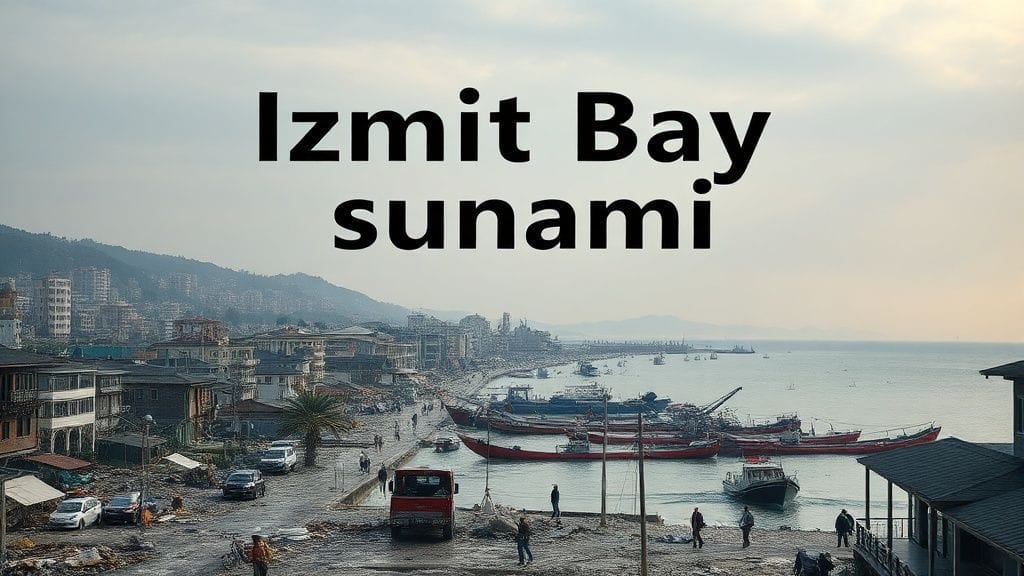
The tsunami’s impact was concentrated along the southern shores of the Marmara Sea, where small fishing villages and industrial towns bore the force. The narrow bays and harbors funneled the waves into destructive corridors.
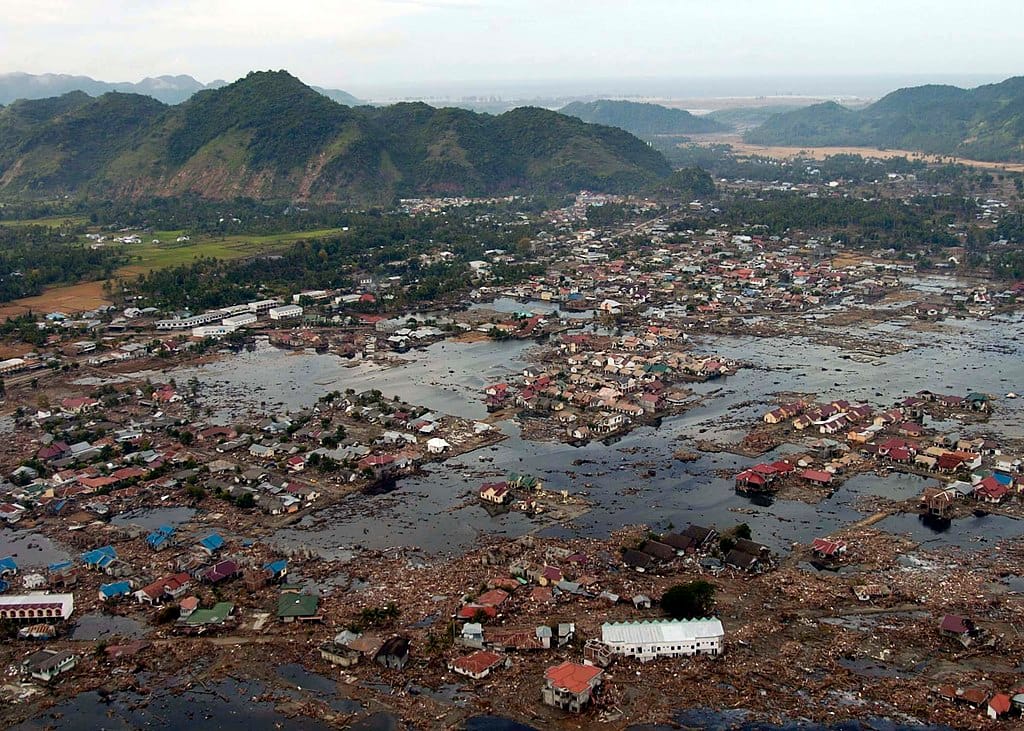
In places like Yalova, Gölcük, and Körfez, tidal surges toppled makeshift housing, demolished docks, and swept inland more than a kilometer in some pockets. Infrastructure damage disabled emergency communication lines, complicating rescue efforts. Furthermore, the tsunami’s arrival compounded the earthquake’s destruction—collapsed embankments and seawalls offered little protection against the sudden inundation.
The Official Response: Chaos, Courage, and the Struggle to Save Lives
When the first tremors ceased, the scale of devastation was staggering. Rescue services were overwhelmed, and in the absence of tsunami warning systems, local authorities struggled to assess the full extent of the disaster.
Turkey's government mobilized its military and civil defense units swiftly, dispatching search-and-rescue teams across the affected regions. Makeshift hospitals were erected, and international aid offers began pouring in. Despite logistical nightmares—collapsed roads and communication outages hampered efforts—the resolute spirit of rescuers saved many lives.
Prime Minister Bülent Ecevit called for national unity, stating, "Our country has faced trials before; this is another moment to rise together." Volunteer civilians, often working near past safety limits, risked their own lives to search for survivors buried in debris or stranded by floodwaters.
The Aftershocks: A Nation on Edge
The initial quake was followed by hundreds of aftershocks, some strong enough to trigger further collapses. Fear and uncertainty gripped survivors—homes and makeshift shelters were deemed unsafe, while the threat of additional tsunamis remained a haunting possibility.
Communities huddled together in open spaces despite the sweltering summer heat, as many preferred the open outdoors to cramped, precarious shelters. The psychological toll added up fast, with many reporting symptoms of trauma, sudden panic, and exhaustion.
Human Stories Amid the Rubble: Tales of Tragedy and Triumph
Among the tragedy emerged remarkable stories of survival and compassion. One such tale involves a schoolteacher named Elif Kaya, who risked her life retrieving children trapped in a collapsing building minutes before the tsunami hit her hometown.
Families pulled from the water clung to life by the thinnest of threads; fishermen caught their last breath clinging to overturned boats. International volunteers described the scenes as “heartbreaking,” yet filled with moments of profound human kindness—a mother sharing food with strangers, neighbors digging furiously to free a trapped elder.
Scientific Revelations: What the Tsunami Taught the World
For seismologists and oceanographers, the 1999 Izmit Bay tsunami was a critical moment for advancing understanding of earthquake-induced waves in strike-slip fault zones. Previously, it was believed such faults were unlikely to produce significant tsunamis.
The Izmit event challenged this assumption, leading to expanded research and the development of more nuanced models of tsunami genesis in inland seas with complex tectonic settings. It underscored the need for encompassing local geological assessments in nationwide disaster preparedness strategies.
International Aid and Solidarity: A Global Response to a Local Disaster
The scale of destruction transcended Turkey’s borders, prompting a global outpouring of assistance. Rescue teams, medical personnel, and humanitarian organizations arrived from Europe, the Middle East, and beyond.
Donations of food, water, medical supplies, and tents poured in. The United Nations played a coordinating role, while NGOs set up temporary shelters and psychological support centers. The tragedy became a moment of international solidarity, even as Turkey grappled with the enormity of the recovery ahead.
The Environmental Toll: Sea, Land, and People Transformed
The tsunami’s impact was not limited to human loss and structural damage. The sudden intrusion of seawater onto fertile lands triggered salinization, affecting agriculture for years. Fish populations shifted as the coastal ecosystems adjusted to the disruption.
Pollution from ruptured industrial facilities along the bay compounded the problem, introducing toxins into waters and soil. Birds and wildlife were displaced or perished—an ecological aftershock that illustrated the deep interconnectedness of humanity and nature when disaster strikes.
Rebuilding Izmit Bay: From Rubble to Resilience
In the years following, Turkey undertook a herculean task of reconstruction. New building codes were enforced rigorously, emphasizing seismic resilience and urban planning that respected geological realities.
Communities rebuilt homes, schools, and hospitals, often with a renewed commitment to safety. Economic recovery programs targeted the restoration of Izmit’s vital industries, particularly automotive and shipbuilding sectors, which had suffered heavy losses. The landscape around Izmit Bay slowly transformed, a testament to both loss and hope.
The Psychological Scars: Trauma and Healing in the Aftermath
The disaster left invisible but profound wounds. Survivors faced grief, survivor’s guilt, and anxiety. Mental health services, initially scarce, gradually received more attention.
Schools incorporated trauma counseling, and community programs helped foster resilience. Decades later, many still recall that terrifying night with a mix of sorrow and gratitude—sorrow for what was lost, gratitude for life and solidarity.
Policy Shifts and Preparedness: Lessons Etched in Stone and Memory
The events of August 17 spurred Turkey to overhaul its disaster preparedness framework. New agencies were created, early warning systems developed, and public education about earthquakes and tsunamis expanded.
Communities along the Marmara Sea now undergo regular drills, and emergency infrastructure investments have been prioritized. The Izmit disaster remains a somber catalyst for ongoing vigilance in a region where seismic hazards loom.
Remembering August 17: Memorials, Museums, and Collective Memory
Memorials now stand across the affected regions—silent guardians honoring the victims and reminding future generations of nature’s power. Annual ceremonies commemorate the loss, while museums curated exhibits detailing the science and stories of that fateful day.
These acts of remembrance foster collective grieving but also serve as instruments of education and resilience, ensuring the calamity’s lessons endure.
The 1999 Disaster in Turkish National Identity
The Izmit earthquake and tsunami occupy a significant place in Turkey’s contemporary history. Public discourse reflects a painful but necessary reckoning with infrastructure vulnerability, government response, and social cohesion.
The disaster spurred debates on modernization, governance, and the human cost of rapid, unchecked development, helping to shape a modern civic awareness around disaster risk.
Comparing the Izmit Bay Tsunami to Other Notable Tsunamis
Though smaller in scale than the catastrophic 2004 Indian Ocean tsunami, the Izmit Bay tsunami is important in understanding the diversity of tsunami sources. Unlike oceanic subduction zone events, it showcased the tsunami generation potential of strike-slip earthquakes, an insight now woven into global tsunami hazard assessment.
It stands alongside events like the 2011 Tohoku tsunami and the Cascadia Subduction Zone event as a critical chapter in the evolving history of natural disasters.
Current Risk and Future Prospects for the Region
The Marmara region remains a seismic hotspot, with experts warning that another large earthquake—and possible tsunami—could strike. Advances in monitoring and preparedness have improved, yet risk persists.
Urban density and industrial growth pose new challenges, making continued vigilance essential. Izmit Bay is both a warning and a beacon of resilience—a place where the past informs a cautious but hopeful future.
Conclusion
The 1999 Izmit Bay tsunami was more than a sudden natural calamity; it was a comprehensive awakening—revealing vulnerabilities not only in buildings and infrastructures but also in awareness and readiness. The earthquake and the accompanying waves swept away thousands of lives and livelihoods but also sparked a broad and enduring transformation in Turkey’s approach to disaster management.
Amid the rubble and loss, what stands out most is the human spirit: the courage of survivors, the dedication of rescuers, the generosity of neighbors and strangers alike. The tragedy etched in stone and memory reminds us that beneath the calmest waters, the earth’s fury can stir without warning—and that our resilience in the face of such fury ultimately defines us.
FAQs
Q1: What geological factors caused the Izmit Bay tsunami?
A1: The tsunami was triggered by a rupture along the North Anatolian Fault, a strike-slip fault beneath Izmit Bay, causing underwater landslides and sea floor displacement that generated waves along the coastline.
Q2: How many people were affected by the 1999 Izmit earthquake and tsunami?
A2: Over 17,000 people lost their lives in the earthquake, with thousands more injured or displaced. The tsunami, though smaller in scale, caused additional deaths and extensive property damage along the bay.
Q3: Was a tsunami warning system in place at the time?
A3: No comprehensive tsunami warning or early detection system existed in the Marmara region in 1999, which contributed to the suddenness and lethality of the tsunami event.
Q4: What lessons did Turkey learn regarding disaster preparedness?
A4: Turkey substantially improved building codes, emergency response coordination, public education, and developed early warning systems for both earthquakes and tsunamis following the disaster.
Q5: Are tsunamis common in the Marmara Sea region?
A5: Tsunamis are relatively rare but possible, especially linked to seismic activity along the North Anatolian Fault and submarine landslides in the Marmara Sea.
Q6: How did the international community respond?
A6: Many countries and organizations sent rescue teams, financial aid, and humanitarian supplies, helping to alleviate immediate suffering and support recovery.
Q7: What is the current risk of another Izmit-style disaster?
A7: The region remains seismically active, with experts warning that another devastating earthquake and potential tsunami could strike in the future.
Q8: How is the event remembered in Turkey today?
A8: Through annual commemorations, memorials, museums, and educational programs, the disaster is a key element of national memory and discourse on resilience.