Table of Contents
- A Silent Horror Awakens: The Dawn of the Japan Sea Tsunami
- Japan’s Tranquil Coastline Before the Catastrophe
- The Geopolitical and Geological Context of the Early 1980s Japan Sea
- The Unseen Power Beneath: Tectonic Forces and Submarine Earthquakes
- May 26, 1983: The Day When the Sea Turned against the Shores
- The Earth Trembles: The 7.7 Magnitude Earthquake That Triggered the Wave
- First Signs: How the Tsunami Arrived on Japan’s West Coast
- The Villages and Towns Swept Away: Heartbreaking Stories from the Shoreline
- The Human Toll: Lives Lost, Families Shattered
- Government Response: The Challenges of an Unexpected Disaster
- Scientific Breakthroughs: How 1983 Transformed Japan’s Tsunami Research
- Community Resilience: Tales of Survival and Solidarity
- The Economic Aftershock: Damage, Reconstruction, and Recovery
- Lessons Etched in Stone: Impact on Japan’s Disaster Preparedness Policies
- The Legacy of the 1983 Japan Sea Tsunami on Global Disaster Awareness
- Remembering the Event: Memorials, Museums, and Oral Histories
- Japan’s Coastal Culture After the Tsunami: Between Fear and Reverence
- What if the Warning Had Come Earlier? Reflections on Early Warning Systems
- The Role of Media and Communication in the Aftermath
- International Cooperation in Disaster Response: Seeds Sown in 1983
- A Natural Warning: Modern Earthquake and Tsunami Monitoring in the Japan Sea
- The 1983 Tsunami in Popular Culture and Literature
- Debates and Controversies: Scientific and Political Discussions Post-Disaster
- How Has the 1983 Disaster Shaped Japan’s National Identity?
- Looking Forward: Insights for Future Generations
A Silent Horror Awakens: The Dawn of the Japan Sea Tsunami
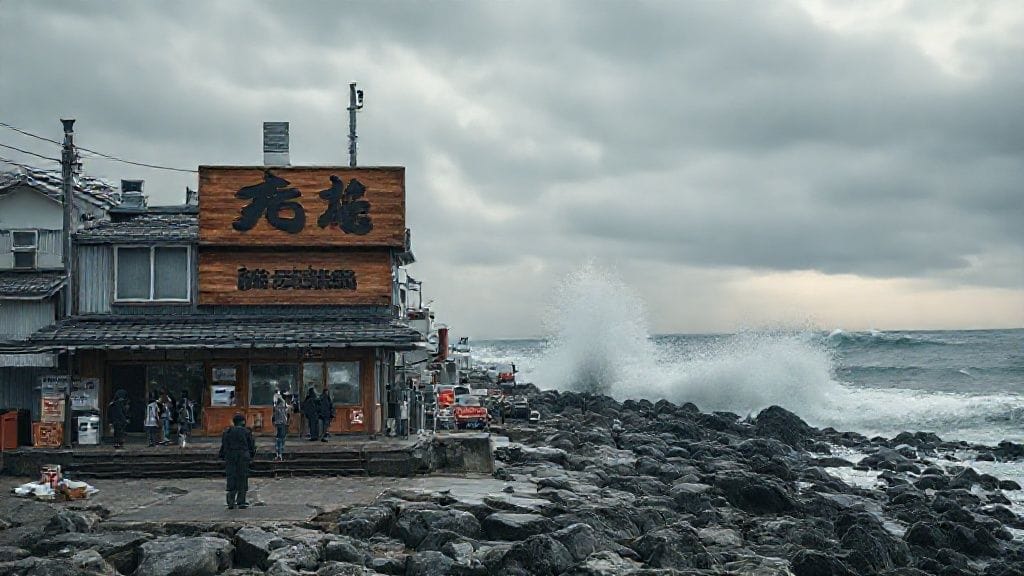
It began with a rumble beneath the water that few could hear—a subtle groan of the earth shifting in the dark depths of the Japan Sea. The air was still on the morning of May 26, 1983, along the western coasts of Honshu, Japan’s largest island. Fishermen prepared their nets, children played near the quiet shores, and neighbors greeted each other with the usual warmth of spring’s promise. The sea, calm and unassuming, hid a secret growing stronger with every second. Then, suddenly, it was no longer the familiar friend but a relentless force, a towering wall of water hurtling towards the coast with devastating speed.
This is the story of the Japan Sea Tsunami of 1983, a natural disaster that carved pain and resilience deep into the hearts of those who lived through it—and left an indelible imprint on Japan’s understanding of its geological reality. This tsunami was different: swift, massive, and a stark reminder of the earth’s staggering power lurking beneath serene surfaces. Joining personal testimonies, scientific analyses, and cultural reflections, we peel back the layers of this tragic event to understand not only what happened on that fateful day but what it came to represent for a nation shaped by the sea.
Japan’s Tranquil Coastline Before the Catastrophe
In the spring of 1983, the coasts along the Sea of Japan—stretching from Ishikawa to Akita—were a patchwork of tranquil fishing villages and burgeoning small towns. Life here was tied intimately to the rhythms of the ocean, its tides dictating livelihoods and traditions. The sea was both sustenance and sanctuary, embedding itself in daily scenes of children darting among fishing boats, steam rising from hot springs inland, and merchants organizing fresh catches at the markets.
Despite Japan’s well-known seismic volatility, the western coastlines along the Sea of Japan experienced relatively fewer shocks compared to the Pacific side. The residents often regarded the region as peaceful, almost settled in contrast to the more disaster-prone eastern shores. This sense of security, however, was fragile, built on the assumption that such catastrophic tsunamis resulted mainly from Pacific Rim events, not from the waters inside the Japan Sea itself.
The Geopolitical and Geological Context of the Early 1980s Japan Sea
Japan in the early 1980s was a nation poised in a remarkable economic ascension. The global Cold War shadow loomed, but within its borders, rapid technological growth painted streets with neon lights and promises for the future. Coastal towns along the Japan Sea balanced modernity and tradition, often isolated yet proud of their cultural heritage. Yet beneath this vibrant surface, the very bones of the earth offered a different narrative.
Geologically, the Japan Sea occupies a unique space. Formed through complex tectonic processes, it lies along the converging boundaries of the Eurasian, North American, and Philippine Sea plates. This confluence is riddled with faults—some well understood, others less so—that have the potential to unleash powerful seismic disturbances. For years, Japanese geologists had studied more famous subduction zones along the Pacific, but the relatively “quiet” western belt was still a frontier of knowledge.
The Unseen Power Beneath: Tectonic Forces and Submarine Earthquakes
The Japan Sea sits atop a volatile underworld shaped by the relentless dance of tectonic plates. Underwater faults crisscross the seabed, storing tension, like a wound that tightens with time. The resulting seismic activity is usually moderate, but occasionally, the earth releases energy with startling force.
The 1983 incident was triggered by a colossal submarine earthquake measuring magnitude 7.7, located near the Ishikawa Prefecture’s offshore fault lines. Such a tremor was not unprecedented but had rarely generated such a devastating tsunami in this part of Japan. The mechanics were clear to seismologists: the sea floor abruptly shifted, displacing vast amounts of water, initiating waves that raced toward the coast with deadly speed.
May 26, 1983: The Day When the Sea Turned against the Shores
Monday, May 26, arrived quietly. At 11:36 AM, without warning, the earth beneath the Sea of Japan jolted. The initial quake rattled buildings, sending items crashing to the floor and people scurrying to safety. But the true peril was just beginning.
Within minutes, eyewitnesses recall hearing a low roar—an ominous sound unlike any ordinary oceanic noise—and then the water began to pull back unnaturally from the shoreline. This sudden recession was the tsunami’s ominous harbinger.
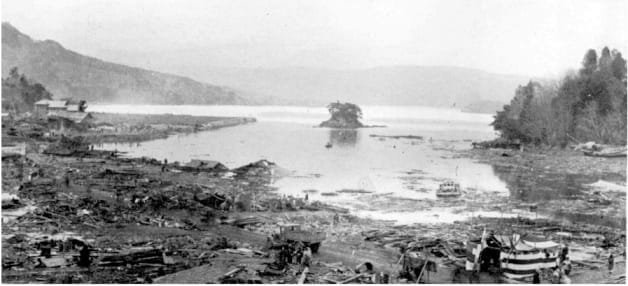
Then, with a shock that shook the very air, the monstrous wave surged forward. In some places, it reached heights of up to 10 meters (over 30 feet), swallowing fishing boats, houses, and entire stretches of coastline in a matter of moments.
The Earth Trembles: The 7.7 Magnitude Earthquake That Triggered the Wave
The earthquake that shook the Japan Sea is still remembered for its intensity and suddenness. A seismograph from the University of Tokyo captured the raw power precisely—a 7.7 magnitude means a release of energy equivalent to tens of millions of tons of TNT exploding simultaneously. Many coastal residents described the shaking lasting for nearly a minute, long enough to evoke both awe and terror.
Geologists later identified the quake as originating from a blind thrust fault—fault lines beneath the seabed that slip without reaching the surface—which helped explain why the tsunami struck with such unexpected force and timing.
First Signs: How the Tsunami Arrived on Japan’s West Coast
The earliest warning came not from scientific instruments but from nature itself—a sudden retreat of the sea. According to survivors, the water pulled back to an extraordinary degree, exposing reefs and sea beds normally hidden from sight. Some people, aware of local lore, fled immediately; others were caught unprepared, curious or complacent about what they saw.
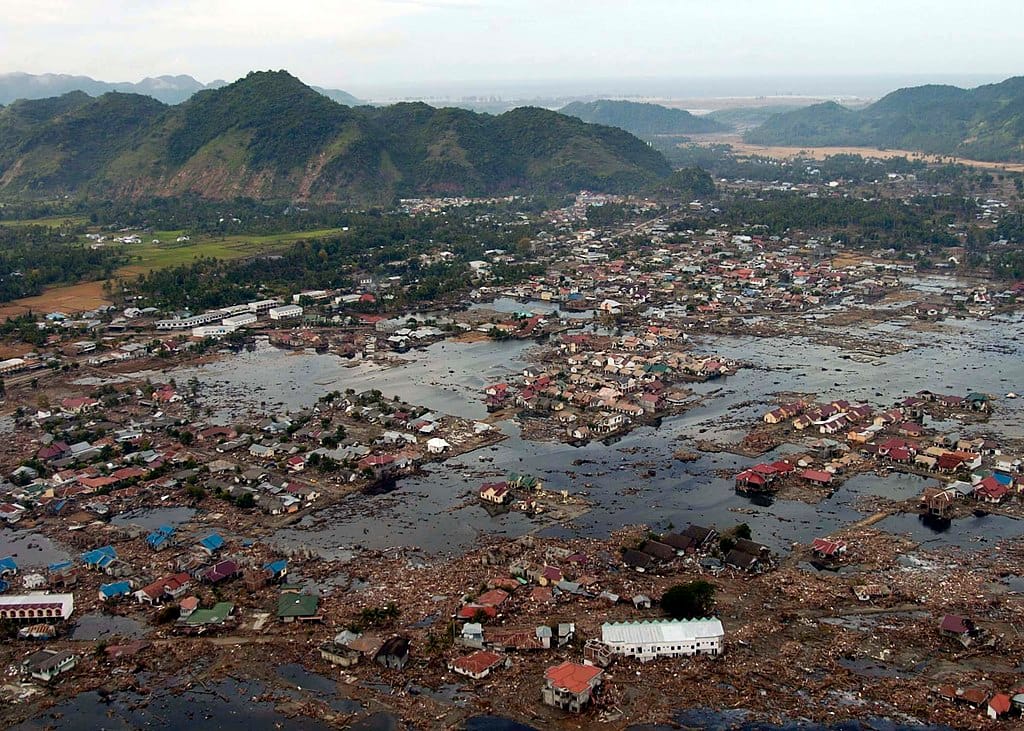
Within ten to fifteen minutes, the first high waves hit. Villages were inundated quickly. Boats moored near docks tipped and wrecked. The wave was not a gentle swell but a towering, powerful wall of water carrying debris of all kinds. Entire fishing communities found their homes swallowed by the ocean in terrifying minutes.
The Villages and Towns Swept Away: Heartbreaking Stories from the Shoreline
Communities such as Wajima and Nanao bore the brunt of the disaster. Local histories recount how entire streets vanished, families wiped out overnight. One widely retold story is that of a school ferrying children on a routine morning trip, interrupted by the tsunami’s sudden arrival. Thanks to quick action by teachers who recognized the signs, many children escaped to higher ground, yet the emotional scars remained.
Elderly residents, fishermen, merchants—all witnessed their livelihoods vanish beneath the waves. In a region often characterized by quiet dignity and close-knit relationships, the disaster imparted a communal grief that would last generations.
The Human Toll: Lives Lost, Families Shattered
Tragically, the tsunami claimed approximately 100 lives, though numbers vary slightly due to some victims never accounted for. Beyond the statistics were untold stories of sorrow: parents searching for children, spouses torn apart, and the silent suffering of survivors watching their ancestors’ homes drown.
The scale of disruption extended beyond death. Thousands were displaced, losing treasured possessions and facing uncertain futures without adequate shelter or resources.
Government Response: The Challenges of an Unexpected Disaster
Japan’s government reacted swiftly, mobilizing rescue teams and deploying the Self-Defense Forces to affected areas. Yet the tsunami struck with a speed that left little room for organized evacuation. The lack of an effective early warning system for this specific region was painfully evident.
Aid distribution faced obstacles—damaged infrastructure, roads blocked by debris, and communities cut off by floods. Still, grassroots volunteers and municipal workers displayed remarkable courage and compassion, embodying a spirit of unity even in the face of calamity.
Scientific Breakthroughs: How 1983 Transformed Japan’s Tsunami Research
The 1983 Japan Sea tsunami was a catalyst for a revolution in earthquake and tsunami science. Researchers analyzed data to understand the mechanisms behind such offshore tremors and their tsunami potential.
Japanese oceanographers established comprehensive underwater seismic networks, improving real-time monitoring of submarine fault lines. Computer simulations replicated the wave’s behavior, informing new predictive models.
This event changed Japan’s scientific community’s focus by proving that even less-studied inland seas required robust surveillance — a legacy that would save millions in the decades to come.
Community Resilience: Tales of Survival and Solidarity
Amid the ruin, stories of human resilience emerged. Some families lost everything but found strength in cooperation with neighbors and strangers. Small coastal towns organized themselves to rebuild—even before government aid arrived—raising new homes and restoring communal spaces.
This sense of solidarity became a lifeline, weaving new social bonds out of destruction’s fabric. Annual commemorations began to honor those lost but also celebrate survival, reinforcing collective memory and identity.
The Economic Aftershock: Damage, Reconstruction, and Recovery
The tsunami caused severe damage to fishing fleets, harbors, infrastructure, and farmlands adjacent to the coast. Repair costs stretched municipal budgets and slowed economic activity in some regions for years.
Government-backed reconstruction programs poured resources into rebuilding sea walls, modernizing ports, and reinforcing emergency facilities. The process was slow but determined, with a focus on sustainable development that could better withstand future disasters.
Lessons Etched in Stone: Impact on Japan’s Disaster Preparedness Policies
One of the most profound effects of the 1983 disaster was on policy. Recognizing gaps in warning systems and evacuation procedures, Japanese authorities implemented a series of reforms.
The Japan Meteorological Agency expanded its tsunami warning network, specifically including inland seas and areas previously considered low risk. Public education campaigns intensified, teaching citizens to recognize tsunami signs and evacuate promptly.
These lessons would echo decades later, especially during the tragic 2011 Tōhoku tsunami.
The Legacy of the 1983 Japan Sea Tsunami on Global Disaster Awareness
While often overshadowed internationally by Pacific Rim disasters, the 1983 Japan Sea tsunami helped refocus global attention on lesser-known seismic hotspots.
International collaborations in seismology deepened, encouraging data sharing and mutual aid agreements. The event demonstrated the necessity of inclusive disaster planning—not only for high-risk belts but also for “unexpected” zones.
Remembering the Event: Memorials, Museums, and Oral Histories
Throughout the affected regions, memorials have been erected to honor the victims. Museums feature exhibits capturing personal stories, artifacts preserved in time, and scientific explanations.
Communities maintain oral history traditions, passing down stories from survivors to new generations—an invaluable human dimension reminding all about nature’s dual beauty and fury.
Japan’s Coastal Culture After the Tsunami: Between Fear and Reverence
The tsunami not only altered the physical landscape but permeated cultural consciousness. Coastal rituals and festivals began incorporating elements of remembrance and caution.
The sea—once seen solely as a giver of life—also became a symbol of respect and wary humility. Fishermen adjusted practices, and architects incorporated disaster-resistant features into coastal homes, blending tradition with modernity.
What if the Warning Had Come Earlier? Reflections on Early Warning Systems
Many survivors reflect on the critical role early warnings could have played. The tsunami’s sudden onset highlighted a vulnerability still being addressed.
Japan’s ongoing investment in technologies such as coastal sensors, seismic stations, and AI-based modeling trace their origins to the hard-earned knowledge of events like 1983’s tsunami—turning catastrophe into precaution.
The Role of Media and Communication in the Aftermath
News coverage of the disaster mobilized national sympathy, but limitations in communication technology slowed information flow in 1983.
The tsunami prompted improvements in emergency broadcasting and coordination protocols, ensuring that future alerts would travel faster and reach more people reliably.
International Cooperation in Disaster Response: Seeds Sown in 1983
Japan’s experience inspired regional cooperation in the North Pacific area. Collaborative tsunami warning systems took shape, integrating data from Russia, Korea, Japan, and others.
International organizations began emphasizing the sharing of knowledge as a vital tool against shared natural threats.
A Natural Warning: Modern Earthquake and Tsunami Monitoring in the Japan Sea
Today, advanced technology monitors the Japan Sea with unprecedented precision: seabed pressure sensors, GPS arrays, and satellite data create real-time pictures of seismic activity.
This network would have been unthinkable without the hard lessons of 1983, transforming ancient fears into calculated vigilance.
The 1983 Tsunami in Popular Culture and Literature
The tsunami’s imprint endures in Japanese art, literature, and film. Poets wrote elegies for lost villages; filmmakers crafted documentaries retelling survivor experiences.
These portrayals keep alive both tragedy and heroism, bridging past and present for audiences who may never witness such horror but can feel its echoes.
Debates and Controversies: Scientific and Political Discussions Post-Disaster
The disaster sparked debates: was the government sufficiently prepared? Were warnings delayed? How much could human error be blamed?
Scientific communities also debated tsunami genesis models. This discourse fueled improvements but also revealed tensions inherent in disaster politics.
How Has the 1983 Disaster Shaped Japan’s National Identity?
The event deepened Japan’s collective consciousness of vulnerability and resilience—a paradox central to its ongoing narrative.
The tsunami became a symbol of unity in crisis and a call to balance progress with respect for nature’s unpredictability.
Looking Forward: Insights for Future Generations
Decades later, the Japan Sea tsunami of 1983 stands as both warning and lesson. It reminds humanity that beneath calm waters may lie untold dangers and that preparedness is a continuous journey.
Emerging technologies, communal memories, and international solidarity promise a future where such tragedies can be faced with courage and care—and perhaps mitigated before they claim more lives.
Conclusion
The Japan Sea tsunami of May 26, 1983, was far more than a natural disaster: it was a profound turning point in Japan’s relationship with the sea and the earth beneath it. From the first terrifying moments of the earthquake and the monstrous waves that crashed onto unsuspecting shores, to the years of rebuilding and reflection that followed, this event reshaped not only landscapes but minds and policies.
What lingers most are the human stories—the resilience of fishing families forced to start anew, the communities pulled together by shared loss and hope, the scientists racing to decode the earth’s signs to save future generations. The tsunami’s legacy teaches us about the delicate balance of life, the power of nature’s fury, and the indomitable spirit of those who face it.
As Japan continues to live with the threat and majesty of the ocean, the memories of 1983 remain etched in history—a beacon guiding preparedness, compassion, and understanding for what must never be forgotten.
FAQs
Q1: What caused the 1983 Japan Sea tsunami?
A1: The tsunami was triggered by a magnitude 7.7 earthquake on a submarine fault beneath the Japan Sea near Ishikawa Prefecture. The sudden displacement of the sea floor caused large waves that reached the western coasts of Honshu.
Q2: How many people were affected by the tsunami?
A2: Approximately 100 people lost their lives, with thousands injured or displaced. Entire fishing communities were severely impacted, suffering loss of property and livelihoods.
Q3: Why was there no early warning for this tsunami?
A3: At that time, Japan’s tsunami warning system was mostly focused on the Pacific coast. The Japan Sea region was considered lower risk, and monitoring networks there were less developed, leading to limited early warnings.
Q4: How did this event influence Japan’s disaster preparedness?
A4: It spurred significant improvements in the tsunami warning network, expanded monitoring into the Japan Sea, and increased public education about evacuation and natural warning signs.
Q5: Are there memorials dedicated to the victims?
A5: Yes, numerous memorials exist along the affected coasts, preserving the memory of those lost and serving as places of reflection and education.
Q6: What scientific developments emerged after the tsunami?
A6: Enhanced tsunami prediction models, expanded seabed seismic sensors, and the use of computer simulations all grew out of research conducted following the 1983 event.
Q7: How did the tsunami affect Japan’s cultural perspective on the sea?
A7: It deepened respect and cautious reverence towards the sea, embedding disaster awareness into cultural rituals, storytelling, and community practices.
Q8: Is the Japan Sea still at risk for similar tsunamis today?
A8: Yes. The region remains tectonically active. However, improved monitoring and preparedness measures reduce risk and improve response for any future events.