Table of Contents
- The Dawn of Disaster: Morning of April 4, 1905
- The Kangra Valley Before the Quake: Life Amidst the Himalayas
- Earth’s Fury Awakens: The Tremors Begin
- The Earthquake Unfolds: Minutes that Changed Everything
- Immediate Aftermath: Chaos and Devastation
- The Human Cost: Stories of Loss and Survival
- Rescue Efforts and Relief Operations: A Race Against Time
- The British Raj’s Response: Administration Amidst Catastrophe
- Scientific Understanding in 1905: Seismology at its Dawn
- The Geography of Destruction: Why Kangra Suffered So Severely
- Impact on Kangra’s Cultural Heritage: Lost Temples, Ruined Monasteries
- The Quake’s Ripple Effects: Economy and Society in Turmoil
- Personal Accounts: Voices from the Ground
- Rebuilding the Valley: Recovery and Resilience
- Memory and Commemoration: How Kangra Remembers
- Lessons Learned: Earthquake Preparedness and Mitigation Post-1905
- The Kangra Earthquake in a Global Context: Comparing Great Seismic Events
- The Role of Media: How News Spread in a Pre-Digital Age
- The Earthquake’s Place in Indian History: A Turning Point
- Conclusion: The Indomitable Spirit of Kangra
- FAQs: Understanding the Kangra Earthquake
- External Resource
- Internal Link
1. The Dawn of Disaster: Morning of April 4, 1905
The dawn in Kangra valley rose like any other early spring morning, crisp but buzzing with life. Fishermen prepared their nets by the riverside, children chased one another through narrow alleyways, and the shrines perched precariously among towering deodars witnessed the flickering flame of fading oil lamps purify the air. But beneath the serene blue skies, a violent force stirred silently, waiting to unleash its catastrophic power.
At precisely 5:18 am local time, the earth beneath Kangra shuddered violently. Initially, a deep rumble echoed across the valley, a sound more ancient than the tallest Himalayan peaks. Then, the ground began to break apart, walls collapsed with terrifying suddenness, and thousands were thrown into chaos—some awake in their beds, others in the middle of their morning rituals. It was the Kangra earthquake, one of the deadliest and most devastating tremors ever recorded on Indian soil.
That moment marked an irrevocable break from normalcy, plunging an entire region into horror and despair. But more than destruction, it revealed human resilience and the complex interplay of nature, empire, and community in the early twentieth century.
2. The Kangra Valley Before the Quake: Life Amidst the Himalayas
Nestled in the foothills of the western Himalayas, Kangra was a region of breathtaking natural beauty and ancient cultural vibrancy. The valley, a lush stretch of fertile land cradled by majestic mountains, was home to diverse communities—Hindus, Buddhists, and Sikhs, living mainly as farmers, artisans, and traders.
The British Indian administration administered Kangra district as part of Punjab Province, a patchwork of colonial bureaucracy layered over indigenous customs. The towns were dotted with temples commemorating deities like Jwalamukhi—whose sacred flame had burned for centuries—and monasteries that echoed with chants and festivals.
Life was simple but vibrant, tied deeply to the rhythm of the seasons, the river’s flow, and spiritual devotion. The architecture, built mostly from stone and timber, reflected both local traditions and colonial influences. But these structures, for all their beauty and utility, had little preparation for nature’s coming wrath.
3. Earth’s Fury Awakens: The Tremors Begin
Seismologists today know that the Kangra earthquake stemmed from tectonic collisions along the Himalayan Frontal Thrust—where the immense Indian plate pushes beneath the Eurasian plate, thrusting mountains skyward and storing seismic tension over decades.
On that cool April morning, the energy pent up beneath these fault lines ruptured suddenly. The tremors radiated outward with a magnitude estimated around 7.8 on the Richter scale—though precise measurement tools were not yet fully developed.
Villagers and townsfolk first heard an unnatural roar, a sound described later as “like a thousand cannons going off simultaneously.” The earth rolled in waves; ground liquefied in some areas, swallowing crops and houses. Chimneys toppled, water wells cracked, and many feared the valley itself was splitting apart.
4. The Earthquake Unfolds: Minutes that Changed Everything
For approximately 15 seconds—an eternity in moments torn from calm—Kangra shuddered violently. The quake’s intensity was uneven but merciless, striking hardest in Kangra town, Dharamshala, and surrounding villages.
In Kangra town, entire marketplaces crumbled. The historic fort, thick with centuries of history, was reduced to piles of rubble. Homes fashioned in traditional stone masonry, unable to withstand lateral shaking, collapsed, trapping families beneath debris.
In Dharamshala, then a quiet hill station favored by British officers, buildings swayed like saplings in a storm. Many colonial structures survived but with severe damage.
Those who had the presence of mind fled into open spaces, to avoid death by falling masonry. But for many, there was no escape.
5. Immediate Aftermath: Chaos and Devastation
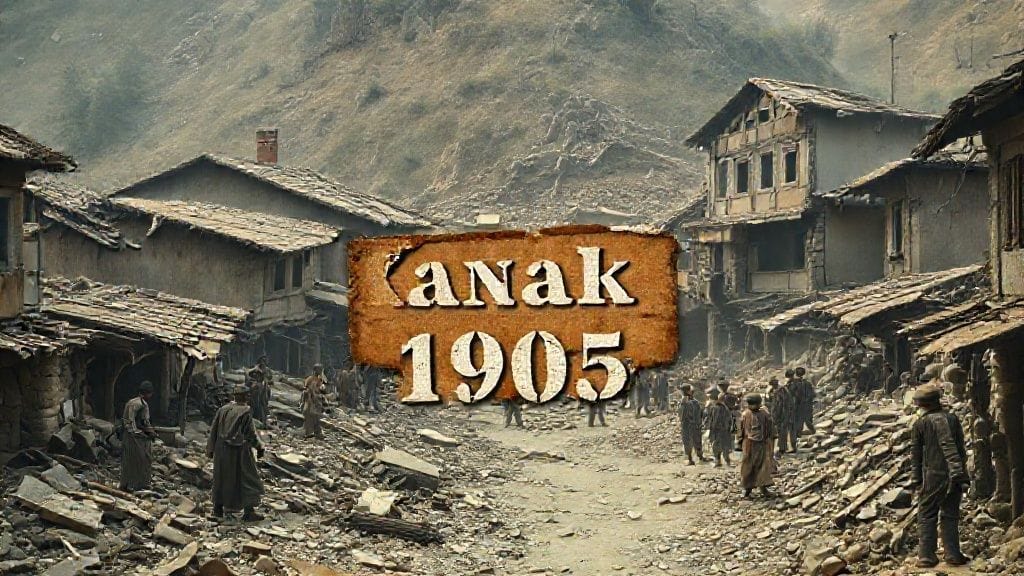
When the shaking stopped, a stunned silence filled the valley. The air was thick with dust and the acrid smell of broken wood and stone. Cries pierced the stillness—people trapped, injured, grieving loved ones, or scavenging for water.
Rescue attempts began amidst aftershocks, which themselves caused further destruction and panic. Some frightened animals fled into the wild; others perished under debris, adding to the grim toll.
Roadways cracked, isolating communities and thwarting early relief efforts. Telegraph lines, the backbone of communication, were severed. The region slipped into a terrifying limbo, with survivors left to navigate a ruined landscape.
6. The Human Cost: Stories of Loss and Survival
The official death toll for the Kangra earthquake ranges from 19,800 to over 20,000, but the true number could never be fully documented due to mass burials and isolated communities.
Among the stories etched into memory is that of a small schoolhouse where a teacher shielded her students with her own body; many survived, but she did not. Another tale tells of a caravan caught midway through the valley—some traders lost everything but managed to survive by clinging to river banks.
The emotional devastation was immense. Entire families were wiped out, or left shattered and homeless. The loss transcended numbers; it echoed across generations in trauma and rebuilding.
7. Rescue Efforts and Relief Operations: A Race Against Time
Once news of the earthquake leaked beyond Kangra, the British colonial administration mobilized resources quickly—though limited by the era’s transportation and communication infrastructure.
Military units were dispatched to provide medical aid, secure the area, and distribute relief. Makeshift hospitals emerged under tents; food and clothing were brought from nearby cities like Amritsar. Missionaries and local volunteers joined the efforts, embodying solidarity amid wreckage.
Despite logistical challenges—battered roads, ongoing aftershocks, insufficient medical supplies—the commitment to mitigate the catastrophe’s impact saved many lives.
8. The British Raj’s Response: Administration Amidst Catastrophe
The disaster struck during a challenging period for British India, just as nationalist movements gained momentum. The earthquake offered the colonial government both a humanitarian test and a political challenge.
Authorities balanced displaying competence in relief with maintaining control over a destabilized population. Reports sent to Delhi and London emphasized prompt action, but criticism arose over inadequate preparedness and slow reconstruction.
The Kangra earthquake incidentally influenced colonial policies on disaster management, pushing for better mapping of seismic risks and improved building codes.
9. Scientific Understanding in 1905: Seismology at its Dawn
In the early 20th century, seismology was still an emerging science. The Kangra earthquake became one of the earliest seismic events to be recorded and studied with modern instruments installed in India and the West.
Although lacking the precision of today’s tools, data collected helped deepen understanding of Himalayan tectonics. Scientists began recognizing the relationship between the great mountain-building processes and the seismic hazards inherent in the region.
This event catalyzed growth in geological research and positioned India as a critical area for earthquake studies.
10. The Geography of Destruction: Why Kangra Suffered So Severely
Kangra’s unique geology contributed to the scale of destruction. The valley’s alluvial deposits, loose soil covering a brittle bedrock, amplified the shockwaves, a phenomenon known today as soil liquefaction.
Many villages lay on these unstable grounds, where buildings had no earthquake-resistant designs. Steep mountain slopes also gave way to landslides, blocking pathways and adding to death tolls.
Thus, the disaster was as much a product of human settlement patterns and geography as of tectonic forces—foreshadowing modern concerns about urban planning in hazard zones.
11. Impact on Kangra’s Cultural Heritage: Lost Temples, Ruined Monasteries
Kangra’s cultural landscape bore heavy scars. The hillocks were crowned by shrines and temples containing priceless idols and frescoes.
The centuries-old Jwalamukhi Temple, famed for its eternal flame, suffered damage but remained standing, serving as a symbol of endurance. However, many smaller temples crumbled, their artistry lost or irreparably damaged.
Monasteries housing Buddhist relics also faced destruction, affecting communities spiritually and economically tied to pilgrimage and ritual.
12. The Quake’s Ripple Effects: Economy and Society in Turmoil
Beyond immediate destruction, the quake shattered local economies. Crop fields were disturbed, water sources contaminated, and trade routes disrupted for months.
Farmers faced loss of seed stocks and livestock. Merchants saw their warehouses destroyed, and artisans lost tools and markets.
The social fabric strained under pressure—displaced families relocated; traditional caste and community hierarchies faced new challenges. Yet, the trauma also inspired collective efforts to rebuild, negotiate aid, and rethink future vulnerabilities.
13. Personal Accounts: Voices from the Ground
Historical archives and oral traditions preserve harrowing testimonies. One elderly man recounted feeling “the earth breathe like a great beast, swallowing the land beneath my feet.”
A British officer wrote in a telegram: “The town lies in ruins; at every turn, grief and desperation entwined with courage. Men dig desperately for survivors as hope flickers.”
Women’s voices reveal the compounded vulnerability and strength: “In the aftermath, we found solace in song and prayer, sharing what little remained.”
These human stories transform dry statistics into living memory.
14. Rebuilding the Valley: Recovery and Resilience
Recovery was neither swift nor easy. With architecture in ruins, temporary shelters sprang up beside piles of stones.
The British administration introduced some reconstruction guidelines emphasizing sturdier construction. Local craftsmen blended traditional techniques with new approaches to withstand future quakes.
Communities organized mutual aid; religious festivals resumed as acts of healing. Over years, Kangra slowly reclaimed its vigor, a testament to resilience over adversity.
15. Memory and Commemoration: How Kangra Remembers
The earthquake left a permanent mark on collective memory. Annual commemorations and grassroots memorials honor those lost.
The disaster inspired poetry and songs in local dialects, embedding the quake in cultural consciousness.
Schools and institutions incorporate the event in their histories, ensuring younger generations understand the fragility of life and power of endurance.
16. Lessons Learned: Earthquake Preparedness and Mitigation Post-1905
One silver lining was the impetus to improve seismic awareness. The Kangra earthquake prompted scientific and administrative calls for better hazard mapping.
Building codes slowly evolved, recommending the use of lighter materials and more flexible designs.
Educational campaigns advised populations on earthquake safety. While these measures remained limited under colonial rule, they laid groundwork influencing post-independence disaster management.
17. The Kangra Earthquake in a Global Context: Comparing Great Seismic Events
Compared to other major earthquakes—such as the 1906 San Francisco or 1755 Lisbon quakes—Kangra’s was less globally publicized but equally significant regionally.
Its death toll ranks among India’s deadliest, rivalled only by later catastrophes like the 1934 Nepal–Bihar quake.
In terms of scientific impact, Kangra stands as an early landmark in Himalayan seismic research, helping shape global understanding of mountain-building earthquakes.
18. The Role of Media: How News Spread in a Pre-Digital Age
In 1905, news traveled slowly. Telegraphs and newspapers relayed initial reports weeks after the quake. Word of mouth, letters, and missionary networks spread stories farther afield.
The colonial press framed the disaster with a tone of melancholic duty, emphasizing British aid efforts while highlighting native suffering.
These early media narratives influenced public perceptions and relief funding outside India.
19. The Earthquake’s Place in Indian History: A Turning Point
Beyond natural disaster, the Kangra earthquake intersected with India’s colonial and social history.
It tested imperial governance, exposed infrastructural weaknesses, and provoked emergent Indian voices advocating for local agency in disaster responses.
The event foreshadowed 20th-century themes: modernization versus tradition, nature’s unpredictability, and the harsh realities of imperial rule in times of crisis.
20. Conclusion: The Indomitable Spirit of Kangra
The Kangra earthquake of 1905 was a rupture not only of earth but of an era—shattering structures, lives, and certainties. Yet from the ruins rose a story of human endurance, of communities binding together to face unimaginable loss.
It is a lesson in humility before nature’s immense power and in the lasting strength of culture, hope, and cooperation. Kangra stands today not just as a geographical place but a symbol of resilience, etched forever in history’s mantle.
FAQs: Understanding the Kangra Earthquake
Q1: What caused the Kangra earthquake of 1905?
A1: The earthquake was caused by the sudden release of tectonic stress along the Himalayan Frontal Thrust, where the Indian plate presses beneath the Eurasian plate, a zone of intense geological activity.
Q2: How strong was the earthquake?
A2: Estimated at around 7.8 magnitude on modern scales, the quake was powerful enough to cause widespread destruction over a large area.
Q3: What was the death toll of the earthquake?
A3: Official records suggest nearly 20,000 deaths, but the actual number might be higher due to remote areas and incomplete records.
Q4: How did the British colonial authorities respond?
A4: They deployed rescue and relief efforts, provided medical aid, and initiated rebuilding programs, though with limitations and criticism over delays and preparedness.
Q5: What were some of the long-term effects on the Kangra region?
A5: Social disruption, economic hardship, changes in architecture, and increased scientific interest in earthquake risk characterized the aftermath.
Q6: How is the earthquake remembered today?
A6: Through annual commemorations, cultural expressions, historical research, and public education on disaster preparedness.
Q7: Did the earthquake influence earthquake science?
A7: Yes, it contributed valuable data to early seismology, particularly regarding Himalayan tectonics.
Q8: Are there monuments or memorials for the victims?
A8: While no single large monument exists, several local memorials and cultural remembrances honor those lost.