Table of Contents
- The Morning the Ocean Turned Furious: December 26, 2004
- A Calm Coastline Shattered: The Initial Impact on Kenya and Tanzania
- Beneath the Waves: The Geological Origins of the Indian Ocean Tsunami
- The Megaquake That Sent Shockwaves Across the Globe
- Warning Signs Ignored: The Absence of an Early Warning System in East Africa
- Coastal Communities in Peril: Lives Forever Changed in Kenya and Tanzania
- Human Stories of Survival and Loss Along the African Shores
- Regional Response: Governments Wrestle with an Unprecedented Disaster
- International Aid and the Global Outpouring of Solidarity
- The Environmental Toll: Coral Reefs, Mangroves, and Marine Life Devastated
- Economic Aftershocks: Fisheries, Tourism, and Livelihoods in Ruins
- Lessons from the Depths: The Birth of Early Warning Systems in the Indian Ocean
- Cultural Memory and Commemoration: How Tanzania and Kenya Remember
- Unexpected Legacies: Scientific Advances and Regional Cooperation
- Reflecting on the 2004 Tsunami: A Turning Point for East Africa’s Resilience
The Morning the Ocean Turned Furious: December 26, 2004
The dawn of December 26, 2004, broke quietly over the eastern coast of Africa, where the turquoise waters of the Indian Ocean kissed sandy beaches stretching from Tanzania’s Zanzibar archipelago up to the coastal cities of Kenya. Fishermen prepared their boats, children played on golden shores, and markets bustled with the hum of everyday life. Yet beneath that serene surface, the earth was already trembling thousands of kilometers away.
At 7:58 AM GMT, a catastrophic undersea earthquake—one of the largest ever recorded—ruptured the floor of the Indian Ocean near the west coast of Sumatra, Indonesia. The geological upheaval displaced vast volumes of water, unleashing a series of tsunamis that radiated outward in all directions. Among the distant shores struck was East Africa.
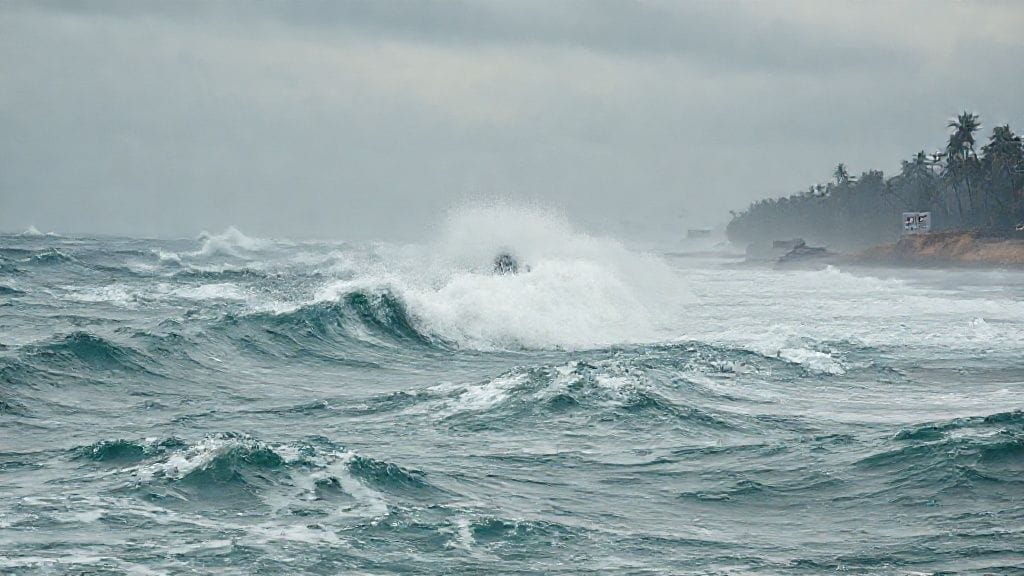
Here, where the ocean had long been a provider and protector, hope would quickly turn to horror. The tsunami waves, quietly swelling as they crossed the vast expanse of the ocean, finally reached Kenya and Tanzania’s coasts several hours later. The powerful surge devastated communities unprepared for this sudden assault, leaving scars that remain deeply etched in local memory and history.
A Calm Coastline Shattered: The Initial Impact on Kenya and Tanzania
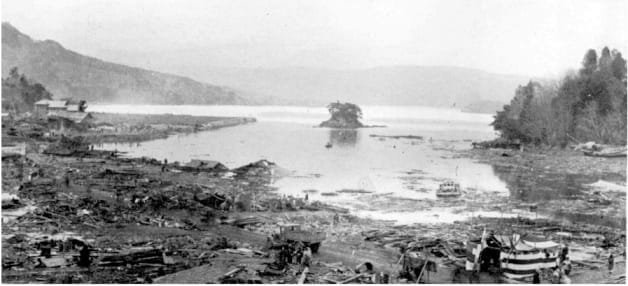
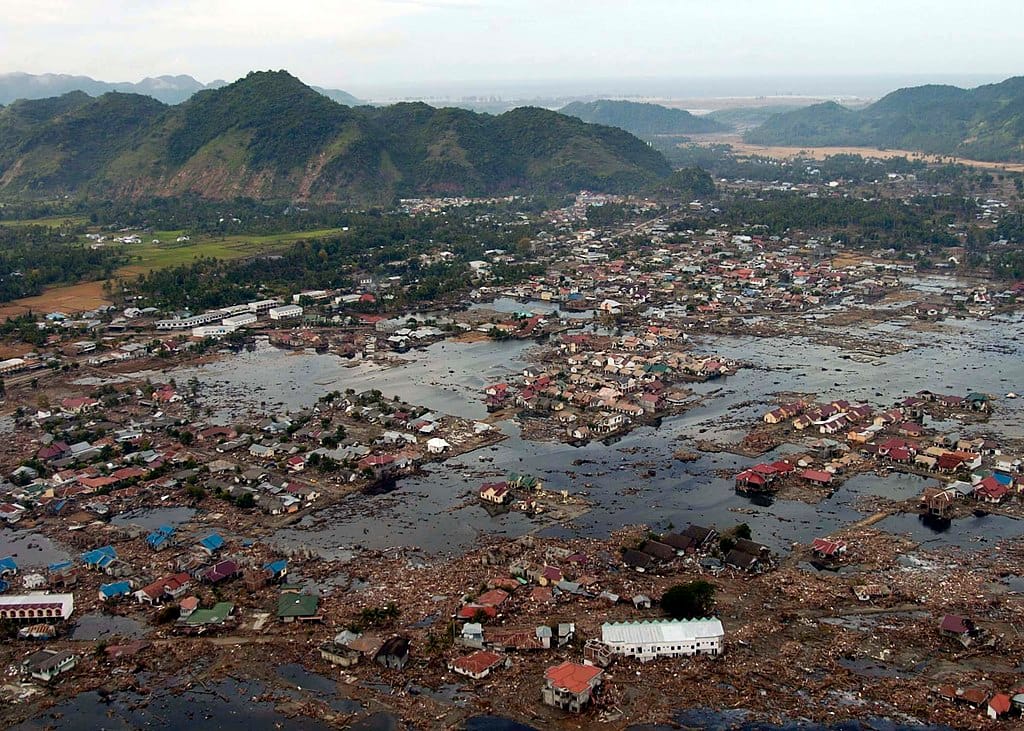
Unlike the immediate and devastating destruction experienced in Indonesia, Sri Lanka, and Thailand, the tsunami’s arrival on the East African coast was more subtle yet equally deadly in its own right. With wave heights ranging from one to seven meters, the inundation varied along different parts of Kenya and Tanzania’s shores.
In Mombasa, Kenya’s main port city, residents experienced an eerie drawdown of the sea—a natural warning sign they could scarcely understand—before a forceful wall of water surged back inland. The quiet fishing village of Kilifi was hit hard, with homes, boats, and livelihoods swept away. Meanwhile, Tanzanian coastal towns like Tanga and Zanzibar suffered both human casualties and widespread destruction of infrastructure.
Though the tsunami casualties in East Africa were far fewer than in the epicenter regions, the psychological shock and material losses were profound. Many coastal inhabitants had never seen such a phenomenon, and the continent’s lack of awareness or preparedness contributed to the vulnerability.
Beneath the Waves: The Geological Origins of the Indian Ocean Tsunami
To grasp the full weight of that fateful day, one must delve beneath the ocean’s surface to understand the tectonic violence that caused it all. The devastating earthquake was triggered by the subduction of the Indo-Australian Plate beneath the Eurasian Plate. This sudden slip along an 1,300-kilometer fault line released more energy than any other recorded event since modern seismology began.
As the sea floor abruptly shifted by up to 15 meters vertically, the overlying water was thrust upward at monstrous speed. The displaced water mass propagated waves radiating at speeds nearing 800 kilometers per hour. The waves, imperceptible on the open ocean, grew as they approached shallower coastal waters—transforming into towering walls of water that flooded inland.
The geological event was so immense that some scientists described it as the equivalent of the energy released by a billion Hiroshima atomic bombs. Its reverberations trembled through the Earth’s crust and opened new avenues of research into megaquakes and tsunami science.
The Megaquake That Sent Shockwaves Across the Globe
Striking at a magnitude estimated at 9.1 to 9.3, the 2004 Indian Ocean earthquake was extraordinary in scale and consequence. The tremor was felt across South and Southeast Asia and even in parts of East Africa, where the shallow seismic waves subtly hummed beneath the ground.
In addition to physical devastation, the earthquake caused undersea landslides and altered the seafloor landscape permanently. The seismic jolts also led to minor changes in Earth’s rotation and gravity fields—a reminder of the planet’s raw and sometimes unpredictable power.
Fast, powerful, and unforeseen, the quake sent emergency walls of water racing across the ocean, striking distant coasts in a matter of hours—and illustrating the interconnectedness of earth's natural systems on a planetary scale.
Warning Signs Ignored: The Absence of an Early Warning System in East Africa
Had the local populations of Kenya and Tanzania been equipped with the knowledge or technology to detect incoming tsunamis, countless lives might have been spared. Unfortunately, in 2004, no comprehensive Indian Ocean tsunami early warning system existed.
While nations like Japan and the United States had sophisticated detection networks in place—years, even decades prior—East Africa remained vulnerable. The ocean here, thought distant from seismic hazards, was not considered a priority for such installations. This tragic oversight was a bitter lesson for all.
When the water suddenly receded from beaches, a natural sign of an impending tsunami, many locals were bewildered, some even drawn closer to the exposed seabed. Without public education campaigns or sirens sounding alarms, the capacity for timely evacuation was tragically minimal.
Coastal Communities in Peril: Lives Forever Changed in Kenya and Tanzania
The human cost of the tsunami stretched far beyond numbers. Despite official reports estimating around 10 to 20 deaths along the East African coast, every loss was a world unto itself—families shattered, futures lost.
Communities that subsisted on fishing and small-scale farming faced not only grief but the destruction of their means of survival. Boats, the lifeblood of fishermen, were cracked and carried away. Markets and homes were damaged or ruined. And the invisible emotional wounds—fear, trauma, and uncertainty—lingered long after the waters receded.
In Tanzania’s Zanzibar, for example, stories emerged of fishermen caught at sea, families separated in the chaos, and villages banding together to recover. The disaster illuminated the vulnerabilities faced by coastal populations in developing countries—often forgotten in global discussions dominated by wealthier, more heavily impacted nations.
Human Stories of Survival and Loss Along the African Shores
Among the many accounts of that day, the tale of a young Kenyan fisherman named Juma stands out. Returning from a night at sea, Juma sensed something unnatural about the ocean’s silence. Noticing the unusual retreat, he warned his family and community just in time to avoid the worst. His instincts saved dozens of lives.
Elsewhere, an elderly woman in Tanzania recounted how the wave washed away her entire village but spared her home, a miraculous stroke that gave her the will to help others find shelter. Such personal narratives bring a human face to natural disasters, reminding us that history is not just about dates and data, but about lived experience.
Regional Response: Governments Wrestle with an Unprecedented Disaster
The governments of Kenya and Tanzania were unprepared for the disaster’s scale and character. Immediate responses focused on search and rescue, medical aid, and the provision of temporary shelters for displaced families. Communication challenges hampered coordination, while damaged roads and infrastructure complicated aid delivery.
Nevertheless, local and national officials showed determination in managing the crisis. Emergency task forces were formed, and lessons were quickly drawn. In the wake of the tsunami, efforts began to better integrate disaster preparedness into national policies and to strengthen regional cooperation.
International Aid and the Global Outpouring of Solidarity
Although East Africa received a smaller slice of the international aid pie compared to countries closer to the epicenter, the tsunami catalyzed a worldwide surge of humanitarian support. NGOs, governments, and citizens contributed funds, expertise, and relief supplies.
United Nations agencies mobilized to assist with rebuilding and rehabilitation, while global scientific organizations pledged to enhance monitoring systems and communication networks. The disaster underscored the need for a collective global responsibility towards peoples caught in nature’s crossfire, regardless of geographic distance.
The Environmental Toll: Coral Reefs, Mangroves, and Marine Life Devastated
The tsunami’s impact was not solely human. Along the Kenyan and Tanzanian coasts, delicate ecosystems were battered by the violent surge. Coral reefs, crucial to marine biodiversity and coastal protection, suffered significant damage. Mangrove forests—vital nurseries for many fish species—were uprooted or buried under debris.
These environmental losses had cascading effects, threatening fish stocks and ultimately affecting the food security of coastal communities dependent on the sea. The ecological trauma laid bare the intricate dependencies between humans and nature, and the fragility of coastal environments in the face of sudden, extreme events.
Economic Aftershocks: Fisheries, Tourism, and Livelihoods in Ruins
Economically, the tsunami crippled sectors critical to the region. Fishing, a cornerstone of coastal livelihoods, was disrupted by loss of boats, gear, and stock. On top of that, saltwater intrusion and coastal erosion damaged farmland.
Tourism, another pillar of the East African economy, particularly in Zanzibar and Mombasa, experienced sudden disruption. Visitors canceled trips amid fears, while hotels and resorts grappled with damage to infrastructure. Rebuilding was slow and punctuated by uncertainty, casting a shadow over recovery prospects.
Lessons from the Depths: The Birth of Early Warning Systems in the Indian Ocean
The tragedy forced change. One of the most significant legacies was the establishment of the Indian Ocean Tsunami Warning and Mitigation System (IOTWMS) within a few years. Spearheaded by UNESCO and international partners, this network linked seismic monitoring stations, tide gauges, and communication channels across the region.
Education campaigns emerged to teach coastal populations about tsunami risks and responsive actions. Kenya and Tanzania invested in community resilience programs, incorporating local knowledge with scientific approaches. Today, East Africa stands better prepared—though vigilance remains essential against future threats.
Cultural Memory and Commemoration: How Tanzania and Kenya Remember
Even nearly two decades later, the 2004 tsunami lives in the collective memory. Local commemorations, oral histories, and memorials keep the stories alive. In some fishing communities, annual rituals honor those lost, blending grief with resilience.
Art and literature have also taken up the mantle, reflecting on the human and environmental dimensions of the disaster. These cultural practices foster solidarity and serve as vital reminders that the ocean—while generous—is also a force to reckon with.
Unexpected Legacies: Scientific Advances and Regional Cooperation
Beyond human and ecological tragedy, the tsunami ignited a new scientific era. Researchers deepened understanding of seismic risks and ocean dynamics. Innovative technologies like buoy-based tsunami detectors and satellite monitoring systems were deployed and refined.
Regionally, the disaster galvanized East African nations to collaborate more closely on disaster risk reduction and environmental protection—a noteworthy step in an area often fractured by political and economic challenges. This spirit of cooperation has since extended to other domains, making the tsunami a crucible for unity.
Reflecting on the 2004 Tsunami: A Turning Point for East Africa’s Resilience
Looking back, December 26, 2004, stands as a critical inflection point in East African history—an event that punctured a sense of invulnerability and spurred new awareness about natural hazards. While the tsunami’s toll was smaller than in Asia, the depth of its impact on Kenya and Tanzania shaped a new era.
The catastrophe forced governments and communities to confront fragility, learn from calamity, and invest in resilience. It also reminded the world that the “far side” of disasters may be many miles away but is no less real. In this story of devastation and recovery, lies a testament to human courage and the indomitable will to rebuild in the face of nature’s fury.
Conclusion
The Kenya–Tanzania coastline tsunami of 2004 is a poignant chapter in the history of natural disasters. A distant quake of unimaginable power sent deadly waves across an ocean, reaching shores thousands of kilometers away, touching lives often overlooked in the global narrative.
This tragedy unveiled systemic vulnerabilities—not only geological but social, economic, and political. Yet it also sparked transformation: stronger warning systems, regional cooperation, environmental conservation efforts, and cultural remembrance.
History teaches us that while we cannot prevent such colossal forces of nature, we can prepare, respond, and remember—with empathy and scientific rigor. The East African coast’s journey through loss and recovery remains a powerful reminder of resilience, unity, and hope amidst adversity.
FAQs
1. What caused the 2004 Indian Ocean tsunami that affected Kenya and Tanzania?
The tsunami was triggered by a massive undersea earthquake near Sumatra, Indonesia, caused by the subduction of the Indo-Australian Plate beneath the Eurasian Plate. This upheaval displaced vast amounts of ocean water, sending waves across the Indian Ocean that eventually reached the East African coast.
2. Why were Kenya and Tanzania unprepared for the tsunami?
At the time, there was no Indian Ocean-wide early warning system, and local populations were largely unaware of tsunami risks. The region’s distance from major plate boundaries led to a misconception that it was safe from such disasters. This absence of preparedness increased vulnerability.
3. How many people died along the Kenya and Tanzania coasts due to the tsunami?
Estimates suggest between 10 to 20 deaths occurred on the East African coast, significantly fewer than in South and Southeast Asia. However, the impact on local communities went far beyond fatalities, including loss of livelihoods and environmental damage.
4. What types of economic damage did the tsunami cause in East Africa?
The tsunami destroyed fishing boats and gear, damaged marine ecosystems, affected fisheries, and disrupted tourism. Agricultural lands faced saltwater intrusion, negatively impacting food production and local economies.
5. What measures have Kenya and Tanzania taken since 2004 to prevent future tsunami disasters?
Both countries have participated in establishing the Indian Ocean Tsunami Warning System and have conducted public education campaigns along their coasts. Enhanced emergency planning and regional cooperation now form part of their disaster risk reduction strategies.
6. How is the 2004 tsunami remembered in Kenya and Tanzania?
Beyond official memorials, coastal communities observe commemorative events and preserve stories through oral histories and cultural expressions. These practices serve both to honor victims and educate younger generations about natural hazards.
7. Did the tsunami have lasting environmental effects on the coastline?
Yes. Coral reefs and mangroves suffered substantial damage, affecting biodiversity and coastal protection. Recovery of these ecosystems is ongoing and critical to sustaining local fisheries and preventing further erosion.
8. What is the legacy of the 2004 tsunami on scientific research and international cooperation?
The disaster accelerated developments in tsunami detection technology and fostered unprecedented collaboration across Indian Ocean countries, including East Africa. It highlighted the global need for shared monitoring and rapid information exchange to safeguard vulnerable populations.