Table of Contents
- The Day the Sky Turned Dark: August 27, 1883, in the Sunda Strait
- Krakatoa Before the Catastrophe: A Sleeping Giant
- The Geology of a Volcano and Its Volatile Temperament
- The World on Edge: Political and Social Context in the Dutch East Indies
- Early Signs and Rumblings: The Prelude to Disaster
- The Explosion Heard Around the World: A Sound Beyond Comprehension
- The Fire and Fury: Krakatoa’s Final Eruption in Detail
- The Unthinkable Wave: Birth of the 1883 Tsunami
- Lives Lost and Lands Changed: Immediate Impact on Sunda Strait Communities
- Global Shockwaves: Krakatoa’s Atmospheric Effects Worldwide
- Scientific Revelations: Understanding Volcanic Catastrophes in the 19th Century
- The Rescue Efforts and Human Stories Amidst the Ruins
- Ecological and Geological Aftermath: The Birth of a New Island
- Shaping Modern Volcanology: Lessons from Krakatoa
- Memory and Myth: How Krakatoa Has Entered the Cultural Consciousness
- The Sunda Strait Today: Remembering the Giant Sleepers Beneath the Waves
- Conclusion: The End of Krakatoa’s Lava and the Dawn of a New Era
- FAQs
- External Resource
- Internal Link
1. The Day the Sky Turned Dark: August 27, 1883, in the Sunda Strait
On the morning of August 27, 1883, the air in the Sunda Strait hung thick with unease. At first, it was subtle—a low rumble almost swallowed by the tropical haze, a curious stillness that unsettled sailors, fishermen, and villagers alike. Then came the first explosion, a roar so powerful it seemed to split the very fabric of the sky. Mountains trembled, seas heaved, and in that instantaneous moment, lives were irreversibly changed. This was the day Krakatoa—a volcanic island, long dormant and relatively unknown to most beyond Indonesia’s shores—would announce itself as a force of unimaginable destruction. The eruption was not merely a local tragedy; it was a global catastrophe whose echoes would reverberate around the world, changing landscapes, climates, and the collective memory of humanity.
2. Krakatoa Before the Catastrophe: A Sleeping Giant
Krakatoa was a volcanic island nestled in the narrow, treacherous waters of the Sunda Strait, which separates the islands of Java and Sumatra. For centuries, it lurked quietly, a dark silhouette against the horizon, its jagged peaks often shrouded in mists and rumors. Local lore whispered of eruptions long past, but the island’s destructive potential was largely underestimated. The communities residing nearby lived with a precarious coexistence with nature’s volatile spirit; fishermen ventured out to sea with respect, but little understanding, of the latent power below their feet. Krakatoa represented the unpredictable intersection of earth’s fiery heart and human hope.
3. The Geology of a Volcano and Its Volatile Temperament
Beneath Krakatoa lay a powerful geological furnace fueled by the subduction of the Indo-Australian Plate beneath the Eurasian Plate. This tectonic ballet generates immense pressure, causing magma to rise into a volcanic cone built over millennia. Krakatoa’s caldera, a bowl-shaped depression created by previous violent eruptions, trapped searing magma and volatile gases. The pressure could only build until it found release in seismic explosions. Yet, the exact mechanisms of such eruptions remained far from understood in 1883, shrouded in both scientific ignorance and superstition.
4. The World on Edge: Political and Social Context in the Dutch East Indies
In 1883, the island of Java, along with Sumatra and surrounding islands including Krakatoa, was part of the Dutch East Indies, a melting pot of colonial power and indigenous cultures. The socio-political landscape was tense, with colonial authorities prioritizing economic exploitation—especially of spices, rubber, and coffee—over the welfare of native populations. Villages along the coast, where most of the death toll would tragically accumulate, lived in a liminal space between tradition and modernity, often isolated from colonial administration and the scientific observers who arrived post-disaster. The eruption would reveal both the vulnerability and resilience of these communities.
5. Early Signs and Rumblings: The Prelude to Disaster
Weeks before the catastrophic eruption, locals and visiting sailors noted unsettling phenomena. Earthquakes shook the region, shallow but persistent. Strange noises—deep groans and low thunder—disturbed especially quiet nights. Some fishermen reported that the sea seemed disturbed, with mysterious murmurings beneath the waves. Volcanic ash began to fall sporadically, a faint but ominous dust that caused coughing fits and frightened both settlers and traders. Many chose to ignore these warnings, either out of fatalism or disbelief, unaware that they were living through the slow heartbeat of an impending apocalypse.
6. The Explosion Heard Around the World: A Sound Beyond Comprehension
At 10:02 a.m. on August 27, Krakatoa erupted with a force so immense that it produced the loudest sound ever recorded in modern history. This explosion could be heard over 3,000 miles away—from Perth in Australia to the island of Rodrigues near Mauritius in the Indian Ocean. Consider this: the noise was so powerful that it ruptured the eardrums of sailors aboard ships tens of miles distant. The sound waves circled the globe multiple times, a profound reminder of how one small group of volcanic islands could communicate its fury to the entire world. Witnesses later described it as a “celestial cannonade,” an unrelenting, deafening roar that seemed to tear through daylight.
7. The Fire and Fury: Krakatoa’s Final Eruption in Detail
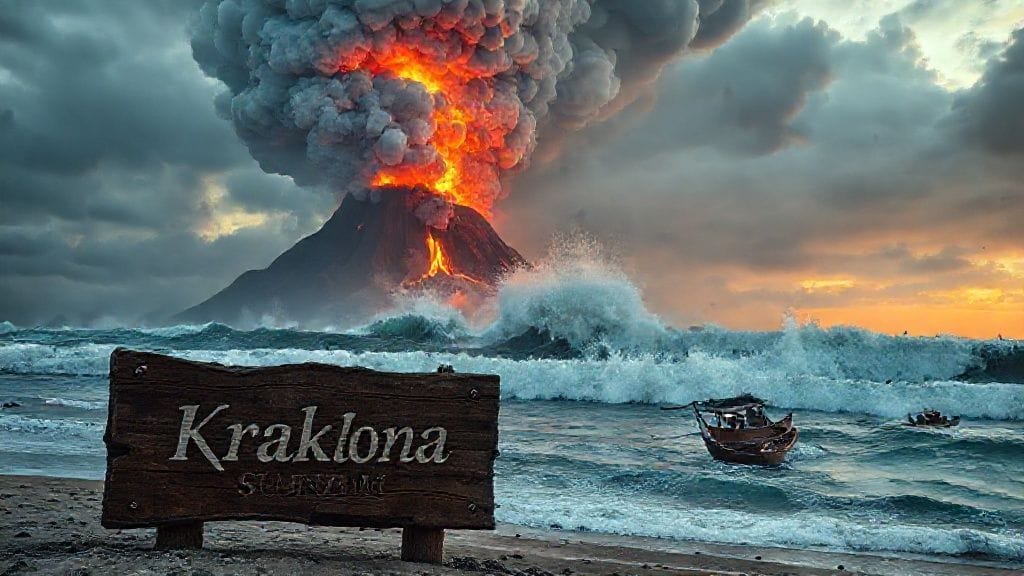
The 1883 eruption was not a single blast but a series of colossal explosions over a period of several hours. A violent column of ash and gas shot high into the stratosphere, blocking sunlight and casting a shadow that dimmed the midday sky. The volcanic plume reached an estimated 50 kilometers above the earth’s surface, thickening the atmosphere with particles that would later cause mozzarel-zero sunsets worldwide. Incandescent rocks rained down, igniting forests and scalding the earth. The island itself underwent a cataclysmic collapse, as the magma chamber emptied and the volcano’s structure caved in, leaving a massive caldera now hidden beneath the sea’s furious waves.
8. The Unthinkable Wave: Birth of the 1883 Tsunami
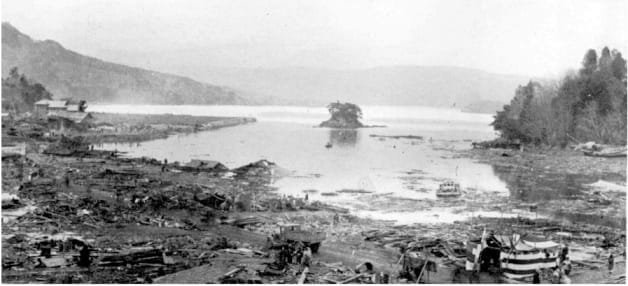
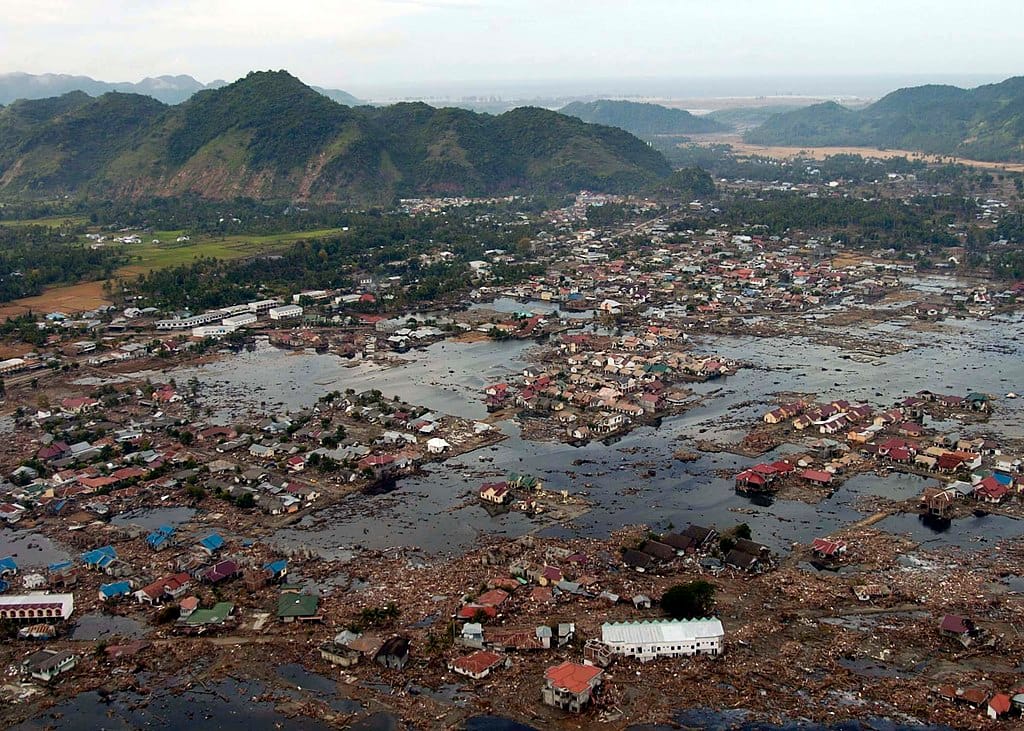
As Krakatoa’s volcanic cone collapsed inward, it displaced enormous volumes of seawater. The resulting tsunami was a force of nature unrivaled in Southeast Asia’s modern history. Waves towering up to 40 meters in height struck the shores of Java and Sumatra with overwhelming speed and destructive energy. Entire coastal villages were obliterated without warning. Eyewitnesses spoke of seas that withdrew with a dreadful hush before returning in monstrous surges that swallowed boats, homes, and lives. This tsunami was not a distant myth; it left behind piles of debris, shattered islands, and scars that many survivors bore—both physical and psychological—for decades thereafter.
9. Lives Lost and Lands Changed: Immediate Impact on Sunda Strait Communities
The human toll was staggering: between 36,000 and 40,000 lives lost, many forever swallowed by the sea or buried under pyroclastic flows. The eruption and tsunami destroyed dozens of villages on the coasts of Java and Sumatra where fishing was a lifeline. Survivors faced not only grief but the monumental task of rebuilding shattered communities amid a landscape transformed by volcanic ash and submerged land. Plantations—critical to the colonial economy—were decimated, and the region entered months of darkness and famine. The tragedy was compounded by the isolation of many affected areas, delaying aid and rescue efforts.
10. Global Shockwaves: Krakatoa’s Atmospheric Effects Worldwide
In the months and years following the eruption, the world experienced dizzying climatic effects. The volcanic ash and sulfur dioxide ejected into the stratosphere created a veil that dimmed sunlight, lowering global temperatures by an estimated 1.2 degrees Celsius in some regions. The year 1884 brought anomalous weather patterns: cold summers in Europe, stunningly colorful sunsets in America, and widespread agricultural failures. Artists captured these ethereal skies in their paintings, while scientists worldwide scrambled to understand the phenomenon. Krakatoa had unwittingly become one of the first natural global climate modifiers studied in modern history.
11. Scientific Revelations: Understanding Volcanic Catastrophes in the 19th Century
Prior to Krakatoa’s eruption, volcanology was still in its infancy. The disaster provided a tragic case study that enriched scientific understanding of volcanic physics, tsunami generation, and atmospheric chemistry. Researchers like Dr. Rogier Verbeek, a Dutch geologist, painstakingly documented the eruption’s sequence and aftermath, pioneering the field of eruption chronology and volcanic hazard assessment. The 1883 catastrophe illustrated how volcanoes were not merely local hazards but agents capable of global influence—an awakening that would influence both science and emergency preparedness for decades to come.
12. The Rescue Efforts and Human Stories Amidst the Ruins
Amid the horror, numerous acts of heroism and human solidarity shone through. When Java’s eastern coasts were battered by the waves, elders organized rescues, fishermen risked their lives to recover survivors, and colonial medical teams arrived despite logistical nightmares. Stories of families reunited, strangers sheltered, and communities rallying to rebuild revealed the tenacity of human spirit in the face of overwhelming destruction. Letters and oral histories collected later paint a rich tapestry of grief, hope, and enduring resilience that humanizes the incomprehensible scale of the loss.
13. Ecological and Geological Aftermath: The Birth of a New Island
From the remnants of Krakatoa’s shattered cone emerged Anak Krakatau—the “Child of Krakatoa”—which began to rise from the sea in the years following the eruption. This new island gradually built itself back up, a testament to nature’s unyielding cycle of destruction and creation. Meanwhile, the surrounding marine environment suffered profound changes, with decimated coral reefs and altered currents. Ecologists have since studied these transformations, revealing how ecosystems adapt and evolve on volcanic crisis timescales. Anak Krakatau continues to be an active volcano, a constant reminder of the power beneath the waters.
14. Shaping Modern Volcanology: Lessons from Krakatoa
The 1883 eruption became a watershed moment in volcanology and disaster response. It inspired the establishment of systematic volcanic monitoring in the Dutch East Indies and beyond. Scientists understood the necessity of integrating geology with atmospheric science to anticipate hazards better. Krakatoa’s legacy includes both improved scientific vigilance and international cooperation in studying and mitigating volcanic risk, influencing contemporary protocols that save lives today. The catastrophe taught humanity the costs of ignorance and underscored the planet’s fiery volatility.
15. Memory and Myth: How Krakatoa Has Entered the Cultural Consciousness
In the decades following the eruption, Krakatoa’s story transcended science and entered folklore, literature, and popular imagination. It became a symbol of nature’s awesome fury, embodying themes of apocalypse and renewal. Poems, novels, and artworks captured the horror and sublimity of the event, while oral histories preserved the voices of survivors and their descendants. The eruption influenced not only Indonesian identity but also global perceptions of volcanic power, fostering a cautious respect blended with fascination that endures in tourist narratives and popular media.
16. The Sunda Strait Today: Remembering the Giant Sleepers Beneath the Waves
More than a century later, the Sunda Strait remains an area of strategic importance, natural beauty, and geological peril. The presence of Anak Krakatau—and other volcanic formations—reminds locals and visitors that the earth beneath this narrow waterway is alive and dynamic. Modern monitoring systems now watch for signs of unrest, yet the memory of 1883 is never far. Communities, governments, and scientists collaborate to honor those lost while preparing for the inevitable next eruption, weaving history, memory, and natural science into an ongoing story.
17. Conclusion: The End of Krakatoa’s Lava and the Dawn of a New Era
The cataclysm of August 27, 1883, was a defining moment that reshaped geography, science, and human understanding. Krakatoa’s violent farewell was also the birth cry of new fields of inquiry and collective memory. From darkness and destruction arose resilience, knowledge, and an evolving relationship with nature’s powerful forces. This disaster serves as a timeless reminder that beneath the placid surface of earth and sea lie dynamic, sometimes deadly forces that demand our respect, preparedness, and humble reflection.
Conclusion
The story of Krakatoa’s 1883 eruption is one of raw force and profound transformation. It tells of a day when the earth’s fire blazed hotter than ever before, when sound waves rippled around the globe, and when towering waves engulfed distant shores. Yet, within this cataclysm lies a deeper human narrative—of survival, of scientific curiosity sparked by tragedy, and of cultural memory forged in ash and sea spray. Krakatoa reminds us that history is not just a record of events, but a living tapestry of nature’s power and human resilience. Every eruption is both an end and a beginning, a reminder of our fragile place in a volatile world.
FAQs
Q1: What caused the Krakatoa eruption in 1883?
A1: The eruption was caused by the subduction of the Indo-Australian tectonic plate beneath the Eurasian plate, leading to rising magma, pressure build-up, and ultimately multiple catastrophic explosions that devastated the island.
Q2: How powerful was the explosion compared to other volcanic events?
A2: Krakatoa’s 1883 explosion is considered one of the loudest sound events in recorded history, with an energy release thousands of times greater than the Hiroshima atomic bomb.
Q3: What were the immediate effects on local populations?
A3: Around 36,000 to 40,000 lives were lost, many due to tsunami waves reaching up to 40 meters high. Entire coastal communities were destroyed, and survivors faced severe hardships rebuilding.
Q4: How did Krakatoa’s eruption affect the global climate?
A4: The volcanic ash and aerosols injected into the atmosphere caused global cooling and spectacular sunsets around the world, affecting weather patterns and crop yields for several years.
Q5: Who were the key figures in studying the eruption?
A5: Dutch geologist Dr. Rogier Verbeek was instrumental in documenting the eruption and its effects, laying foundational work for future volcanic hazard studies.
Q6: What is Anak Krakatau?
A6: Anak Krakatau ("Child of Krakatoa") is the volcanic island that emerged from the remnants of the original Krakatoa after the 1883 eruption, still active and monitored today.
Q7: How did the eruption change how societies prepare for volcanic disasters?
A7: Krakatoa’s disaster underscored the need for systematic volcanic monitoring, early warning systems, and integrated scientific approaches, influencing modern disaster management.
Q8: How is Krakatoa remembered culturally?
A8: Krakatoa has become a potent symbol in literature, art, and folklore representing nature’s unpredictability, power, and the possibility of renewal after destruction.