The 1792 Kyushu Tsunami: Japan’s Most Lethal Wave
Table of Contents
- Introduction
- A Volcanic Mountain Unleashed
- The Collapse of Mount Unzen
- Tsunami Devastation Across Ariake Bay
- Unimaginable Loss of Life
- Cultural and Historical Impact
- Lessons from a 1700s Tragedy
- Conclusion
- External Resource
- Internal Link
1. Introduction
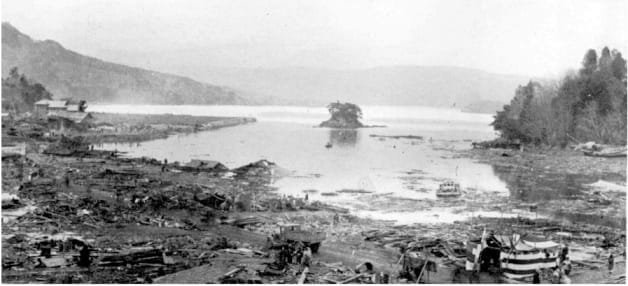
On May 21, 1792, one of the most catastrophic events in Japanese history struck Kyushu, the country’s southernmost main island. A volcanic eruption and resulting landslide from Mount Unzen caused a massive tsunami that devastated towns around Ariake Bay and Shimabara Peninsula.
2. A Volcanic Mountain Unleashed
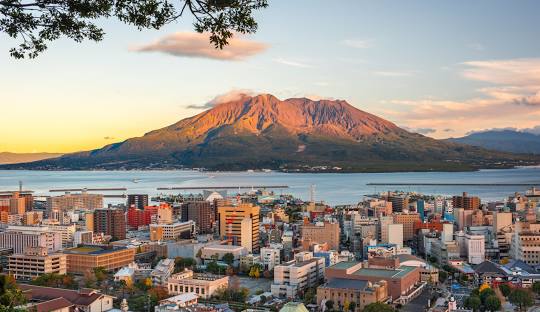
Mount Unzen, a powerful stratovolcano, had been active for some time leading up to the event.
✔️ Increased seismic activity warned of trouble.
✔️ Multiple earthquakes rattled the region in the days before.
✔️ Locals feared both eruption and collapse.
3. The Collapse of Mount Unzen
A section of Mount Mayuyama, a flank of Unzen, gave way in a massive landslide.
🔹 The landslide raced into the Ariake Sea, displacing huge volumes of water.
🔹 Waves up to 20 meters surged across the bay.
🔹 The towns of Shimabara and Fukae were hit hardest.
4. Tsunami Devastation Across Ariake Bay
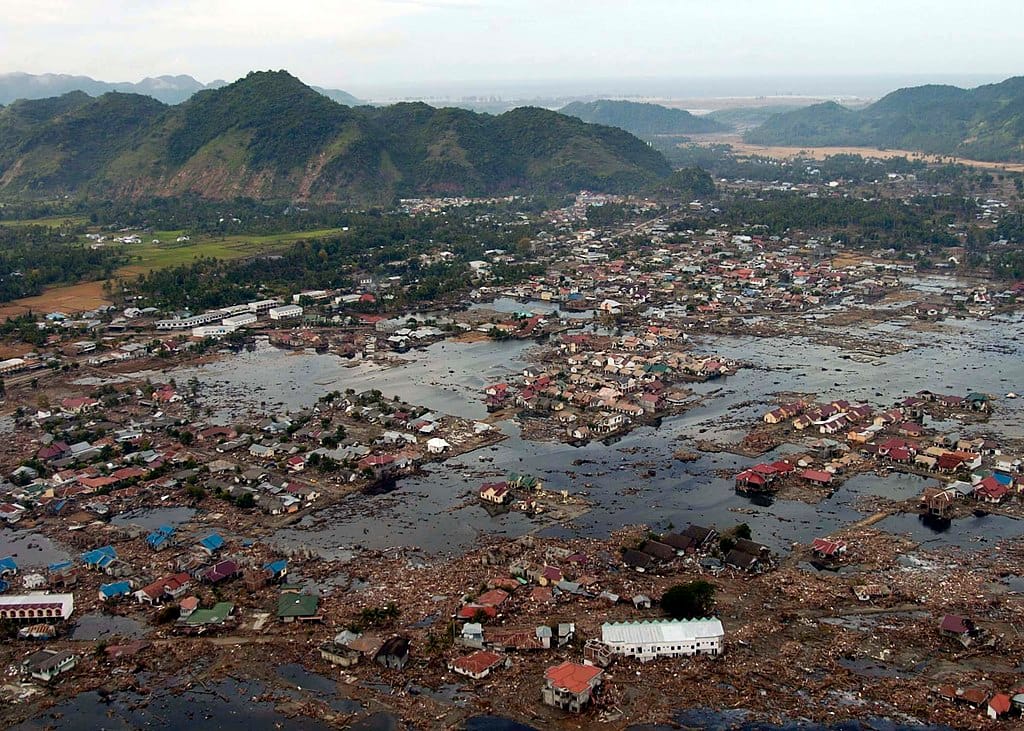
✔️ Coastal villages on both sides of the bay were flattened.
✔️ The tsunami waves also struck Kumamoto Prefecture, causing damage across the water.
✔️ Entire families and farming communities disappeared overnight.
5. Unimaginable Loss of Life
✔️ Estimated 15,000+ people died, making it Japan’s deadliest tsunami.
✔️ Deaths were caused by the landslide, the tsunami, and collapsing homes.
✔️ Many victims were caught unaware in their sleep.
6. Cultural and Historical Impact
This disaster became part of Japanese cultural memory.
✔️ Temples and monuments were built in remembrance.
✔️ Poems and stories passed down the sorrow through generations.
✔️ Mount Unzen remains one of the most studied volcanoes in Japan.
7. Lessons from a 1700s Tragedy
Though modern tools didn’t exist in 1792, this event still offers lessons.
✔️ Importance of monitoring volcano-sea interactions.
✔️ Need for early-warning systems in geologically active zones.
✔️ Value of preserving memory to reduce future risks.
8. Conclusion
The Kyushu tsunami of 1792 wasn’t caused by an earthquake—but by the violent collapse of a volcanic slope. Its destruction still echoes through time as a solemn reminder that nature’s fury doesn’t always come from beneath the sea—but from above as well.
9. External Resource
🌐 Wikipedia: 1792 Unzen earthquake and tsunami