Table of Contents
- The Deadly Dawn: Latur on September 30, 1993
- India’s Silent Fault: Understanding the Seismic Setting
- Historical Quakes in the Deccan: A Prelude to Disaster
- Early Morning Tremors: The Earth Begins to Shake
- The Epicenter’s Cruel Grip: Killari and the Surrounding Villages
- The Collapse of Normalcy: Buildings and Lives Shattered
- Human Stories Amidst the Rubble: Accounts of Survival and Loss
- Immediate Response: Rescue Efforts in a Rural Landscape
- Government’s Reaction: Addressing the Unprecedented Challenge
- Scientific Enigma: Why Did the Earthquake Strike an Intraplate Zone?
- The Death Toll and Material Devastation: Counting the Cost
- Relief and Rehabilitation: A Test for Administrative Machinery
- Societal Impact: How Communities Rebuilt from Ashes
- The Role of Media: Shaping Public Perception and Aid Mobilization
- Political Fallout: Criticism and Reform in Disaster Management
- Lessons Learned: Seismic Awareness and Preparedness in India
- The Latur Earthquake in Global Context: Comparisons with Other Quakes
- Memorialization: Honoring Memory and Loss in Killari
- Continuing Challenges: Rural Vulnerability and Structural Safety
- Scientific Advances Post-1993: Mapping the Invisible Faults
- Economic Consequences: Long-Term Developmental Setbacks
- Cultural Ripple Effects: Art, Literature, and Collective Memory
- The Legacy of Killari: A Story of Resilience and Reflection
The Deadly Dawn: Latur on September 30, 1993
—————————————————
In the early hours of September 30, 1993, a haunting stillness blanketed the rural landscape of southern Maharashtra, India. Villagers in Latur and nearby Killari were deep in sleep, blind to the terrifying force about to unsettle their lives. At precisely 3:56 a.m., the earth groaned and tore beneath them. A subtle deepening rumble swelled into violent shaking, as the ground heaved and fractured, transforming homes into piles of splintered wood and shattered bricks. The night sky was split by the sharp cries of those caught unaware—a stark counterpoint to the quiet calm only moments before. This was no ordinary tremor. It was a catastrophic earthquake of magnitude 6.2—the Latur earthquake—that would leave an indelible scar on modern India's consciousness.
For a region considered far from India's seismically active Himalayan belt, this violent upheaval was as unexpected as it was devastating. Around 9,700 lives vanished in those precious seconds beneath the debris, while tens of thousands were maimed, homeless, and disoriented. The surrounding villages of Killari bore the brunt, with entire hamlets wiped from the map. It was a tragic awakening to the vulnerability that lay beneath the seemingly serene Deccan Plateau. Yet, amidst the horror, stories of human courage and community resilience began to emerge, shaping a narrative that stretched far beyond the tremors. This is the story of that fateful morning, its causes, consequences, and the ongoing legacy of the Latur earthquake.
India’s Silent Fault: Understanding the Seismic Setting
———————————————————-
To grasp the full impact of the 1993 Latur earthquake, it is essential to delve into the tectonic soul of India. Situated far from the collision zone of the Indian and Eurasian plates that gave birth to the towering Himalayas, the rugged Deccan Plateau was never generally associated with large-scale seismic risk. The region’s geology was perceived as a bastion of stability — an ancient, hard rock shield that rarely cracked under Earth's relentless stresses. But beneath this placid surface lies a complex story of ancient fractures and hidden faults.
The Indian subcontinent has a rich tectonic history shaped by millions of years of plate movements, continental collisions, and slow deformation. The Deccan Plateau itself is an uplifted volcanic basalt expanse, a remnant of massive volcanic activity around 65 million years ago. Despite this, the area does host ancient faults, some reactivated with regional stress changes, particularly in the broad intraplate zones. The Latur earthquake struck precisely on one such hidden fault, unknown even to experts then and regarded as inactive by conventional seismic models.
This intraplate faulting highlighted a fundamental challenge for Indian geologists and disaster planning alike. Unlike the well-studied Himalayan seismic belt, the inland peninsular regions had neither recent historical precedent for quakes of such magnitude nor sufficient monitoring infrastructure. The shock of 1993 forced a sweeping reevaluation of seismic vulnerability across India’s heartland.
Historical Quakes in the Deccan: A Prelude to Disaster
————————————————————
While southwestern India is not conventionally Himalayan or oceanic, the area has witnessed significant seismic episodes in historic and premodern times. Geological evidence suggests a long record of minor tremors and occasional destructive events in the peninsular shield. Some records trace damaging quakes back centuries, such as the 1865 Koynanagar earthquake linked to reservoir-induced seismicity near the Western Ghats.
However, these paleoseismic narratives were fragmented and largely overlooked by policymakers. The destructive Latur event appears to be an outlier in terms of intensity for the region. Many residents regarded the earth beneath them as an unshakable foundation—faith built on thousands of years of stability suddenly shattered overnight. The lack of a known fault map or strong seismic history left the population vulnerable, with poorly constructed masonry homes offering no refuge against shaking.
This complacency about seismic risk in the peninsular region was to change dramatically in the aftermath.
Early Morning Tremors: The Earth Begins to Shake
——————————————————
On September 30, 1993, at exactly 3:56 a.m. Indian Standard Time, a force buried kilometers deep beneath the Earth’s crust unleashed its energy. Witnesses would later describe an eerie silence giving way to relentless rumbling, slowly intensifying into violent convulsions. For many, the first sensations were subtle—the rattling of doors and windows, the shaking of beds—before the crescendo.
In the village of Killari, the epicenter’s closest settlement, this was the moment normality unraveled. Many sleeping families were jolted awake, but only briefly; with the collapse of fragile roofs and walls, thousands found themselves trapped within their own homes. The quake's intensity varied across the region, with some locations experiencing intense shaking for nearly two minutes—a lifetime when the earth beneath turns hostile.
The seismic waves radiated outward, leaving no village undisturbed. Houses crumbled, temples cracked, and the region’s infrastructural skeleton was broken. But it was the early morning hour that sealed many fates—people were caught in the vulnerability of sleep, unable to flee or find safety.
The Epicenter’s Cruel Grip: Killari and the Surrounding Villages
———————————————————————–
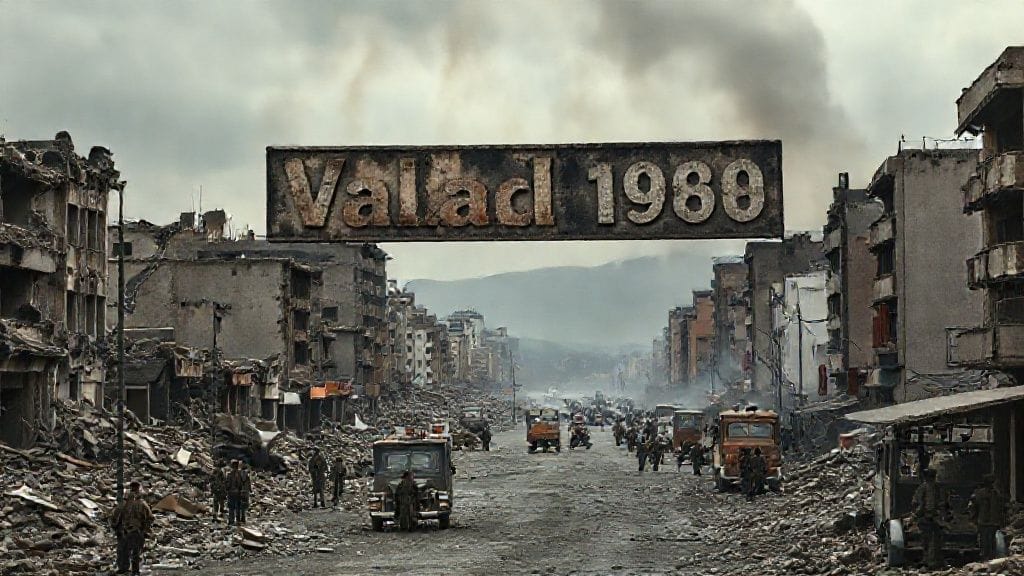
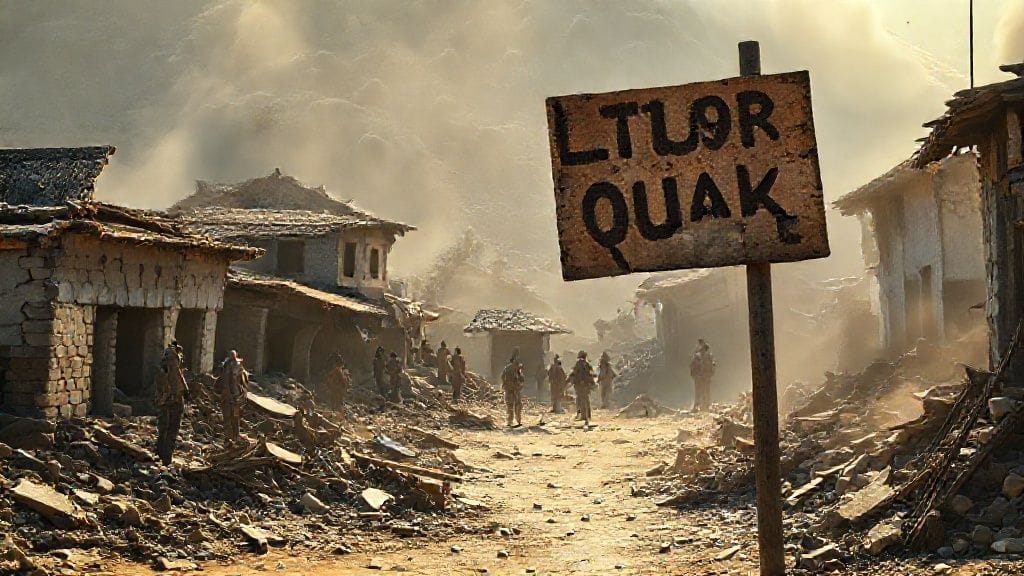
Killari, a modest agrarian village nestled in Maharashtra’s Latur district, became a grim synonym for destruction and heartbreak. Almost 90% of the village’s homes collapsed. Entire hamlets were wiped out. The epicenter’s cruelty was most visible here — the death toll soared, with villagers crushed or buried beneath the debris.
Stories trickled out of nearby villages: families shattered, centuries-old community landmarks transformed into rubbled ghosts. The narrow lanes of these settlements echoed with the despair of survivors, and the cries for help filled the air. What makes Killari’s devastation particularly heartrending is the social fabric shredded alongside the buildings—with kinships ruptured, livelihoods destroyed, and hopes buried alongside the rubble.
Survivors’ testimonies speak of moments frozen in time—the sudden jolt, the walls crumbling bang, the rush for open ground, and then, afterward, the desolation.
The Collapse of Normalcy: Buildings and Lives Shattered
———————————————————-
Most homes in the Latur region were built using traditional adobe, mud bricks, and weak mortar — cheap and abundant materials unsuitable for seismic resilience. The earthquake exposed the stark inadequacy of these structures. Unlike modern cities with engineered buildings designed to withstand tremors, rural Latur suffered catastrophic structural failures.
Schools, temples, and small commercial establishments fared no better. Even some concrete buildings toppled, but the majority of casualties were in the overcrowded, poorly constructed residences. On that fateful night, normal life was literally shaken to pieces—agricultural tools lost under ruins, grain stores spoiled, wells collapsed, cutting precious water supply.
For many, their home was no longer a haven but a tomb.
Human Stories Amidst the Rubble: Accounts of Survival and Loss
—————————————————————–
Beyond the statistics, the heartbeat of the Latur earthquake lies in the human stories—fraught with anguish, small miracles, and the endless struggle to rebuild. There is the story of the old grandmother pulled from beneath a collapsed hearth after hours of being trapped, or a mother desperately clutching her infant amid the dust-shrouded chaos. Tales of neighbors forming human chains to rescue trapped kin, and strangers risking aftershocks to dig through wreckage.
Yet, these accounts also tell of destruction’s finality: families wiped out entirely, children orphaned, and survivors haunted by memories of screams and loss. “It was as if the earth itself was angry at us,” one villager reflected years later.
In the darkest moments of despair, however, glimmers of community solidarity emerged, proving humanity’s resilience in the face of nature’s fury.
Immediate Response: Rescue Efforts in a Rural Landscape
———————————————————-
The remoteness of Latur complicated rescue operations immediately. The roads were clogged with debris, communications were severely damaged, and local resources were overwhelmed. Initial relief came predominantly from local communities and volunteers improvising with bare hands and simple tools in the darkness.
The Maharashtra state government soon galvanized rescue teams, mobilizing police, army units, medical personnel, and disaster response squads. But at a time when every minute counted to save lives trapped in collapsing structures, delays were inevitable. The scale of devastation challenged all logistical plans.
Helicopters began flying in supplies, makeshift relief camps arose, while doctors fought to treat the wounded amid insufficient facilities. The narrow rural lanes, lack of heavy machinery, and late night chaos compounded challenges.
Government’s Reaction: Addressing the Unprecedented Challenge
———————————————————————
The Latur earthquake marked one of India’s earliest tests in managing a large-scale natural disaster in a non-Himalayan zone. The central and state governments coordinated to dispatch emergency teams, provide relief materials, and begin damage assessment. However, the scale of human loss and infrastructural damage quickly revealed critical gaps in preparedness.
Criticism surfaced about the slow initial response and lack of local awareness campaigns to educate communities on earthquake safety. In the years following, significant efforts were made to boost national disaster response mechanisms, including the establishment of the National Disaster Management Authority (NDMA) nearly a decade later.
The government also initiated studies into intraplate seismicity, improved building codes, and launched rehabilitation programs aimed at restoring livelihoods and housing in the affected areas.
Scientific Enigma: Why Did the Earthquake Strike an Intraplate Zone?
———————————————————————
One of the most striking scientific questions raised by the Latur earthquake is its origin in an intraplate region, far from the plate boundary zones traditionally associated with high seismic risk. Intraplate quakes are rare, less understood, and notably harder to predict.
Seismologists studied data that suggested the earthquake resulted from movement along ancient faults reactivated under regional stress transmitted from distant plate boundaries. The Deccan Shield, though stable for ages, harbored buried weaknesses accumulating strain quietly.
This raised a major paradigm shift in Indian geology and disaster preparedness—how to identify subtle, hidden threats in “stable” interiors, and what measures to implement for their mitigation.
The Death Toll and Material Devastation: Counting the Cost
———————————————————————
The confirmed death toll in the Latur earthquake was approximately 9,700, with an estimated 30,000 injured and nearly 80,000 rendered homeless. The material destruction was staggering: over 171 villages affected, thousands of homes destroyed or severely damaged, schools and health centers crippled, and agricultural lands disrupted.
Beyond these numbers lies the human suffering—economic precarity for widows and orphans, the psychological trauma of survivors, loss of productive capacity in an already impoverished region, and disrupted education for a generation of children.
The physical and emotional toll continued to echo across decades, shaping policy and community planning alike.
Relief and Rehabilitation: A Test for Administrative Machinery
———————————————————————–
The magnitude of the disaster necessitated not only immediate relief but long-term rehabilitation efforts. Shelter camps were erected, albeit initially overcrowded and under-resourced. NGOs, national agencies, and international organizations gradually arrived to participate in rebuilding.
Government schemes focused on permanent housing reconstruction using safer materials and methods, health care for the injured, restoration of water and sanitation facilities, and psychosocial support. Educational institutions were rebuilt with improved disaster-resilient architecture.
Despite these efforts, rehabilitation was uneven, with some families remaining displaced or economically vulnerable for years. The experience underscored the need for integrated disaster recovery models in rural settings.
Societal Impact: How Communities Rebuilt from Ashes
——————————————————
In the aftermath of overwhelming destruction, the social fabric of Latur’s villages underwent profound change. The trauma welded survivors together, fostering community-led rebuilding initiatives. Traditional kinship networks mobilized to support orphans, distribute aid, and plan new settlements.
Social rituals, festivals, and collective remembrance took on new meanings, as acts of healing and commemoration. The community’s ability to adapt and renew itself reveals an enduring strength transcending loss.
However, the shock also exacerbated inequalities, with marginalized castes and landless laborers facing disproportionate hardship.
The Role of Media: Shaping Public Perception and Aid Mobilization
———————————————————————
The 1993 Latur earthquake was among the first Indian disasters to be extensively covered by emerging television media and regional newspapers. Graphic images of destruction and survivor anguish circulated widely, invoking nationwide sympathy and a surge of aid contributions.
Media reports pressured authorities to act faster and transparently, while highlighting the voices of victims. The disaster became a catalyst for India’s growing disaster journalism, emphasizing the human cost and governance responsibilities.
At the same time, sensationalism sometimes clouded nuanced understanding, but overall, the media played a crucial role in galvanizing public awareness.
Political Fallout: Criticism and Reform in Disaster Management
————————————————————-
Politically, the Latur earthquake exposed glaring deficits in disaster preparedness and rural infrastructure. Opposition parties and civil society groups criticized the government’s slow response and lack of preemptive planning.
This event spurred policy dialogues leading to enhanced national focus on disaster risk reduction. The establishment of dedicated disaster management bodies and legislative frameworks followed in subsequent decades, inspired in part by lessons from Latur.
At local levels, questions were raised about allocation of relief funds and equitable resource distribution, reflecting broader governance challenges in rural India.
Lessons Learned: Seismic Awareness and Preparedness in India
————————————————————-
Latur’s catastrophe served as a wake-up call, broadening India’s seismic risk perception beyond Himalayan fringes to interior peninsular zones. It stimulated the creation of seismic zoning maps incorporating this data, influencing building codes and urban planning.
Community education programs have since aimed to teach rural populations about earthquake preparedness, safe construction practices, and emergency response. Institutions focus on integrating traditional knowledge with scientific advancements.
The principle emerging was clear: no part of the country, however “stable,” is immune to nature’s surprises.
The Latur Earthquake in Global Context: Comparisons with Other Quakes
———————————————————————-
While not the largest in magnitude, the Latur earthquake's death toll and context stand out. Unlike plate-boundary quakes such as the 1995 Kobe earthquake or the 1999 İzmit quake, Latur’s intraplate origin emphasizes the hidden risks within continental interiors.
International parallels include the 1811–1812 New Madrid earthquakes in the US or the 2001 Gujarat earthquake, showcasing how preparedness must account for diverse tectonic settings. Latur helped the global seismological community appreciate the significance of intraplate seismic zones.
Memorialization: Honoring Memory and Loss in Killari
—————————————————–
Memorials and commemorative events in Killari and surrounding districts honor those lost in 1993. Local monuments, community ceremonies, and annual remembrance days serve as sites of mourning and reflection.
These memorials play vital roles in collective healing and sustaining disaster awareness across generations, ensuring that the lessons of September 30 remain etched in the public conscience.
Continuing Challenges: Rural Vulnerability and Structural Safety
——————————————————————-
Despite progress, many rural homes in Maharashtra still lack earthquake-resistant design. Poverty, lack of technical knowledge, and cultural preferences for traditional building styles continue to pose safety challenges.
The Latur earthquake remains a reference point highlighting the need for affordable, locally appropriate retrofit strategies. Vulnerable populations remain at risk unless proactive policies and community engagement persistently address the issues.
Scientific Advances Post-1993: Mapping the Invisible Faults
————————————————————–
Post-Latur investigations leveraged advanced seismology, remote sensing, and geological mapping to better understand the fault networks beneath peninsular India. Researchers identified several previously unrecognized active faults, changing disaster management paradigms.
The event spurred creation of seismic monitoring stations in the region, contributing data vital for hazard assessment and risk mitigation. India’s national seismological services expanded in capacity, with Latur as a key turning point.
Economic Consequences: Long-Term Developmental Setbacks
———————————————————–
The earthquake imposed deep economic scars—crop cycles were disrupted, labor productivity fell, and public infrastructure needed costly rebuilding. The region’s growth was slowed significantly as families struggled with loss of assets and income.
Government and donor funds prioritized reconstruction, but restoring pre-earthquake economic vitality would take years. This economic disruption compounded rural poverty and migration pressures.
Cultural Ripple Effects: Art, Literature, and Collective Memory
——————————————————————
The trauma of the Latur earthquake resonated into cultural realms. Local poets, writers, and artists expressed themes of loss, resilience, and renewal inspired by the tragedy. Oral histories preserved survivor narratives, embedding the event into regional identity.
These cultural manifestations helped process collective grief and foster social cohesion, shaping how disaster memory is transmitted.
The Legacy of Killari: A Story of Resilience and Reflection
————————————————————–
Nearly three decades after the ground shook beneath Killari, the legacy of the Latur earthquake endures as a testament to human fragility and courage. It prompted India to reconsider assumptions about geological stability and challenge complacency about hidden risks.
More profoundly, Killari symbolizes the resilience of rural India—the ability to mourn, rebuild, and adapt in the face of overwhelming nature’s fury. The earthquake remains etched not just in geology, but in the hearts and histories of those who survived and rebuilt.
Conclusion
The 1993 Latur earthquake was, in many ways, a profound awakening. It shattered the illusion of safety beneath the Deccan Plateau and brought to light the complex realities of intraplate seismic hazards in India. But beyond the geological and infrastructural tale lies a deeper human story—of loss, survival, solidarity, and the indomitable spirit of communities rising from dust. It forced India’s policymakers, scientists, and citizens to confront new truths about vulnerability and preparedness.
While the devastation was immense, so too was the resolve to learn, adapt, and build safer. The legacy of Killari is not only one of tragedy but one of ongoing reflection, scientific progress, and communal resilience. It reminds us that nature’s quietest places may hold profound power, and that comprehension, respect, and readiness can transform calamity into courage.
FAQs
Q1: Why was the Latur earthquake unexpected?
A1: Because it occurred in the stable peninsular region of India, far from the Himalayan tectonic boundary typically associated with seismic activity, making its location and magnitude unusual and unexpected.
Q2: How many people were affected by the Latur earthquake?
A2: Approximately 9,700 people died, around 30,000 were injured, and about 80,000 were left homeless across more than 170 villages.
Q3: What was unique about the tectonic setting of the earthquake?
A3: It struck an intraplate fault — a hidden, ancient fault inside the stable Deccan Shield — highlighting risks outside typical plate boundary zones.
Q4: What were the main challenges in the rescue and relief efforts?
A4: Remote rural locations, damaged communications and roads, inadequate local resources, and the timing of the quake (early morning) complicated rescue.
Q5: How did the earthquake influence disaster policy in India?
A5: It revealed gaps in preparedness and response, leading to improved seismic zoning, building codes, and eventual establishment of national disaster management frameworks.
Q6: What lessons were learned about rural construction?
A6: That traditional adobe and mud masonry are highly vulnerable; safer, affordable construction methods are essential in seismic zones.
Q7: How is the earthquake remembered today?
A7: Through monuments, memorial ceremonies, cultural expressions, and ongoing education and awareness in affected communities.
Q8: Did this earthquake impact scientific understanding globally?
A8: Yes, by spotlighting intraplate seismic risks, it contributed to global seismology's broader consideration of hazards away from plate boundaries.