Table of Contents
- A Calm Morning Shattered: The Lima–Callao Tsunami of October 28, 1746
- The Geography of Vulnerability: Lima and Callao by the Pacific Ocean
- Peru in the Mid-18th Century: Colonial Power and Tensions
- The Buildup to Disaster: Geological and Seismic Precursors
- The Cataclysmic Earthquake: A Tremor Felt for Minutes
- The Sea’s Wrath Unleashed: The Tsunami’s Devastating Arrival
- Stories from the Shoreline: Eyewitness Accounts and Personal Tragedies
- Destruction of Callao: From a Bustling Port to Rubble
- The Impact on Lima: Ruins in the Capital City
- The Human Toll: Death, Injury, and Displacement
- Emergency Response in the 18th Century: Chaos and Compassion
- Rebuilding a City: Architectural and Urban Decisions Post-Disaster
- Economic Shockwaves: The Effect on Trade and Colonial Finances
- The Role of Religion: Interpreting the Disaster as Divine Punishment
- Scientific Insights: Early Understanding of Earthquakes and Tsunamis
- Long-Term Social Consequences: Population Changes and Migration
- The Disaster’s Influence on Local Indigenous and Spanish Relations
- Memory and Legacy: How Lima and Callao Remember 1746
- Lessons Learned: Changes in Colonial Policy and Preparedness
- The Lima–Callao Tsunami in the Global Context of Natural Disasters
- Echoes Through Time: Comparing the 1746 Tsunami to Modern Events
- Conclusion: Resilience Amidst Ruin
- FAQs: Answers to Key Questions About the Lima–Callao Tsunami
- External Resource: Wikipedia Entry on the 1746 Lima–Callao Earthquake and Tsunami
- Internal Link: Visit History Sphere → https://historysphere.com/
1. A Calm Morning Shattered: The Lima–Callao Tsunami of October 28, 1746
On the brittle dawn of October 28, 1746, the coastal cities of Lima and Callao stood awakened under a clear autumn sky. The air was crisp, the Pacific Ocean stretched endlessly to the horizon, and daily life followed its rhythm—a rhythm that would soon be catastrophically broken. Without warning, the earth groaned beneath the feet of tens of thousands, an ominous herald of nature’s fury. A monstrous earthquake shook the ground relentlessly. But the shaking was merely the opening act.
Moments later, after a haunting silence, the sea itself roared to life. Towering waves—an unforgiving tsunami—rushed inland with unstoppable force, swallowing wharfs, buildings, and lives. This calamitous event left scars on Peru’s heartland, forever altering its social fabric and physical landscape.
2. The Geography of Vulnerability: Lima and Callao by the Pacific Ocean
Nestled on the Pacific coastline, Lima—founded in 1535—had grown to be the gem of the Spanish Viceroyalty of Peru. A bustling colonial capital, it was famed for its grand architecture, churches, and vibrant commerce. Just 12 kilometers west, Callao acted as Lima’s maritime gateway, a vital port connecting South America to the riches and power of Spain.
Yet this very proximity to the ocean was both a blessing and a curse. The Pacific coast lies atop the Pacific Ring of Fire—a volatile trench where the Nazca Plate slides beneath the South American Plate, birthing not only majestic mountains but also frequent gigantic earthquakes and tsunamis.
3. Peru in the Mid-18th Century: Colonial Power and Tensions
The mid-1700s saw Peru as the jewel of Spain’s overseas empire, rich from silver mines and agricultural yield. But the colonial world was a powder keg of tension—between the Spanish elite, Creole settlers, indigenous populations, and enslaved peoples.
Viceroys governed with both grandeur and brutality, fortifying Lima and Callao as centers of wealth and administration. Yet beneath the colonial veneer, inequality brewed, and populations lived under the weight of both imperial ambition and natural threat.
4. The Buildup to Disaster: Geological and Seismic Precursors
Although at the time scientific knowledge was rudimentary, the land and sea themselves whispered warnings. Minor tremors, unfamiliar shifts, and changing tides often preceded major quakes along the Peruvian coast.
Modern scientists now trace the 1746 event to a colossal rupture along the subduction zone extending hundreds of kilometers. This seismic monster had slowly accumulated tension over centuries, and its sudden release would shake the entire region to its foundations.
5. The Cataclysmic Earthquake: A Tremor Felt for Minutes
At about 3:30 pm local time, the earth began to shudder in an almost unimaginable fashion. Contemporaneous records speak of “the ground rolling like ocean waves,” with people struggling to stand.
Lasting an agonizingly long six minutes, the quake ground stone and wood into dust, unroofed homes, and sent church bells crashing. The city was thrown into panic as streets cracked open and bridges toppled.
6. The Sea’s Wrath Unleashed: The Tsunami’s Devastating Arrival
Just as survivors thought the worst was over, the ocean’s dark secrets rose. The sea suddenly receded, a surreal and terrifying sight as the seabed was exposed, revealing boats and coral where water normally flowed. Then came the crushing wall of saltwater.
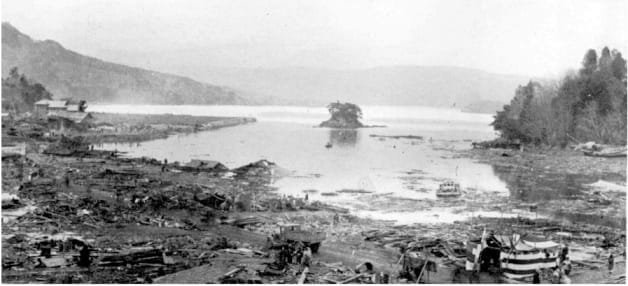
Eyewitnesses describe monstrous waves, some reportedly 15 meters high, racing ashore. Entire docks were obliterated, vessels were hurled inland, and homes by the coast were swept away as if they were mere driftwood. In moments, the lifeline between Lima and the ocean was severed, drowned beneath relentless waves.
7. Stories from the Shoreline: Eyewitness Accounts and Personal Tragedies
Among countless lost lives, some stories have survived the centuries. Residents spoke of narrow escapes—families fleeing uphill just minutes before the tsunami struck, the desperation of mothers clutching children amidst the chaos.
A captain of a Spanish ship in Callao wrote of watching the sea advance “like a living beast,” consuming the port with frightening speed. Survivors were forced to rebuild their identities from the fragments of shattered lives. The emotional toll was profound, embedding itself into local folklore and grief.
8. Destruction of Callao: From a Bustling Port to Rubble
Callao, once a thriving hub, was leveled. Historic records detail the annihilation of warehouses, fortifications, and ships. The crucial port facilities—vital for Peru’s commerce and Spain’s colonial networks—lay in ruins.
The devastation was not just physical but economic: trade ground to a halt, precious goods were lost, and the port’s strategic importance was thrown into question. The city’s fate hung in the balance, a ghostly warning of nature’s supremacy over human endeavors.
9. The Impact on Lima: Ruins in the Capital City
Though inland compared to Callao, Lima did not escape unscathed. The earthquake destroyed hundreds of buildings, including churches and government offices. Streets were clogged with debris; homes crumbled, and public life came to a sudden stop.
The city’s elites, artisans, and clerics faced the daunting task of salvaging governance from the ruins. The urban landscape was irrevocably changed, reminding inhabitants daily of fragility beneath grandeur.
10. The Human Toll: Death, Injury, and Displacement
Sources estimate the death toll between 5,000 to 6,000 people—an enormous share of the population. Many perished not just in the shaking but also drowned in the tsunami’s aftermath.
Countless survivors were displaced, wandering amidst ruins and facing the terrifying realities of loss and uncertainty. Families fragmented; social networks frayed. Hospitals and aid were overwhelmed by the magnitude of suffering.
11. Emergency Response in the 18th Century: Chaos and Compassion
With limited medical knowledge and no organized disaster response, the inhabitants faced overwhelming challenges. Religious institutions became centers of refuge, providing solace and essential charity.
Colonial authorities struggled to maintain order, amid fears of looting and unrest. Yet stories emerge of communal solidarity—neighbors helping neighbors—even as chaos reigned.
12. Rebuilding a City: Architectural and Urban Decisions Post-Disaster
Reconstruction was both an opportunity and a dilemma. Debates ensued over whether to rebuild on the same vulnerable sites or move to safer ground.
Viceroy José Antonio Manso de Velasco implemented new building codes, focusing on earthquake-resistant designs and relocating important structures. The blend of colonial baroque with pragmatic engineering attempted to merge beauty and survival—though the threat remained ever-present.
13. Economic Shockwaves: The Effect on Trade and Colonial Finances
Callao’s paralysis struck a blow to the colonial economy. The port’s destruction severed vital links in the silver trade, agriculture exports, and missionary supplies.
The Spanish Crown poured funds into relief and reconstruction but faced competing demands across its empire. Economic hardship rippled through society, fueling discontent and slowing development.
14. The Role of Religion: Interpreting the Disaster as Divine Punishment
In a devout society, catastrophe was frequently seen as a sign of celestial displeasure. Clergy preached that such calamities were divine warnings against sin and moral decay.
Churches used the disaster to reinforce faith and social control, calling for penance and repentance. Yet for many survivors, faith became both a refuge and a source of existential questioning.
15. Scientific Insights: Early Understanding of Earthquakes and Tsunamis
The 1746 disaster spurred early local observations on seismic and oceanic phenomena, though much remained mysterious.
Natural philosophers and Jesuit scholars began to investigate causes, laying foundational work for later science. Today’s seismologists look back at this event as a stark reminder of the Pacific’s violent geology.
16. Long-Term Social Consequences: Population Changes and Migration
Survivors migrated inland or to less vulnerable areas, reshaping demographic patterns.
The disaster accelerated shifts in labor, property ownership, and social stratification. Indigenous communities found new challenges and opportunities amid the colonial upheaval.
17. The Disaster’s Influence on Local Indigenous and Spanish Relations
The earthquake and tsunami exposed fractures within colonial society. Indigenous populations, often hardest hit, questioned the colonial order that had failed to protect them.
Some leaders sought to leverage the moment to push for rights and better treatment, although colonial authorities reasserted control with a mix of repression and reform.
18. Memory and Legacy: How Lima and Callao Remember 1746
Centuries later, the 1746 Lima–Callao earthquake and tsunami remain etched in communal memory. Monuments, oral histories, and annual commemorations keep alive the lessons of disaster and resilience.
Museums and cultural institutions highlight the event as a defining moment in Peru’s history—marking both tragedy and enduring human spirit.
19. Lessons Learned: Changes in Colonial Policy and Preparedness
The colonial administration improved urban planning, building codes, and emergency protocols—early precursors to modern disaster management.
Authorities began emphasizing scientific observation, although progress was gradual. The 1746 event stands as one of the world’s early recorded megadisasters shaping policy responses.
20. The Lima–Callao Tsunami in the Global Context of Natural Disasters
In the global history of natural disasters, the Lima–Callao tsunami ranks among the deadliest and most destructive of the pre-modern era.
Its impact reverberated beyond Peru, influencing colonial governance approaches in other seismic regions and contributing to growing awareness of nature’s power.
21. Echoes Through Time: Comparing the 1746 Tsunami to Modern Events
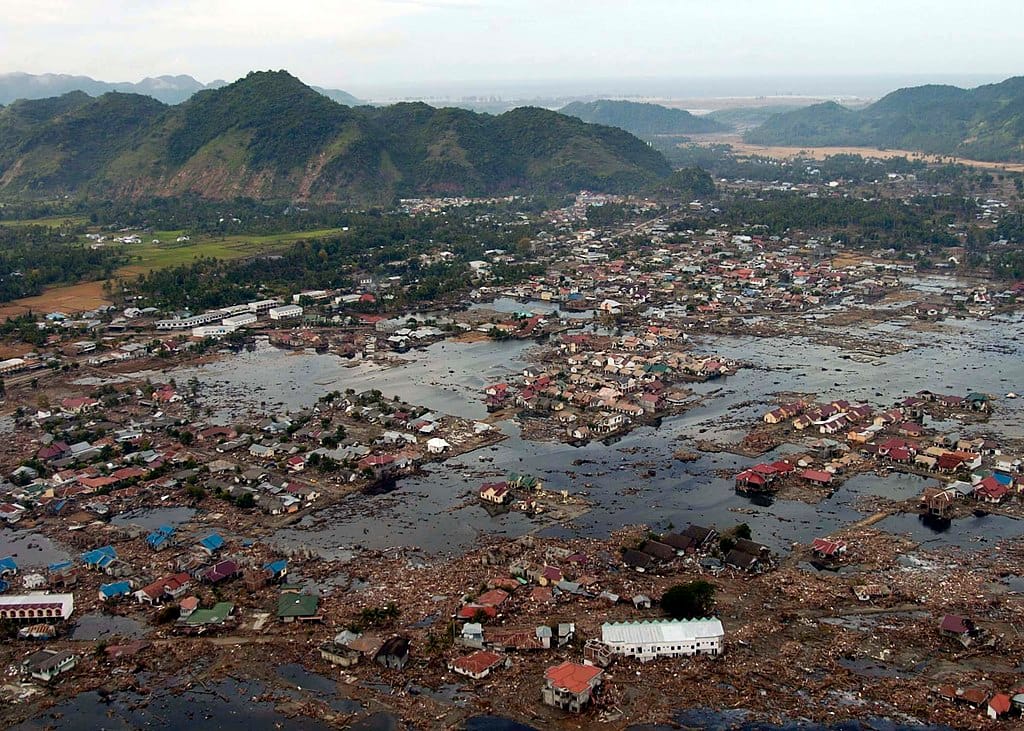
Modern tsunamis—such as the 2004 Indian Ocean disaster and the 2011 Tōhoku earthquake—echo the horror of 1746. Though technology and preparedness have improved, geography remains a constant challenge.
Lima and Callao’s historical resilience offers both inspiration and caution for today’s world, confronting the eternal tension between human ambition and nature’s unpredictability.
Conclusion
The Lima–Callao tsunami of October 28, 1746, was far more than a calamity of shaking earth and surging seas. It was a potent narrative of human vulnerability and resilience, of a society tested by forces beyond comprehension. As the ocean consumed shores and history was rewritten in rubble, the people of Lima and Callao found a way to endure, rebuild, and carry forward lessons etched in loss.
That day stands as a stark, living memory—a reminder that beneath the splendor of human civilization lies a fragile earth, capable of sudden wrath. Yet from the depths of despair rose hope: the determination to rebuild, to understand, and, above all, to survive.
FAQs
Q1: What caused the Lima–Callao tsunami in 1746?
The tsunami was triggered by a massive megathrust earthquake along the subduction zone where the Nazca Plate slips beneath the South American Plate. The sudden seafloor displacement caused huge waves that devastated the coast.
Q2: How extensive was the destruction caused by the earthquake and tsunami?
Callao was virtually destroyed, including its port and warehouses, and Lima suffered severe structural damage. Thousands died, and both cities faced long rebuilding processes.
Q3: Who were the key figures involved in the aftermath?
Viceroy José Antonio Manso de Velasco played a vital role in organizing reconstruction and implementing new building codes aimed at mitigating future disasters.
Q4: How did the disaster affect colonial society and economy?
The destruction disrupted the silver trade and colonial finances, displaced populations, and heightened tensions between indigenous peoples and colonial authorities.
Q5: Did this disaster influence scientific understanding?
Yes. Though knowledge was limited, the event prompted early studies and observations of seismic activity and tsunamis, laying groundwork for later seismology.
Q6: How is the 1746 tsunami remembered today?
Commemorations, monuments, and museum exhibits ensure its legacy remains vivid in Peruvian culture and public memory, symbolizing both tragedy and resilience.
Q7: Were there any changes in urban planning after the disaster?
Yes. New building codes were introduced focusing on earthquake resistance, and some debate occurred about relocating vulnerable communities.
Q8: How does the 1746 tsunami compare to modern tsunamis?
While magnitude and human impact vary, the 1746 event shares similarities with recent disasters, underlining the persistent danger for coastal cities in seismic zones.