Table of Contents
- A Fiery Awakening: The Beginning of the Llaima Eruption
- The Mighty Llaima: Anatomy of a Sleeping Giant
- Historical Echoes: Past Eruptions and Their Legacies
- Araucanía on Edge: The Human Landscape Before the Eruption
- Igniting the Sky: Signs and Rumblings in Late 2008
- The First Explosions: Llaima's Initial Eruptions Unleashed
- Confronting Nature: Challenges for Local Communities and Authorities
- Volcanic Fury in Motion: Scenes from the Heart of the Eruption
- Ash Clouds and Lava Flows: The Physical Impact on Araucanía
- Scientific Eyes on Llaima: Monitoring the Volcano’s Pulse
- The Emergency Response: Evacuations and Contingency Planning
- A Nation Watches: Media, Public Reaction, and Government Action
- Resilience and Displacement: Stories from the Ground
- The Long Goodbye: Llaima's Gradual Decline to Dormancy
- After the Flames: Environmental Scars and Renewal
- Economic Reverberations: Agriculture, Tourism, and Recovery Efforts
- Cultural Memory and the Mapuche People’s Connection to Llaima
- Lessons in Volcanology: What Llaima Taught the World
- The Broader Context: Volcanoes and Chile’s Geological Identity
- A Coda of Fire: Llaima in the Years Following 2009
- Conclusion: The Enduring Legacy of Llaima’s 2008–2009 Rampage
- FAQs: Clarifying the Myths and Facts of the Llaima Eruption
- External Resource
- Internal Link
The skies above the lush green forests of the Araucanía region darkened without warning one spring day in late 2008. Clouds billowed—not of rain but of dense volcanic ash, choking the air with sharp intensity, blotting out the sun, turning day into an eerie twilight. This was the first unmistakable sign that Llaima, one of Chile’s most formidable and historically active volcanoes, had returned from a slumber that stretched decades. For the people who lived in its shadow, it was a moment steeped in dread and wonder—a reminder of Earth’s raw power and fragile human existence.
A Fiery Awakening: The Beginning of the Llaima Eruption
The eruption of Llaima between 2008 and 2009 was not simply an isolated geological event. It was a dramatic reassertion of the majestic and volatile natural forces shaping Chile’s landscape. Against the backdrop of sprawling Araucanía forests and the nearby cities of Temuco and Melipeuco, the mighty volcano burst into fury, casting ash and lava across the region. The initial explosion sent shockwaves of fear and awe—reminding all that nature’s tranquility is but a thin veneer over potential destruction.
For many residents, the sounds of Llaima waking were unlike anything they had heard before: deep, rolling booms echoing through the valleys; tremors that unsettled the ground beneath their homes. Children looked skywards with wide eyes as gray torrents of ash swept over fields and forests, and farmers braced for their crops to be buried beneath this falling dust.
The Mighty Llaima: Anatomy of a Sleeping Giant
Standing at an imposing 3,125 meters, Llaima is one of Chile’s tallest and most active volcanoes. Nestled in the Andes volcanic belt, it has a storied history of activity dating back thousands of years. Its steep, rugged slopes conceal a complex system of geological chambers and fissures, where magma churns and pressure builds beneath the Earth’s crust.
But Llaima is more than a geological entity; it is a symbol, inherently tied to the identity of the Araucanía region and to Chile itself—where volcanic peaks punctuate the horizon with stark beauty and elemental menace.
Historical Echoes: Past Eruptions and Their Legacies
The 2008–2009 eruption was far from Llaima’s first tantrum. With historic records dating as far back as the 17th century, eruptions have been intermittent but impactful, shaping the landscape—and the human settlements surrounding it. The last major eruption before 2008 had plunged the region into chaos in 1994, reminding communities of the volcano’s persistent threat.
These past upheavals cast long shadows in the collective memory. They informed both the scientific monitoring efforts and the local populations' wary respect for the mountain’s whims. The swelling of ash columns was never merely natural spectacle; it was a warning writ large.
Araucanía on Edge: The Human Landscape Before the Eruption
Prior to the volcanic upheaval, Araucanía was a vibrant mosaic of cultures, economies, and ecologies. The region is home to the Mapuche people, Chile’s largest indigenous group, whose cultural and spiritual connection to the land—including Llaima—is profound and enduring.
Agriculture thrived, towns expanded, and tourism began tapping into the volcano’s majestic allure. Life seemed to flow in rhythms both modern and ancestral, with livelihoods and traditions intertwined intimately with the land.
Yet underneath this calm, the underlying threat of volcanic activity simmered quietly—known but often treated as a distant possibility.
Igniting the Sky: Signs and Rumblings in Late 2008
Nature often whispers before it roars. In late 2008, seismographs began detecting unusual tremors under Llaima’s caldera. Gas emissions changed composition, rising to alarming levels, and ground temperatures spiked. These indicators were part of an early warning system that scientists monitored with growing concern.
Residents witnessed subtle shifts—new cracks appearing, small rockfalls along hiking trails, and a strangely acrid scent in the air. But despite these signs, the true scale of what was about to come remained uncertain.
Then, on November 1, the first violent explosions ruptured the mountain’s calm.
The First Explosions: Llaima's Initial Eruptions Unleashed
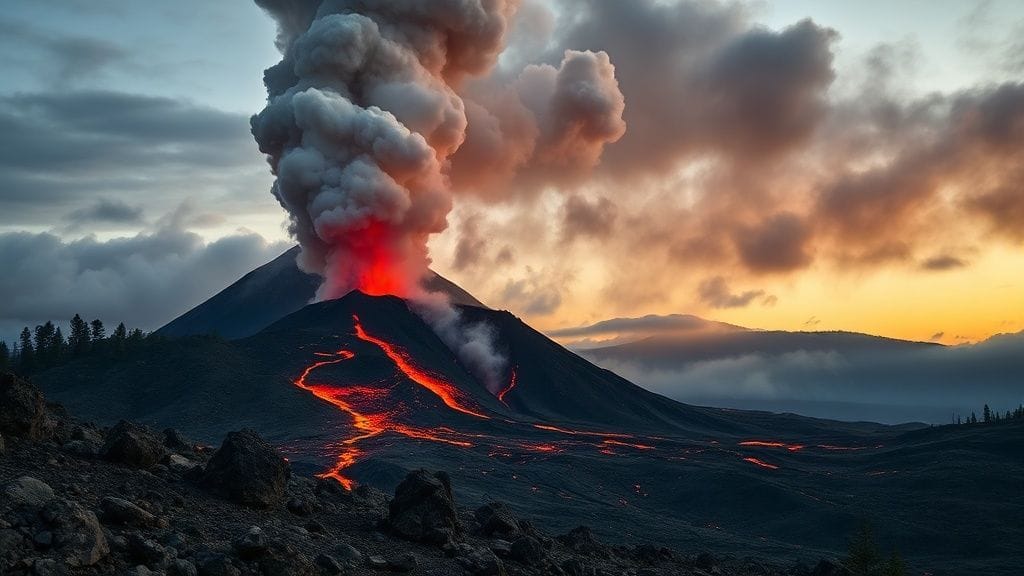
The eruption began with a series of explosive blasts that shattered the Andes’ serene peaks. Columns of volcanic ash soared tens of kilometers into the stratosphere, carried by prevailing winds across Araucanía and beyond.
The ground trembled, and fissures opened, emitting lava flows that crept sluggishly into the forests below. Villages in the direct path were immediately threatened, triggering alarms and forcing rapid responses.
For the people who had lived alongside Llaima for generations, the volcano’s awakening was both awe-inspiring and terrifying—a vivid spectacle of nature’s unpredictable might.
Confronting Nature: Challenges for Local Communities and Authorities
Responding to an erupting volcano is never a simple task. The Chilean government, in coordination with local authorities and scientific agencies, faced the staggering responsibility of protecting lives amid unfolding disaster.
Evacuation orders were issued for several small towns, including Melipeuco and Cunco, where ash contaminated water supplies and poor visibility impeded transportation. Schools closed, and emergency shelters became temporary homes for displaced families.
Inter-agency cooperation was vital, yet challenges abounded—logistical hurdles, misinformation, and the difficult task of reconciling urgent safety protocols with the deeply rooted cultural ties residents had to their land.
Volcanic Fury in Motion: Scenes from the Heart of the Eruption
Eyewitness accounts from this period paint a vivid picture of chaos and wonder. Residents described nights illuminated by the eerie red glow of lava fountains, the sky painted with ash blackening the pale moon; livestock lost, ancient trees incinerated, and the soil buried under thick layers of grey ash.
One local elder recalled, “The mountain spoke to us with fire. We felt its anger, but also its sorrow. It is part of us; we cannot turn away.”
Despite the destruction, there was a palpable collective spirit, a determination to endure. Emergency workers labored tirelessly amid choking ash clouds, using bulldozers and construction crews to clear roads and protect critical infrastructure.
Ash Clouds and Lava Flows: The Physical Impact on Araucanía
The eruption’s impact was multifaceted. Volcanic ash fell over thousands of square kilometers, jeopardizing agriculture, clogging machinery, and harming respiratory health in humans and animals alike. Crops, especially staple grains and fruits, suffered devastating losses.
Meanwhile, lava flows altered the landscape—forests and pastures were buried beneath molten rock, creating new topographies but erasing old ones. Rivers were temporarily dammed by pyroclastic deposits, disrupting ecosystems and water access.
The environmental toll was grim, yet it also opened pathways for future ecological renewal, as pioneering species would eventually colonize the barren ash.
Scientific Eyes on Llaima: Monitoring the Volcano’s Pulse
Critical to managing the crisis was the rigorous monitoring spearheaded by Chile’s National Geology and Mining Service (SERNAGEOMIN). Using seismic networks, satellite imagery, gas analyzers, and thermal cameras, scientists tracked Llaima's changing behavior with increasing precision.
Day by day, experts deciphered the volcano’s signals—patterns of eruptions, variations in ash emission, and gas fluctuations—to anticipate potential escalations or lulls.
This data guided public warnings and evacuation strategies, illustrating how modern technology and scientific expertise can coexist with the ancient power of nature.
The Emergency Response: Evacuations and Contingency Planning
The swift mobilization of emergency services was paramount. Evacuations were conducted with urgency but also humanity—priority was given to the elderly, children, and those with health vulnerabilities.
Temporary shelters were established with basic supplies, medical care, and psychological support, recognizing the trauma inflicted by displacement. Local authorities engaged with Mapuche leaders to respect cultural practices amid the chaos.
This coordinated effort, while imperfect, saved countless lives and demonstrated Chile’s growing experience in disaster response.
A Nation Watches: Media, Public Reaction, and Government Action
National media covered the eruption with a mix of urgency and admiration. Television broadcasts brought the glowing lava fountains and drifting ash clouds directly into living rooms across Chile, igniting public empathy and concern.
Government officials visited affected areas, pledging support and investment to rebuild. Yet, criticism emerged over preparation gaps and the speed of response—a recurring theme in natural disasters worldwide.
For many Chileans, Llaima’s eruption was a stark reminder of their country’s unique geological position and vulnerability.
Resilience and Displacement: Stories from the Ground
Beyond statistics and strategies lie the human stories. Families torn from homes, livelihoods lost, yet at the same time, acts of solidarity, neighborly generosity, and the unyielding tenacity of people embracing uncertainty with hope.
One family recounted sleeping under ash-filled skies, fearing the mountain’s next roar but finding solace in community prayers and shared meals. Children, once frightened, learned to see the eruption not only as destructive but as a force of nature that demanded respect and adaptation.
The Long Goodbye: Llaima's Gradual Decline to Dormancy
By mid-2009, after months of intermittent explosions and rumblings, Llaima showed signs of calming. The ash clouds thinned, lava flows slowed, and seismic activity decreased.
Relief swept across Araucanía, but the experience left indelible marks—both physically on the land and psychologically in the hearts of its people.
The volcano had reminded all that peace can be temporary, and vigilance perpetual.
After the Flames: Environmental Scars and Renewal
In the aftermath, scientists turned their attention to ecological recovery. They observed how pioneer plants began to colonize cooled lava fields, how wildlife gradually returned, and how soil composition evolved.
This slow process of renewal held symbolic power—a reassurance that after devastation, life finds a way to begin anew. Yet, the scars on forests and farmlands would not fully heal for years.
Economic Reverberations: Agriculture, Tourism, and Recovery Efforts
Economically, the eruption dealt severe blows. Agricultural losses threatened food security and incomes. Tourism, a growing sector around Llaima and nearby national parks, stalled under the shadow of ash and safety concerns.
Recovery was compounded by existing regional underdevelopment. Government aid programs and international assistance aimed to revitalize local economies, improve infrastructure, and prepare the region better for future events.
Cultural Memory and the Mapuche People’s Connection to Llaima
For the Mapuche, Llaima is a sacred mountain, or "pillán," embodying spiritual forces. The eruption was interpreted not only as geological activity but as a communication from ancestral spirits.
This deeper cultural lens influenced local responses—rituals were performed to appease the volcano, and oral histories enriched public understanding, bridging science and tradition.
The eruption reaffirmed the vital importance of indigenous knowledge in comprehending and respecting natural phenomena.
Lessons in Volcanology: What Llaima Taught the World
From a scientific viewpoint, the 2008–2009 eruption offered valuable insights into volcanic behavior, early warning signs, and eruption dynamics.
It highlighted the necessity of continuous monitoring and comprehensive disaster preparedness, especially in regions where human settlements brush against volatile geology.
Chile, situated on the restless Pacific Ring of Fire, has since integrated these lessons into national policies.
The Broader Context: Volcanoes and Chile’s Geological Identity
Llaima’s story is part of a larger narrative about Chile’s location along one of the planet’s most geologically active zones.
From the colossal Andes to the string of volcanoes that line its spine, the nation is shaped by fire and tectonic shifts. These forces sculpt mountains, influence climates, and pose risks—but also imbue Chilean landscapes with breathtaking majesty.
Understanding Llaima’s eruption means embracing this dynamic geological identity.
A Coda of Fire: Llaima in the Years Following 2009
While the volcano settled after 2009, Llaima remained under watch, reminding the world that dormancy does not equal extinction.
Minor activity continued sporadically, and preparation programs persisted, reflecting a commitment to coexist with this powerful neighbor.
Conclusion: The Enduring Legacy of Llaima’s 2008–2009 Rampage
The eruption of Llaima between 2008 and 2009 was a poignant chapter in the story of Chile’s relationship with its land—knotted with awe, fear, resilience, and respect.
It tested the limits of human preparedness, revealed the strength of communities, and underscored the intimate ties between environment, culture, and identity.
As ashes settled and lives rebuilt, Llaima’s fiery display remained a testament to the planet’s restless spirit—and to humanity’s enduring capacity to rise amid the ashes.
FAQs
Q1: What caused the Llaima eruption in 2008–2009?
A1: The eruption was caused by the accumulation of magma beneath the volcano’s surface, leading to increased pressure that eventually shattered the crust. This process is typical in subduction zones like the Andes, where the Nazca Plate dives beneath the South American Plate, generating volcanism.
Q2: How many people were displaced during the eruption?
A2: Thousands were temporarily displaced as evacuations were ordered in towns like Melipeuco and Cunco. Emergency shelters housed displaced families for weeks to months as ash and lava posed ongoing threats.
Q3: What role did the Mapuche culture play during the eruption?
A3: The Mapuche people hold Llaima as a sacred mountain, interpreting its eruption through spiritual views. Their cultural practices included rituals meant to appease the volcano, offering a unique perspective alongside scientific monitoring.
Q4: How did Chilean authorities respond to the eruption?
A4: Authorities activated emergency protocols involving evacuations, public warnings, and coordination between scientific agencies and local governments. The response underscored both strengths and gaps in disaster preparedness.
Q5: Did the eruption affect the environment permanently?
A5: While the eruption caused significant environmental damage—ash burial, forest fires, soil changes—ecosystems gradually recovered. Volcanic soils eventually became fertile grounds but required years of natural renewal.
Q6: What scientific advancements came from studying Llaima?
A6: Monitoring methods improved, especially in seismic detection and gas analysis, advancing understanding of warning signs before major eruptions. These insights contributed to better volcanic risk management.
Q7: How frequent are eruptions at Llaima?
A7: Llaima is one of Chile’s most active volcanoes, with eruptive periods recorded historically about every 10 to 40 years. Its activity is characterized by explosive eruptions and lava flows of varying intensity.
Q8: Is Llaima still considered a threat today?
A8: Yes, Llaima remains active and is closely monitored by Chilean geological authorities. Its potential for future eruptions means vigilance and preparedness continue to be essential for surrounding communities.

