Table of Contents
- Introduction
- Birth and Early Life
- Education and Character Formation
- Marriage to Marie Antoinette
- Early Reign and Political Climate
- Financial Crisis and Reforms
- Growing Discontent in France
- The Estates-General of 1789
- The Storming of the Bastille
- Constitutional Monarchy Experiment
- Flight to Varennes
- The Fall of the Monarchy
- Trial and Charges of Treason
- Execution and Public Reaction
- Legacy in French History
- Louis XVI in Modern Memory
- Controversies and Historical Debates
- Lessons from His Reign
- Conclusion
- External Resource
- Internal Link
1. Introduction
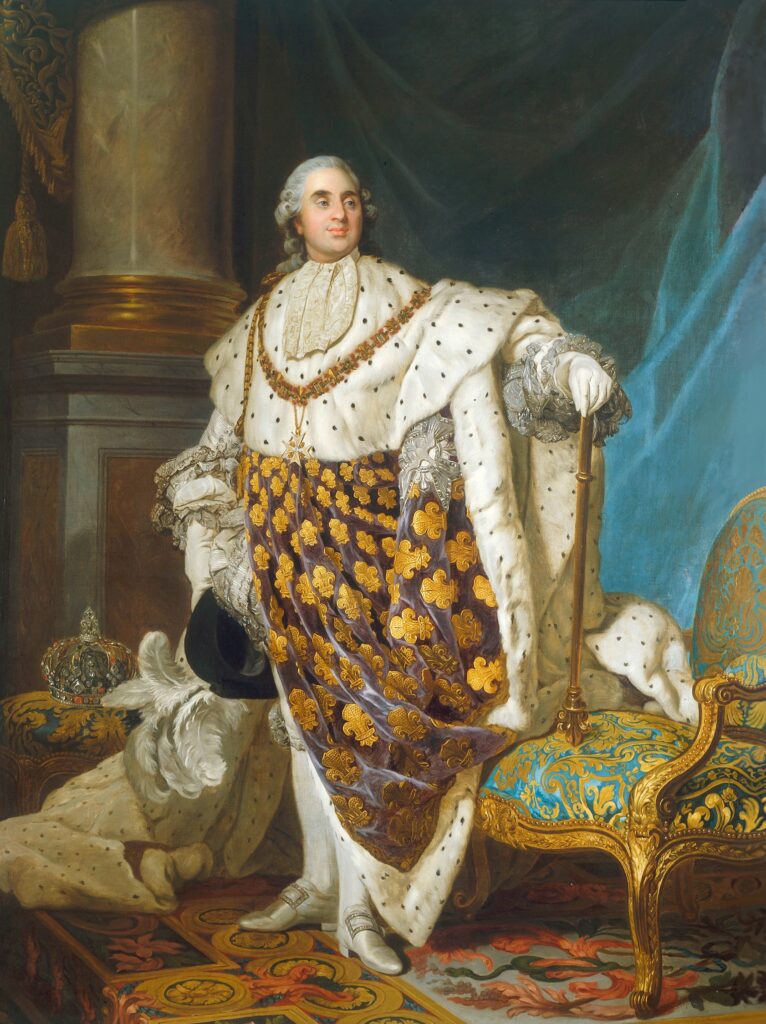
Louis XVI, born on August 23, 1754, at the Palace of Versailles, inherited one of the most powerful thrones in Europe. Yet, he would be remembered less for his power and more for his tragic fall during the French Revolution. His reign saw the collapse of the Ancien Régime, the rise of revolutionary ideals, and ultimately, his execution. It’s a story filled with grandeur, hesitation, and the unstoppable force of change.
2. Birth and Early Life
Louis-Auguste was the second son of the Dauphin Louis and Maria Josepha of Saxony. He was not initially destined to be king, but the death of his elder brother made him heir to the throne. Growing up in the opulent environment of Versailles, he was surrounded by tutors, etiquette, and courtly traditions, yet often described as shy and reserved.
3. Education and Character Formation
His education focused on history, Latin, geography, and moral philosophy, but he showed more interest in practical skills like lock-making and hunting than in politics. This lack of early political training would later contribute to his indecision during the Revolution.
4. Marriage to Marie Antoinette
At 15, Louis married 14-year-old Archduchess Marie Antoinette of Austria in 1770, sealing a political alliance between France and Austria. Their union, though politically significant, faced criticism from the French public, who were suspicious of Austrian influence.
5. Early Reign and Political Climate
Louis became king in 1774 at just 19 years old. France faced deep financial problems from costly wars, including support for the American Revolution. Although he was well-intentioned, his cautious nature and reluctance to confront the nobility delayed necessary reforms.
6. Financial Crisis and Reforms
France’s debt spiraled out of control. Finance ministers like Turgot and Necker proposed reforms—cutting court expenses, taxing the privileged classes—but resistance from the nobility and court intrigue often undermined these efforts.
7. Growing Discontent in France
While the king’s court lived in luxury, bread prices soared, and ordinary people suffered. Pamphlets, salons, and political clubs spread revolutionary ideas, fueled by Enlightenment philosophies and resentment toward privilege.
8. The Estates-General of 1789
Facing bankruptcy, Louis convened the Estates-General, a representative assembly of clergy, nobility, and commoners. The Third Estate, frustrated by inequality, broke away to form the National Assembly, marking the Revolution’s political beginning.
9. The Storming of the Bastille
On July 14, 1789, Parisians stormed the Bastille, a royal fortress-prison. This symbolic act challenged royal authority and signaled that the Revolution had moved beyond negotiation.
10. Constitutional Monarchy Experiment
The National Assembly sought to limit the king’s powers within a constitutional framework. Louis publicly accepted reforms but privately resisted, hoping foreign intervention would restore his authority.
11. Flight to Varennes
In June 1791, Louis and his family attempted to flee Paris to rally support from loyalist forces. They were captured in Varennes and brought back to the capital under heavy guard—a turning point that eroded what little trust remained.
12. The Fall of the Monarchy
By 1792, France was at war with Austria and Prussia. Revolutionary fervor intensified, and the monarchy was formally abolished on September 21, 1792. Louis was now “Citizen Louis Capet.”
13. Trial and Charges of Treason
Louis was tried by the National Convention for conspiracy against liberty and the security of the state. Found guilty, he was sentenced to death by a narrow margin.
14. Execution and Public Reaction
On January 21, 1793, Louis XVI was executed by guillotine in Paris’s Place de la Révolution. Witnesses reported that he faced death with dignity, proclaiming his innocence and praying for France.
15. Legacy in French History
Louis XVI’s reign remains a defining chapter in French history. He is often portrayed as a well-meaning but indecisive monarch, unable to adapt to the revolutionary tide sweeping his nation.
16. Louis XVI in Modern Memory
In modern France, Louis is remembered with a mix of sympathy and criticism. Some view him as a martyr, others as a symbol of royal failure.
17. Controversies and Historical Debates
Historians debate whether his downfall was inevitable due to structural issues in France or accelerated by his personal decisions. Some argue that even a stronger ruler would have struggled to save the monarchy.
18. Lessons from His Reign
From Louis XVI’s story, we learn the cost of indecision, the danger of ignoring social unrest, and the challenges of balancing tradition with necessary reform.
19. Conclusion
Louis XVI’s life reflects the clash between monarchy and modern democracy. His fall was not just the end of a king, but the beginning of a new political era in France.
20. External Resource
🌐 Wikipedia – Louis XVI of France