Table of Contents
- The Deadly Roar: Managua Awakens to Catastrophe
- A City in Flames: The Immediate Aftermath of the Quake
- The Tectonic Truth: Understanding the Seismic Causes
- Nicaragua on the Edge: Political Climate Before December 1972
- December 23, 1972: When the Earth Trembled
- Human Stories Amidst the Rubble
- The Collapse of Managua’s Infrastructure: Hospitals, Power, and Hope
- National and Global Response: Aid, Solidarity, and Struggles
- The Somoza Regime under Fire: Politics Shaken Beyond the Ground
- Rebuilding Dreams: The Quest for a New Managua
- International Aid and its Ambiguities: Charity or Control?
- Social Inequality Made Visible by Disaster
- The Role of Media: Narratives of Destruction and Survival
- The Earthquake’s Impact on Nicaragua’s Cultural Identity
- The Long Road to Recovery: Decades of Challenge and Resilience
- Lessons Learned: Disaster Preparedness and Urban Planning
- Science and Memory: How the 1972 Earthquake Transformed Seismology in Nicaragua
- A Wound Never Fully Healed: Collective Memory and Commemoration
- Conclusion: From Ruins to Resolve—Managua’s Enduring Spirit
- FAQs: Understanding the Managua Earthquake of 1972
- External Resource
- Internal Link
The Deadly Roar: Managua Awakens to Catastrophe
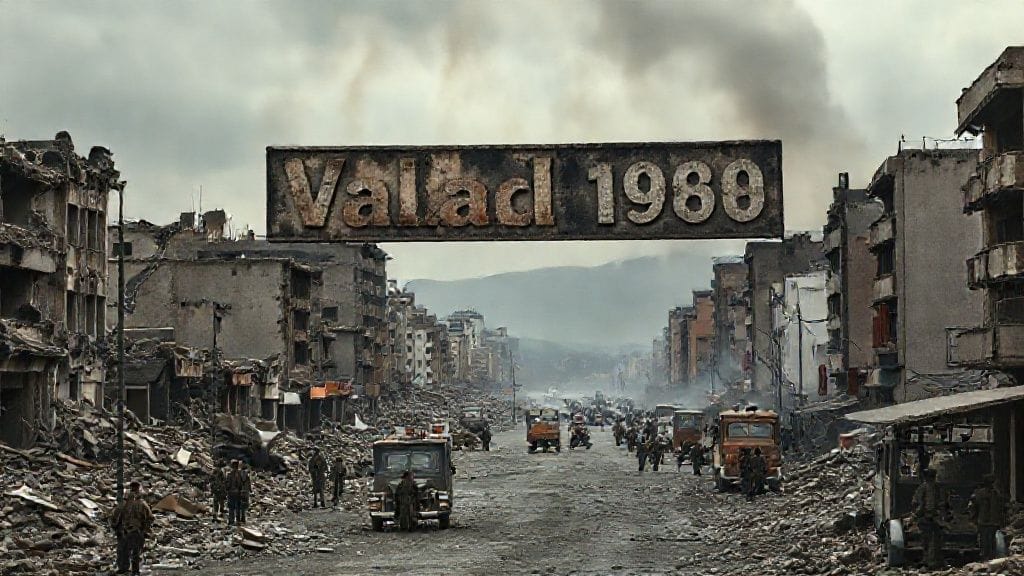
In the silent early hours before Christmas of 1972, Managua—a city teeming with life, energy, and the echoes of decades of history—was torn apart in an instant. The ground trembled with a deep, unrelenting roar that shattered windows, crumbled buildings, and fractured the very heart of Nicaragua's capital. It was 5:30 a.m. when the earth betrayed its resilient citizens, bringing devastation that would reshape the city and the nation forever. The air filled with dust and despair, the screams of those trapped beneath rubble mingled with the stunned cries of survivors emerging into a new, unrecognizable dawn.
This seismic event was not just a natural disaster; it was a signal that revealed the vulnerabilities of a society marked by deep divisions and political tension. The 1972 Managua earthquake would not only destroy homes but would unravel a fragile political order, strip away illusions of safety, and test the resilience of the Nicaraguan people in profound ways.
A City in Flames: The Immediate Aftermath of the Quake
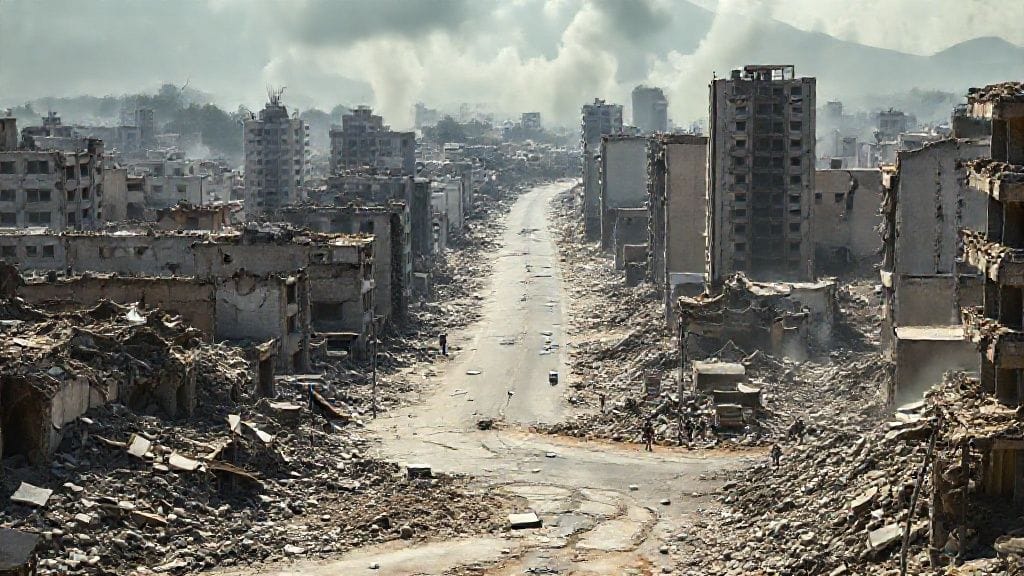
In the hours that followed, Managua was a city in chaos. Fires ignited from broken gas lines and electrical faults spread wildly across neighborhoods, competing with the cries of survivors as the dominant soundtrack of the morning. Hospitals, already overwhelmed and damaged, struggled to cope with the sheer volume of injured. Streets cracked open, trapping families and entire communities beneath tons of concrete and bricks.
The smoke hung heavy over the once-vibrant city, obscuring the rising sun and blotting out hope. More than 10,000 people would perish, with thousands more injured or displaced. Over a third of the city’s buildings were destroyed or rendered uninhabitable. Entire neighborhoods vanished. Yet amidst this horror, stories of heroism and solidarity began to flicker: families pulled neighbors from ruins by hand, strangers became rescuers, and prayers filled the air as Managua struggled to breathe once more.
The Tectonic Truth: Understanding the Seismic Causes
Nicaragua lies on a perilous juncture where the Cocos Plate subducts beneath the Caribbean Plate, a tectonic interaction that makes the region one of Central America’s most earthquake-prone zones. Managua’s location near the San Andreas Fault system and various local fault lines means the city sits precariously on the fault line of nature’s fury.
The earthquake on December 23, 1972, struck at a magnitude of 6.3—a moderate scale on the Richter scale, but deadly due to shallow depth and poor building standards. The seismic waves rippled violently across the urban landscape, and the geology of Managua’s soft lakebed sediments amplified shaking, causing disproportionate damage. Nature’s invisible mechanics had converged to unleash a catastrophe from beneath the earth’s surface.
Nicaragua on the Edge: Political Climate Before December 1972
To fully grasp the earthquake's impact, one must peer into the storm brewing above ground. Nicaragua was under the autocratic grip of the Somoza family, who had ruled with iron hands for decades. The regime was marked by corruption, repression, and stark inequality. President Anastasio Somoza Debayle’s government wielded power with little regard for the populace’s well-being or political freedoms.
Tensions simmered beneath the surface as opposition groups gained momentum, emboldened by the region’s broader struggles for justice and freedom. The Somoza regime had little experience with genuine crisis management that put people before power, and Managua’s dense urban sprawl reflected the contradictions between modernization efforts and social neglect.
December 23, 1972: When the Earth Trembled
The morning of December 23 dawned like any other festive day. But then the earth began to shake—first a tremor, then a roar, then rupture. Over a period of less than 40 seconds, commercial centers, homes, and schools transformed into heaps of rubble. Concrete cracked, steel beams buckled, and dreams dissolved in dust.
Eyewitnesses recount the horror vividly: José Martínez, a market vendor, later told reporters, “The ground felt alive—like a beast beneath us. In seconds, my entire world was gone.” The quake was followed by numerous aftershocks, each a cruel reminder of the instability below and above ground.
Human Stories Amidst the Rubble
Amid the destruction, human stories emerged—some harrowing, others inspiring. A nurse named Carmen Rodriguez described working through the night in makeshift clinics, tending to broken bodies and shattered spirits alike. A family trapped under their collapsed home was rescued after 48 harrowing hours thanks to neighbors’ relentless digging.
Children orphaned or displaced wandered the streets, clutching to remnants of what once was. These individual accounts transform statistics into palpable sorrow and infinite resolve. The earthquake was as much about human endurance as physical destruction.
The Collapse of Managua’s Infrastructure: Hospitals, Power, and Hope
Managua’s infrastructure was catastrophically hit. The main hospitals—fundamental for rescue and treatment—were destroyed or severely damaged, leaving the injured to suffer without adequate care. Power grids failed, plunging the city into darkness. Water systems broke down, turning desperation into a tangible entity.
Communications vanished just as the need for coordination skyrocketed. This technological and logistic failure compounded the human tragedy, making rescue efforts haphazard and chaotic in the crucial hours after the quake.
National and Global Response: Aid, Solidarity, and Struggles
News of Managua’s disaster spread quickly, stirring sympathy worldwide. Governments, NGOs, and private citizens mobilized aid. Yet, the distribution of help was not immune to political interference. The Somoza regime famously diverted large amounts of aid for personal gain, a scandal that shocked both locals and international donors.
International brigades arrived alongside volunteer crews, but frustration mounted as survivors voiced accusations of neglect and inequality. Solidarity proved both a balm and a battleground in the quake’s wake.
The Somoza Regime under Fire: Politics Shaken Beyond the Ground
The earthquake exposed the cracks beneath the Somoza regime’s façade. Accusations of corruption and misuse of aid fueled opposition. The government’s handling—or mishandling—of the crisis ignited public outrage and deepened resentment.
This failure to govern effectively under pressure catalyzed a surge in political opposition, including the Sandinista National Liberation Front (FSLN). The earthquake became a turning point, not only physically but politically, bundling the nation’s fault lines—earthly and human—into one explosive moment.
Rebuilding Dreams: The Quest for a New Managua
In the quake’s aftermath, Managua was not just to be rebuilt; it was to be reinvented. Plans emerged for new architecture, urban planning approaches, and modern infrastructure. However, progress was slow and fraught.
The promise of a new city clashed with political interests and resource scarcity. Entire neighborhoods were never rebuilt as many survivors were displaced permanently to rural areas or neighboring countries. The trauma lingered in both concrete and human hearts.
International Aid and its Ambiguities: Charity or Control?
Foreign aid was essential but not uncomplicated. The infusion of international funds came with strings attached, often prioritized toward projects serving political interests rather than the immediate needs of the population.
Critics argued that aid helped prop up the Somoza regime just as much as it helped victims. The earthquake relief unveiled the complex dynamics of international humanitarianism in politically sensitive environments.
Social Inequality Made Visible by Disaster
The Managua earthquake brutally illuminated stark social inequalities. Wealthier districts suffered less damage due to better construction, while poorer neighborhoods built hastily on soft soil were leveled. The disaster was a mirror reflecting long-ignored social disparities.
The earthquake’s destruction extended beyond buildings—it demolished fragile urban social contracts and demanded a reckoning with issues of class, access, and justice.
The Role of Media: Narratives of Destruction and Survival
Journalists, photographers, and radio broadcasters shaped the global narrative. Early images of smoke-choked ruins and desperate survivors were transmitted worldwide, igniting emotional and financial support.
Yet, media also became a tool for political messaging. The Somoza regime sought to control the story, downplaying failures and emphasizing recovery efforts to maintain legitimacy amid growing skepticism.
The Earthquake’s Impact on Nicaragua’s Cultural Identity
The trauma and loss entered Nicaragua’s cultural consciousness. Writers, musicians, and artists memorialized the event through their work. The earthquake became a symbol of both suffering and resistance, shaping national identity in profound, lasting ways.
This disaster was not only a physical event but a cultural rupture inspiring expressions of grief, hope, and critique.
The Long Road to Recovery: Decades of Challenge and Resilience
Decades after the quake, Managua still bore scars—both visible and hidden. Recovery was hampered by political instability, economic crises, and natural disasters. Yet, the city’s people demonstrated remarkable resilience, rebuilding communities and fostering new social movements.
The 1972 earthquake remained a reference point for urban planners, politicians, and citizens alike as Managua struggled toward a future beyond tragedy.
Lessons Learned: Disaster Preparedness and Urban Planning
The catastrophe led to important lessons in seismic risk awareness. Building codes, emergency response systems, and urban planning were revisited, albeit slowly. Nicaragua’s vulnerability to natural disasters gained new recognition in national policy circles and academics.
The earthquake became a case study in how neglect and political dysfunction deepen disaster impacts—and how preparedness can save lives.
Science and Memory: How the 1972 Earthquake Transformed Seismology in Nicaragua
In the quake’s wake, Nicaragua embraced the study of earthquakes with fresh urgency. Seismology programs were developed, early warning systems explored, and regional cooperation on disaster risk increased.
Scientific memory preserved the event not only as tragedy but as crucial knowledge for future generations.
A Wound Never Fully Healed: Collective Memory and Commemoration
The 1972 earthquake remains seared into Nicaragua’s collective memory. Annual commemorations, monuments, and survivor testimonies keep the story alive. Yet, for many, the wound is still raw—reminders of loss, injustice, and the fragility of life persist.
The earthquake stands as a testament to human vulnerability and the enduring strength of those who survived.
Conclusion: From Ruins to Resolve—Managua’s Enduring Spirit
Nearly half a century has passed since that fateful morning when Managua was shattered by the earth’s sudden wrath. The scars remain—in stone, in politics, in hearts—but so too does the spirit of a city and a nation determined not to be defined by catastrophe alone. The 1972 earthquake revealed the profound fragility of human endeavors against nature’s unpredictable forces, but it also exposed resilience, solidarity, and a relentless will to rebuild.
Managua’s story is a powerful reminder that disaster is never only an act of destruction. It is also a mirror showing social fault lines, a catalyst for political change, and, ultimately, a crucible from which hope can emerge anew. The echoes of December 23, 1972, continue to shape Nicaragua’s identity—an enduring narrative of tragedy and tenacity.
FAQs
Q1: What caused the 1972 Managua earthquake?
A1: It was caused by tectonic movements at the boundary where the Cocos Plate subducts beneath the Caribbean Plate. The quake’s shallow depth and the city's location on soft sediments amplified the damage.
Q2: How many people died in the Managua earthquake?
A2: Approximately 10,000 people lost their lives, and many thousands more were injured or displaced.
Q3: How did the Somoza regime respond to the disaster?
A3: The regime faced severe criticism for corruption and mismanagement, including the diversion of international aid, which undermined trust and fueled opposition.
Q4: What were some long-term impacts of the earthquake on Managua?
A4: The quake reshaped urban development, exposed social inequalities, prompted changes in disaster preparedness, and influenced political dynamics leading up to the Sandinista revolution.
Q5: How did international aid affect Nicaragua after the quake?
A5: While it provided much-needed resources, aid distribution was politicized, sometimes benefiting the regime rather than victims, highlighting complexities in humanitarian intervention.
Q6: Are there permanent memorials to the earthquake in Managua?
A6: Yes, several monuments and annual commemorations honor the victims and remind citizens of the disaster's lasting legacy.
Q7: What lessons have been learned from the Managua earthquake?
A7: Key lessons include the importance of strict building codes, better urban planning on vulnerable soils, and improved disaster response coordination.
Q8: How is the 1972 earthquake remembered culturally?
A8: It has inspired numerous artistic expressions, including literature, music, and visual arts, reflecting themes of loss, resilience, and social critique.