Table of Contents
- The Roar Beneath the Waves: Dawn of the 1932 Mexico Tsunami
- Geological Prelude: The Pacific’s Powerful Grip on Colima and Jalisco
- Life in the Shadows of the Sea: Communities Before the Disaster
- The Day the Earth Trembled: June 22, 1932, an Unforgettable Morning
- The Massive Undersea Earthquake: Mechanics and Magnitude
- First Signs and Fright: Initial Reactions Along the Coast
- The Tsunami Unleashed: Waves That Transformed Shores
- The Human Tragedy: Stories of Loss, Survival, and Courage
- Emergency Response and Rescue Efforts in 1932
- Scientific Understanding in the Early 20th Century: Tsunami Awareness Then
- Media and Communication: How News Spread Amid Chaos
- Impact on Colima and Jalisco: Physical, Economic, and Social Devastation
- National and International Response: Help Beyond Borders
- Rebuilding Lives: Recovery Efforts and Long-Term Consequences
- Lessons from 1932: How the Tsunami Shaped Mexican Disaster Preparedness
- The Tsunami in Cultural Memory: Literature, Art, and Oral Histories
- Modern Scientific Reevaluations: Revisiting the 1932 Event
- Comparative Analysis: Mexico’s 1932 Tsunami and Other Historic Pacific Tsunamis
- The Legacy of 1932 for Coastal Communities Today
- Conclusion: The Endless Dialogue Between Nature and Humanity
- FAQs: Understanding the 1932 Mexico Tsunami
- External Resource
- Internal Link
The Roar Beneath the Waves: Dawn of the 1932 Mexico Tsunami
On the humid morning of June 22, 1932, the tranquil Pacific coastlines of Colima and Jalisco in Mexico woke under a sky of soft pastels, as fishermen readied their boats and children played along the sandy shores. Yet, unbeknownst to them, hidden far beneath the serene surface of the ocean, the earth was stirring with ominous force. Without warning, an immense rumble shook the land—a precursor to something far more terrifying: a colossal tsunami that would reshape lives, coastlines, and the collective memory of a nation.
The ocean, usually a giver of life and sustenance, became an unforgiving giant. Waves tens of meters high swept inward, swallowing homes, sweeping away families, crops, and livelihoods. The disaster was more than a natural event; it was a brutal rupture of normalcy. For those who lived along those shores, the mundane became unimaginable in an instant. The 1932 Mexico Tsunami was not just a geological phenomenon; it was a human saga etched in saltwater and sorrow.
Geological Prelude: The Pacific’s Powerful Grip on Colima and Jalisco
Nestled along Mexico’s western coastline, the regions of Colima and Jalisco sit precariously on the edge of the Pacific Ring of Fire—a notorious whipcrack of seismic activity encircling the Pacific Ocean basin. This volatile zone is where tectonic plates collide, dive, and grind, perpetually shifting the earth’s crust with unpredictable vigor.
Beneath the Pacific waters off the Mexican coast lies the complex interface between the Cocos Plate and the North American Plate. It is here, where the ocean floor pushes underneath the continent—a process known as subduction—that monumental earthquakes find their birth. These subterranean convulsions, often violent and abrupt, have history marked with devastating tsunamis.
Before 1932, seismic activity in the area was a known but little understood threat. Fishermen and villagers had anecdotal memories of strange sea behavior and earth tremors—portents of deeper unrest. The volcanic landscapes of Colima, too, were silent reminders of the earth’s latent wrath. But the sheer scale of this impending catastrophe remained beyond the grasp of the local consciousness.
Life in the Shadows of the Sea: Communities Before the Disaster
The coastal towns of Colima and Jalisco were humble but thriving pockets of Mexican life, nourished by the rhythms of the sea and sun. Fishing was the lifeblood: nets cast at dawn, markets bursting with fresh catch by midday. Families lived in adobe homes, community painted with color and tradition.
In towns like Manzanillo, which had begun to develop into a critical Pacific port, the blend of indigenous customs and colonial influence formed a fabric of resilience mingled with vulnerability. The ocean was a familiar friend—its tempests tolerated, its beauty revered.
Children played along the shore, merchants prepared their stalls, and farmers worked the fertile lands behind the beaches. The sea was a constant presence—sometimes fickle but mostly predictable. This serene routine was a fragile bubble waiting to be burst by the unseen forces beneath the waves.
The Day the Earth Trembled: June 22, 1932, an Unforgettable Morning
June 22 began much like any other day. As light spilled over the horizon, a subtle shift stirred. Then, at approximately 5:20 a.m., the ground beneath Colima and Jalisco convulsed violently. The earthquake lasted minutes but felt eternal to those caught in its grasp.
Buildings swayed precariously; pottery shattered; doors banged against walls. Some villagers ran outside, hearts pounding, instinctually seeking open spaces. But this was not a mere quake. This was a preamble to the sea’s fierce answer.
What initially was an intense tremor quickly descended into silence—a lull before a monstrous roar. Above the horizon, the ocean withdrew unnaturally, creating a brief but eerie moment of exposed seabed and frantic birds circling in confusion.
Then came the first wave.
The Massive Undersea Earthquake: Mechanics and Magnitude
Seismologists later estimated the magnitude of the earthquake responsible for the tsunami to be between 7.6 and 7.8, placing it among the most significant quakes recorded in the region during the early 20th century.
The quake, originating along the subduction zone, unleashed immense energy by rupturing a vast section of the seabed fault line. This sudden displacement forced millions of tons of seawater upward, triggering what would become a killer tsunami.
The mechanics are as brutal as they are fascinating: the ocean, forced out of equilibrium by the earth’s rupture, sought to regain balance, sending wave trains at hundreds of kilometers per hour toward the coastline. The energy accumulated in the water column was catastrophic for anything in its path.
First Signs and Fright: Initial Reactions Along the Coast
The most haunting aspect of tsunamis is the delay between the earthquake and the arrival of the waves. For some residents, there was a precious window of time—a chance to react or flee.
But in 1932, early warning systems were non-existent, and scientific understanding was minimal. Many locals witnessed the ocean receding, an unnatural glimpse of the seabed awash with marine life suddenly exposed. Fishermen, recognizing danger, tried desperately to pull boats inland, but confusion and sheer lack of information prevailed.
Stories were told of villagers racing to the hills, clutching children, and warning neighbors. Yet, others were skeptical, unwilling to flee a sea that had always been a neighbor and sustainer. Tragically, this hesitation sealed many fates.
The Tsunami Unleashed: Waves That Transformed Shores
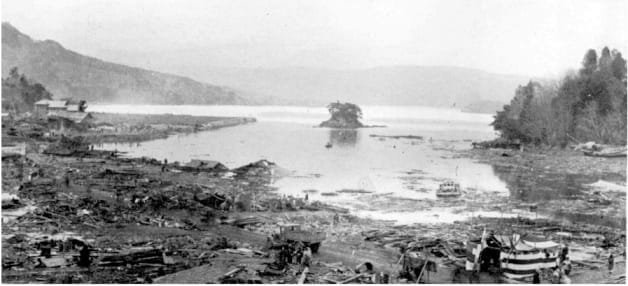
The tsunami struck with devastating force, waves reported to reach up to 10 meters (over 30 feet) high in some areas. These walls of water smashed into the coastline with unstoppable momentum, swallowing homes, crushing trees, and carving new shapes into the earth.
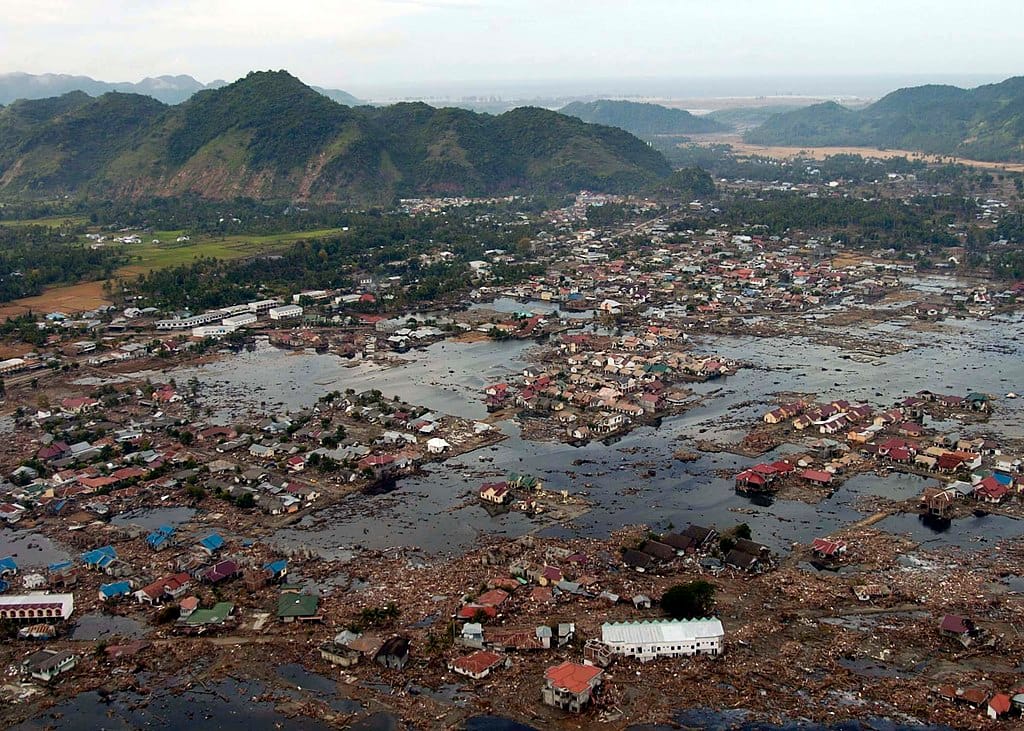
Entire fishing fleets were lost, towns were inundated, and the fertile lands were scorched with salt. Beaches vanished under water, and previously stable cliffs eroded swiftly. The landscape of Colima and Jalisco was irreversibly altered.
Local eyewitnesses described a surreal scene: a sea that devoured itself, swallowing everything in its path before receding with a dragging, sucking sound that left destruction in its wake. The power of the water was terrifying, yet also strangely mesmerizing—a testament to nature’s unpredictable might.
The Human Tragedy: Stories of Loss, Survival, and Courage
Beyond statistics and geology lie the profoundly human stories etched in memory and flesh. Families were torn apart; some lost all they had in the space of moments. The death toll, while never precisely documented, was estimated in the hundreds.
One gripping account tells of a mother who saw her home collapse but managed to grab two children, clinging to a tree trunk to ride out the waves. Another speaks of fishermen lost at sea, with only a handful surviving due to sheer luck and the kindness of strangers.
Courage blossomed amid chaos: neighbors saved neighbors, strangers opened doors, and communities banded together to mourn and rebuild. These acts of humanity offered a beacon of hope in the aftermath of overwhelming despair.
Emergency Response and Rescue Efforts in 1932
Mexico’s government, though limited by the era’s technological and logistical constraints, scrambled to organize rescue and relief operations. Medical teams were dispatched, aid began trickling into affected zones, and makeshift shelters were set up for the displaced.
International aid was sparse, reflecting the geopolitical realities of the early 1930s, but local solidarity was immense. Volunteers and soldiers alike undertook the grim work of search and recovery, while efforts focused on providing clean water and food to prevent a secondary crisis of disease.
Communities, devastated but determined, embraced the arduous road to recovery.
Scientific Understanding in the Early 20th Century: Tsunami Awareness Then
In 1932, tsunami science was still in its infancy. While the link between undersea earthquakes and subsequent waves was accepted in scientific circles, public understanding was almost nonexistent.
The Pacific Tsunami Warning System as we know it today would not be developed until decades later, and earthquake monitoring equipment was rudimentary. This lack of awareness meant that countless lives were effectively at the mercy of the suddenness of nature’s fury.
Nonetheless, the event contributed to a growing recognition within Mexican scientific institutions of the need for better monitoring and preparedness—a legacy that would shape future policies.
Media and Communication: How News Spread Amid Chaos
Newspapers in Mexico and even some international outlets carried grim headlines about the disaster days after it occurred. However, the immediate chaos of disrupted infrastructure slowed communication drastically.
Radio, an emerging technology, helped in mobilizing support but access was limited in remote regions. Word-of-mouth, often the quickest method, spread stories both accurate and embellished, blending fact with fear-driven rumor.
The 1932 tsunami thus also marks a point in history illustrating how information—its flow and control—can profoundly affect disaster response and public morale.
Impact on Colima and Jalisco: Physical, Economic, and Social Devastation
The tsunami left fertile agricultural fields saturated with salt, reducing productivity for seasons to come. Infrastructure was damaged or destroyed, slowing transport and commerce. Fishing, the backbone of local economies, was temporarily decimated.
Socially, the disaster exacerbated existing inequalities. Poorer communities, often situated closest to the shore for convenience and tradition, bore the brunt of casualties and material loss.
The trauma also had profound psychological impacts—the fear of the sea lingered, reshaping community relationships with the coastline.
National and International Response: Help Beyond Borders
While Mexico carried most of the burden alone, news of the tragedy reached international communities. Some foreign governments and organizations offered condolences and aid, constrained, however, by the global economic depression of the era.
Nevertheless, the event opened pathways for cross-national dialogue on tsunami risks and disaster aid—a seed that would later blossom into coordinated international efforts to understand and mitigate such risks across Pacific nations.
Rebuilding Lives: Recovery Efforts and Long-Term Consequences
Recovery was slow and arduous. Homes were rebuilt with more attention to elevation and sturdiness; some communities relocated slightly inland. Agricultural programs were launched to salve the lands.
The government implemented early disaster planning measures, recognizing the importance of education and infrastructure in reducing future losses.
Politically, the disaster underscored the need for investment in scientific institutions and public safety that would shape Mexico’s modernization trajectory.
Lessons from 1932: How the Tsunami Shaped Mexican Disaster Preparedness
The 1932 tsunami remains a pivotal moment in Mexican environmental history. It exposed vulnerabilities but also demonstrated resilience.
In the decades that followed, Mexico would develop stronger seismic monitoring networks and enhance civil defense mechanisms. The memory of the event galvanized scientists and policymakers alike to prioritize disaster preparedness as a national imperative.
This continues to be vital today as coastal communities face ever-present seismic threats.
The Tsunami in Cultural Memory: Literature, Art, and Oral Histories
While not as emblazoned in global history as other natural disasters, the 1932 tsunami found its place in Mexican cultural expression. Local poets, storytellers, and artists captured the emotional landscapes shaped by loss and survival.
Oral histories passed down generations keep alive the voices of eyewitnesses, blending grief with reverence for the power of the sea—a paradox of fear and respect.
Such cultural artifacts remind us that history is not only dates and facts but lived experience.
Modern Scientific Reevaluations: Revisiting the 1932 Event
Recent studies employing advanced seismic data analysis and oceanographic modeling have revisited the 1932 Colima-Jalisco tsunami. These efforts have refined our understanding of the quake’s epicenter, wave propagation, and coastal impact.
By comparing historical accounts with data, scientists improve tsunami risk maps and early warning protocols—ensuring the painful lessons of 1932 are never forgotten but serve as guides for the future.
Comparative Analysis: Mexico’s 1932 Tsunami and Other Historic Pacific Tsunamis
Placed in the broader context of Pacific tsunami history, the Mexican event bears similarities with the 1946 Aleutian and 1960 Chilean tsunamis in its tectonic origins and impact.
However, the localized social and governmental responses offer unique insights into how different societies cope with similar natural challenges, highlighting the importance of cultural and political contexts in disaster management.
The Legacy of 1932 for Coastal Communities Today
For coastal residents of Colima and Jalisco, the 1932 tsunami is more than history—it is a legacy carved into community identity. Disaster drills, education programs, and infrastructural modification are everyday realities informed by past tragedy.
The event also symbolically underlines humanity’s fragile yet enduring relationship with the natural world—a balance of respect, fear, and coexistence.
Conclusion: The Endless Dialogue Between Nature and Humanity
The Mexico (Colima–Jalisco) Tsunami of June 22, 1932 remains a haunting chapter of nature’s wrath and human spirit. It is a story of sudden upheaval and patient rebuilding, of loss and resilience, etched forever along the Pacific’s restless edge.
Through the prism of this event, we witness the raw power hidden beneath the ocean’s surface and the profound ways it shapes human destiny. Yet amid devastation, the courage to overcome, to learn, and to remember shines brightest.
Such moments remind us: history is alive, a flowing current between past experiences and future hopes, urging us to listen attentively to the subtle warnings beneath the waves.
FAQs
Q1: What caused the Mexico (Colima–Jalisco) Tsunami of 1932?
The tsunami was triggered by a powerful undersea earthquake along the Cocos Plate subduction zone, where tectonic plates collide beneath the Pacific Ocean, forcing sudden shifts in the ocean floor that displaced massive amounts of water.
Q2: How many people died during the 1932 tsunami?
Exact casualty figures are uncertain, but estimates suggest hundreds lost their lives, particularly in coastal villages where the tsunami struck without warning.
Q3: Were warning systems in place to alert the population?
No formal tsunami warning systems existed in Mexico in 1932. Scientific understanding was limited, and communities had no official early warning, contributing to the disaster's high human toll.
Q4: How did the tsunami affect the local economies of Colima and Jalisco?
The tsunami devastated fishing fleets, flooded agricultural lands with saltwater, and destroyed infrastructure, causing significant short- and long-term economic hardship in affected communities.
Q5: What was the Mexican government’s response to the disaster?
The government organized rescue and relief efforts using available resources, dispatched medical teams, and later invested in disaster preparedness and infrastructure repairs, though the response was constrained by the era’s limitations.
Q6: How has the 1932 tsunami influenced current disaster preparedness in Mexico?
The event raised awareness about the seismic risks along Mexico’s Pacific coast, prompting improvements in monitoring, early warning systems, and public education on earthquake and tsunami risks.
Q7: Is the 1932 tsunami still remembered in cultural expressions?
Yes, it is preserved in local oral histories, literature, and art, serving as a poignant reminder of the region’s vulnerability and resilience.
Q8: How does the 1932 tsunami compare with other historic Pacific tsunamis?
Though significant, the 1932 tsunami was smaller in scale than later events like the 1960 Chile tsunami but shares common tectonic causes and consequences, offering valuable comparative insights into disaster impacts across the Pacific.