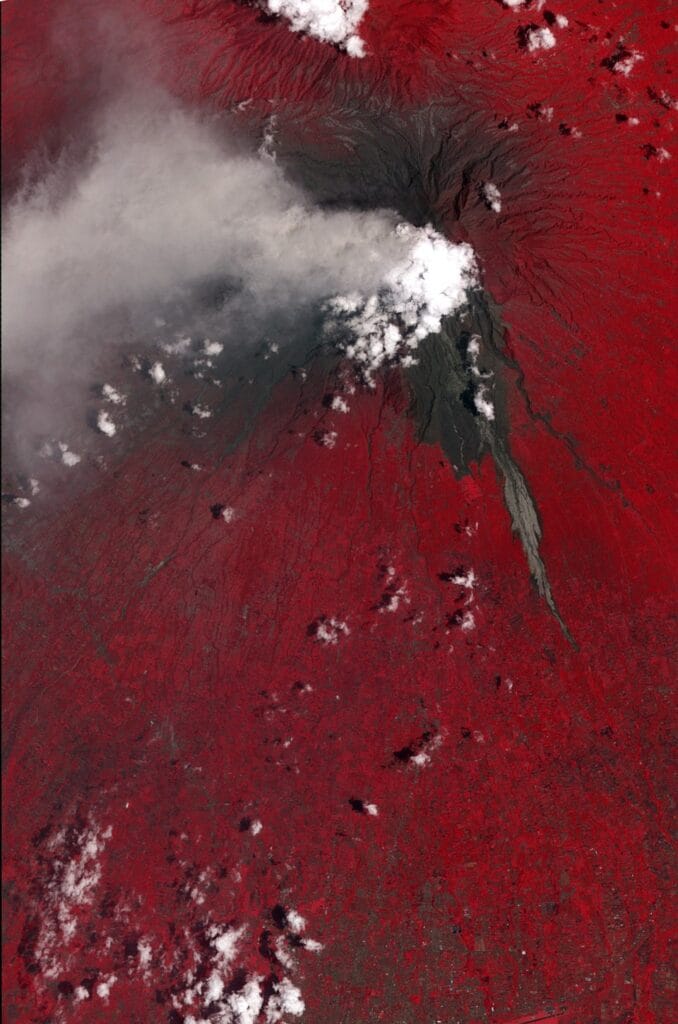
Mount Merapi 2010: Indonesia’s Volcanic Awakening
Table of Contents
- Introduction
- The Volcano and Its Legacy
- Life on the Edge: Communities and Culture
- Signs of Eruption
- The Eruption Unleashed
- Pyroclastic Horror
- Evacuations and Human Toll
- The Story of Mbah Maridjan
- Government and Military Response
- International Aid and Media Coverage
- Environmental and Geological Impact
- Recovery and Lessons Learned
- Conclusion
- External Resource
- Internal Link
1. Introduction
On November 4, 2010, Mount Merapi—one of Indonesia’s most active and dangerous volcanoes—erupted violently, unleashing clouds of ash, toxic gases, and pyroclastic flows. The eruption displaced over 350,000 people and left over 350 dead.
Yet Merapi’s fury was not unprecedented. For centuries, its eruptions have shaped not only the land but also the culture, mythology, and resilience of the people living in its shadow.
2. The Volcano and Its Legacy
✔️ Located in Central Java, near the city of Yogyakarta
✔️ One of the most active volcanoes on Earth
✔️ Last major eruptions in 1994 and 2006
✔️ Part of the Pacific Ring of Fire
Merapi, meaning “Mountain of Fire” in Javanese, is both feared and revered.
3. Life on the Edge: Communities and Culture
Villages dot the volcano’s slopes. Many residents live off the fertile volcanic soil. For them, Merapi is not just a threat—it’s a way of life.
✔️ Annual rituals to appease the spirits of the mountain
✔️ Deep spiritual connection to the land
✔️ Balancing risk with tradition and agriculture
The volcano defines local identity.
4. Signs of Eruption
In October 2010, seismic activity surged:
✔️ Hundreds of volcanic tremors detected
✔️ Dome growth in the summit crater
✔️ Gas emissions and small explosions increased
Authorities issued warnings, but many residents were reluctant to leave.
5. The Eruption Unleashed
Merapi erupted multiple times between October and November:
✔️ Powerful plinian-style explosions
✔️ Ash columns reached 17 km into the sky
✔️ Lava, ash, and rocks rained down on nearby villages
Darkness blanketed the area for days.
6. Pyroclastic Horror
One of Merapi’s most dangerous weapons: the pyroclastic flow.
✔️ Superheated gas and debris moving at speeds over 100 km/h
✔️ Temperatures exceeding 700°C
✔️ Incinerated everything in its path
Entire villages were leveled.
7. Evacuations and Human Toll
✔️ Over 350 people killed, many from burns and asphyxiation
✔️ Mass evacuations displaced hundreds of thousands
✔️ Makeshift camps set up, with limited resources
Hospitals were overwhelmed, and aid was slow to arrive.
8. The Story of Mbah Maridjan
One of the most iconic figures was Mbah Maridjan, the spiritual gatekeeper of Merapi.
✔️ Refused to evacuate, citing his spiritual duty
✔️ Died in the eruption, found in prayer position
✔️ Became a symbol of faith and sacrifice
His story captured hearts worldwide.
9. Government and Military Response
✔️ The Indonesian government declared a state of emergency
✔️ The military coordinated evacuations and rescue operations
✔️ Temporary shelters established with international help
Critics noted delays and lack of preparedness.
10. International Aid and Media Coverage
✔️ Aid poured in from UN agencies, NGOs, and neighboring countries
✔️ The eruption was widely covered by global news outlets
✔️ Footage of pyroclastic flows stunned the world
Merapi’s wrath made headlines everywhere.
11. Environmental and Geological Impact
✔️ Croplands destroyed by ash
✔️ Rivers choked with volcanic debris
✔️ Ongoing landslides and lahars for months
The eruption redefined the region’s landscape.
12. Recovery and Lessons Learned
✔️ Improved early warning systems implemented
✔️ Enhanced evacuation protocols in volcanic zones
✔️ Public education on volcanic risk became a priority
Merapi taught harsh lessons—but helped build a more prepared future.
13. Conclusion
The Mount Merapi eruption of 2010 was a sobering reminder of the power lying beneath Indonesia’s soil. While it brought death and loss, it also fostered resilience, global solidarity, and a renewed focus on volcanic disaster preparedness.
Merapi continues to breathe—and the people nearby continue to listen.
14. External Resource
🌐 Wikipedia: 2010 eruptions of Mount Merapi

