The 79 AD Mount Vesuvius Eruption: A Roman Catastrophe Frozen in Time
Table of Contents
- Introduction
- Life in Pompeii and Herculaneum
- Warnings and Omens
- The Eruption Begins
- The Burying of Cities
- Eyewitness Account by Pliny
- Archaeological Rediscovery
- Scientific Analysis
- Legacy and Cultural Impact
- Conclusion
- External Resource
- Internal Link
1. Introduction
Few natural disasters in recorded history are as iconic or as well-preserved as the eruption of Mount Vesuvius in 79 AD. This catastrophic event not only reshaped the geography of southern Italy but also captured the imagination of historians, scientists, and artists for centuries. It represents a moment when nature’s fury collided with Roman civilization, leaving behind a timeless message about human vulnerability and geological power.
2. Life in Pompeii and Herculaneum
Before the eruption, Pompeii and Herculaneum were thriving Roman cities located near the Bay of Naples. Pompeii, with an estimated population of around 11,000 residents, was known for its intricate frescoes, bustling marketplaces, and social vibrancy. Herculaneum, although smaller, was home to Rome’s elite—wealthy families who built lavish seaside villas decorated with marble and mosaics.
Life in these cities revolved around Roman customs: forums, baths, temples, and amphitheaters were central to public life. The economy was booming due to trade routes, agriculture, and proximity to the sea. Few could have imagined that this apparent paradise sat beneath a ticking geological time bomb.
3. Warnings and Omens
Although Romans were not aware of volcanology as a science, many ancient texts describe unusual signs in the days leading up to the eruption. There were frequent tremors, which residents had grown used to, and wells dried up in some areas. Even animals reportedly behaved strangely.
The people of Pompeii and Herculaneum interpreted these signs through religious and superstitious lenses. Some believed the gods were displeased, while others ignored the signs altogether. In hindsight, these were the warnings of an impending cataclysm.
4. The Eruption Begins
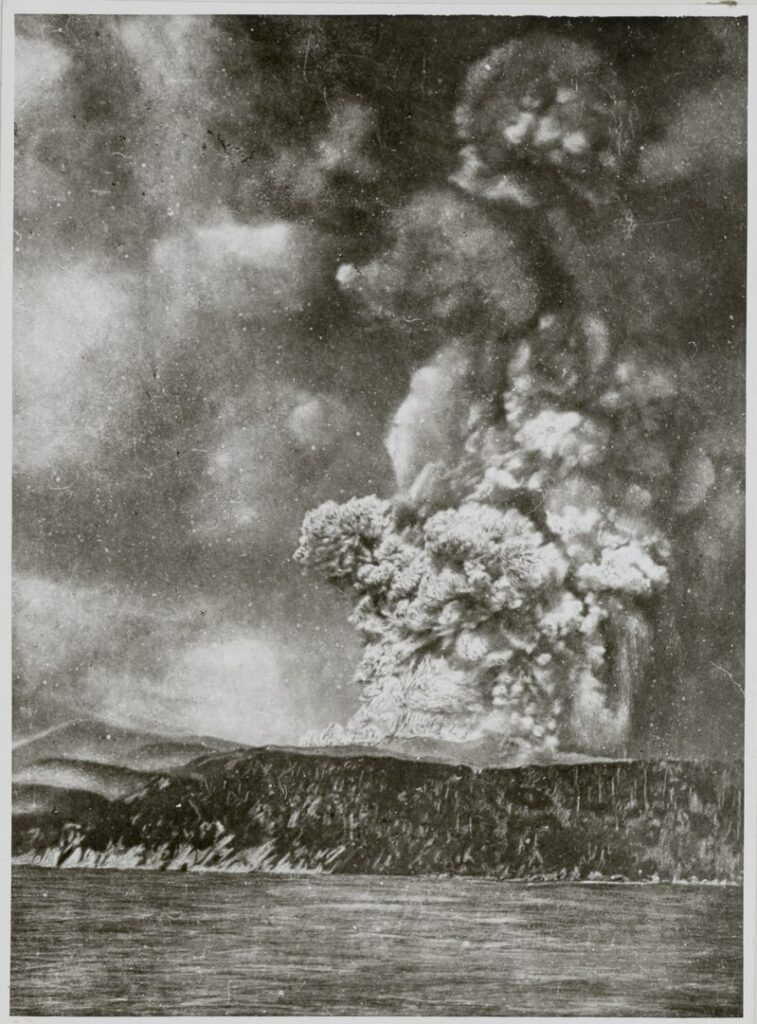
Around midday on August 24, 79 AD, Vesuvius erupted with a force that sent a plinian column of ash and pumice nearly 30 kilometers into the atmosphere. The column, named after Pliny the Younger who documented the eruption, blocked out the sun and rained debris for hours.
Residents initially sought shelter, thinking it was an isolated storm or earthquake. As the ash accumulated and roofs began to collapse, panic set in. Many fled toward the coast, hoping to escape by boat. The day turned to night as black clouds filled the sky, and suffocating fumes spread through the streets.
5. The Burying of Cities
As the eruption progressed into the night and into the next morning, the nature of the disaster shifted. Pyroclastic flows—superheated gases, ash, and rock—rushed down the volcano at terrifying speeds. These flows engulfed Herculaneum, instantly killing anyone in their path.
Pompeii, initially spared the worst, eventually succumbed to these flows as well. People were buried alive in ash, some while sleeping, others while trying to flee. Bodies were preserved in positions of anguish, a haunting record of their final moments.
6. Eyewitness Account by Pliny
The eruption was chronicled by Pliny the Younger, who witnessed the event from Misenum, across the Bay of Naples. He wrote two letters to the historian Tacitus, describing the initial blast, the spreading ash, and the heroic death of his uncle, Pliny the Elder, who died while trying to rescue survivors by sea.
His accounts remain invaluable to modern scientists and historians. The term “Plinian eruption” is used today to describe similar explosive volcanic events, thanks to his detailed descriptions.
7. Archaeological Rediscovery
Pompeii was largely forgotten until its rediscovery in the 18th century. Systematic excavations revealed streets, homes, baths, and even political graffiti preserved in ash. Herculaneum, which had been buried under volcanic mud, yielded even more stunning finds, including scrolls in the Villa of the Papyri.
The bodies, preserved as voids in the ash, allowed archaeologists to make plaster casts of the victims, capturing their facial expressions and postures. Everyday objects like cups, jewelry, and food were found intact, offering a rare and intimate glimpse into Roman life.
8. Scientific Analysis
Modern science has transformed our understanding of the eruption. Through volcanology, geophysics, and forensic archaeology, researchers have reconstructed the timeline and intensity of the event. Carbon analysis and temperature modeling suggest the pyroclastic surges were hot enough to vaporize tissues instantly.
Further studies revealed that the eruption likely lasted about 18–24 hours, with two major phases. Today, Mount Vesuvius is among the most monitored volcanoes in the world due to its proximity to Naples, which now hosts over 3 million residents.
9. Legacy and Cultural Impact
The Mount Vesuvius eruption left an indelible mark on world history. Artists, writers, and filmmakers have portrayed the event in countless forms, from Renaissance paintings to Hollywood films. It inspired fascination with ancient civilizations and the raw power of nature.
The tragedy also serves as a reminder of preparedness, influencing modern emergency planning and geological studies. Pompeii’s preservation became a template for archaeological methodology, and the emotional power of the casts continues to move millions of visitors each year.
10. Conclusion
The eruption of Mount Vesuvius in 79 AD was a devastating moment that froze time. It buried two cities, silenced thousands, and carved a story into the earth that we are still uncovering nearly two thousand years later. This disaster is not only a tale of destruction but also one of rediscovery, memory, and enduring fascination.
11. External Resource
🌐 Wikipedia: Eruption of Mount Vesuvius in 79