Table of Contents
- A Frozen Moment in Time: Malerkotla, January 1872
- The Namdhari Movement: Roots of Resistance
- Punjab in the Mid-19th Century: A Cauldron of Change
- The Rise of the Kukas: Faith and Defiance
- The Political Landscape under British Rule
- Tensions Escalate: From Spiritual Revival to Open Rebellion
- The Spark that Ignited Malerkotla
- The Uprising Unfolds: The Namdhari Assault of 1872
- British Response and Military Retaliation
- The Trials and Executions: Justice or Reprisal?
- The Namdhari Martyrs: Stories of Sacrifice
- Impact on Sikh Society and British Colonial Policy
- The Symbolism of the Kukas’ Fight: Beyond Punjab
- Remembering Malerkotla: Memory and Myth in Postcolonial India
- A Legacy Revisited: The Namdhari Doctrine and Modern Sikh Identity
- Conclusion: Faith, Fury, and the Fight for Dignity
- FAQs on the Namdhari (Kuka) Uprising
- External Resource
- Internal Link
1. A Frozen Moment in Time: Malerkotla, January 1872
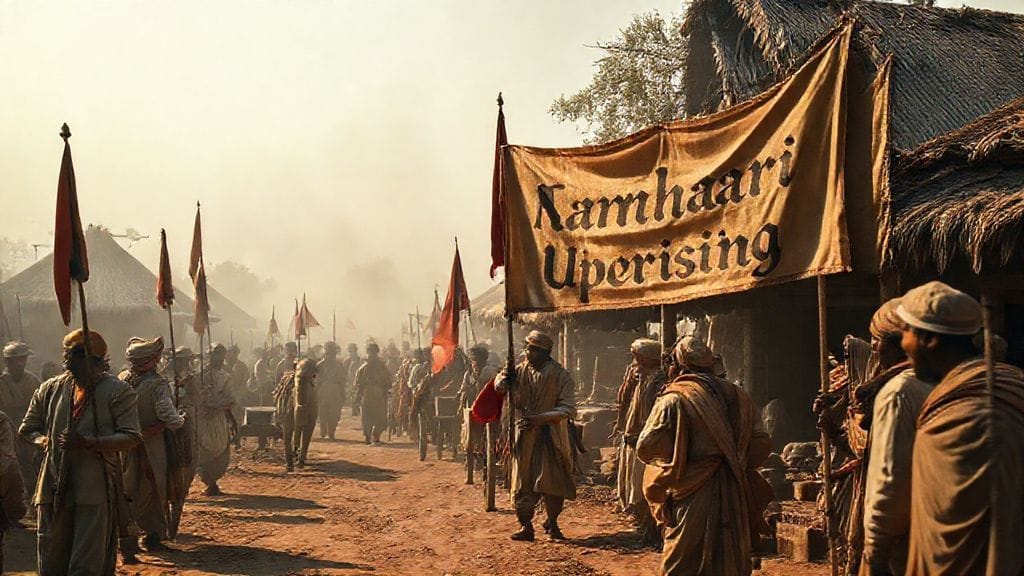
The morning air was heavy with uncertainty. Malerkotla lay shrouded in winter’s humbling chill, but beneath the cold lay a tension hotter than any summer sun. As dawn broke across the small princely state in Punjab, a quiet defiance took form—steel glimmered beneath shawls, secret meetings whispered the language of revolt, and the Namdhari Sikhs, known as the Kukas, prepared to challenge the mighty British Empire. It was January 1872, a page poised to etch itself in the annals of colonial resistance and Sikh spirituality alike.
This was no spontaneous rebellion. It was the climax of years of simmering unrest, fueled by the desire to reclaim dignity, faith, and freedom from a colonial clamp that tightened with every new regulation and cultural affront. The Namdhari uprising of Malerkotla was more than an armed confrontation; it was the collision of worlds—tradition versus empire, faith versus force, hope against oppression.
2. The Namdhari Movement: Roots of Resistance
To comprehend the Namdhari rebellion, one must first enter the world of its architects—an ascetic Sikh sect founded in the mid-19th century under the leadership of Baba Ram Singh. Emerging in 1861 in the rural heartlands of Punjab, the Namdharis sought to revitalize the original tenets of Sikhism, emphasizing purity, strict moral codes, and a refusal to bow to British interference or social decadence.
They earned the nickname “Kukas,” derived from the Punjabi word for “to cry out or shout,” reflecting their distinctive practice of loudly proclaiming the name of God in public, a spiritual assertion embedded in their resistance. Baba Ram Singh preached a return to non-violent but unwavering adherence to faith and self-rule, an inspiring synthesis of religion and political defiance.
3. Punjab in the Mid-19th Century: A Cauldron of Change
Punjab’s landscape in the 1860s and 1870s was one of profound upheaval. The annexation of Punjab into British India in 1849 had upended centuries of Sikh sovereignty established under Maharaja Ranjit Singh. Traditional elites found themselves displaced or co-opted, peasants faced heavier taxation, and cultural-religious sensibilities were challenged by foreign administrators unfamiliar—or worse, indifferent—to local customs.
This context created fertile ground for movements like the Namdharis. Disillusionment spread widely, as British policies often insulted Sikh identity, outlawed native customs, and imposed alien laws. Punjab became not only a battleground of military control but a spiritual battlefield where faith leaders emerged as the last bastions of indigenous pride.
4. The Rise of the Kukas: Faith and Defiance
The Namdharis were no mere sect; they were a movement fueled by charisma and conviction. Baba Ram Singh was a magnetic figure—a mystic who wielded spiritual authority like a sword and shield. Under his guidance, the Kukas formed disciplined bands that fused religious observance with political activism.
They rejected British governance, refused to pay certain taxes, and denounced the use of intoxicants and caste discrimination, proposing an egalitarian social order. Their call to chant the divine name loudly in public was both devotional and defiant, a spiritual rallying cry against colonial subjugation.
This approach struck a chord with peasants, artisans, and warriors alike, growing into a grassroots resistance that unsettled colonial officials with its mix of religious faith and political challenge.
5. The Political Landscape under British Rule
By the early 1870s, British officials in Punjab had grown wary of Namdhari activities. The colonial administration, intent on maintaining order and control, viewed the Kukas with suspicion. Unlike previous Sikh uprisings, the Namdharis combined religious fervor with civil disobedience, making them harder to quell with conventional military might alone.
The princely state of Malerkotla, nominally autonomous but under British suzerainty, became ground zero for this simmering conflict. British authorities deployed local rulers as proxies to suppress the rising tide of Namdhari resistance, but the Kukas’ spiritual zeal and communal support were proving formidable.
6. Tensions Escalate: From Spiritual Revival to Open Rebellion
In late 1871, relations between Namdharis and both British officials and Hindu-Muslim landlords deteriorated rapidly. The Kukas openly defied colonial laws—organizing unauthorized assemblies, refusing to pay land revenue, and sabotaging railway lines, a burgeoning symbol of British encroachment.
Their boldness was born from frustration and spiritual conviction. Baba Ram Singh urged calm and patience, but younger Namdharis favored direct action. The cracks widened, setting the stage for violent confrontations that would soon engulf Malerkotla.
7. The Spark that Ignited Malerkotla
January 1872 saw the immediate cause of the uprising: a clash precipitated by Namdhari protests against local officials’ humiliations and British interference in religious matters. Reports say that a group of Kukas attempted to enter the fort of Malerkotla to deliver a petition but were barred and mocked.
Tempers flared; an altercation erupted, escalating quickly into armed rebellion. The Namdharis, wielding traditional weapons and armed with faith, took control of key town areas. This bold seizure of Malerkotla shocked the British and their native allies, demanding a swift military response.
8. The Uprising Unfolds: The Namdhari Assault of 1872
What followed was a dramatic, tense standoff. The Namdharis, small in number but fierce in spirit, used guerilla tactics and knowledge of the local terrain to withstand the initial British advances. Their fighters were not professional soldiers but common folk—farmers, weavers, and priests—united by a cause much larger than themselves.
The colonial army, reinforced by irregular native troops and artillery, gradually regained ground. The Namdharis’ resistance, while brave, was overwhelmed by superior weaponry and resources. Yet their defiance left an indelible mark—the uprising had exposed the vulnerabilities of British control and inspired sympathies among colonized subjects far beyond Punjab.
9. British Response and Military Retaliation
The British reaction was swift and brutal. Determined to crush the rebellion decisively, they issued arrest warrants for Namdhari leaders and launched punitive expeditions into surrounding areas suspected of harboring rebels.
Baba Ram Singh and many followers were captured. The colonial administration sought to make an example, employing public executions and harsh imprisonments. These repressive measures aimed not only to restore order but to deter future spiritual-political dissent.
10. The Trials and Executions: Justice or Reprisal?
The British courts swiftly tried numerous Namdhari rebels, charging them under criminal and sedition laws. Evidence was evidence of faith masquerading as rebellion. Contemporary documents reveal the tense atmosphere of the trials, marked by colonial officials’ determination to deliver harsh sentences.
Executions by hanging and, more memorably, by blowing rebels from cannons—a cruel and bloody spectacle—sent shockwaves through Punjab. For the Namdharis, these martyrs became symbols of sacred sacrifice, their deaths enshrined in Sikh hagiography.
11. The Namdhari Martyrs: Stories of Sacrifice
Eyewitness accounts and oral traditions speak with reverence of the Namdhari martyrs, men and women who faced death unflinchingly. Tales of Baba Ram Singh’s serene composure under duress and the unwavering chants of divine names from those about to die inspire a profound human connection to the uprising.
These stories echoed the Sikh historical narrative of resistance against tyranny—from Guru Arjan to the fight against Mughal oppression—thus embedding the Namdhari struggle within a larger spiritual continuum.
12. Impact on Sikh Society and British Colonial Policy
The rebellion, although militarily crushed, reverberated deeply within Sikh society. It exposed the limits of British tolerance for religious-based resistance and prompted colonial authorities to tighten surveillance and control over sectarian activities.
At the same time, many within the Sikh community expressed ambivalence: while some viewed the Kukas as courageous defenders of faith, others feared renewed crackdowns would damage Sikh privileges and relations with the British crown.
The uprising prompted reforms in colonial Punjab administration, increasing censorship of Sikh religious gatherings and influencing recruitment policies within the Sikh regiments of the British Indian Army.
13. The Symbolism of the Kukas’ Fight: Beyond Punjab
While localized, the Namdhari uprising held symbolic significance across India’s colonized peoples. It represented a rare fusion of spiritual renewal and militant resistance against imposed dominion.
The Namdharis’ insistence on chanting God’s name publicly and rejecting colonial authority resonated with other religious reformers and freedom fighters. Their movement foreshadowed future struggles that mingled faith and politics in the Indian independence movement.
14. Remembering Malerkotla: Memory and Myth in Postcolonial India
In modern times, the Namdhari uprising is commemorated as a foundational moment of Sikh resistance. Temples and memorials honor the martyrs, and the story of Malerkotla serves as both a cautionary tale and an inspiring chronicle of courage.
The memory of 1872 has been woven into Punjab’s cultural fabric, with annual religious processions and recitations preserving the name and deeds of the Kukas, reminding generations that the fight for identity is inseparable from the fight for justice.
15. A Legacy Revisited: The Namdhari Doctrine and Modern Sikh Identity
Today, the Namdharis maintain a distinct identity within the broader Sikh community, continuing Baba Ram Singh’s principles of purity, equality, and non-violence. Their history informs ongoing discussions on Sikh identity, colonial legacy, and the complex relationship between religion and politics.
The lessons of the 1872 uprising echo amid contemporary debates about resistance, autonomy, and the meaning of faith under pressure—a testament to the perpetual relevance of the Namdhari spirit.
16. Conclusion: Faith, Fury, and the Fight for Dignity
The Namdhari uprising at Malerkotla in January 1872 was more than a fleeting disturbance; it was a profound assertion of identity and belief in the face of an empire that demanded submission. Against overwhelming odds, the Kukas stood firm, their spiritual fire fueling a fight for dignity that history remembers as much for its valor as its tragedy.
Though crushed by the might of the British, the rebellion illuminated the enduring power of faith as resistance. It challenged colonial narratives of inevitability and submission, reminding us how deeply intertwined are the struggles for freedom and the sacred.
In that harsh winter of 1872, amidst bloodshed and sacrifice, the Namdharis inscribed a vivid testament upon the collective memory—a clarion call that echoes beyond centuries: never to relinquish the right to believe, to resist, and to hope.
FAQs on the Namdhari (Kuka) Uprising
Q1: What were the primary causes of the Namdhari uprising in Malerkotla?
A1: The uprising stemmed from colonial repression, cultural and religious interference by the British, and the Namdhari movement’s ethico-spiritual revival that conflicted with British policies and local power structures.
Q2: Who was Baba Ram Singh and what role did he play?
A2: Baba Ram Singh was the founder and spiritual leader of the Namdhari sect. He championed a return to Sikh purity and non-violent resistance, inspiring the community to oppose British rule through faith and civil disobedience.
Q3: How did the British authorities react to the uprising?
A3: The British responded with military force, mass arrests, and public executions aimed at decisively quelling the rebellion and deterring future resistance.
Q4: What was unique about the Namdhari approach compared to other Sikh revolts?
A4: Unlike previous Sikh military uprisings, the Namdharis combined religious revivalism with civil disobedience and non-violent protest, although they eventually resorted to armed resistance.
Q5: What is the historical significance of the Namdhari uprising?
A5: It highlighted the intertwined nature of faith and political resistance in colonial India, and it influenced subsequent freedom movements that drew on religious identity to challenge imperial rule.
Q6: How is the uprising remembered in contemporary Punjab?
A6: It is commemorated through religious observances and cultural narratives, honoring the Namdhari martyrs and maintaining the sect’s enduring legacy within Sikh history.
Q7: Did the Namdhari movement survive after the 1872 revolt?
A7: Yes, the movement persists today with a strong emphasis on spiritual purity, social reform, and remembrance of the 1872 resistance as a pivotal moment.
Q8: What lessons can be drawn today from the Namdhari uprising?
A8: The uprising teaches the power of combining faith and activism, the importance of cultural identity in political struggles, and the human cost of standing against oppressive regimes.