Nevado del Ruiz 1985: The Day Armero Vanished
Table of Contents
- Introduction
- The Sleeping Volcano
- Colombia in the 1980s
- Warning Signs Ignored
- The Eruption and Lahar
- Armero: A Town Erased
- Human Toll and Tragedy
- The Case of Omayra Sánchez
- Government Response and Global Criticism
- Scientific Lessons and Lahar Monitoring
- Cultural and Historical Legacy
- Conclusion
- External Resource
- Internal Link
1. Introduction
On November 13, 1985, the Nevado del Ruiz volcano in Colombia erupted after more than a century of dormancy. The explosion was not massive in volcanic terms, but the outcome was catastrophic. A lethal lahar—a fast-moving mudflow—cascaded down the mountain, engulfing the town of Armero and killing over 23,000 people.
It was one of the deadliest volcanic disasters of the 20th century, a tragic combination of nature’s force and human failure.
2. The Sleeping Volcano
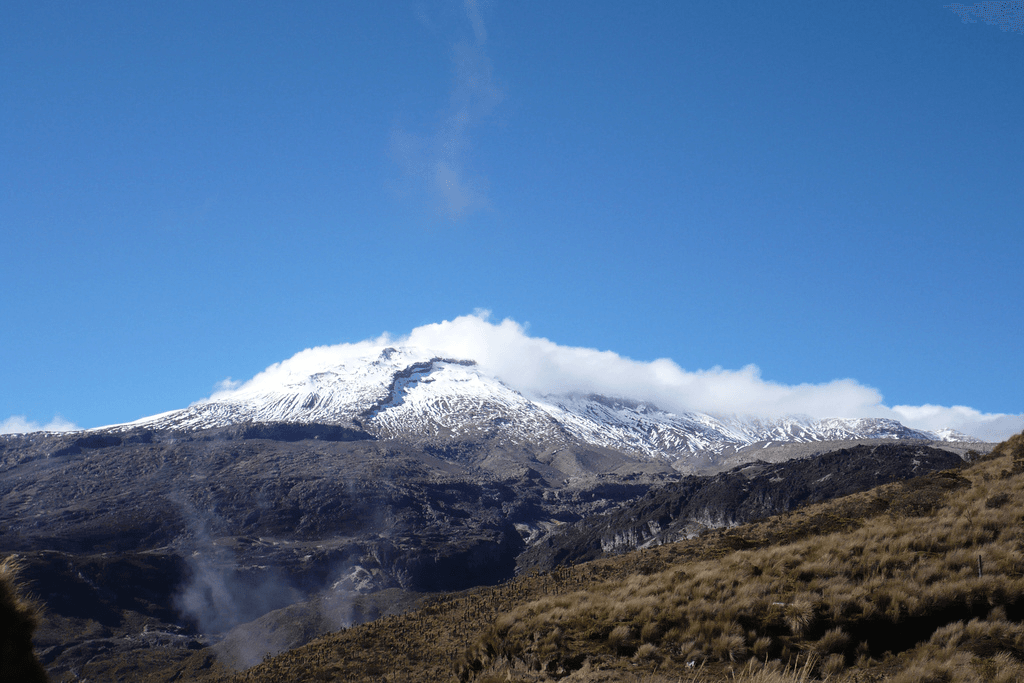
Nevado del Ruiz, known locally as “El León Dormido” (The Sleeping Lion), had been quiet since 1845.
✔️ Located in the Andes Mountains, over 5,300 meters tall
✔️ Ice-capped peak created risk of glacial melting
✔️ Previous lahars documented in regional records
Scientists had long considered it capable of a deadly mudflow.
3. Colombia in the 1980s
The country was facing multiple internal challenges:
✔️ Political instability and armed conflict
✔️ Limited emergency infrastructure
✔️ Underfunded scientific monitoring agencies
Disaster preparedness was not a priority.
4. Warning Signs Ignored
In the months leading up to the eruption:
✔️ Seismic activity increased
✔️ Gas emissions rose and steam vents became visible
✔️ Scientists issued reports warning of possible lahars
But bureaucracy, lack of coordination, and skepticism delayed any effective response.
5. The Eruption and Lahar
At 9:08 PM, the volcano erupted.
✔️ The eruption melted a large portion of the glacier
✔️ This water mixed with volcanic debris, creating a lahar
✔️ Traveling at speeds up to 60 km/h, it reached Armero in less than 2 hours
Residents were asleep, unaware of the catastrophe headed their way.
6. Armero: A Town Erased
The lahar buried Armero in mud, rocks, and debris.
✔️ Town of 29,000 reduced to a mud-covered grave
✔️ Over 23,000 dead, 5,000 injured, and few survivors
✔️ Homes, schools, and hospitals were completely destroyed
The scene resembled a war zone, and survivors described the sound like a freight train approaching in darkness.
7. Human Toll and Tragedy
The emotional impact was devastating:
✔️ Thousands of families lost loved ones
✔️ Many bodies were never recovered
✔️ Survivors experienced PTSD and survivor’s guilt
The tragedy stunned the nation and the world.
8. The Case of Omayra Sánchez
One image became the symbol of the disaster:
✔️ 13-year-old Omayra Sánchez was trapped in debris for 3 days
✔️ Despite rescue attempts, she died in front of cameras
✔️ Her composure and bravery sparked international outrage
The photo of her became a call for humanitarian responsibility.
9. Government Response and Global Criticism
✔️ Relief was slow and poorly coordinated
✔️ Lack of emergency planning condemned by media
✔️ International aid eventually poured in
The Colombian government faced intense backlash.
10. Scientific Lessons and Lahar Monitoring
Nevado del Ruiz became a case study in volcano disaster management:
✔️ Highlighted need for early warning systems
✔️ Spurred global development of lahar detection networks
✔️ Inspired creation of Volcanic Disaster Assistance Program (VDAP)
Today, lahars are monitored with real-time technology.
11. Cultural and Historical Legacy
✔️ Armero is now a ghost town, preserved in memory
✔️ Annual memorials are held for the victims
✔️ Schools teach the story to raise awareness
The tragedy lives on as a reminder of unheeded warnings.
12. Conclusion
The Nevado del Ruiz eruption of 1985 was not the biggest eruption in history, but it was one of the most tragic. It combined natural forces with systemic failures, leading to a loss of life that might have been preventable. Today, the world watches volcanoes more closely, in part because of what happened that November night in Colombia.

