Table of Contents
- Introduction
- Background: Oil Dependency in the 20th Century
- The Rise of OPEC
- Yom Kippur War and Political Tensions
- The Embargo: October 17, 1973
- Global Repercussions and Panic
- The Economic Domino Effect
- Energy Shortages and Daily Life
- Government Responses and Policy Shifts
- Impact on Industrial Nations
- Long-term Energy Strategy Changes
- Rise of Alternative Energy Discussions
- Geopolitical Power Shift
- Lessons from the Oil Crisis
- Conclusion
- External Resource
- Internal Link
1. Introduction
On October 17, 1973, the world changed overnight. The Organization of the Petroleum Exporting Countries (OPEC) declared an oil embargo against nations supporting Israel in the Yom Kippur War, including the U.S. and Western European allies. This decision sparked a global energy crisis, disrupting economies, straining political alliances, and igniting a new chapter in modern history.
2. Background: Oil Dependency in the 20th Century
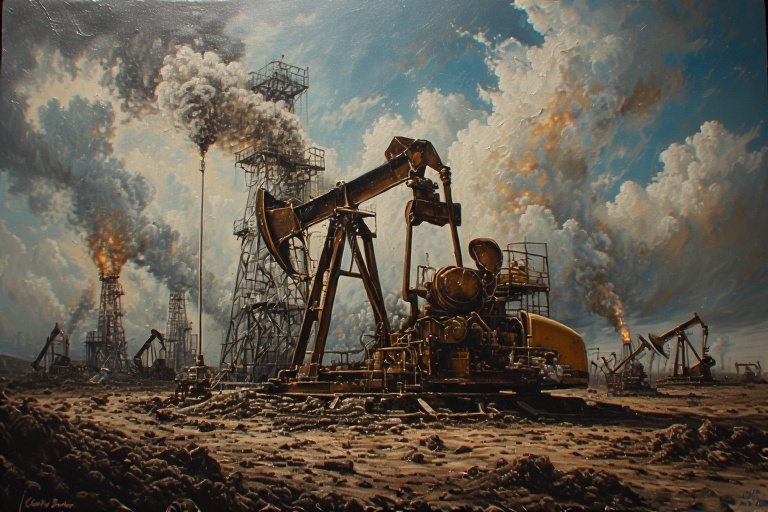
✔️ Post-WWII industrial growth fueled oil demand ✔️ U.S. and Europe became increasingly reliant on Middle Eastern oil ✔️ Energy became the engine of economic development
By the 1970s, oil wasn’t just fuel—it was power.
3. The Rise of OPEC
✔️ Formed in 1960 by five oil-producing countries ✔️ Grew into a powerful bloc controlling oil prices and production ✔️ Sought to assert control over Western oil interests
OPEC evolved from a cooperative group to a strategic geopolitical actor.
4. Yom Kippur War and Political Tensions
✔️ War broke out between Israel and a coalition of Arab states ✔️ U.S. military support for Israel angered Arab nations ✔️ OPEC used oil as leverage in the conflict
This was energy turned into a political weapon.
5. The Embargo: October 17, 1973
✔️ OPEC imposed an oil embargo on the U.S. and allies ✔️ Reduced production by 5% monthly until political demands were met ✔️ Oil prices quadrupled in a few months
It was a shockwave through the global economy.
6. Global Repercussions and Panic
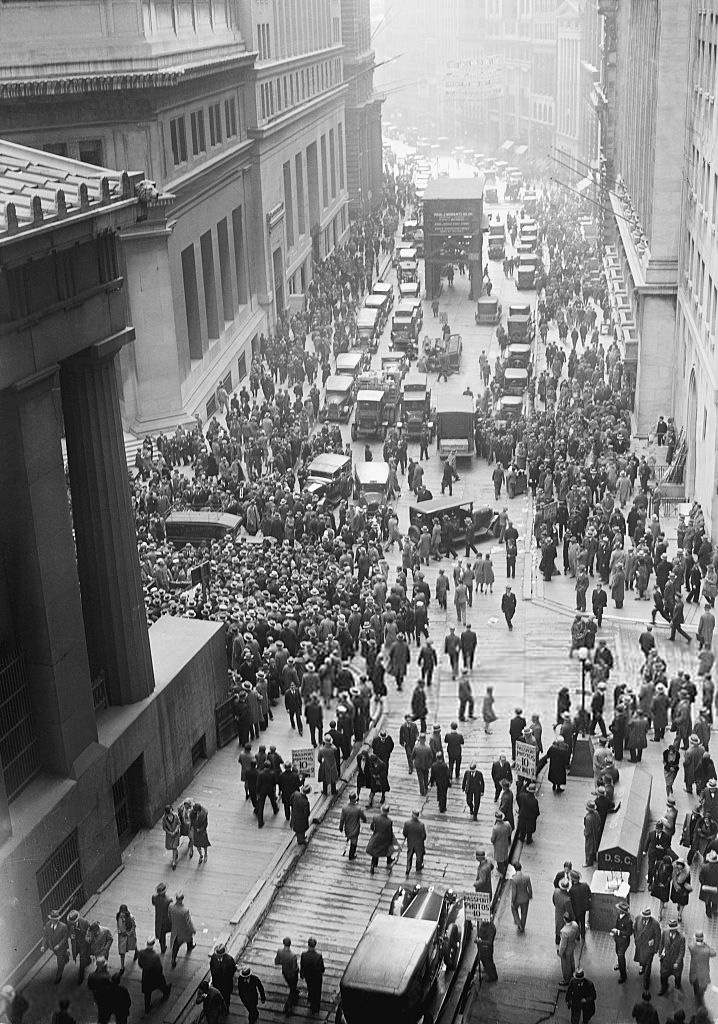
✔️ Long lines at gas stations ✔️ Inflation skyrocketed ✔️ Stock markets tumbled
Governments and citizens alike faced an energy reality check.
7. The Economic Domino Effect
✔️ Recession followed in the U.S. and other nations ✔️ Unemployment rose ✔️ Cost of goods soared
The 1973 crisis ushered in a decade of economic uncertainty.
8. Energy Shortages and Daily Life
✔️ Gasoline rationing implemented ✔️ Speed limits reduced to conserve fuel ✔️ Public transportation encouraged
The crisis redefined daily habits and mobility.
9. Government Responses and Policy Shifts
✔️ Creation of the U.S. Strategic Petroleum Reserve ✔️ National energy plans introduced ✔️ Efforts to reduce dependency on foreign oil
It marked the beginning of comprehensive energy strategies.
10. Impact on Industrial Nations
✔️ Japan diversified energy sources ✔️ Europe increased nuclear investment ✔️ The U.S. faced a shift from postwar prosperity
The shock forced nations to rethink energy and economic models.
11. Long-term Energy Strategy Changes
✔️ Investment in domestic oil exploration ✔️ Development of alternative fuels ✔️ Creation of energy departments and institutions
The oil crisis planted seeds of energy independence.
12. Rise of Alternative Energy Discussions
✔️ Solar, wind, and nuclear debated in public discourse ✔️ Early environmental movements gained momentum ✔️ Fuel efficiency became a selling point for cars
It was a turning point in sustainable energy awareness.
13. Geopolitical Power Shift
✔️ Middle Eastern oil producers gained immense leverage ✔️ Western dominance in global economics was challenged ✔️ Energy became central to foreign policy
The 1973 oil crisis redrew the map of global influence.
14. Lessons from the Oil Crisis
✔️ Diversify energy sources ✔️ Don’t over-rely on global supply chains ✔️ Build strategic reserves
The shock remains a cautionary tale for energy security.
15. Conclusion
The 1973 oil crisis, born from political conflict and economic dependency, proved that energy is power—literally and geopolitically. It altered the way the world thinks about oil, prompting reforms in policy, investment, and consumption. Its echoes continue to shape energy debates today.