Table of Contents
- The Dawn of a New Era: February 2, 962, in Rome
- Otto I: The Rise of a King Destined for Empire
- Europe on the Brink: The Chaos Before the Crown
- The Royal Journey to Rome: Power and Piety Intertwined
- The Ceremony Unfolds: A Day of Symbols and Sovereignty
- Pope John XII and the Vatican’s Gambit
- The Imperial Crown: Myth, Meaning, and Majesty
- A New Emperor in a Fragmented Continent
- From King of Germany to Holy Roman Emperor: The Transformation
- The Immediate Aftermath: Repercussions Across Europe
- The Holy Roman Empire: Birth of a Medieval Giant
- Otto’s Vision: Uniting Church and State
- The Empire’s Political Architecture: Balancing Power and Faith
- Rival Claims and Regional Turmoil
- Legacy of Otto’s Coronation: The Long Shadow of 962
- How the Imperial Title Shaped European Identity
- Otto I’s Influence on Medieval Kingship and Governance
- The Role of the Church in Shaping Medieval Politics
- Cultural Reverberations: Art, Literature, and Symbolism
- Otto’s Empire in Modern Historical Memory
- Conclusion: The Crown that Changed Europe Forever
- FAQs: Understanding Otto I’s Coronation and Its Impact
- External Resource
- Internal Link
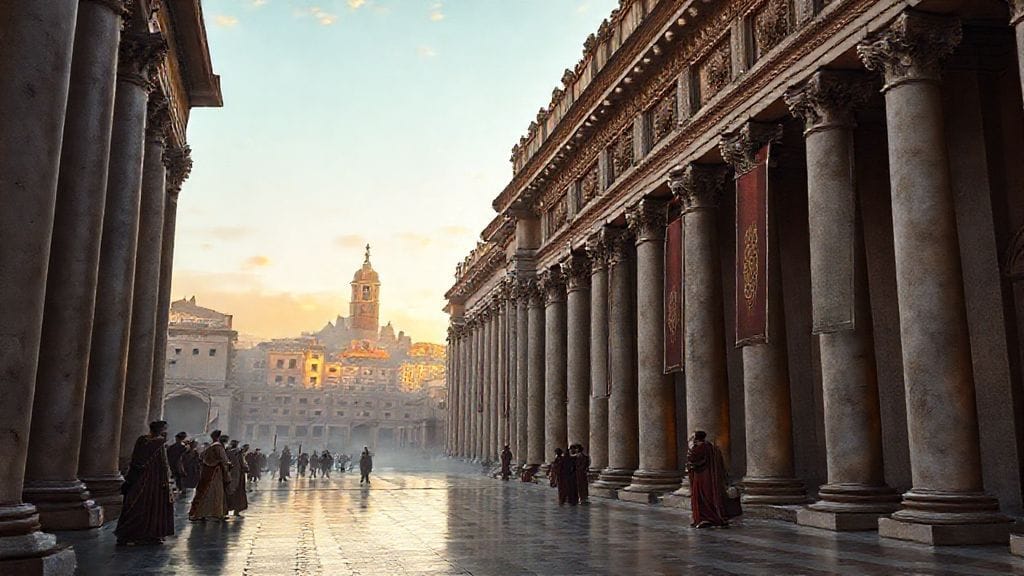
On a cold winter’s day in Rome, nestled between the ancient walls of the Lateran Basilica, history was being irrevocably altered. The air was crisp, weighted with incense and the murmurs of anticipation. It was February 2, 962—a date that would resonate through the centuries as the moment when a powerful German king ascended to a throne that sought to revive a bygone empire. Otto I, known as Otto the Great, knelt before the Pope and accepted the imperial crown, marking the birth of what would be known as the Holy Roman Empire. This was no mere ceremony; it was a dramatic reassertion of order amidst the chaos of a fragmented Europe, a beacon of unity conceived in the intertwining of sacred authority and earthly power.
The crowning of Otto I was a seismic event, both politically and symbolically. It was the culmination of decades of struggle that had seen the disintegration of the Carolingian Empire, the rise of regional powers, and the growing importance of the papacy as both a spiritual and temporal force. But this coronation was far more than an act of crown-giving; it was the resurrection of the imperial idea, a complex pact between Church and state, and the dawn of a political entity whose echoes endure in the European consciousness today.
Otto I: The Rise of a King Destined for Empire
Born in 912 into the Saxon dynasty, Otto’s ascent was forged in blood and strategy. His early life was marked by turmoil: factional battles within the remnants of East Francia, Viking raids along the northern coasts, and conflicts with Slavic tribes to the east. Yet Otto possessed a vision beyond mere survival or expansion. From a young age, he understood that to stabilize his realm and his dynasty, he needed not only military victories but divine sanction.
Ascending to the German throne in 936 at the tender age of 24, Otto quickly set about consolidating power through a combination of shrewd alliances, ruthless suppression of internal dissent, and a profound respect for the Church’s influence. His reign was distinguished by a symbiotic relationship with ecclesiastical authorities, especially the bishops and abbots who served both as spiritual leaders and loyal administrators. In a Europe where kingship was as much about legitimacy as force, Otto recognized the crown’s sanctity was a potent tool.
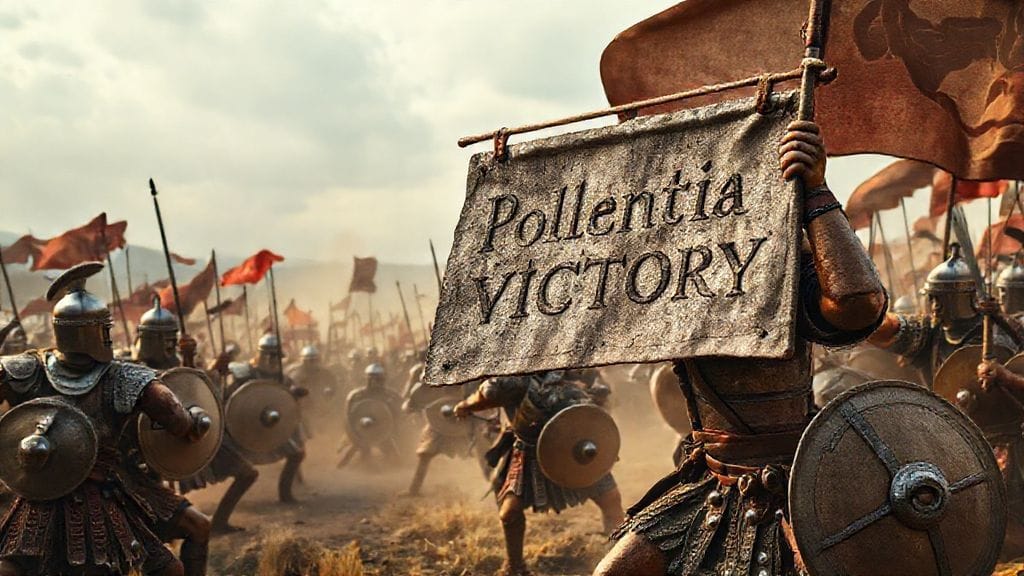
Europe in the mid-tenth century was a fragmented continent. The once-upon-a-time unified realm of Charlemagne had splintered into competing kingdoms and duchies. Viking incursions devastated the northwestern coasts, Magyar horsemen threatened the east, and internal feuds undermined stability. The papacy itself, struggling to reclaim authority over Roman nobility, was fractured and vulnerable. A new order was desperately needed—a ruler strong enough to unify, sanctify, and command simultaneously.
The Royal Journey to Rome: Power and Piety Intertwined
Otto’s decision to journey to Rome was both a political masterstroke and a deeply spiritual act. The city—ancient, crumbling, yet still the seat of the papacy and the memory of imperial Rome—held unmatched symbolic power. By seeking the imperial crown from Pope John XII, Otto connected himself to the legacy of Roman emperors and, by extension, to divine right. This was no mere political theater; it was an assertion that the legitimacy of rulership originated not just with earthly power but with God’s blessing through the Church.
The journey was perilous, fraught with political intrigue and the collapse of loyalties. Rome itself was a powder keg, with rival noble families vying for supremacy and the Pope’s position tenuous. John XII, a young and controversial pontiff, saw in Otto an opportunity to reinforce papal supremacy in Italy and beyond. Their meeting was not just a coronation but a pact: Otto would restore order and protect the Church; in turn, the Church would crown and legitimize Otto’s rule.
The Ceremony Unfolds: A Day of Symbols and Sovereignty
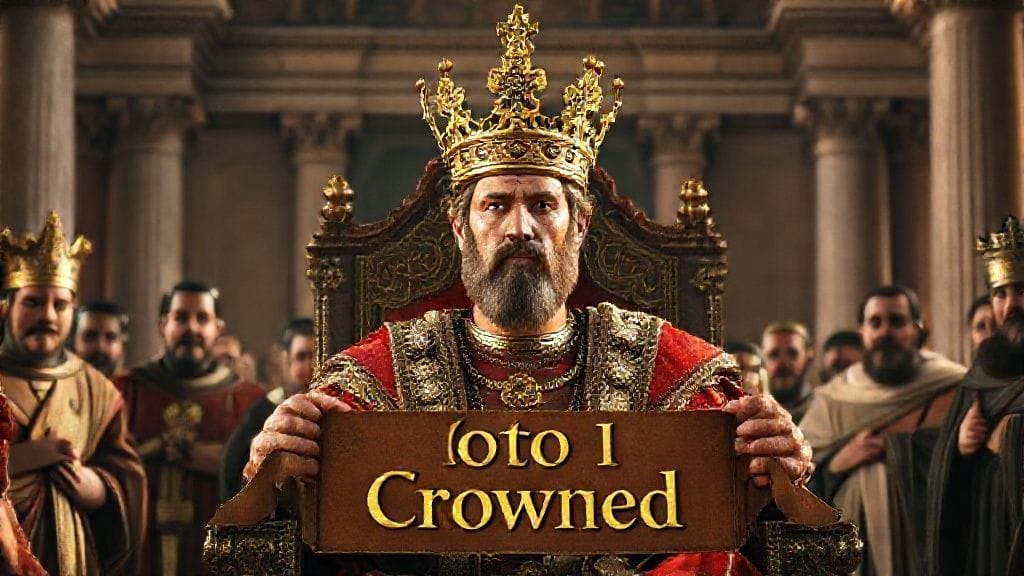
The coronation on February 2 was liturgical drama at its finest. Otto knelt before the altar, the Pope placing the golden imperial crown upon his head—the moment the mantle of the Roman emperors was rekindled. This crown bore not only gold but centuries of aspiration and authority. It symbolized control over the secular and spiritual realms, the delicate balance that would characterize the Holy Roman Empire.
Witnesses from across the realm and beyond gathered, their eyes fixed on the scene where the roles of emperor and pope were momentarily united in a sacred ritual. This was Otto’s moment: a culmination of battles, alliances, and sacrifices. Yet even as he rose crowned, the tension between Church and emperor—an undercurrent that would shape the medieval era—was palpable.
Pope John XII and the Vatican’s Gambit
John XII’s role in the coronation was as critical as Otto’s. His papacy was controversial; often criticized for immorality and political machinations, he was nonetheless a pivotal figure. By crowning Otto, John XII sought to strengthen his position and increase papal influence across Italy. Yet this alliance was fraught—John XII later rebelled against Otto, forcing the new emperor into interventions that would redefine papal-imperial relations.
Still, the coronation moment sealed a bond that gave the papacy a protector and legitimized the emperor’s rule—at least nominally—across a divided Christendom.
The Imperial Crown: Myth, Meaning, and Majesty
The imperial crown was more than a physical object. It was the embodiment of ancient Rome’s authority reborn. For contemporaries, it linked Otto and his successors to the legacy of Augustus and Charlemagne. It was a tangible connection to the divine order, symbolizing the universal sovereignty that medieval Christendom aspired to, even as political realities often contradicted such ideals.
A New Emperor in a Fragmented Continent
With the crown on his head, Otto became the “Emperor of the Romans,” a title that resonated across Europe but came with immense challenges. The reality was a patchwork of independent duchies, city-states, and rival kings. The imperial title implied a mission: to unify, govern, and bring law and order to a continent in turmoil.
From King of Germany to Holy Roman Emperor: The Transformation
Otto’s coronation was not an automatic transition. It marked a transformation from a regional king to a supranational emperor whose authority was meant to eclipse local loyalties. It was the beginning of the Holy Roman Empire, an entity that would last until 1806 and profoundly shape European history.
The Immediate Aftermath: Repercussions Across Europe
News of Otto’s coronation rippled swiftly across Europe. Some rulers hailed the return of imperial order; others viewed it as a threat to their autonomy. The Byzantine Empire, claiming to be the sole Roman successor, regarded this new “Holy Roman Empire” with suspicion, foreshadowing centuries of rivalry.
The Holy Roman Empire: Birth of a Medieval Giant
The establishment of the Holy Roman Empire under Otto I was a defining moment for medieval Europe. It fused Germanic, Roman, and Christian traditions into a political and cultural experiment that sought balance between emperors, popes, and regional rulers.
Otto’s Vision: Uniting Church and State
Otto envisaged a realm where imperial authority and the Church would be partners in governing Christendom. His reign saw the appointment of bishops loyal to him, reforms in the Church, and military campaigns to assert control over Italy. This partnership was complex and often contentious but foundational for medieval governance.
The Empire’s Political Architecture: Balancing Power and Faith
Otto set precedents in delegating power, managing nobles, and intertwining secular and religious institutions. His governance model was both centralized and flexible—necessary adaptations in a diverse and often fractious realm.
Rival Claims and Regional Turmoil
Despite Otto’s coronation, dissent persisted. Nobles in Germany and Italy resisted imperial interference, and the papacy’s own ambitions occasionally clashed with Otto’s. These conflicts would punctuate the empire’s history and test its resilience.
Legacy of Otto’s Coronation: The Long Shadow of 962
The 962 coronation was more than historical spectacle; it was the foundation stone for centuries of empire, influencing the political landscape of Europe well into the modern age. The Holy Roman Empire became a framework for identity, law, and authority, lasting through wars, reforms, and revolutions.
How the Imperial Title Shaped European Identity
The imperial title carved out a unique identity—one that combined Roman legacy, Christian kingship, and Germanic leadership. It created a political culture where the emperor was a unifying figure amid diversity.
Otto I’s Influence on Medieval Kingship and Governance
Otto’s rule inspired subsequent monarchs, establishing ideals of rulership, divine sanction, and the inseparability of Church and state that echoed throughout the Middle Ages.
The Role of the Church in Shaping Medieval Politics
The coronation underscored the Church’s pivotal position: not just spiritual guide but political power broker. The medieval world was defined by this intricate dance between Popes and Emperors.
Cultural Reverberations: Art, Literature, and Symbolism
The imperial coronation infused medieval culture with symbols of power and faith. Manuscripts, architecture, and liturgy were transformed, echoing the blend of earthly majesty and divine favor.
Otto’s Empire in Modern Historical Memory
Historians have long debated Otto’s reign and coronation—was it a revival or a reinvention? Regardless, the image of Otto crowned emperor remains a touchstone of medieval European identity and the quest for order amid chaos.
Conclusion
The coronation of Otto I on that winter’s day in 962 was an event heavy with hope and fraught with tension. It signaled not only the revival of imperial authority in the West but also the weaving of a complex tapestry where church and state, tradition and innovation, power and faith coexisted uneasily. Otto’s achievement was monumental: he created an empire that would survive centuries, shaping political thought, culture, and European identity. Yet, behind the golden crown lay endless struggles, contradictions, and ambitions that mirrored the very human story of power itself. The legacy of this moment reminds us that history is not merely dates and titles but the relentless striving for order, meaning, and legitimacy in a world always on the edge of change.
FAQs
Q1: Why was Otto I crowned emperor in 962?
A1: Otto sought the imperial crown to legitimize his authority over a fractured Europe and to revive the legacy of the Roman Empire under Christian leadership, stabilizing his realm and enhancing the power of both king and pope.
Q2: What role did Pope John XII play in the coronation?
A2: Pope John XII crowned Otto, hoping to secure his own power through Otto’s protection; their alliance was both political and spiritual but fraught with later tensions.
Q3: How did Otto’s coronation impact Europe’s political landscape?
A3: It established the Holy Roman Empire as a formidable political entity, influencing the balance of power in Europe and shaping relations between rulers and the Church.
Q4: What was the significance of the imperial crown?
A4: The crown symbolized the ancient authority of Rome, divine sanction of rulership, and the unique union of Church and state embodied by the emperor.
Q5: Did Otto’s empire encompass all of Europe?
A5: No, it primarily included German territories and parts of Italy. Many other regions had independent rulers, and the Byzantine Empire contested the imperial legacy.
Q6: How did Otto’s coronation influence the relationship between emperor and pope?
A6: It cemented a partnership that would be complex and often contentious, with both vying for supremacy in secular and spiritual realms.
Q7: What legacy did Otto I leave after his coronation?
A7: He laid the foundation for the Holy Roman Empire, influenced medieval concepts of kingship, and shaped European political and religious history for centuries.
Q8: How is Otto’s coronation remembered today?
A8: As a pivotal moment symbolizing the medieval quest for unity, legitimacy, and the rebirth of imperial authority in Europe.