Table of Contents
- The Aegean in the Late 14th Century: A Maritime Crossroads
- The Waning Byzantine Empire: A Struggle for Survival
- The Rise of the Ottoman Beylik: Ambitions Beyond Anatolia
- Tensions Rising: The Prelude to Conflict on the Aegean Seas
- The Nature of Naval Warfare in the Medieval Aegean
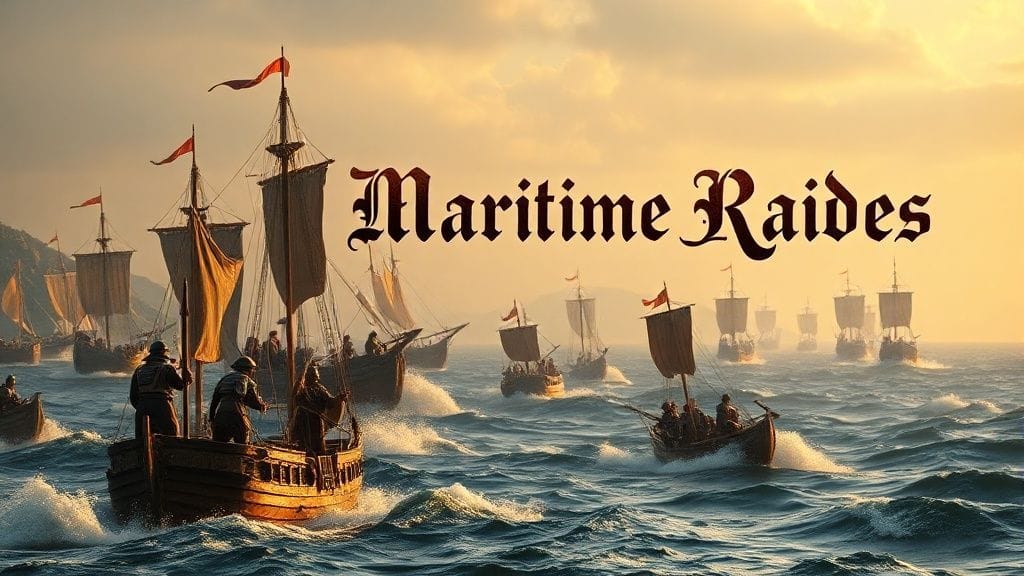
- The Ottomans’ First Forays: Maritime Raids Begin
- Byzantine Responses: Coastal Defenses and Fleets Mobilized
- Pirate Havens and Proxy Allies: The Role of Local Powers
- The 1370s: A Decade of Intensifying Maritime Skirmishes
- Economic Impact: Disruption of Trade and Local Economies
- Social Upheaval: Refugees, Coastal Depopulation, and Fear
- The 1380s: Ottoman Naval Expansion and Increasing Control
- Key Figures: Osman, Murad I, and Byzantine Admirals
- The Battle of Gallipoli and its Maritime Significance
- Byzantine Reliance on Western Naval Powers and the Knights
- The Role of Genoa and Venice: Doubling the Stakes
- Cultural Interactions Amidst Conflict: Exchanges and Tensions
- The Aftermath in the 1390s: Shifting Power Dynamics
- Long-Term Consequences: From Maritime Raids to Empire Building
- The Legacy of Ottoman–Byzantine Naval Warfare in the Aegean
- Reflection: Human Stories from the Shores of the Aegean
- Conclusion: A Sea of Change in the Late Medieval Mediterranean
- FAQs on the Ottoman–Byzantine Maritime Raids in the Aegean
- External Resource
- Internal Link
1. The Aegean in the Late 14th Century: A Maritime Crossroads
The salty air hung heavy, filled with the cries of seabirds and the faint clang of metal from distant shipyards. From the rocky shores of the Aegean islands to the bustling ports hugging the coasts of Thrace and Anatolia, the Aegean Sea was more than a body of water; it was the lifeblood of trade, culture, and contest. By the late 14th century, this sea had become a volatile stage where an ancient empire's fading grip met the nascent fire of a new power. In the shimmering heat of the Mediterranean sun, galleys carved their wake with purpose — raiding, defending, expanding.
This article ventures deep into the gripping narrative of the Ottoman–Byzantine maritime raids in the Aegean during the 1370s to 1390s, a period marked by escalating naval conflict, shifting allegiances, and the dawn of Ottoman dominance. This was not just war at sea; it was a clash of civilizations, strategies, and survival dreams, echoing across the waves and carving history into the stone harbors of the region.
2. The Waning Byzantine Empire: A Struggle for Survival
Once the invincible heart of the Roman world, the Byzantine Empire in the late 14th century resembled a shadow of its former glory. Devastated by centuries of internal strife, plague, and relentless attacks from west and east, it teetered precariously over its remaining territories in the Balkans and Anatolia. Constantinople remained a jewel, but the empire’s territorial expanse had shrunk drastically.
The Byzantine navy, once a formidable force controlling the Blue Danube and Aegean alike, was now a fraction of its ancestral strength. Reduced resources and manpower had forced the empire into a defensive, almost desperate stance. Yet they still clung fiercely to their maritime lifelines: the Aegean islands, prized harbors, and critical trading nodes that offered both sustenance and hope.
3. The Rise of the Ottoman Beylik: Ambitions Beyond Anatolia
At the dawn of these maritime conflicts, the Ottomans had already transformed from a small Anatolian beylik into a formidable military force. Their expansion onto the European continent since the mid-14th century, epitomized by the capture of Gallipoli in 1354, signaled broader ambitions.
Their eyes, keen on controlling the crossroads of Europe and Asia, soon turned toward the Aegean littoral—the string of islands and coastlines critical to controlling commerce and military movements. Armed with an increasingly sophisticated navy and a cadre of skilled corsairs and seafarers, the Ottomans began their forays into maritime raiding, blending guerrilla tactics of the land with naval hit-and-run raids.
4. Tensions Rising: The Prelude to Conflict on the Aegean Seas
The Aegean littoral was ripe for turmoil. Byzantine control, once uncontested, was undermined not only by Ottoman pressure but also by rival Italian maritime republics such as Venice and Genoa, each with their own mercenary fleets and political interests. Coastal communities faced increased raids, fluctuating alliances, and the ever-present threat of piracy fueled by these superpowers’ proxy conflicts.
The decade-long peace that had allowed fragile trade in the early 14th century was unraveling. Coastal towers manned by Byzantine militias watched anxiously as Ottoman sails appeared on the horizon, harbingers of pillage. Rumors abounded—villages razed, captives taken for ransom, merchant caravans ambushed.
5. The Nature of Naval Warfare in the Medieval Aegean
Unlike the grand sea battles described in ancient epics, 14th-century naval warfare in the Aegean was brutal, swift, and often personal. Galleys — swift, oared vessels armed with archers, crossbowmen, and soldiers — prowled the narrow straits and coastlines in search of vulnerable targets.
Line battles were rare; instead, surprise raids conducted at dawn or dusk destroyed undefended ports and captured ships. Commanders had to master intelligence gathering, knowledge of hidden coves, and fluid coordination between land-based fortresses and naval squadrons. Each raid brought plunder in goods, weaponry, and — tragically — prisoners, who might be sold into slavery or held for ransom.
6. The Ottomans’ First Forays: Maritime Raids Begin
The 1370s marked the first sustained Ottoman attempts to challenge Byzantine control on the Aegean Sea. These early raids were led by local commanders eager to test naval tactics, targeting smaller islands like Tenedos and Lesbos and harassing coastal towns along the Hellespont.
Although small in scale, these raids sent alarming messages. The Ottoman fleet was growing in size and capability, blending experienced seafarers with warriors accustomed to the turmoil of the battlefield. They sought supplies, slaves, and leverage — disrupting Byzantine trade and setting the stage for more ambitious expeditions.
7. Byzantine Responses: Coastal Defenses and Fleets Mobilized
To counter this growing Ottoman threat, Byzantine authorities attempted to fortify key ports and island settlements. Defensive walls were repaired, watchtowers erected, and local militias trained. The imperial fleet was hastily reinforced, supported sometimes by mercenaries and naval aid from Western Christians.
Yet the empire’s financial and human resources were stretched thin. Many islands and coastal towns remained vulnerable, relying on their own resources and resilience. Byzantine commanders often struggled with divided loyalties, as some island nobles considered alliances with emerging powers for personal survival.
8. Pirate Havens and Proxy Allies: The Role of Local Powers
Adding complexity to the conflict were the independent corsairs and pirate enclaves scattered around the Aegean. These groups often acted as proxies, switching sides or taking advantage of the chaos to enrich themselves.
Moreover, Genoa and Venice, each seeking dominance over trade routes and influence, sometimes supported either the Byzantines or Ottomans, indirectly fueling raids. Their wars over outposts like Chios and Negroponte blurred distinctions between piracy and state warfare, transforming the Aegean into a chessboard of volatile maritime power plays.
9. The 1370s: A Decade of Intensifying Maritime Skirmishes
Throughout this decade, raids multiplied and became more destructive. Byzantine islands suffered sudden attacks, villagers fled inland, and merchant fleets moved cautiously. Ottoman raids grew bolder, extending to important anchorages near Constantinople itself.
The waves carried not just the echoes of steel and fire but the cries of families uprooted. Local chronicles describe entire hamlets burned, churches desecrated, and captives marched toward Ottoman strongholds. It was a time when fear became as tangible as salt spray.
10. Economic Impact: Disruption of Trade and Local Economies
The Aegean’s commercial arteries throbbed with lost lifeblood. Trade in grain, silk, wine, and timber faced crippling interruptions. Markets in Constantinople, Thessalonica, and Smyrna saw supply shortages, with prices soaring unpredictably.
Fishermen abandoned their nets fearing raids; island vineyards and olive groves, vital to local prosperity, lay fallow. The economic decline fed back into defensive weaknesses—a vicious cycle where insecurity bred impoverishment, which further reduced the capacity to resist.
11. Social Upheaval: Refugees, Coastal Depopulation, and Fear
The human toll extended beyond economics. Refugees streamed from coastal villages to inland towns or Constantinople’s walls, swelling urban populations already strained. The social fabric frayed as communities fractured under the strain.
Oral histories recount the terrifying night raids, children wailing in the dark, and elders recounting defiance or despair. The seas that once united now separated families and fostered mistrust among neighbors—between Christians of different factions and between settled populations and nomadic raiders.
12. The 1380s: Ottoman Naval Expansion and Increasing Control
By the 1380s, the Ottoman navy transformed from a patchwork force into a more professional, formidable armada. Inspired by successes and aware of the empire’s geopolitical needs, Ottoman rulers invested resources to control the sea.
Their raids now targeted key Byzantine harbors directly—Smyrna, Euboea, and even the approaches to Constantinople—effectively choking Byzantine influence. Ottoman ships also disrupted Venetian and Genoese trade, signaling a broader maritime challenge.
13. Key Figures: Osman, Murad I, and Byzantine Admirals
Leadership shaped the tides of conflict. Sultan Murad I, ruler from 1362 to 1389, was instrumental in expanding Ottoman naval power, integrating captured sailors and shipbuilders from conquered territories. His vision extended beyond land conquest to mastery of the seas.
On the Byzantine side, admirals such as Alexios Apokaukos struggled to rally fragmented fleets and coordinate with Western allies. Their efforts, although marked by valor, were often undercut by political factionalism and dwindling manpower.
14. The Battle of Gallipoli and its Maritime Significance
Gallipoli, captured by the Ottomans in 1354, was more than a strategic foothold—it was a gateway. The control of this peninsula enabled the Ottomans to project naval power into the Aegean and block Byzantine attempts to resupply their European provinces by sea.
From this vantage point, Ottoman ships launched raids deeper into the Aegean, threatening islands previously safe under Byzantine control. The ripple effects of this conquest echoed throughout the regional balance of power.
15. Byzantine Reliance on Western Naval Powers and the Knights
Facing their own maritime decline, Byzantines increasingly looked west. They enlisted help from the Knights Hospitaller and Franciscan naval forces, hoping to check Ottoman advances. Venetian and Genoese fleets, motivated by mercantile interests and rivalry, sometimes intervened—though not always decisively.
These alliances complicated the conflict, turning it into a patchwork of crusader raids, mercenary maneuvers, and localized struggles. The Byzantine Empire found itself caught between great powers, its survival hinging on fragile coalitions.
16. The Role of Genoa and Venice: Doubling the Stakes
Genoa and Venice, the Mediterranean’s maritime titans, had long-established interests in the Aegean. The rise of Ottoman naval power threatened their lucrative trading monopolies and colonial possessions.
This prompted episodic naval battles between their fleets and Ottoman corsairs. Venetian support for Byzantium often came with strings attached; Genoa sometimes sided tacitly with the Ottomans or pursued its own agendas. The Aegean thus became a multilayered theater where economic rivalry and imperial ambition intertwined with Ottoman–Byzantine conflict.
17. Cultural Interactions Amidst Conflict: Exchanges and Tensions
Despite the turmoil, the Aegean was a cultural melting pot. Greek Orthodox communities, Muslim Ottoman settlers, Venetian and Genoese merchants, and local islanders interacted daily. Trade routes transmitted not only goods but ideas, art, and religion.
There were moments of shared humanity — markets where merchants from opposing sides bartered, and marriages between communities — but underlying tensions simmered, intensified by religious and ethnic divisions exacerbated by the conflict.
18. The Aftermath in the 1390s: Shifting Power Dynamics
By the close of the century, the struggle had decisively turned in favor of the Ottomans. Maritime raids evolved into sustained control—Ottoman fleets imposed blockades, seized islands, and limited Byzantine naval freedom.
The empire’s decline accelerates, foreshadowing Constantinople’s fall in 1453. Meanwhile, the Ottomans set the foundation for an empire where naval strength would become central to their Mediterranean ambitions.
19. Long-Term Consequences: From Maritime Raids to Empire Building
What began as hit-and-run raids matured into a systematic strategy of naval dominance. Ottoman control of the Aegean littoral disrupted traditional trade routes, reshaped political geography, and fostered maritime infrastructure that would underpin future expansions into the Balkans, the Black Sea, and beyond.
The Byzantine Empire, weighed down by the relentless pressure, could only watch as the tides of history shifted irreversibly.
20. The Legacy of Ottoman–Byzantine Naval Warfare in the Aegean
Historians often underestimate the importance of these maritime raids as mere footnotes to land battles. Yet these conflicts demonstrated the rising significance of naval power in late medieval warfare, presaging the Ottoman Empire’s eventual command of the eastern Mediterranean.
They also marked a transition from fragmented medieval polities toward centralized empires that recognized the sea as a vital theater of war and commerce.
21. Reflection: Human Stories from the Shores of the Aegean
Amid strategic calculations and imperial ambitions, it is the human stories that linger. Tales of islanders who rebuilt after raids, families who crossed cultural lines to survive, and sailors who knew that every voyage could be their last, remind us that history is felt in the pulse of ordinary lives.
The echoes of their resilience still whisper on the winds that sweep the Aegean, timeless and haunting.
22. Conclusion: A Sea of Change in the Late Medieval Mediterranean
The Ottoman–Byzantine maritime raids in the Aegean during the 1370s to 1390s were more than isolated naval skirmishes. They embodied a transformative era when the Mediterranean’s power dynamics pivoted from medieval fragmentation to imperial consolidation.
These raids reflected the relentless ambition of the Ottomans and the determined, though waning, resistance of Byzantium—setting the stage for the dramatic fall and rebirth of an empire that would shape world history for centuries.
Conclusion
As the sun sets over the Aegean’s shimmering waters today, it is difficult to imagine how turbulent those seas once were nearly seven centuries ago. The maritime raids of the Ottomans against Byzantium in the 1370s–1390s were crucibles of political, economic, and cultural transformation. This was an age when navies were no longer a mere accessory to land armies but the key to controlling trade routes, securing borders, and projecting imperial power.
The men and women who endured these raids—whether caught between hostile fleets or navigating a life of precarious alliances—embodied resilience amid chaos. Their stories remind us that history is never static; it moves like the waves, sometimes gentle, often violent, always shaping the contours of human destiny.
This era’s legacy is a testament to the inexorable currents that define empires: ambition matched by adaptation, strength met with resistance, and above all, the ceaseless human will to endure and prevail.
FAQs
Q1: What triggered the Ottoman naval raids against Byzantine territories in the Aegean?
A1: The raids were triggered by the Ottoman Empire’s desire to expand beyond Anatolia, control critical trade routes, and weaken the Byzantine Empire’s maritime dominance—especially after their foothold in Europe via Gallipoli.
Q2: How significant was the Byzantine navy during this period?
A2: The Byzantine navy was severely weakened by the late 14th century due to financial constraints, loss of manpower, and internal strife, making it difficult to defend the extensive Aegean coastline effectively.
Q3: What impact did these raids have on local populations?
A3: Coastal communities faced displacement, economic disruption, and fear. Many villages were destroyed or abandoned, trading activities slowed, and populations fled inland, contributing to social upheaval.
Q4: Did other powers influence the conflict in the Aegean?
A4: Yes. Genoa and Venice, competing maritime republics, often intervened to protect their own trade interests, sometimes exacerbating conflicts through proxy alliances.
Q5: Were these raids purely military, or did they have economic aims?
A5: The raids had both military and economic goals—securing resources, disrupting enemy trade, capturing slaves for ransom or sale, and establishing dominance at sea.
Q6: How did the Ottoman naval capabilities evolve during this period?
A6: The Ottoman navy grew from small raiding fleets into a more organized force capable of blockading ports, launching direct attacks on key Byzantine harbors, and challenging Western naval powers.
Q7: What was the broader historical significance of these maritime raids?
A7: These raids signaled the transition of Ottoman power into a maritime empire, undermining Byzantine control and heralding the shift towards Ottoman dominance in the eastern Mediterranean.
Q8: Are there lasting cultural memories of these raids in the Aegean region?
A8: Yes. Local folklore, architectural ruins, and historical chronicles preserve memories of destruction and survival, influencing regional identity and historical consciousness to this day.