Table of Contents
- The Sudden Roar of the Earth: September 30, 2009, Padang Awakens
- Sumatra’s Tectonic Restlessness: Understanding the Region’s Geology
- The Dormant Threat: History of Earthquakes in Western Sumatra
- September’s Calm Before the Shake: Life in Padang Before the Earthquake
- The Moment the Ground Shattered: 5:16 AM and the 7.6-Magnitude Shockwave
- Resonance of Destruction: Intensity and Reach of the Earthquake’s Tremors
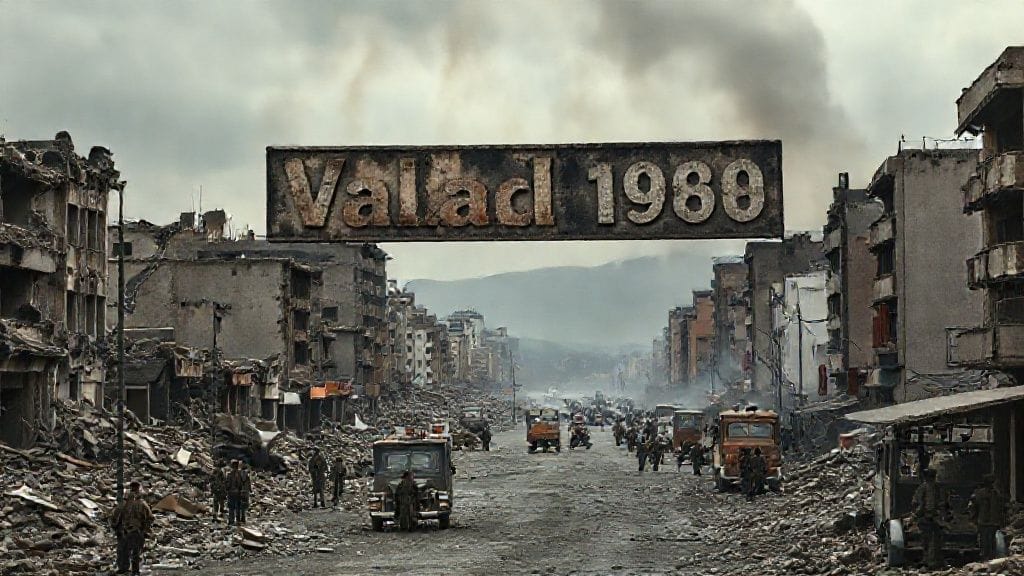
- Immediate Aftermath: Collapsing Buildings and Chaotic Streets
- Lives Torn Apart: Human Stories of Loss, Survival, and Courage
- Emergency Response in the Eye of Disaster: Local and International Efforts
- Struggles for Shelter and Aid: Challenges in the Days Following the Earthquake
- Government Action and Political Accountability: Response Under Scrutiny
- The Role of NGO’s and Volunteers: Mobilizing Compassion and Resources
- Infrastructure and Economic Impact: Damage Beyond the Visible
- Rebuilding a City: Planning and Progress Amidst Ruins
- Psychological Scars: Trauma and Recovery in the Face of Natural Disaster
- Lessons Learned: Improved Disaster Preparedness and Risk Management
- Environmental Consequences: Landslides, Tsunami Risks, and Ecological Disruption
- Media Coverage and Global Attention: Framing the Narrative of Disaster
- Community Resilience: The Spirit of Padang’s People
- The Earthquake’s Place in Indonesia’s Broader Seismic History
- Reflections a Decade On: How Padang’s 2009 Earthquake Shaped Future Responses
The Sudden Roar of the Earth: September 30, 2009, Padang Awakens
In the break of dawn, the city of Padang stirred peacefully, unaware of the giant that was about to shake its foundations. It was September 30, 2009, a date etched into the memories of tens of thousands. Suddenly, in the quiet hours before sunrise, a violent tremor ripped through this bustling Sumatran city—an earthquake registering 7.6 in magnitude. The earth, relentlessly shifting beneath their feet, roared like a beast unleashed, toppling structures, rupturing roads, and fracturing lives within seconds. The shockwave surged outward, reverberating along the western coasts of Sumatra, displacing whole communities and casting a shadow over Indonesia’s disaster resilience. This moment marks a tragedy and a testament to human endurance, a profound story of nature’s power and the relentless spirit of reconstruction.
Sumatra’s Tectonic Restlessness: Understanding the Region’s Geology
To grasp the full magnitude of the 2009 Padang earthquake, one must first delve into the restless geology beneath Sumatra’s lush terrain. Situated on the convergence of the Indo-Australian and Eurasian plates, this region is a hotbed of seismic activity. The subduction zone, where the Indo-Australian plate slips beneath the Eurasian plate, generates powerful earthquakes with alarming regularity. The Sumatran fault system—a series of strike-slip faults slicing through the island—adds complexity and volatility. In essence, Padang sits precariously atop a geological powder keg, its fate deeply entwined with the ceaseless movement of Earth’s crust. For centuries, the island’s inhabitants have lived in the shadow of this uncertainty, aware yet unprepared for the devastation that could spring from the ground at any moment.
The Dormant Threat: History of Earthquakes in Western Sumatra
Earthquake history in western Sumatra reads like a grim ledger of destruction. The 2009 catastrophe was hardly isolated; the area endured a 7.9 magnitude quake in 2007 near Bengkulu and the infamous 2004 Indian Ocean earthquake off Aceh’s coast, which unleashed a devastating tsunami. These seismic events serve as a stark reminder of the potency buried beneath the island. Historical records, oral traditions, and geological studies converge to highlight a pattern of cycles—long stretches of relative calm interrupted by violent geological release. Padang, with its growing urban density and increasing vulnerability, was overdue for a major shake, a fact underscored by scientists and local authorities alike.
September’s Calm Before the Shake: Life in Padang Before the Earthquake
In the days leading to the earthquake, Padang was a vibrant city—streets humming with motorbikes, markets bustling with vibrant colors and scents, families beginning their daily routines. Economic growth, fueled by trade and agriculture, fostered optimism. But beneath this surface normality lay stark vulnerabilities. Many buildings, constructed with insufficient seismic standards, stood as ticking time bombs. Infrastructure development lagged, and public awareness about disaster readiness was limited. The city’s population, close to a half-million, was largely young and hopeful, with flourishing cultural traditions blending Minangkabau heritage and modern lifestyles. Yet no one—neither the elders nor the youth—could have anticipated the violent interruption awaiting them.
The Moment the Ground Shattered: 5:16 AM and the 7.6-Magnitude Shockwave
At precisely 5:16 AM local time, the earth’s crust ruptured. The earthquake struck approximately 50 kilometers southwest of Padang, awakening the city with a sudden, bone-jarring jolt. Witnesses would later describe the sensation as if giants hammered the ground relentlessly. Furniture tossed, buildings swayed and cracked—some collapsing instantly. The tremor lasted less than a minute but its impact stretched far longer. Panic ignited swiftly as people scrambled out of homes, many braving the uncertain darkness to escape collapsing walls and falling debris. In these terrifying seconds, the boundary between life and death was incredibly thin. The fault responsible, part of the Great Sumatran Fault system, released pent-up tension accumulated over decades.
Resonance of Destruction: Intensity and Reach of the Earthquake’s Tremors
Though Padang bore the brunt, the earthquake's shockwaves rippled across a vast area—felt as far as Singapore and Malaysia. Measuring 7.6 on the Richter scale, it released energy equivalent to several nuclear bombs detonated simultaneously. The shaking intensity reached IX (Violent) on the Mercalli scale in some precincts, shattering glass, damaging roads, and igniting landslides in surrounding hills. Seismographs captured a complex sequence of foreshocks and aftershocks, the latter continuing for weeks, prolonging the region’s torment. This violent resonance devastated not only built structures but the very sense of security among the population. Structures designed without seismic codes crumbled; the fragile infrastructure was mercilessly exposed.
Immediate Aftermath: Collapsing Buildings and Chaotic Streets
In the minutes following the main quake, an eerie silence gave way to chaos. Lifeless rubble lined the streets. The government hospital experienced severe damage but remained operational amidst fires and flooding caused by broken water mains. Commercial centers, schools, and homes were reduced to piles of concrete and shattered wood. Communications faltered, roads cracked open, and electrical grids failed. Emergency sirens wailed, intermingled with cries of pain and calls for help echoing through dust-laden air. Entire neighborhoods were cut off from access. For many, these hours marked the start of an agonizing ordeal—waiting for rescue amid ruins, hearing the terrifying aftershocks, grappling with uncertainty and loss.
Lives Torn Apart: Human Stories of Loss, Survival, and Courage
Behind the staggering numbers—nearly 1,200 dead and tens of thousands injured—lie personal stories carved by grief and fortitude. Families were shattered by the instant loss of parents, children, siblings. One harrowing account recounts a mother who carried her infant across rubble to safety, witnessing the collapse of her home moments earlier. Survivors spoke of neighbors risking their own lives to pull trapped victims free. Volunteers and ordinary citizens became first responders amid overwhelmed official services. Amid despair, tales of resilience emerged, reflecting the human spirit’s stubborn defiance against chaos. These narratives, pieced together from interviews and reports, reveal the deep emotional wounds and enduring hope within Padang’s community.
Emergency Response in the Eye of Disaster: Local and International Efforts
Within hours, Indonesian authorities mobilized search and rescue units alongside military personnel. However, the scale of destruction, compounded by impaired infrastructure, hampered efficient action. Recognizing the gravity, international agencies—including the Red Cross, United Nations, and various NGOs—rushed aid to Padang. Aircraft delivered medical supplies, food, and tents. Rescue dogs sniffed through rubble, and doctors braved makeshift conditions to tend the wounded. But coordination challenges and bureaucratic delays sparked criticism. Local leaders called for better disaster preparedness, highlighting how the earthquake exposed systemic weaknesses. Despite obstacles, the combined efforts saved countless lives, offering a vital lifeline amid devastation.
Struggles for Shelter and Aid: Challenges in the Days Following the Earthquake
As the dust settled, thousands were rendered homeless. Makeshift camps mushroomed in open spaces, schools, and religious centers. Yet conditions were dire: limited sanitation, scarce drinking water, and the omnipresent threat of disease created a secondary crisis. Many displaced families grappled with uncertainty over securing long-term housing. Food distribution faced logistical hurdles amid damaged roads. The trauma, both physical and psychological, weighed heavily on survivors. Some faced the agonizing decision to leave Padang temporarily, while others clung to hope of rebuilding amid ruins. This phase of the disaster underscored that the cessation of shaking was just the beginning of an arduous recovery journey.
Government Action and Political Accountability: Response Under Scrutiny
The disaster prompted Indonesia’s government to reassess its approach to disaster management. President Susilo Bambang Yudhoyono acknowledged shortcomings but emphasized commitment to recovery. The National Disaster Management Agency was tasked with coordinating relief and reconstruction, yet resource limitations persisted. Public confidence wavered amid reports of corruption and delays in aid delivery. Political debate emerged over urban planning, building code enforcement, and investment in seismic research. Yet, from this crisis blossomed stronger policy frameworks, supported by increased international cooperation and awareness campaigns. The government’s evolving role highlighted the political dimensions of disaster response in a nation often battered by natural calamities.
The Role of NGOs and Volunteers: Mobilizing Compassion and Resources
If government agencies faced criticism, humanitarian organizations filled critical gaps. Groups such as Médecins Sans Frontières (Doctors Without Borders) and Indonesian NGOs mobilized volunteers, medical tents, and counseling services. The spirit of voluntarism became a pillar of recovery efforts. Youth organizations and religious groups mobilized local communities for search, rescue, and distribution. Grassroots initiatives sprang up to rebuild homes and schools, knitting the torn social fabric. These efforts illuminated the power of civil society to complement official responses and foster community solidarity. The Padang earthquake became a case study of how NGOs adapt to crushing natural disasters and help rebuild not only infrastructure but dignity.
Infrastructure and Economic Impact: Damage Beyond the Visible
The scale of destruction extended well beyond buildings and lives. Roads collapsed, ports suffered damage, and critical bridges were compromised, disrupting commerce in this gateway city of western Sumatra. Essential services such as water supply, electricity, and telecommunications faced interruptions lasting weeks. The economic toll surpassed $900 million, affecting trade and slowing growth in a province dependent on agriculture, fisheries, and export industries. Reconstruction expenses strained government budgets, diverting funds from social programs. Recovery demanded not only technical fixes but strategic economic planning to buffer vulnerabilities exposed by the disaster. A decade later, the earthquake’s economic shockwaves linger in provincial records.
Rebuilding a City: Planning and Progress Amidst Ruins
From rubble arose a vision of renewal. Reconstruction plans involved strengthening building codes, introducing earthquake-resistant designs, and urban planning reforms to mitigate future risks. Efforts to rebuild schools, hospitals, and housing prioritized safety and resilience. International technical assistance helped train engineers and architects in seismic standards. While progress was uneven, with bureaucratic and financial hurdles, many neighborhoods saw significant improvement. Yet the pace of rebuilding also sparked tensions between rapid development and preserving cultural heritage. Padang’s journey to rebuild reflected the complex interplay of modernization, tradition, and disaster mitigation.
Psychological Scars: Trauma and Recovery in the Face of Natural Disaster
Beyond the physical scars, the earthquake inflicted deep psychological wounds. Survivors experienced post-traumatic stress disorder (PTSD), depression, and anxiety. Counseling services, limited at first, grew in importance. Community leaders, religious figures, and mental health professionals collaborated to provide support. Children, particularly vulnerable, faced interrupted schooling and social dislocation. The disaster underscored the necessity of integrating mental health care into emergency response plans—an understanding that slowly gained traction in Indonesia. Healing, it became clear, required addressing the invisible injuries as urgently as the visible devastation.
Lessons Learned: Improved Disaster Preparedness and Risk Management
The 2009 Padang earthquake became a powerful teacher. Scientists refined seismic hazard maps and models, revealing fault lines and risk zones more clearly. Public education campaigns informed citizens about earthquake preparedness. Evacuation drills became more common in schools and workplaces. Government agencies updated emergency response protocols and invested in early warning systems. Civil engineering embraced modern, earthquake-resilient technologies. These lessons translated into practical changes, but also served as a sober reminder of nature’s unpredictability. Padang’s experience now informs policies not only in Indonesia but across other earthquake-prone regions worldwide.
Environmental Consequences: Landslides, Tsunami Risks, and Ecological Disruption
The earthquake triggered secondary environmental hazards. Numerous landslides in mountainous areas blocked roads and rivers, damaging ecosystems. Studies highlighted altered groundwater patterns and soil instability. Although no tsunami resulted from this event, the proximity to the coastline reminded residents of the ever-present tsunami threat underscored by the 2004 Indian Ocean disaster. Efforts to map and monitor vulnerable zones expanded. The disaster accentuated the interconnectedness of geological events and environmental systems in Indonesia’s fragile landscapes, emphasizing that disaster risk reduction must incorporate ecological considerations.
Media Coverage and Global Attention: Framing the Narrative of Disaster
Local, national, and international media converged on Padang’s tragedy. Initial coverage brought urgent awareness and solidarity but often sensationalized aspects, at times overlooking complexities on the ground. Social media, still emerging in 2009 Indonesia, provided a new platform for survivor voices and aid coordination. Documentaries and photojournalism captured haunting images of destruction and resilience, shaping the global narrative. Coverage also sparked debates on media ethics in disaster zones—balancing reportage and respect for victims’ dignity. The earthquake’s media profile contributed to Indonesia’s evolving disaster communication strategies.
Community Resilience: The Spirit of Padang’s People
If the earthquake tested Padang’s physical structures, it also revealed the city’s profound communal strength. Neighbors shared scarce resources, religious institutions opened doors for the displaced, and youthful volunteers became pillars of recovery efforts. The Minangkabau tradition of “gotong royong” (mutual cooperation) was alive in the rubble-strewn streets. This intangible resilience helped sustain hope, facilitated healing, and accelerated rebuilding. Stories of generosity amidst grief became emblematic of Padang’s spirit. In many ways, the earthquake story is as much about human solidarity as it is about geological upheaval—a tribute to cultural values that transform tragedy into renewal.
The Earthquake’s Place in Indonesia’s Broader Seismic History
Indonesia, straddling multiple tectonic boundaries, endures frequent earthquakes. The 2009 Padang event fits into a historical continuum of seismic disasters—from the 2004 Aceh tsunami to quakes in Java and Bali. Each event reshapes national disaster policies and community awareness. Padang’s earthquake became a milestone, galvanizing advances in science, governance, and civil society engagement. In reflecting on this continuum, historians see the disaster as both inevitable and instructive, underscoring vulnerabilities but also Indonesia’s evolving capacity to confront nature’s wrath.
Reflections a Decade On: How Padang’s 2009 Earthquake Shaped Future Responses
Ten years after the ground shook violently beneath Padang, the earthquake’s legacy reverberates through policy, memory, and identity. The event catalyzed improvements in building infrastructure, emergency services, and public education. It fostered stronger community networks and enhanced national and international collaboration on disaster risk reduction. Survivors continue to share their stories, imparting lessons across generations. Scientific research remains ongoing, reinforcing the imperative to prepare for the next inevitable quake. Padang’s experience stands as a testament to human tenacity in the face of nature’s unpredictability—a narrative of destruction, recovery, and hope that resonates far beyond Indonesia’s shores.
Conclusion
The 2009 Padang earthquake was both a dramatic rupture in the physical landscape and a profound upheaval in human lives. It revealed the fragile balance between civilization and the natural world in one of Earth’s most geologically volatile regions. Yet beyond the rubble and loss, it uncovered an indomitable spirit—one that rebuilds homes as well as hope, that confronts trauma with solidarity, and that turns catastrophe into a catalyst for change. Padang reminds us that history is not only shaped by moments of destruction but by the courage with which communities rise to rebuild. These stories—etched in memory, stone, and policy—endure, inspiring future generations to face nature’s restless power with resilience and resolve.
FAQs
Q1: What caused the 2009 Padang earthquake?
A1: The earthquake was triggered by the sudden release of stress along the Great Sumatran Fault, a major strike-slip fault system resulting from the collision of the Indo-Australian and Eurasian tectonic plates beneath Sumatra.
Q2: How strong was the Padang earthquake of 2009?
A2: It registered a magnitude of 7.6, making it a major earthquake capable of severe destruction over a wide area.
Q3: How many people were affected by the earthquake?
A3: Approximately 1,200 people died, thousands were injured, and hundreds of thousands were displaced or experienced significant hardship in West Sumatra.
Q4: What was the role of the Indonesian government in the response?
A4: The government mobilized military and emergency responders but faced challenges in coordination and resource allocation, prompting reforms in disaster preparedness and management.
Q5: How did international organizations assist Padang after the quake?
A5: International NGOs and UN agencies provided medical aid, supplies, shelter, and technical assistance, complementing local efforts.
Q6: What lessons has Indonesia learned from the Padang earthquake?
A6: Indonesia has emphasized strengthening building codes, improving early warning systems, raising public awareness, and expanding mental health support in disaster response.
Q7: How did the earthquake impact the economy of West Sumatra?
A7: The economic damage exceeded $900 million, disrupting infrastructure, industries, and livelihoods, with long-term recovery challenges.
Q8: Are there ongoing risks of earthquakes in Padang?
A8: Yes. The region remains seismically active due to its position on major fault lines, necessitating continued vigilance and preparedness.