The 1998 Papua New Guinea Tsunami: A Silent Killer from the Depths
Table of Contents
- Introduction
- The Earthquake Before the Waves
- A Hidden Trigger: The Submarine Landslide
- The Tsunami Impact
- A Human Tragedy Unfolds
- Lessons for Science and Survival
- Conclusion
- External Resource
- Internal Link
1. Introduction
On July 17, 1998, as dusk settled over northern Papua New Guinea, few could imagine the horror about to unfold. A magnitude 7.0 earthquake offshore near Aitape triggered one of the deadliest tsunamis in South Pacific history.
2. The Earthquake Before the Waves
At 6:49 p.m. local time, the earth shook beneath the sea. The initial tremor was moderate, and many locals had experienced stronger ones before.
✔️ The quake struck roughly 25 km offshore.
✔️ There were no major signs of damage on land—yet.
✔️ No tsunami warning was issued.
3. A Hidden Trigger: The Submarine Landslide
Scientists later discovered that the tsunami was not caused directly by the earthquake, but by a massive underwater landslide.
🔹 The quake destabilized sediments on the seafloor.
🔹 This sudden shift displaced large volumes of water.
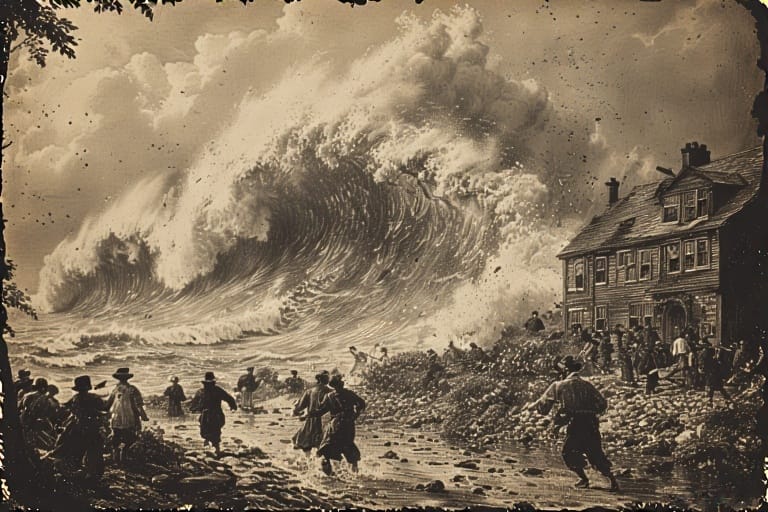
🔹 Waves up to 15 meters high raced toward the coast within 10–20 minutes.
4. The Tsunami Impact
The tsunami struck with incredible force.
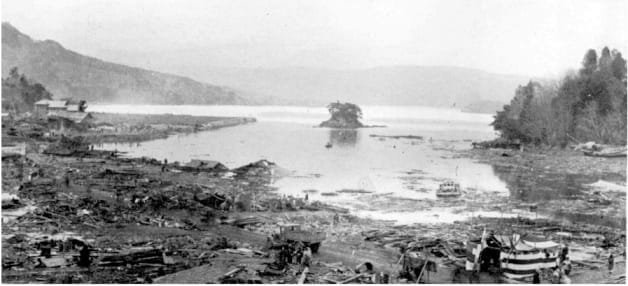
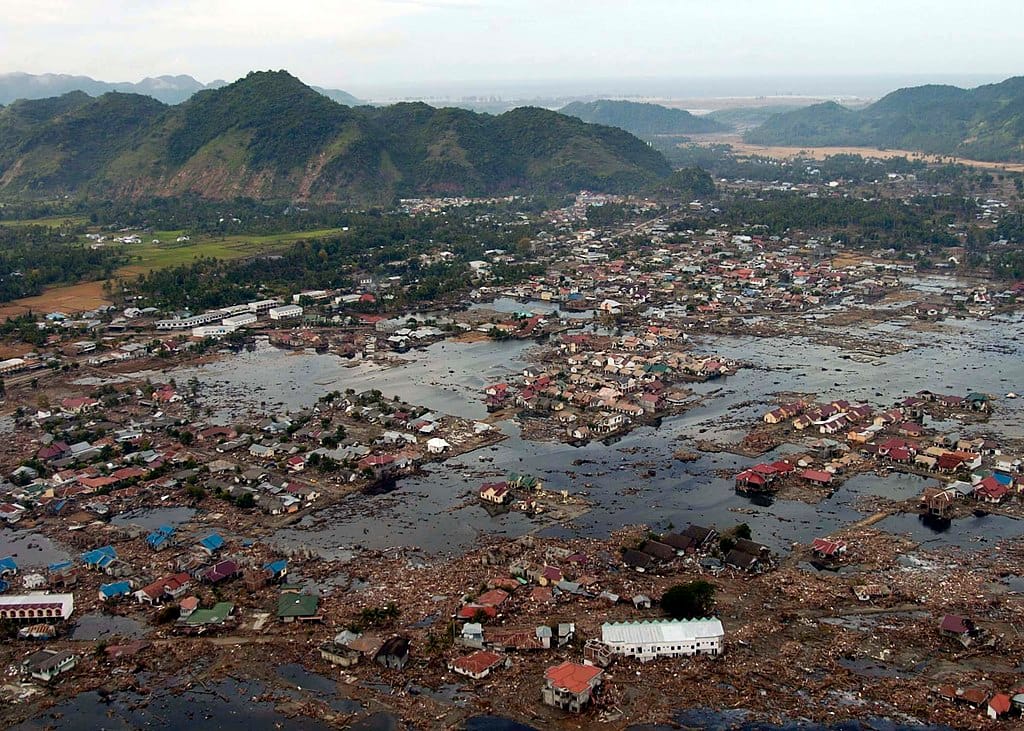
✔️ The villages of Sissano, Arop, and Warapu were almost entirely wiped out.
✔️ People were swept inland over 500 meters.
✔️ Debris, trees, and bodies were scattered across the land.
5. A Human Tragedy Unfolds
The disaster claimed over 2,100 lives, many of them children.
✔️ Thousands more were injured, orphaned, or left homeless.
✔️ Local hospitals were overwhelmed.
✔️ The international community sent urgent aid, but damage to roads and communication delayed response.
6. Lessons for Science and Survival
The tragedy forced a rethink in how tsunamis are studied and monitored.
✔️ Submarine landslides were recognized as major tsunami sources.
✔️ Seismic-only warnings proved insufficient.
✔️ It led to improvements in tsunami education and early-warning systems across the Pacific.
7. Conclusion
The 1998 Papua New Guinea tsunami was a brutal lesson in how invisible underwater threats can unleash devastation. Today, its memory fuels stronger preparedness efforts—not just in PNG, but across all vulnerable coastal nations.
8. External Resource
🌐 Wikipedia: 1998 Papua New Guinea earthquake