Table of Contents
- Introduction
- Early Life and Dynastic Origins
- Rise to the Throne
- The Grand Embassy and Western Influence
- Military Reform and Naval Expansion
- Founding of Saint Petersburg
- Administrative Reforms and Centralization
- Economic Modernization
- Cultural and Social Overhaul
- Education and Science Reforms
- Church and State Realignment
- Foreign Policy and Wars
- Personal Life and Character
- Death and Succession
- Long-Term Legacy
- Conclusion
- External Resource
- Internal Link
1. Introduction
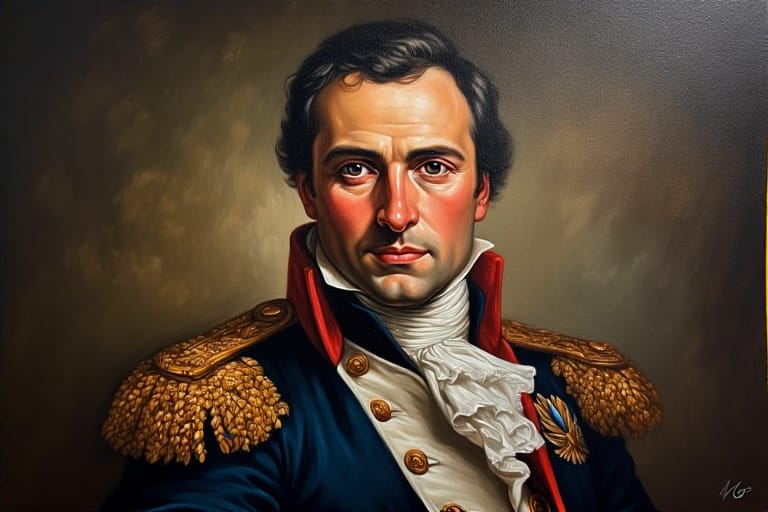
Few rulers have left such an enduring mark on their nations as Peter the Great did on Russia. Born in a feudal and relatively isolated country, Peter envisioned a modern, powerful empire that could rival the great nations of Europe. Through intense reform and uncompromising leadership, he reshaped Russian society, administration, military, and even its identity, laying the groundwork for what would become the Russian Empire.
2. Early Life and Dynastic Origins
Peter was born on June 9, 1672, in Moscow, to Tsar Alexis I and his second wife, Natalya Naryshkina. As a member of the Romanov dynasty, Peter grew up during a period of intense political intrigue and power struggles among boyar families.
His half-brother, Feodor III, reigned briefly, and after his death, a power-sharing arrangement was made between Peter and his mentally impaired half-brother Ivan V, with their sister Sophia Alekseyevna acting as regent. Peter’s early exposure to military drills and western innovations at the German Quarter in Moscow sparked his fascination with modernization.
3. Rise to the Throne
Peter officially took control as sole ruler in 1689, after deposing Sophia. He became Tsar in name earlier but lacked power until he was 17. The early years of his reign were spent consolidating authority, forming a loyal base, and preparing for his transformational policies.
4. The Grand Embassy and Western Influence
In 1697, Peter embarked on the Grand Embassy, a tour of Europe where he traveled incognito to study shipbuilding, artillery, and governance. He worked in Dutch shipyards, observed Prussian drills, and met leaders in England and Austria.
This journey profoundly impacted him. He returned determined to reform Russia from the ground up and integrate Western technologies, dress, education, and administration.
5. Military Reform and Naval Expansion
Understanding that military might was crucial to power, Peter radically restructured the Russian army. He abolished the old Streltsy units, imposed compulsory service for the nobility, and created a standing army trained in European tactics.
Peter also founded the Russian Navy, with modern fleets constructed at shipyards in Voronezh and along the Baltic Sea. His efforts culminated in victory over Sweden in the Great Northern War, securing access to the Baltic.
6. Founding of Saint Petersburg
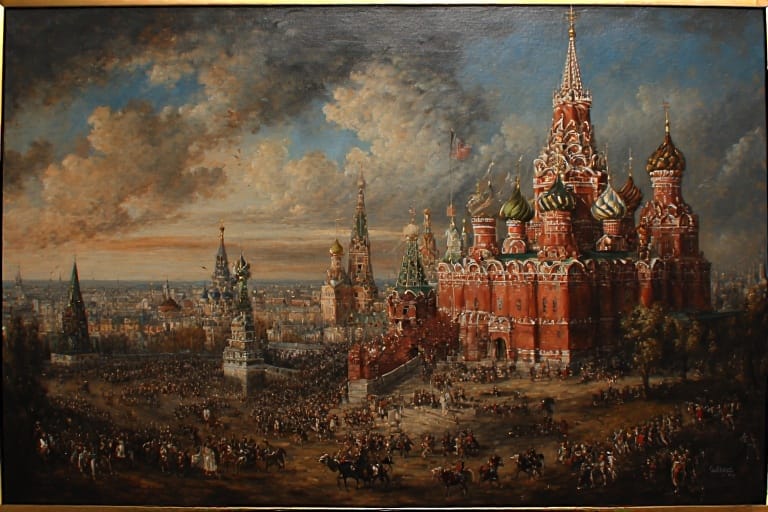
In 1703, Peter established Saint Petersburg, built on marshland along the Neva River. It became Russia’s new capital and a symbol of the new, outward-looking Russia. With baroque architecture and wide canals, it resembled Amsterdam or Vienna more than Moscow.
Peter forced nobles to build homes there and moved administrative offices, signaling the empire’s shift from Asia to Europe.
7. Administrative Reforms and Centralization
To govern effectively, Peter reorganized the Russian state into provinces with appointed governors. He replaced outdated councils with collegia—ministries modeled after European institutions.
He introduced a Table of Ranks, allowing non-nobles to rise through merit in military or civil service, thereby breaking the aristocracy’s monopoly on power.
8. Economic Modernization
Peter encouraged the development of industry, founding ironworks, textile mills, and glass factories. He imposed taxes on traditional garments and beards to push western customs.
He also promoted foreign trade and established customs systems, seeking to increase state revenue for military campaigns.
9. Cultural and Social Overhaul
Cultural reforms were radical. Peter introduced Western clothing, banned long robes and beards, and encouraged social mixing between sexes at official gatherings. The Julian calendar replaced the Byzantine one, aligning Russia with Europe.
He also introduced public theaters, newspapers, and secular schools, helping shape a more cosmopolitan society.
10. Education and Science Reforms
Peter built schools for engineering, navigation, medicine, and artillery. He sent young nobles to Europe to study. In 1725, he established the Russian Academy of Sciences, laying the foundation for intellectual development.
He mandated literacy for military officers and promoted scientific inquiry, greatly expanding Russia’s knowledge base.
11. Church and State Realignment
Peter reduced the Orthodox Church’s independence, abolishing the Patriarchate in 1721 and replacing it with the Holy Synod, controlled by the state. This move eliminated a potential rival and brought the church under imperial authority.
Religious policy under Peter was pragmatic: he tolerated other faiths, so long as they supported the state.
12. Foreign Policy and Wars
Peter’s greatest military achievement was the Great Northern War (1700–1721) against Sweden. After initial defeats, he modernized his forces and ultimately won at Poltava (1709), changing the power dynamics in Northern Europe.
The resulting Treaty of Nystad gave Russia access to the Baltic and marked its emergence as a European power.
13. Personal Life and Character
Peter stood over 6’8” tall and was known for his tireless energy, temper, and curiosity. He enjoyed manual labor, shipbuilding, and surgery. Despite his progressive reforms, he ruled autocratically, often using brutal methods to suppress dissent.
He married twice—first to Eudoxia Lopukhina, then to Marta Skavronskaya, later Catherine I, who succeeded him.
14. Death and Succession
Peter died on February 8, 1725, after a sudden illness. His reforms had changed Russia irreversibly, though his lack of a clear heir led to a power struggle.
He was buried in the Peter and Paul Cathedral in Saint Petersburg, and his wife Catherine I became Empress, continuing some of his policies.
15. Long-Term Legacy
Peter the Great’s legacy is monumental. He modernized a backward feudal state into a centralized, secular, and militarized empire. His reign reoriented Russia toward Europe and paved the way for future imperial expansion.
Though controversial, his achievements have earned him an enduring place among the world’s transformative leaders. Streets, monuments, and even a city—Petrograd (now Saint Petersburg)—bear his name.
16. Conclusion
Peter the Great redefined what it meant to be Russian. By the end of his reign, Russia had new cities, a navy, an empire, and a new identity. His relentless drive to modernize and centralize power came at great cost but yielded lasting rewards.
A builder of ships and empires alike, Peter’s legacy continues to shape Russian society, governance, and geopolitical strategy to this day.