Table of Contents
- The Day the Earth Trembled: September 19, 2017, Puebla
- Early Morning Shadows: The Calm Before the Quake
- Geological Origins: Why Puebla Sits on a Shifting Earth
- A Deadly Coincidence: Another September 19, Another Tragedy
- The First Rupture: How the Earth Unleashed Its Fury
- Mexico City in Crisis: The Struggle Beneath the Skyscrapers
- Collapse and Chaos: Stories from the Rubble
- Heroes Among the Ruins: Rescue and Solidarity
- Government Response: Action and Criticism
- The Toll of Disaster: Casualties, Damage, and Destruction
- The Historical Memory of Earthquakes in Mexico
- Urban Vulnerability: Building Codes and Urban Planning
- The Psychological Earthquake: Trauma and Community Healing
- Global Attention: International Aid and Solidarity
- Lessons Learned: Mexico’s Earthquake Preparedness
- September 19 in Mexican Collective Memory
- The Aftershocks: Enduring Physical and Emotional Quakes
- Reconstruction: From Ruins to Renewal
- The Role of Media: Narrating Disaster in Real Time
- Indigenous and Local Narratives: Beyond the Headlines
- Cultural Responses: Art, Literature, and Memory
- Scientific Advances: Understanding Seismic Risks
- The Resilience of Mexico City: A Tale of Survival and Hope
- Reflections on Nature’s Power and Human Fragility
The Day the Earth Trembled: September 19, 2017, Puebla
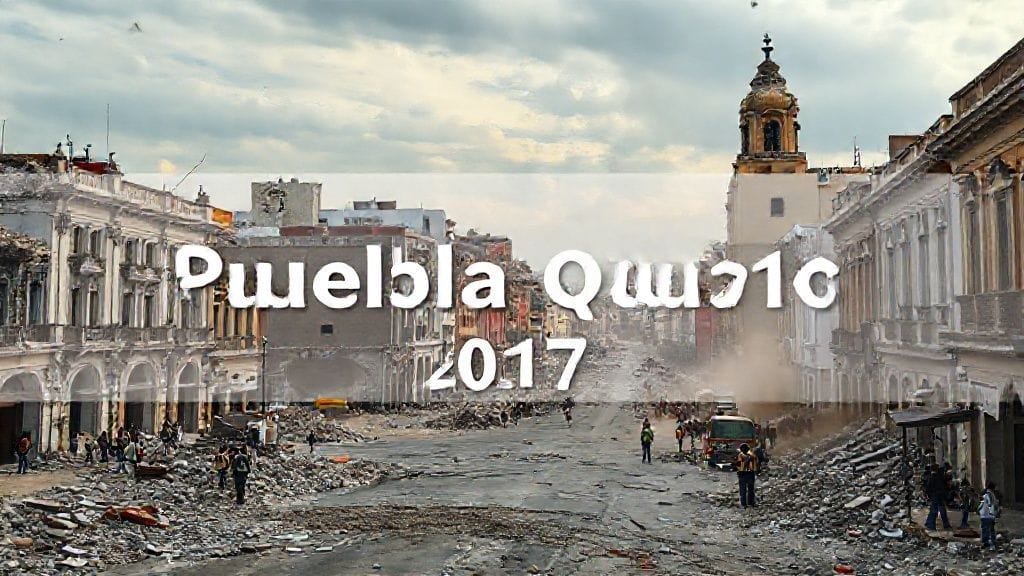
Shortly after midday on September 19, 2017, the earth beneath central Mexico convulsed with an unrelenting force. A massive earthquake, registering magnitude 7.1, erupted near the town of Axochiapan in the state of Puebla. The sky, previously pale and unassuming under the late-morning sun, seemed to vibrate along with the trembling streets beneath the millions of lives it would forever change. Windows shattered as concrete crumbled; the world tilted violently for nearly a minute. In that harrowing moment, cities like Mexico City—some 120 kilometers away—became scenes of chaos and heartbreak, a theater of destruction and resilience unfolding in unison.
In tens of thousands of homes and workplaces, normal living turned into desperate survival. The earthquake struck just hours after a nationwide earthquake drill, making the event all the more surreal. As the dust settled, the assessment began—a grim census of loss, injury, and heartbreak. But amid the rubble and despair, a spirit of unity galvanized millions; neighbors, strangers, young and old, all bound by the shared need to save lives, to rebuild, to remember.
This earthquake was not just a natural disaster; it was a living, breathing tragedy etched into the Mexican soul—a stark reminder of the relentless power of the Earth and the indomitable will of a people tested yet unbroken.
Early Morning Shadows: The Calm Before the Quake
The morning of September 19 started like any other in central Mexico. Families prepared their daily routines, children returned to classrooms after a disturbed week of national mourning for the victims of the 1985 earthquake anniversary. It was a day marked by preparation—a nationwide earthquake drill had taken place at 11:00 a.m. earlier that day, echoing a collective consciousness sharpened by past tragedies.
Yet beneath the surface, unbeknownst to millions, tectonic plates were steadily straining, accumulating energy at a creeping pace. Mexico sits atop a complex geological labyrinth where three major tectonic plates—the North American, Cocos, and Pacific plates—interact in a restless contest. These collisions and subductions make this land particularly vulnerable to seismic upheavals.
From small towns in Puebla to the teeming urban sprawl of Mexico City, the morning sun rose over buildings old and new, ignorant of the imminent fury stirring in the earth’s depths.
Geological Origins: Why Puebla Sits on a Shifting Earth
Mexico’s central region is an epicenter of seismic activity due to its position at the converging boundaries of tectonic plates. The Cocos plate, moving roughly northeast, subducts beneath the North American plate along the Middle America Trench buried beneath the Pacific Ocean. This geological dance has sculpted not only mountains and volcanoes but also wrought frequent, often devastating earthquakes.
The 2017 Puebla earthquake originated from this subduction zone, approximately 51 kilometers deep near Axochiapan, Puebla. This intermediate-depth earthquake released pent-up strain accumulated over decades as the plates pressed against each other. The release of energy radiated in waves that traveled explosively outward, shaking the land beneath populous regions, especially Mexico City.
The city itself, built partly on an old lakebed, suffers from soil amplification effects—soft sediments magnify seismic waves, turning moderate tremors into catastrophic shaking. This geological vulnerability exacerbated the disaster’s effects, causing buildings to sway and sometimes collapse with alarming ferocity.
A Deadly Coincidence: Another September 19, Another Tragedy
It is almost fateful how history repeated itself on that exact date. On September 19, 1985, Mexico City experienced one of the deadliest earthquakes in its history—a magnitude 8.1 disaster that devastated the metropolis, killing thousands and leaving scars still remembered three decades later.
The coincidence of another deadly quake precisely 32 years later on the same day stunned citizens and historians alike. Many Mexicans recalled the 1985 tragedy with sorrow and a haunting nostalgia. The coincidence underscored the fragile relationship between the city’s residents and the ever-shifting earth beneath their feet.
Some saw it as a symbolic reckoning, as if history was demanding renewed attention to preparedness and resilience. Survivors of the 1985 quake and their descendants faced the day burdened by memory, yet determined not to repeat past mistakes.
The First Rupture: How the Earth Unleashed Its Fury
At 1:14 p.m., the rupture began deep in the subduction zone, releasing a violent shockwave that reached the surface with astonishing immediacy. The seismic sensors across Mexico and the world recorded an earthquake of magnitude 7.1, but numbers alone fail to capture the human horror and destruction that followed.
Homes shook violently, office buildings rattled as alarms blared; for students in school classrooms, for workers in high rises, for families in neighborhood homes, the world tilted into chaos. The tremor lasted approximately 90 seconds—long enough to rupture lives and fate.
The shaking was uneven but brutally effective: southern Mexico City neighborhoods, Puebla, Morelos, and the State of Mexico felt the strongest shocks. Historic buildings older than a century crumbled under the strain; newly constructed structures swayed, some collapsing tragically.
Mexico City in Crisis: The Struggle Beneath the Skyscrapers
Mexico City is a metropolis of over 21 million inhabitants, a sprawling urban jungle woven with contrasts—historic colonial neighborhoods side by side with towering modern skyscrapers. When the ground shook, this vast city was thrust into a moment of emergency and vulnerability.
Skyscraper alarms echoed through volatile air, city buses halted abruptly, and electricity grids faltered. As the quake hit, tens of thousands scrambled to evacuate buildings, clutching children, elderly, frantic with uncertainty.
Particularly affected were school buildings. The enormous earthquake struck during school hours, leading to chaos but also miraculous moments of survival, as students and teachers rushed to safety, some saved by emergency drills practiced earlier that day.
However, not all escapes ended well. Several schools collapsed, resulting in tragic loss of young lives, searing the nation with grief.
Collapse and Chaos: Stories from the Rubble
The aftermath revealed a city scarred and wounded. Buildings that had once stood proud were reduced to piles of concrete and twisted metal. Neighborhoods like Roma and Condesa, known for their vibrant cultural life, looked like war zones.
One of the most horrifying scenes unfolded at the Enrique Rébsamen School, where the collapse trapped dozens of children and teachers. Rescue operations emerged as frantic, agonizing races against time.
Stories flooded the airwaves: families searching for loved ones, neighbors helping neighbors, strangers working shoulder to shoulder. Amid death and destruction, there were tales of hope—a young girl lifted alive from the rubble, a dog barking incessantly leading rescuers to survivors.
The collapse was not indiscriminate but often the result of structural vulnerabilities, poor construction practices, and soil conditions—a tragedy that compounded heartbreak with anger and questions.
Heroes Among the Ruins: Rescue and Solidarity
As the dust settled, the true human story began unfolding: the resilience, bravery, and solidarity of Mexicans confronted with catastrophe. Ordinary citizens formed spontaneous rescue brigades; firefighters, police, and medical teams worked relentlessly.
The spirit of “solidarity” (solidaridad) became a defining feature. Volunteers arrived by the thousands, armed with tools, shovels, and raw determination. Social media networks buzzed with requests and offers for help; donations poured in.
The phrase “Todos somos México” (We are all Mexico) became a rallying cry, encapsulating the collective grief and hope. Communities that were ripped apart began knitting themselves back, bound by shared survival and purpose.
Government Response: Action and Criticism
While first responders scrambled to save lives, the government’s role was under intense scrutiny. President Enrique Peña Nieto visited disaster zones, urging calm and cooperation. Emergency funds were allocated, and protocols activated.
Yet criticism quickly emerged—questions about preparedness, building code enforcement, and speed of aid distribution. Many victims accused local authorities of negligence, citing past warnings unheeded. The government faced the harsh challenge of balancing emergency response with accountability.
This catastrophe sparked debates about urban planning and administrative responsibility that ripple in Mexican society to this day.
The Toll of Disaster: Casualties, Damage, and Destruction
The human cost was staggering. Official reports confirmed over 370 deaths across affected states, including more than 200 in Mexico City alone. Thousands were injured; tens of thousands displaced.
Damage estimates surpassed billions of dollars. Over 40,000 buildings were reported damaged, with many uninhabitable. Historic monuments and cultural heritage sites suffered losses.
The psychological and economic impacts were profound, striking at families, businesses, and the very fabric of urban life.
The Historical Memory of Earthquakes in Mexico
Mexico’s history is deeply punctuated by seismic disasters. The 2017 Puebla earthquake is part of a long lineage of quakes that have shaped the nation’s identity.
From the devastating 1985 event to successive tremors in Oaxaca, Guerrero, and beyond, each disaster has left marks of loss and lessons of resilience. The collective memory serves as a reminder of nature’s indifference and humanity’s struggle to adapt and withstand.
The September 19 quake renewed efforts to remember and learn, while mourning yet another generation impacted by the ground’s fury.
Urban Vulnerability: Building Codes and Urban Planning
Why do earthquakes in Mexico cause disproportionate destruction? The answer lies partly in urban vulnerabilities. Mexico City is built on an ancient lakebed that amplifies seismic waves. Moreover, rapid urban expansion, often unchecked, has led to irregular housing and construction.
Though strict building codes exist, enforcement has been uneven, and informal construction remains widespread. The quake exposed these weaknesses brutally.
Subsequent investigations have pushed for reforms in construction standards, emphasizing resilience and sustainability to reduce future risks.
The Psychological Earthquake: Trauma and Community Healing
Beyond physical destruction, the earthquake inflicted deep psychological wounds. Survivors grappled with fear, loss, and uncertainty.
Mental health services were mobilized, but long-term trauma remains a silent aftershock for many. Community programs, counseling, and public rituals emerged to help heal emotional scars.
The shared experience also fostered social cohesion, a reminder that in catastrophe, human connections are both fragile and vital.
Global Attention: International Aid and Solidarity
The scale of the disaster drew significant international attention. Aid arrived from governments, NGOs, and volunteers worldwide.
From search-and-rescue teams to medical supplies and financial assistance, the global community expressed solidarity with Mexico.
This outpouring reflected a universal recognition of shared vulnerability to natural disasters and the power of collective support.
Lessons Learned: Mexico’s Earthquake Preparedness
The earthquake sparked a national reckoning with disaster preparedness. Effective drills, early warning systems, and education campaigns became top priorities.
Technological advancements in seismic detection were accelerated. Meanwhile, community-based resilience programs sought to empower vulnerable populations.
The painful lessons of 2017 continue to inform public policy and grassroots initiatives aimed at minimizing future tragedy.
September 19 in Mexican Collective Memory
The coincidence of two major earthquakes on September 19 has engraved this date into the Mexican collective psyche as a day of vigilance and remembrance.
Memorials, ceremonies, and cultural reflections honor the lives lost and celebrate the strength shown. Television, literature, and music keep alive these memories, ensuring that future generations do not forget.
This date has become a symbol of mourning and resilience intertwined.
The Aftershocks: Enduring Physical and Emotional Quakes
The main shock was followed by a series of aftershocks—hundreds of smaller quakes that kept inhabitants on edge.
These aftershocks caused ongoing damage, hampered rescue efforts, and intensified psychological strain.
Physically and mentally, Mexico faced months of tremors echoing the original trauma.
Reconstruction: From Ruins to Renewal
The challenge of rebuilding proved monumental. Restoration efforts spanned years and required cooperation between government, private sector, and communities.
New infrastructure rose with an eye toward resilience; neighborhoods once shattered slowly regained life.
This phase was as much about restoring hope as reconstructing walls.
The Role of Media: Narrating Disaster in Real Time
Modern media played a critical role during the disaster—live broadcasts, social networks, and citizen journalism brought immediate information and mobilized help.
However, misinformation and sensationalism sometimes complicated relief efforts.
Ultimately, media shaped public perception and fostered a broad sense of engagement and empathy.
Indigenous and Local Narratives: Beyond the Headlines
While headlines focused on big cities, rural and indigenous communities also felt the earthquake’s impact.
Their stories often went unheard but reveal diverse experiences of loss and resilience.
These narratives add depth to the overall picture and call for inclusive policies.
Cultural Responses: Art, Literature, and Memory
Artists, poets, and musicians transformed pain into creative expression. Murals appeared on walls wrecked by the quake; literature and theater grappled with trauma and hope.
Cultural responses serve as vital vessels preserving memory and advancing healing.
Scientific Advances: Understanding Seismic Risks
Seismologists and geologists studied the 2017 quake intensively, gaining insights into subduction processes and soil dynamics.
These advances fuel better prediction models and mitigation strategies worldwide.
Science remains central to humanity’s quest to coexist with this restless planet.
The Resilience of Mexico City: A Tale of Survival and Hope
Above all, the Puebla earthquake revealed the resilient heartbeat of Mexico City.
From despair rose determination; from ruins, renewal. The city’s people face the future informed by history but not paralyzed by it.
This resilience is a testament to the enduring human spirit in the face of nature’s might.
Reflections on Nature’s Power and Human Fragility
The 2017 Puebla earthquake, like so many natural disasters, is a stark reminder that beneath the veneer of urban life, nature’s power is unpredictable and immense.
Yet, within this fragile balance lies an extraordinary story of human courage, solidarity, and hope—lessons etched not just in stone but in heart and memory.
Conclusion
The Puebla earthquake of September 19, 2017, was more than a disaster; it was a chapter in Mexico’s ongoing dialogue with the Earth itself. The tremors awakened a nation to its vulnerabilities yet inspired a profound solidarity that transcended social divides. As buildings fell, communities rose. In the face of destruction, Mexicans displayed strength, compassion, and an unyielding commitment to rebuild and remember.
This tragic event forces us to reflect on the delicate dance between human endeavor and natural forces. It calls for vigilance, better preparation, and above all, empathy—towards those who lose everything in an instant and towards the planet whose breath we all share. History will remember September 19 not only for the disaster but for the humanity that shone brightest amid the darkness.
FAQs
Q1: What caused the Puebla earthquake of 2017?
The earthquake was caused by the subduction of the Cocos tectonic plate beneath the North American plate, releasing accumulated stress along a fault near Axochiapan, Puebla.
Q2: Why was the earthquake particularly destructive in Mexico City?
Mexico City’s underlying soil, composed of a former lakebed, amplifies seismic waves, increasing shaking intensity. Many buildings were also vulnerable due to construction issues.
Q3: How did the 2017 earthquake relate to the 1985 Mexico City earthquake?
Both occurred on September 19, thirty-two years apart, causing significant destruction and loss of life, embedding the date into Mexico’s collective memory as a day of tragedy.
Q4: What was the human toll of the earthquake?
More than 370 people died, thousands were injured, and tens of thousands of buildings were damaged or destroyed, displacing many residents.
Q5: How did Mexican society respond to the earthquake?
Citizens, government agencies, and international actors mobilized rescue efforts, showed solidarity, and later worked on reconstruction and improved disaster preparedness.
Q6: What long-term lessons did Mexico learn from the 2017 earthquake?
The disaster emphasized the need for strict construction standards, timely emergency responses, community training, and scientific research into seismic risks.
Q7: How is the earthquake remembered today?
Through memorials, annual commemorations on September 19, as well as cultural expressions like art and literature that both mourn and celebrate resilience.
Q8: What role did technology and media play during the event?
Early warning systems helped alert populations, while media facilitated communication, information sharing, and mobilization of aid, despite challenges from misinformation.