Table of Contents
- The Night the Sea Roared: An Unforgettable Awakening
- Setting the Stage: Puerto Rico and the Mona Passage in 1918
- A Hidden Danger: Seismic Tensions Beneath the Caribbean
- The Earthquake That Shook Puerto Rico: Prelude to a Disaster
- From Shaking Earth to Surging Waves: The Birth of a Tsunami
- The Initial Impact: Coastal Towns Drowned in Darkness and Water
- Voices from the Depths: Eyewitness Accounts of the Tsunami’s Fury
- Rescue and Recovery: Community Resilience Amidst Ruins
- The Human Cost: Lives Lost and Stories Remembered
- Economic Shockwaves: Rebuilding an Island and Its Livelihood
- Political Aftershocks: Puerto Rico under American Rule
- Scientific Awakening: How 1918 Changed Tsunami Studies in the Caribbean
- Mona Passage: The Geologic Puzzle of a Vulnerable Sea Corridor
- From Tragedy to Preparedness: Evolution of Disaster Response in Puerto Rico
- Cultural Reflections: The Tsunami’s Place in Puerto Rican Memory and Lore
- Comparisons with Global Tsunamis: What Made 1918 Unique?
- Lessons Learned: Tsunami Mitigation and Modern Coastal Safety
- The Legacy of the 1918 Tsunami: A Warning Written in Water
- Conclusion: The Sea’s Whisper and the Island’s Resilience
- Frequently Asked Questions
- External Resource
- Internal Link
The Night the Sea Roared: An Unforgettable Awakening
In the late evening of October 11, 1918, a surreal silence blanketed the coastal towns bordering Puerto Rico’s western frontier. Residents leaned into the cool night air, unaware that the hidden orchestra of earth and ocean was beginning to perform a catastrophic symphony. Suddenly, the ground trembled—a deep, unsettling pulse reverberating beneath their feet. Windows rattled, lamps swayed, and hearts froze in anticipation. But the tremors only preluded a more menacing force: from the depths of the Mona Passage, monstrous waves surged forward—unleashing a tsunami that would forever alter the island’s history.
Imagine the horror of witnessing your familiar shoreline swallowed in a cascade of water so immense it eclipsed the moonlight. Men, women, and children struggled to understand nature’s violent proclamation, their world caught between the shaking earth and the rising surf. This was no mere storm nor routine earthquake. It was a moment when the planet reminded Puerto Rico of its precarious place on the stage of tectonic fury. Yet even amid the destruction, stories of courage, endurance, and communal solidarity emerged—threads of humanity woven tightly into tragedy’s fabric.
Setting the Stage: Puerto Rico and the Mona Passage in 1918
At the dawn of the 20th century, Puerto Rico's destiny was marked by change. Just twenty years prior, the island had shifted from Spanish to American sovereignty—a transition rife with political ramifications and economic ambitions. The western coast, cradled by the ominous expanse of the Mona Passage—a narrow strait separating Puerto Rico from the Dominican Republic—was home to vibrant fishing communities and burgeoning ports. The region’s ambivalent relationship with the sea provided both livelihood and latent danger.
The Mona Passage is no tranquil waterway. Its deep channels and shifting currents made it a challenging corridor for navigation. Beneath its surface, the Caribbean Plate and the North American Plate pressed and shifted, forging an invisible fault line teetering on instability. The residents of Punta Higuero, Moca, and Mayagüez lived in quiet ignorance of the seismic menace lurking below, their daily lives a fragile dance alongside nature's capricious moods.
A Hidden Danger: Seismic Tensions Beneath the Caribbean
The Caribbean is a tectonic mosaic, an arena of plates grinding against each other in ceaseless movement. In 1918, the scientific community's grasp of seismic phenomena was still evolving. Yet, the Mona Passage region was understood to be seismically active—a fault line ripe for rupturing.
These geological tensions culminated in the infamous 1918 earthquake at 9:14 p.m., registering a magnitude of approximately 7.3 on the Richter scale. The epicenter lay near the Mona Passage, just off Puerto Rico’s western coast. The quake unleashed not only immediate shaking but disrupted the ocean floor sufficiently to trigger a tsunami. This deadly combination—a powerful earthquake followed by towering waves—would test the islanders’ resilience in unprecedented ways.
The Earthquake That Shook Puerto Rico: Prelude to a Disaster
The seismic event was sudden and intense. Those near the coast recounted their homes rattling violently; furniture crashed, walls cracked, and panic surged through the towns. In Mayagüez, Puerto Rico’s “Pearl of the West,” the shaking was so severe it caused structural damage to public buildings and disrupted critical infrastructure.
But as the initial quake subsided, a more sinister threat loomed. Ocean waters inexplicably withdrew from the coastline, exposing the seabed in an eerie spectacle called a “drawback” – nature’s grim prelude to a wave’s arrival. This ominous retreat sent a flash of realization through those who understood its consequence: a tsunami was coming.
From Shaking Earth to Surging Waves: The Birth of a Tsunami
Within minutes of the earthquake, colossal waves charged towards Puerto Rico’s shores. Some estimates claim the tsunami’s height reached between 6 to 12 meters in places—a deadly vertical wall swallowing everything in its path. The water’s velocity was terrifying, sweeping away homes, boats, and people alike.
The Mona Passage’s intricate underwater topography amplified the tsunami’s power. Narrow channels funneled the swelling wave toward coastal villages, while shallow bays turned them into perilous traps. The tsunami's unpredictable reach inflicted varying degrees of devastation along the west coast, from Mayagüez to Aguadilla and Rincon.
The Initial Impact: Coastal Towns Drowned in Darkness and Water
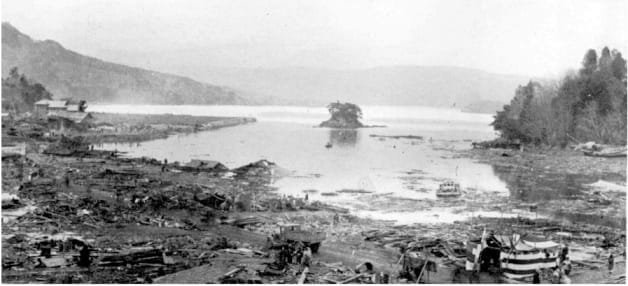
When the tsunami hit, it plunged the western towns into chaos. Imagine the confusion in villages like Aguada: fishermen lost at sea, families desperate to escape rising waters, and rescue efforts swallowed by the scope of destruction. Streets became rivers; landmarks vanished beneath relentless waves. The night’s darkness deepened with the loss of electricity and communication.
Eyewitness reports speak of harrowing scenes—people clinging to trees and rooftops, boats smashed against piers, and the mournful cries of the displaced. Entire communities were dislocated, with some towns facing near-total ruin. The scale was so significant it stunned colonial administrators and local officials alike.
Voices from the Depths: Eyewitness Accounts of the Tsunami’s Fury
One survivor, a fisherman named José Martínez from Mayagüez, recalled, “The earth roared beneath us, and then the sea ran away as if frightened. But soon, it came back like an angry giant, swallowing our homes and dreams.” Stories like his aggregate into a chorus of human despair and determination. Medical workers, volunteers, and local leaders rushed to provide aid despite ruined roads and a fractured communication system.
Such testimonies, preserved in newspapers and oral histories, allow us to glimpse the raw emotion of the experience—a mix of terror, loss, and an unshakable will to endure.
Rescue and Recovery: Community Resilience Amidst Ruins
Despite the overwhelming destruction, Puerto Rican communities exhibited remarkable resilience. The American military, under whose administration Puerto Rico still fell, organized emergency relief efforts—distributing food, medicine, and shelter to the displaced. Local volunteers took initiatives to rebuild, often with little external assistance. Churches became refuges; schools were repurposed as centers of aid.
Recovery was neither immediate nor easy. Disease outbreaks compounded suffering in makeshift camps, and the agricultural economy faced a brutal setback as fields flooded and livestock perished. Yet, this collective trauma catalyzed an unprecedented spirit of solidarity.
The Human Cost: Lives Lost and Stories Remembered
Estimates of casualties vary widely but range between 116 and over 200 deaths—a significant toll for Puerto Rico at that time. Entire families were lost, and countless individuals were left disabled or homeless. The tsunami's psychological scars lingered, haunting survivors through nightmares and memories passed down to subsequent generations.
Communities commemorated the disaster in local narratives and annual remembrances, ensuring the memory of those lost would persist and serve as a solemn warning.
Economic Shockwaves: Rebuilding an Island and Its Livelihood
The tsunami crippled key economic sectors. Fishing fleets were decimated, ports damaged, and agricultural lands flooded with saltwater, threatening food production for months. Infrastructure repair costs strained the insular government already managing the complex balance of colonial dependence and local welfare.
Trade, particularly through Mayagüez and Aguadilla, experienced significant disruption. The catastrophe exposed vulnerabilities in the island's urban planning and emergency preparedness—sparking discussions around modernization and hazard mitigation in economic rebuilding policies.
Political Aftershocks: Puerto Rico under American Rule
The disaster struck Puerto Rico during a politically sensitive period. U.S. authorities maintained control over the island's governance but faced criticism over responsiveness and support. The earthquake and tsunami underscored the strategic importance and fragility of Puerto Rico within the American imperial framework.
Moreover, the catastrophe provided a platform for Puerto Rican leaders to advocate for improved infrastructure, self-governance, and disaster preparedness—issues entangled with broader debates about identity and autonomy.
Scientific Awakening: How 1918 Changed Tsunami Studies in the Caribbean
Until 1918, tsunamis were regarded as remote, exotic phenomena mostly documented in the Pacific. Puerto Rico’s tragic experience challenged this assumption, highlighting the Caribbean's seismic risk.
Scientists began to scrutinize the relationship between regional earthquakes and tsunami generation. Studies on fault lines, underwater topography, and wave propagation accelerated, ultimately influencing contemporary tsunami warning systems and cartography. The 1918 event remains a key case study in Caribbean geophysics.
Mona Passage: The Geologic Puzzle of a Vulnerable Sea Corridor
The Mona Passage’s geological complexity plays a critical role in natural hazards. Acting as a conduit between the Atlantic Ocean and the Caribbean Sea, its underwater landscape—composed of trenches, ridges, and fault lines—creates conditions ripe for seismic disturbances.
Understanding 1918’s tsunami means understanding these physical dynamics, which continue to threaten coastal populations. Recent research emphasizes the need for continuous monitoring and preparedness, considering the Mona Passage’s role as a potential epicenter for future disasters.
From Tragedy to Preparedness: Evolution of Disaster Response in Puerto Rico
The tsunami’s devastating footprint spurred long-term reforms in Puerto Rico’s disaster management strategies. Emergency response protocols improved; communications infrastructure was modernized; public awareness campaigns began integrating tsunami education.
These efforts foreshadowed modern civil defense institutions. Although challenges remain, the legacy of 1918 is visible in today’s vigilant approach to natural hazards on the island.
Cultural Reflections: The Tsunami’s Place in Puerto Rican Memory and Lore
Beyond the physical and political domains, the tsunami permeated Puerto Rican culture. It inspired poems, songs, and oral legends, becoming embedded in the collective psyche as a symbol of humility before nature.
The event is commemorated in memorials and local festivals, acting as a conduit for cultural identity and collective resilience. It is a reminder of both vulnerability and the enduring spirit of the Puerto Rican people.
Comparisons with Global Tsunamis: What Made 1918 Unique?
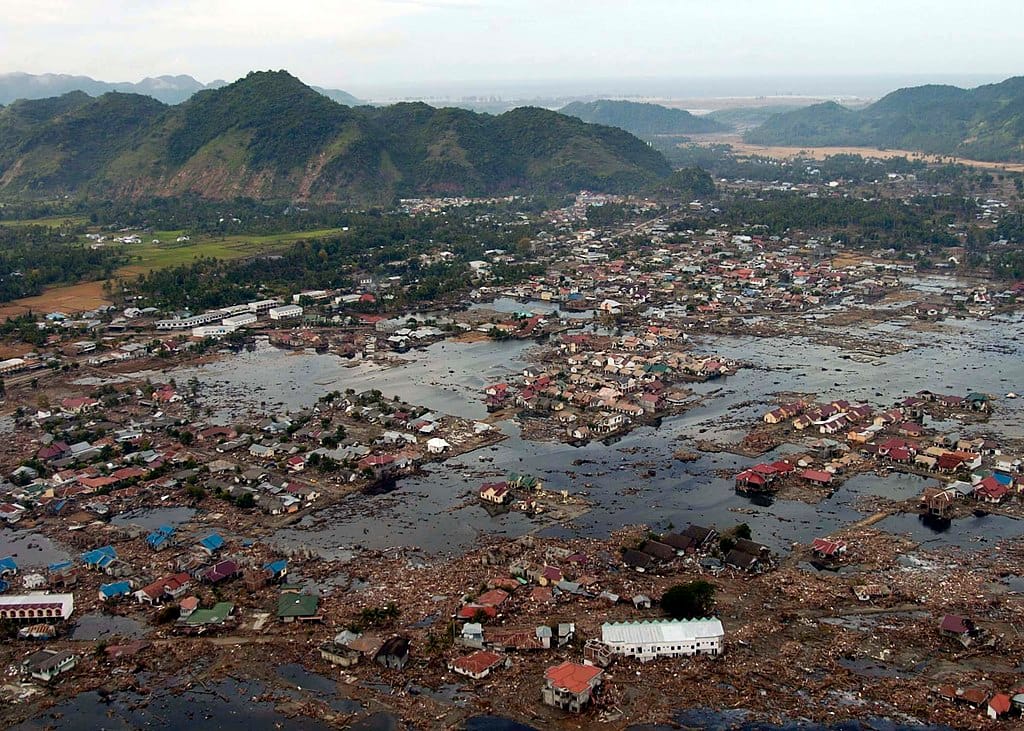
While the Pacific Ocean has borne witness to more frequent and catastrophic tsunamis, the 1918 Puerto Rico tsunami stands out for its rarity in the Atlantic basin. Unlike the massive 2004 Indian Ocean tsunami or 2011 Tōhoku disaster, the Puerto Rican event involved different tectonic dynamics and social contexts.
This uniqueness amplifies its importance in global natural disaster history—demonstrating that even less expected regions can suffer profound impacts.
Lessons Learned: Tsunami Mitigation and Modern Coastal Safety
The disaster’s painful lessons informed global tsunami mitigation strategies, particularly in island and coastal contexts. Early warning systems, evacuation routes, building codes, and community drills now form a crucial defense.
Puerto Rico’s coastal population remains alert, with authorities investing in education and technology to prevent future tragedies. The 1918 tsunami echoes as both a cautionary tale and an impetus for progress.
The Legacy of the 1918 Tsunami: A Warning Written in Water
More than a century later, the 1918 tsunami shapes Puerto Rico’s relationship with the sea and the earth beneath it. It serves as a haunting reminder of natural forces beyond human control, yet also as proof of human resilience and the capacity to adapt.
In an age of climate change and rising sea levels, the lessons from that October night resonate all the more powerfully. The warnings etched by the waves remain etched in history—for Puerto Rico and the world.
Conclusion
The 1918 Puerto Rico tsunami was a moment when earth, sea, and human destiny collided with dire consequences. It was a night that shattered illusions of safety and sparked a metamorphosis in how an island understood its place on the volatile edge of tectonic plates.
But amid ruin and heartbreak, it revealed the indomitable spirit of Puerto Rico’s people—their capacity to rise, rebuild, and remember. This tragedy, etched not only in swollen seas but in hearts and histories, transcends time. It calls us to respect nature’s might while reinforcing the enduring human will to survive and thrive.
The Mona Passage tsunami of 1918 is more than an event. It is a story of warning and hope, loss and renewal—one that continues to inform our collective journey toward safer, more prepared futures.
FAQs
1. What caused the 1918 Puerto Rico tsunami?
The tsunami was triggered by a powerful magnitude 7.3 earthquake centered near the Mona Passage, where tectonic plates converge, displacing ocean water and generating the devastating waves.
2. How many people died in the 1918 tsunami?
Estimates vary, but approximately 116 to over 200 people lost their lives, making it one of the deadliest natural disasters in Puerto Rican history.
3. Why is the Mona Passage significant in this disaster?
The Mona Passage sits on a complex fault zone where tectonic activity can trigger earthquakes and tsunamis. Its underwater topography amplified the tsunami’s power, directing waves toward Puerto Rico’s west coast.
4. How did the 1918 tsunami affect Puerto Rico’s economy?
The tsunami destroyed fishing fleets, flooded agricultural lands with saltwater, and damaged ports and infrastructure, leading to prolonged economic hardship and a challenging rebuilding process.
5. Did the tsunami influence scientific understanding of Caribbean earthquakes?
Yes. The event heightened awareness of the Caribbean’s seismic risks and spurred research into earthquake and tsunami mechanisms, influencing later monitoring and preparedness efforts.
6. What changes occurred in disaster management after 1918?
Puerto Rico improved emergency response systems, developed public education on tsunamis, and reinforced infrastructure—all steps toward better disaster resilience.
7. How is the 1918 tsunami remembered in Puerto Rican culture?
It is commemorated through oral histories, literature, memorials, and cultural events that honor victims and highlight themes of survival and collective memory.
8. Could a similar tsunami occur today?
While rare, the tectonic setting remains active, so a similar event is possible. Modern monitoring and preparedness aim to mitigate potential future impacts.