Table of Contents
- The Dawn of Terror: Early Hours of May 10, 1997
- Qayen and Ardakul: A Land of Contrasts and Quiet Lives
- Geological Unrest: Iran’s Seismic Precarity
- The Build-up: Signs and Ignored Warnings
- May 10, 1997: The Earth Trembles at Dawn
- Immediate Impact: Destruction and Chaos in Ardakul
- The Human Cost: Lives Lost, Families Shattered
- Rescue Efforts Amidst Ruins: Stories of Survival and Heroism
- Government Response: Mobilization and Criticism
- The Challenge of Terrain and Infrastructure
- Medical Relief and Healthcare Struggles
- International Aid: Offers, Refusals, and Geopolitical Nuances
- Reconstruction: Between Necessity and Insufficiency
- Social Trauma: Psychological and Cultural Aftershocks
- Long-term Economic Consequences for South Khorasan
- Lessons Learned: Iran’s Seismic Policies Revisited
- Memories Etched in Stone and Soul
- How Qayen Shaped Modern Disaster Response in Iran
- Scientific Insights: Studying the Ardakul Fault
- Myths and Narratives: The Earthquake in Local Lore
- Comparative Cases: Qayen in the Context of Global Earthquakes
- Preserving Memory: Monuments and Annual Commemorations
- Conclusion: Resilience amid Ruin
- FAQs About the Qayen Earthquake
- External Resource
- Internal Link
The Dawn of Terror: Early Hours of May 10, 1997
In the fragile, misty stillness of a spring dawn, as the first light reluctantly spilled over the eastern horizons of Iran’s South Khorasan province, the earth suddenly tore apart in a violent and unheard roar beneath the sleepy town of Qayen and its neighboring village Ardakul. It was 5:37 a.m., and the tranquility of early morning shattered instantly under a pounding seismic force measuring 7.3 on the Richter scale. The ground buckled; homes crumbled; lives were ripped from their peaceful rhythms.
For the inhabitants of this arid and often overlooked region, that morning marked the arrival of a catastrophe that would leave scars on their land, their psyche, and their collective history. The quake did not just alter the landscape—it altered the very fabric of everyday life.
Qayen and Ardakul: A Land of Contrasts and Quiet Lives
Nestled amidst the harsh yet haunting beauty of Iran’s eastern plateau, Qayen and Ardakul were communities rooted in tradition and simplicity. Qayen, known since antiquity for its saffron fields and history stretching back millennia, stood as a testament to endurance and cultural richness. Ardakul, a smaller and humbler village, embodied the rugged daily life of rural Iran, where families lived in close-knit clusters, bound by customs older than memory.
The lives here moved according to rhythms dictated by the seasons and the land, seemingly stable, yet precarious—always under nature’s watchful and unpredictable eye.
Geological Unrest: Iran’s Seismic Precarity
Iran is one of the most seismically active countries in the world, an unending battleground between tectonic plates. Situated at the convergence zone of the Arabian and Eurasian plates, the region is riddled with faults — silent threats lurking beneath the earth.
Decades of geological studies had traced the trembling faults beneath South Khorasan, including the Ardakul fault line. Yet, awareness and preparedness remained limited. Iran’s history is punctuated with devastating earthquakes: from the 856 Damghan quake to the more recent Bam catastrophe in 2003, the earth often reminded its people of the thin line between civilization and chaos.
Yet, the magnitude and timing of the 1997 Qayen earthquake caught many off guard, revealing vulnerabilities not just geological but socio-political.
The Build-up: Signs and Ignored Warnings
In the weeks leading to May 10, subtle tremors had been felt in the region—small enough for villagers to dismiss or explain away. “The earth breathes,” the older generation murmured, a phrase that spoke of respect mingled with fatalism.
Geologists monitoring the region had noted increased microseismic activity, but the lack of widespread communication and the limitations of monitoring technologies at the time hindered any effective public warning. Moreover, political and economic priorities meant that disaster preparedness infrastructures were underfunded and fragmented.
Thus, unheeded, the earth slowly gathered its destructive energy.
May 10, 1997: The Earth Trembles at Dawn
At 5:37 a.m., the seismic energy, long simmering beneath, released in a devastating jolt. The intense shaking, lasting nearly 25 seconds, radiated across 220 kilometers, mercilessly affecting Qayen and Ardakul at its epicenter.
Homes constructed mainly from adobe and unreinforced masonry collapsed in seconds, roads cracked, and water wells burst. The night sky was suddenly torn by dust clouds rising like ominous smoke, mingled with screams and cries that pierced the dawn’s stillness.
For the people caught in their homes, the waking nightmare was immediate and merciless.
Immediate Impact: Destruction and Chaos in Ardakul
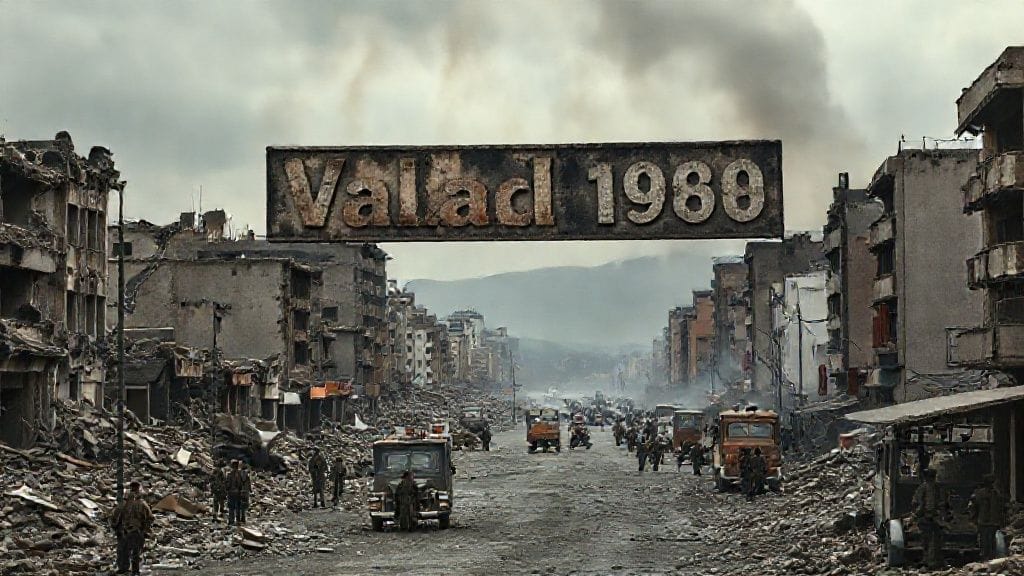
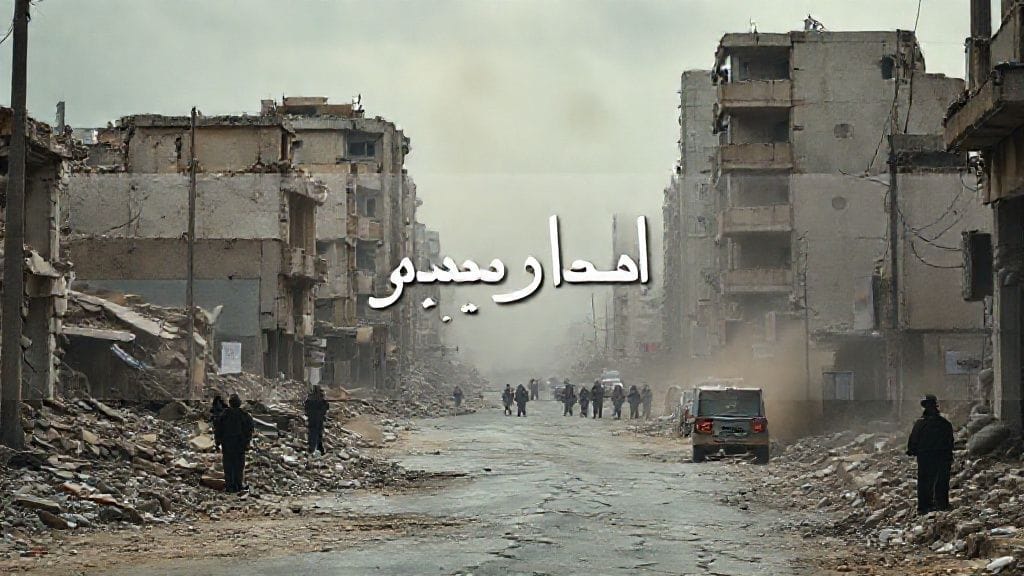
Ardakul, smaller and more vulnerable, bore the brunt of the quake’s fury. Entire neighborhoods turned to rubble; families were buried alive amid the remnants of their houses.
Communication lines were severed. The ancient bazaar lay in ruins. Livestock, a lifeline for many villagers, died or fled in panic, compounding the psychological blow.
The narrow streets, once centers of daily life, transformed into corridors of suffering and confusion.
The Human Cost: Lives Lost, Families Shattered
Official figures estimated close to 1,567 lives lost, with thousands injured and many more rendered homeless. Entire generations were wiped out in moments.
One poignant testimony comes from Zeinab, a young mother who survived buried under rubble for six hours before rescuers reached her. “I could hear nothing but my baby’s cries, and I prayed the earth would not swallow us whole.”
The quake tore not only physical structures but the delicate threads of family, community, and hope.
Rescue Efforts Amidst Ruins: Stories of Survival and Heroism
Despite the chaos, local residents instinctively organized themselves into rescue teams, digging through debris with bare hands and whatever tools they could find.
Stories of heroism abound: a schoolteacher who risked aftershocks to evacuate children; neighbors sharing scarce food; drivers tunneling through cracked roads to bring supplies.
But the scale was overwhelming. With entire villages isolated, rescue teams faced daunting logistical challenges.
Government Response: Mobilization and Criticism
The Iranian government swiftly declared a state of emergency. Military units, medical teams, and volunteers were dispatched to the affected areas. Field hospitals were established, and transport helicopters flew in badly needed supplies.
Yet, criticisms emerged regarding the speed and adequacy of the response. Remote areas remained inaccessible for days, and bureaucratic delays added to the residents’ frustration.
Questions arose about the preparedness of a nation long exposed to seismic threats yet still vulnerable.
The Challenge of Terrain and Infrastructure
Qayen and Ardakul’s rugged terrain compounded rescue and relief operations. Roads fractured and bridges collapsed, blocking access. The harsh desert climate—with scorching days and freezing nights—exacerbated survivors' suffering.
Infrastructure damage hindered communication and power supply restoration. The fragile healthcare system was stretched to the breaking point.
Survivors faced not only physical but existential trials.
Medical Relief and Healthcare Struggles
Triage centers overflowed with injured, many suffering from fractures, crush injuries, burns, and infections. The scarcity of medical personnel and supplies was a heartbreaking reality.
Stories of doctors improvising surgical tools, nurses working round the clock, and volunteers offering comfort paint a vivid picture of resilience amid adversity.
The quake exposed the urgent need for improved emergency medical infrastructure in rural Iran.
International Aid: Offers, Refusals, and Geopolitical Nuances
While neighboring countries and international organizations offered assistance, geopolitical complexities influenced the reception and integration of foreign aid.
Iran, proud and wary of external interference, accepted limited support but emphasized self-reliance.
This incident underscored the tension between humanitarian need and political sovereignty that often colors disaster responses in politically sensitive regions.
Reconstruction: Between Necessity and Insufficiency
Rebuilding efforts began quickly but faced monumental challenges. The destruction of traditional housing demanded new architectural approaches, balancing heritage and safety.
Funding shortages, technical limitations, and bureaucratic hurdles slowed reconstruction. Many survivors remained in temporary shelters for years.
Community voices called for greater inclusion in rebuilding decisions, underscoring that reconstruction is as much social as structural.
Social Trauma: Psychological and Cultural Aftershocks
Beyond physical ruin, the quake left profound psychological wounds. Survivors endured trauma, grief, and anxiety.
Mental health support was scarce, and cultural stigmas further complicated recovery.
Folklore and communal rituals played a role in healing, providing frameworks to process loss and renew hope.
The earthquake became a traumatic chapter seared in collective memory.
Long-term Economic Consequences for South Khorasan
South Khorasan’s economy, heavily dependent on agriculture, handicrafts, and trade, suffered severely. Destruction of farmland, loss of artisans’ workshops, and slowed commerce dragged recovery.
Unemployment and poverty rates increased, causing migration toward cities and unsettling traditional social structures.
Despite hardships, the region strove to regain its footing, bolstered by local ingenuity.
Lessons Learned: Iran’s Seismic Policies Revisited
The Qayen earthquake catalyzed a reexamination of Iran’s approach to seismic risk. Building codes were revised to include stricter anti-earthquake measures.
Government and scientific institutions expanded monitoring networks and public education campaigns.
Yet, implementation remained uneven, and challenges persisted in rural zones.
The disaster served as a grim teacher of the price of underpreparedness.
Memories Etched in Stone and Soul
Monuments and memorials now stand in Qayen and Ardakul, honoring victims and survivors. Annual commemorations are interwoven with cultural traditions, blending mourning with resilience.
Artists and poets have translated the tragedy into moving works that preserve memory and inspire future generations.
The earthquake thus inhabits both the physical landscape and the collective soul of the region.
How Qayen Shaped Modern Disaster Response in Iran
The 1997 catastrophe highlighted gaps in disaster management and spurred institutional reforms. Response coordination improved in subsequent earthquakes, culminating in swifter mobilizations witnessed in later events.
Community-based disaster preparedness programs gained ground, emphasizing the critical role of local actors.
Qayen was a painful but pivotal milestone on the path toward disaster resilience.
Scientific Insights: Studying the Ardakul Fault
In the quake's aftermath, seismologists intensified research on Ardakul Fault dynamics. Findings revealed complex fault interactions and stress buildups, refining hazard models.
Such knowledge has been vital for urban planning and risk mitigation in Iran’s eastern zones.
Science, born from catastrophe, became a key ally in future safety.
Myths and Narratives: The Earthquake in Local Lore
In the wake of destruction, local storytellers wove the quake into existing mythologies—earth spirits angered, divine warnings, and heroic perseverance.
These narratives offered frameworks to understand and psychologically manage the inexplicable trauma, rooting disaster in meaning and community identity.
They reveal the interplay between history, culture, and memory.
Comparative Cases: Qayen in the Context of Global Earthquakes
When placed alongside earthquakes such as Northridge (1994), Kocaeli (1999), or Bam (2003), Qayen illustrates both universal vulnerabilities and unique contextual challenges of seismic disasters.
Its lessons resonate globally about preparedness, marginalized populations, and disaster governance in politically complex environments.
It remains a sobering chapter in modern earthquake history.
Preserving Memory: Monuments and Annual Commemorations
Qayen’s reconstruction included cultural spaces dedicated to remembrance. Memorial walls inscribed with names, museums, and annual gatherings keep the victims close to the heart of the community.
They foster awareness and solidarity, transforming tragedy into enduring commitment.
Such remembrance is key to preventing historical amnesia and fostering resilience.
Conclusion
The Qayen (Ardakul) earthquake of May 10, 1997, stands as a haunting testament to earth’s raw power and humanity’s fragile place within nature’s vast tapestry. It exposed weaknesses—architectural, administrative, social—but also unveiled extraordinary human courage, community spirit, and the relentless will to survive.
Decades later, the ruins of those early hours remain visible in both stone and memory, a reminder that preparedness is both a scientific and moral imperative. The scars borne by Qayen’s people continue to shape their identity, forging a collective resilience that speaks to the universal human capacity to endure and rebuild.
In telling the story of the Qayen earthquake, we honor those lost, learn from their suffering, and pledge vigilance so that the earth’s tremors may no longer translate into human tragedy.
FAQs
Q1: What caused the Qayen earthquake in 1997?
The earthquake was caused by the sudden rupture along the Ardakul fault, part of the tectonic boundary where the Arabian and Eurasian plates converge.
Q2: How many people died in the Qayen earthquake?
Approximately 1,567 people were reported dead, with thousands injured and many buildings destroyed.
Q3: How did the Iranian government respond to the disaster?
The government declared a state of emergency, mobilized military and medical teams, and initiated rescue and relief operations, though critics cited delays and poor infrastructure as obstacles.
Q4: Were there any international aid efforts after the earthquake?
Yes, some international organizations and neighboring countries offered assistance, but Iran limited foreign involvement due to political and sovereignty concerns.
Q5: What changes did this earthquake prompt in Iran’s disaster preparedness?
It led to revised building codes, improved seismic monitoring, and increased public awareness, although rural areas remain challenging regarding implementation.
Q6: How is the Qayen earthquake remembered today?
Through monuments, annual commemorations, and cultural narratives, the event remains a central part of local identity and disaster memory.
Q7: What were the main challenges in rescue and relief operations?
Difficult terrain, damaged infrastructure, harsh climate, and limited resources complicated rescue and medical aid delivery.
Q8: Did this earthquake influence scientific research?
Yes, it spurred extensive studies of the Ardakul fault and seismic risk assessment, contributing to improved hazard mitigation strategies.