Table of Contents
- The Siege Begins: Mafeking in the Crossfire of Empire
- Mafeking’s Strategic Importance in the Boer War
- The Man Behind the Defence: Colonel Robert Baden-Powell
- A Town Under Siege: Daily Life and Morale in Mafeking
- Boer Forces Surround Mafeking: The Encirclement Tightens
- Ingenious Defence Tactics Amidst Scarcity and Desperation
- The Role of Civilians: Women, Children, and the Spirit of Resistance
- The Psychological Warfare: Hope, Rumours, and Propaganda
- Baden-Powell’s Military Innovation: From Scout to Commander
- The Imperial Icon is Born: Mafeking in British Public Imagination
- The Pressure Mounts: Boer Attempts to Starve Out the Garrison
- The Final Push: Relief Forces Advance from Kimberley and London
- May 17, 1900: The Relief of Mafeking — A Day of Triumph
- Scenes of Celebration and the Birth of a New British Hero
- The Aftermath: What Mafeking Meant for the Boer War
- Mafeking’s Legacy: The Birth of the Boy Scouts and Imperial Myth
- Contested Memories: The Siege in South African History
- Lessons in Siege Warfare and Asymmetric Conflict
- Cultural Reverberations: Mafeking in Literature and Popular Culture
- Reflections on the Siege: Courage, Empire, and Resilience
1. The Siege Begins: Mafeking in the Crossfire of Empire
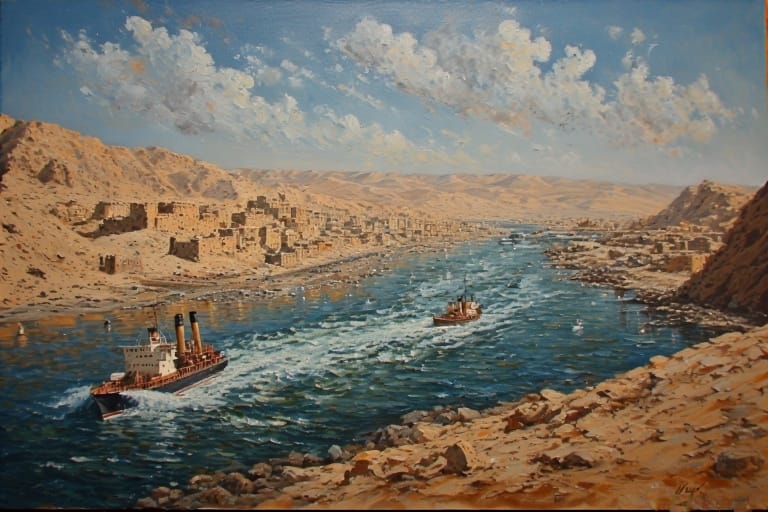
The sun was barely rising over the dusty plains of Mafeking, a small border town perched on the jagged fringes of British South Africa. The early morning calm was misleading; the horizon was crowded with dark clouds of war—not meteorological, but human. For weeks, the people of Mafeking had lived under the shadow of siege, surrounded by Boer commandos determined to strangle this British garrison into submission. Guns boomed sporadically, sending plumes of smoke curling up into the bright blue sky that seemed so indifferent to human suffering. Civilians huddled in makeshift shelters, children peeked nervously from shattered windows, and soldiers braced themselves for yet another day of uncertainty. It was 1899, in the throes of the Anglo-Boer War, and Mafeking was about to become more than just a dot on the map—it would become a symbol, a legend, and a testament to human endurance.
2. Mafeking’s Strategic Importance in the Boer War
Nestled on the border of the British Bechuanaland Protectorate and the South African Republic (Transvaal), Mafeking held a seemingly modest but crucial position. It served as a railroad terminus, a communication hub, and a gateway controlling access into the vast Boer-held territories. For the British Empire, maintaining control of Mafeking was paramount—not solely for military reasons but also for imperial prestige. Losing it would mean a severe blow to British morale and control over southern Africa. For the Boer Republics, the town was a thorn—their enemy’s foothold on their own doorstep.
The siege was less about immediate tactical gain and more about strategic symbolism: capturing Mafeking would send shockwaves through the British public and potentially tilt the balance of a brutal, protracted conflict. The Boers, fighting for their autonomy and way of life, saw the siege as a necessary step in their war of liberation against the vast British Empire.
3. The Man Behind the Defence: Colonel Robert Baden-Powell
At the heart of the siege was a figure who, at the time, was neither a household name nor a universally acknowledged hero—Colonel Robert Baden-Powell. Known for his earlier exploits in Africa and his expertise in scouting and reconnaissance, Baden-Powell was appointed commander of the Mafeking garrison in 1899. His leadership style combined military savvy, psychological insight, and a deep understanding of human nature.
Baden-Powell was an unconventional soldier. His experience with irregular warfare and scouting made him uniquely suited to defend a town under siege. He was not only a tactician but a master of morale, cleverly orchestrating the daily life of the besieged—often turning the hardship of siege into a theatre of distraction and hope.
4. A Town Under Siege: Daily Life and Morale in Mafeking
The siege quickly transformed Mafeking into a small city under siege conditions. Soldiers and civilians alike joined forces to withstand the constant pressure. Water was rationed, food became scarce, and the constant shelling and sniper fire tested nerves to breaking points. Yet, in the face of adversity, the people of Mafeking found ways to maintain normalcy: schools continued to operate when possible, theatrical performances and concerts were staged in dugouts, and even a mock newspaper—the Mafeking Mail— circulated to raise spirits.
The war wasn’t confined to the battlefield; it waged within the hearts of all trapped inside. Letters home carried coded messages, and rumors of relief and defeat spread, food scarcity threatened starvation, and every laugh, every song, was an act of defiance.
5. Boer Forces Surround Mafeking: The Encirclement Tightens
The Boers, under generals such as Piet Cronje and later generals like Koos de la Rey, encircled Mafeking with a combination of trenches, fortifications, and guerrilla raiding parties. Their goal was systematic: cut off supplies, break the will of defenders, and force a surrender. The siege tightened month by month, and starvation became a genuine threat.
Yet, the Boers themselves were fatigued by the long campaign. They had underestimated the tenacity of the garrison and the ingenuity of its commander. The siege was not a simple matter of siege artillery and manpower; it was combatting a resilient, fiercely determined population who refused to bend.
6. Ingenious Defence Tactics Amidst Scarcity and Desperation
Though outnumbered and under-resourced, Baden-Powell turned scarcity into an asset. Trenches were expanded, improvised weapons crafted, and defenders rotated often to minimize fatigue. Surprisingly, the defenders managed to carry out small but effective sorties, capturing Boer supplies and scaring off patrols.
Baden-Powell’s knowledge of the terrain and his use of deception—fake cannons, dummy troops, and cleverly placed noise and lights at night—kept the Boers guessing. The morale of the attackers often faltered in the face of an enemy that seemed almost more myth than flesh and blood.
7. The Role of Civilians: Women, Children, and the Spirit of Resistance
The story of Mafeking is incomplete without its civilians, especially women and children, who played indispensable roles. Women became nurses, messengers, cooks, and even munitions makers; children ran errands, took part in makeshift militias, and became symbols of the town’s indomitable spirit.
One particularly stirring anecdote is of “Mafeking Cadets,” a group of boys under Baden-Powell’s guidance who served as human messengers and lookouts. Their bravery, in the face of danger, became a poignant emblem of grassroots resistance and human courage.
8. The Psychological Warfare: Hope, Rumours, and Propaganda
One of the most captivating aspects of the siege was the intangible battle of morale and news. Baden-Powell skillfully managed information, sometimes spreading false rumors of approaching relief or hidden reinforcements. The Mafeking Mail, operating on whispered intelligence, uplifted spirits and helped the trapped population mentally survive the ordeal.
On the Boer side, psychological strain also grew. The longer the siege dragged on without resolution, the more doubts surfaced about the campaign’s effectiveness. Letters intercepted and failed raids fed a growing anxiety among the Boer forces.
9. Baden-Powell’s Military Innovation: From Scout to Commander
The Siege of Mafeking would become Baden-Powell’s crucible, transforming him from a soldier known primarily for scouting into a national icon. His use of irregular warfare techniques, pioneering of defensive improvisation, and clever use of youth cadets set precedents in modern asymmetrical warfare.
These innovations later influenced his most enduring legacy: the founding of the Boy Scouts movement. Mafeking was where Baden-Powell’s philosophies of character building amid hardship took practical form under fire.
10. The Imperial Icon is Born: Mafeking in British Public Imagination
News of the siege’s stubborn resistance began to filter back to London and the British public as letters from soldiers and telegrams. The town’s name quickly became synonymous with British resilience and imperial determination. Newspapers celebrated the defenders as heroic underdogs standing against the Boers’ siege.
Despite initial setbacks suffered by the British Army elsewhere, Mafeking stood firm, and soon it was being hailed as a symbol of imperial pride. British rallies, fundraising, and patriotic fervor often took the Siege of Mafeking as their moral cornerstone.
11. The Pressure Mounts: Boer Attempts to Starve Out the Garrison
By early 1900, the siege had tightened. Boer artillery targeted water supplies and food convoys. Communal wells were guarded or poisoned, fields destroyed, and blockades established. Starvation was the Boers' primary weapon, and the defenders suffered greatly—battle-worn soldiers and starving civilians alike.
Yet, despite dwindling rations, morale was kept alive by Baden-Powell’s unyielding optimism and careful rationing. The defenders even raised a militia force to guard against any potential breaches, and women and children’s involvement further strengthened the social fabric of the besieged.
12. The Final Push: Relief Forces Advance from Kimberley and London
The British military finally began mounting a concerted effort to relieve Mafeking. Forces from Kimberley, itself a besieged city, were freed and redirected towards breaking the siege. Imperial reinforcements marched southward, pushing back Boer lines, aided by superior numbers and resources.
Meanwhile, London’s political leadership, pressured by public outcry fueled by press reports, increased the allocation of troops and materiel to southern Africa. Mafeking was no longer just a military objective but a crusade to restore British honor in the eyes of the world.
13. May 17, 1900: The Relief of Mafeking — A Day of Triumph
The dawn of May 17th broke differently over the red earth surrounding Mafeking. After 217 days of siege, the MOnday that British relief forces, led by Colonel Baden-Powell’s coordinating signals, finally broke through the Boer lines.
Uproarious cheers echoed through the streets as starving, battle-weary defenders and civilians greeted the arrival of reinforcements. The relief was not merely a military victory; it was a psychological shockwave across the British Empire. The name “Mafeking” became synonymous with tenacity, resilience, and imperial pride.
14. Scenes of Celebration and the Birth of a New British Hero
Across Britain and its colonies, the relief sparked celebrations. Sir Robert Baden-Powell, hailed as the “Hero of Mafeking,” was promoted and showered with honors. Parades, fireworks, and “Mafeking Night” festivities erupted, cementing the siege in public memory.
The event inspired literature, songs, and even manufacturing—“Mafeking” became a household word, a beacon of hope during a challenging war. Yet, behind the jubilation, the harsh realities of war and the suffering experienced by both sides remained.
15. The Aftermath: What Mafeking Meant for the Boer War
While the relief did not end the Boer War, Mafeking was a turning point, marking a shift in momentum. The psychological advantage swung decisively to the British, who began to regain control over the contested territories.
However, Boer guerrilla resistance would persist fiercely for years. Mafeking’s relief showed the limits of imperial military power and the complex, hybrid nature of colonial conflict, where endurance was as vital as firepower.
16. Mafeking’s Legacy: The Birth of the Boy Scouts and Imperial Myth
Perhaps the most enduring consequence of Mafeking was Baden-Powell’s newfound fame, which he parlayed into the creation of the global Boy Scouts movement. His experience with the Mafeking Cadets and lessons learned in leadership and youth engagement became foundational tenets of this organization.
Mafeking also entered the annals of imperial mythology—a symbol of British courage, civility, and the notion of “making do” under pressure, an ideal that resonated through the twentieth century.
17. Contested Memories: The Siege in South African History
In South Africa, the memory of Mafeking is more complex. For the Boers and many Africans, the siege was part of a brutal war of conquest, displacement, and imperial domination. The British triumph was less a cause for celebration and more a reminder of the suffering wrought by colonial ambitions.
Today, Mafeking—now Mahikeng—bears traces of this contested heritage. The site, the stories, and the legacies spark debates over nationalism, colonialism, and the ways history is remembered and commemorated.
18. Lessons in Siege Warfare and Asymmetric Conflict
The Siege of Mafeking remains a classic study in siege warfare and asymmetrical resistance. It showcased how ingenuity, local knowledge, and morale could offset numerical and material disadvantage.
Baden-Powell’s tactics influenced military theory and urban defense strategies, highlighting the importance of civil-military cooperation and information control during protracted sieges.
19. Cultural Reverberations: Mafeking in Literature and Popular Culture
Beyond history books, Mafeking inspired countless works of fiction, poetry, and historical drama. It echoes in the pages of British war correspondents and serves as a backdrop in numerous novels depicting the era’s imperial struggles.
Popular culture embraced the Siege as a drama of heroism and hardship, though often glossing over its ambivalent colonial context. The image of the plucky besieged town endures in collective imagination.
20. Reflections on the Siege: Courage, Empire, and Resilience
More than a military event, the Relief of Mafeking was a human story of courage, endurance, and the complexities of empire. It reminds us that history is not just about battles and dates, but about people living through moments of fear, hope, and profound challenge.
The siege reflects the contradictions of imperialism—the pride and pain, the heroism and the hardship—and invites ongoing reflection on the human costs of conflict and the ways societies sustain themselves against overwhelming odds.
Conclusion
The Relief of Mafeking stands as one of the most captivating and emblematic episodes of the Second Boer War. It wasn’t merely a military victory; it was a human triumph—a saga of resilience, wit, and courage under fire. The siege transformed a small and remote town into a symbol of imperial endurance, while birthing a legacy that would transcend warfare and seep into the cultural and social fabric of the twentieth century with the founding of the Boy Scouts.
Yet, as we celebrate the heroism, it is essential to acknowledge the broader context—the suffering of civilians, the fierce resistance of the Boers, and the shadows cast by colonial ambition. The Siege of Mafeking is a prism through which we view not only the complexities of warfare but the enduring human spirit that shines even in the darkest hours.
In today’s world, where struggles for autonomy, identity, and survival continue globally, Mafeking’s story resonates deeply. It teaches us about leadership, community, and the power of hope when faced with overwhelming odds.
FAQs
Q1: Why was Mafeking so strategically important during the Boer War?
A1: Mafeking was a key railway terminus and gateway on the border of British and Boer territories, making it crucial for communication and military movement. Its control symbolized dominance in the region.
Q2: Who was Robert Baden-Powell, and what role did he play in the siege?
A2: Baden-Powell was the British commander of the Mafeking garrison. His innovative leadership, military tactics, and management of morale were instrumental in withstanding the 217-day siege.
Q3: How did civilians contribute to the defense of Mafeking?
A3: Civilians, particularly women and children, supported the defense through nursing, communication, rationing, and participation in auxiliary groups like the Mafeking Cadets, boosting morale and practical defense.
Q4: What were the main challenges faced during the siege?
A4: The defenders battled starvation, disease, constant artillery shelling, psychological strain, and isolation, while improvising tactics and maintaining morale under severe pressure.
Q5: How did the relief of Mafeking change the course of the Boer War?
A5: The relief boosted British morale and shifted psychological and strategic momentum, signaling that the British could withstand the Boer resistance, although the war itself continued for several years.
Q6: What is the legacy of Mafeking beyond the war?
A6: Beyond its military impact, Mafeking’s siege influenced the creation of the Boy Scouts movement and became a symbol of British imperial resilience, though it remains a contested event in South African history.
Q7: How is Mafeking remembered today in South Africa?
A7: Mafeking, now Mahikeng, is remembered with mixed feelings—both as a site of resistance and colonial conflict, reflecting the complex history of imperialism and national identity in South Africa.
Q8: What military lessons can be drawn from the Siege of Mafeking?
A8: The siege exemplifies effective use of asymmetric tactics, morale management, civil-military cooperation, deception, and the importance of resilience under prolonged siege conditions.