Kamchatka 1952: A Shockwave Across the Pacific
Table of Contents
- Introduction
- The Earthquake That Started It All
- Tsunami Genesis and Characteristics
- Devastation in Kamchatka and the Kuril Islands
- Pacific Repercussions: Japan and Hawaii
- Tsunami Warnings and Communication Failures
- Scientific Understanding of the Event
- Cultural and Social Impacts
- Aftermath and International Aid
- Lessons for Global Tsunami Preparedness
- Conclusion
- External Resource
- Internal Link
1. Introduction
On November 4, 1952, a cataclysmic natural event unfolded off the eastern coast of Kamchatka Peninsula, Russia. A powerful undersea earthquake measuring an estimated Mw 9.0 ruptured deep beneath the Pacific Ocean floor. What followed was even more devastating: a tsunami that surged across the North Pacific, striking not only Russian coastlines but also Japan, Hawaii, and as far away as Alaska and California.
This tsunami became one of the first Pacific-wide seismic events to receive global scientific scrutiny.
2. The Earthquake That Started It All
✔️ Magnitude ~9.0 (moment magnitude scale)
✔️ Epicenter located offshore Kamchatka Peninsula
✔️ Subduction of the Pacific Plate beneath the Okhotsk Plate
The quake lasted over 4 minutes, violently shaking the region and setting the stage for a massive displacement of water.
3. Tsunami Genesis and Characteristics
✔️ Tsunami generated within minutes of the quake
✔️ Wave heights near the Russian coast exceeded 15 meters
✔️ Traveled across the Pacific at speeds of 700–800 km/h
The open ocean masked the waves’ true danger until they struck shallower coastal areas.
4. Devastation in Kamchatka and the Kuril Islands
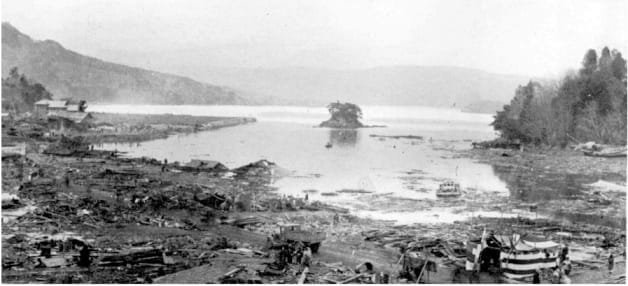
✔️ Coastal towns obliterated by waves
✔️ Entire fishing villages erased
✔️ Over 2,300 deaths in Russia reported (exact numbers debated)
The destruction was swift and overwhelming.
5. Pacific Repercussions: Japan and Hawaii
✔️ Japanese coastline experienced damaging waves hours later
✔️ Hawaii reported wave heights of 1–2 meters, causing port damage
✔️ Coastal alerts issued but communication systems were rudimentary
Luckily, fewer casualties occurred abroad due to geography and lower wave intensity.
6. Tsunami Warnings and Communication Failures
✔️ No comprehensive Pacific tsunami warning system in place in 1952
✔️ Limited radio and telegraph alerts
✔️ Japanese authorities issued local warnings but lacked coordination
The disaster underscored the need for international early warning protocols.
7. Scientific Understanding of the Event
✔️ Marked one of the earliest studied megathrust tsunamis
✔️ Contributed to modeling of tsunami propagation across oceans
✔️ Data used to support the formation of the Pacific Tsunami Warning Center (PTWC) in 1949 (but fully activated post-1957)
Geophysicists continue to analyze data from this event today.
8. Cultural and Social Impacts
✔️ Kamchatka communities traumatized by the rapid loss of life
✔️ Survivor accounts often suppressed during Soviet era
✔️ Local traditions began integrating respect and fear of the sea
In affected villages, memorials were few, but memory endured.
9. Aftermath and International Aid
✔️ Soviet response focused on rebuilding fishing infrastructure
✔️ Japan and the U.S. used the event for tsunami research
✔️ Communications between seismologists increased post-disaster
It catalyzed international cooperation in geohazard mitigation.
10. Lessons for Global Tsunami Preparedness
✔️ Need for interconnected tsunami warning systems
✔️ Investment in coastal defenses
✔️ Education in tsunami evacuation protocols
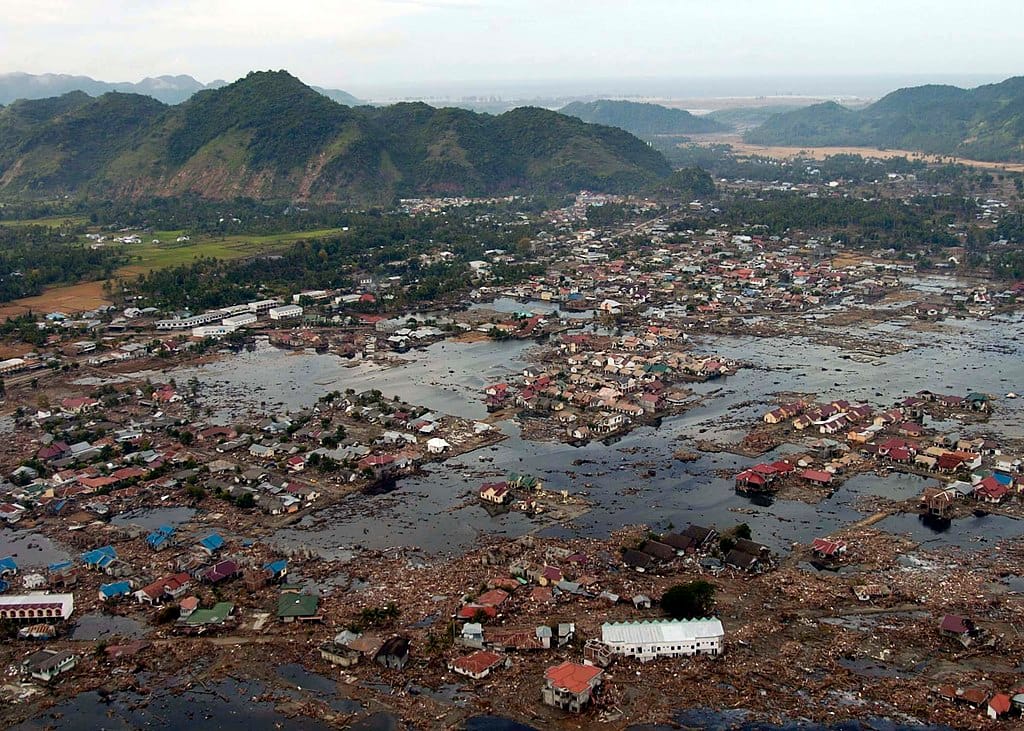
Many of these lessons would echo again during the 2004 Indian Ocean tsunami.
11. Conclusion
The 1952 Kamchatka tsunami stands as a grim reminder of the Pacific’s volatile tectonic boundaries. Its seismic violence and oceanic power traveled across borders, reminding nations that natural disasters recognize no political boundaries.
In many ways, it shaped how the modern world prepares for the sea’s fury.
12. External Resource
Wikipedia: 1952 Severo-Kurilsk Earthquake