The 1771 Ryukyu Tsunami: When the Sea Swallowed the Islands
Table of Contents
- Introduction
- The Mysterious Earthquake
- Waves of Destruction
- Death and Devastation
- Cultural Memory and Myths
- Lessons from the Past
- Conclusion
- External Resource
1. Introduction
On April 24, 1771, the peaceful rhythm of life in the Ryukyu Islands was shattered. A massive undersea earthquake struck near the southern Japanese islands of Miyakojima and Ishigaki, unleashing one of the deadliest tsunamis in Japanese history. Known as the Great Yaeyama Tsunami, this disaster reshaped coastlines—and lives—forever.
2. The Mysterious Earthquake
Historical records suggest that the earthquake was around magnitude 7.4 to 8.0, striking just off the Yaeyama Islands. While details are limited due to the era, the tremors were likely short but powerful—causing underwater landslides that supercharged the tsunami.
✔️ The epicenter was near the southern Ryukyu Trench.
✔️ No modern equipment recorded it, but the tsunami’s effects speak volumes.
3. Waves of Destruction
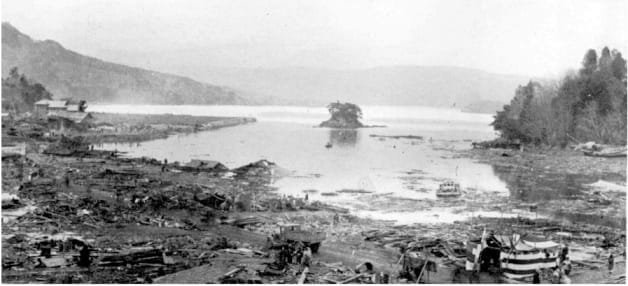
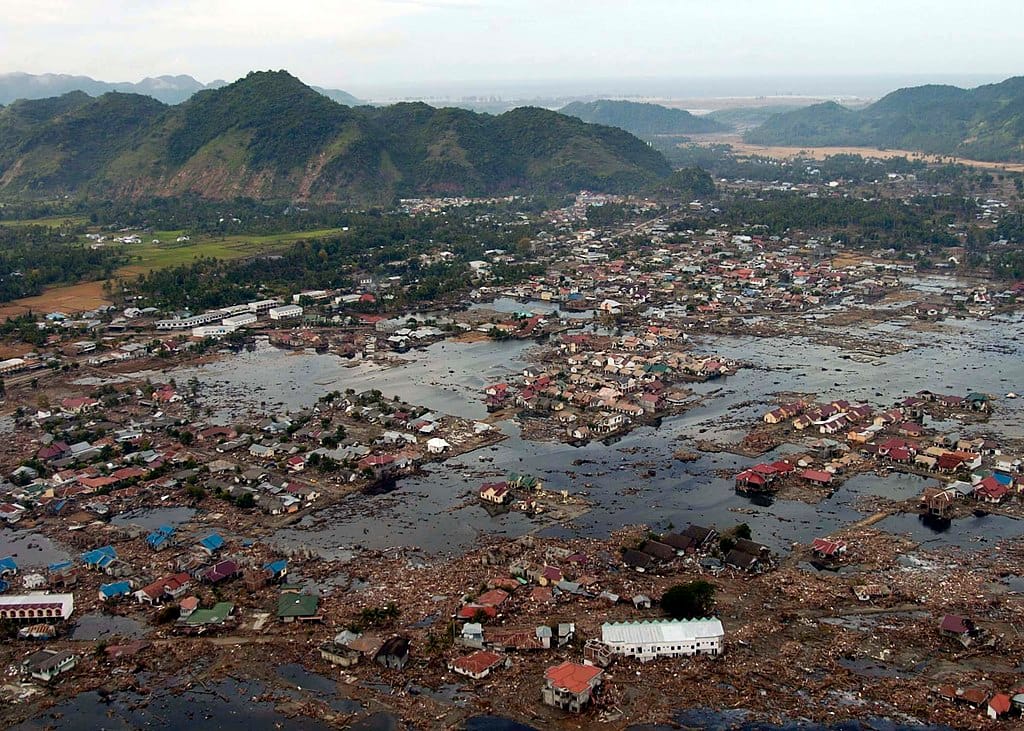
Within minutes, towering waves estimated at 30 to 85 meters high smashed into the islands. Entire villages vanished under the sea.
🔹 On Ishigaki Island, waves reached over 40 meters.
🔹 Miyakojima saw its coastline drastically reshaped.
🔹 Coral stones were thrown hundreds of meters inland.
It wasn’t just water—it was as if the sea itself had turned into a weapon.
4. Death and Devastation
The human cost was staggering. Records estimate that around 12,000 people perished—roughly one-third of the population of the Yaeyama Islands at the time.
✔️ Thousands of homes and rice paddies were destroyed.
✔️ Livestock drowned or disappeared.
✔️ Survivors faced starvation, disease, and displacement.
5. Cultural Memory and Myths
The tragedy left an imprint on local culture. Songs, poems, and oral traditions remember the event vividly.
✔️ The term “tsunami” wasn’t widely used yet, but its concept became central to island lore.
✔️ Stone markers and monuments were erected to honor the dead and warn future generations.
These cultural memories served as an ancient form of disaster education.
6. Lessons from the Past
While the 1771 tsunami occurred before the age of satellites and sensors, its lessons echo today.
✔️ Coastal development must consider historical events.
✔️ Ancient markers and local knowledge can supplement modern science.
✔️ Preparedness is timeless—whether in 1771 or today.
7. Conclusion
The Ryukyu tsunami of 1771 reminds us that nature’s fury isn’t limited to modern times. It was a defining moment for the Yaeyama Islands—one that wiped out generations, reshaped land, and embedded itself in memory. Let its story remind us: when the sea is quiet, it may be storing its roar.
8. External Resource
🌐 Wikipedia: 1771 Great Yaeyama Tsunami