Table of Contents
- The Calm Before the Storm: Peaceful Mornings in the Samoa Islands
- The Seismic Roar: The Undersea Earthquake of September 29, 2009
- The Massive Tsunami: Wall of Water Engulfs South Pacific Shores
- Warning Systems and Human Readiness: A Race Against Time
- The Immediate Aftermath: Chaos and Devastation Across Islands
- Stories of Survival: Human Courage Amid Nature’s Fury
- The Response of Governments and NGOs: Aid Mobilized on a Global Scale
- Environmental Impacts: Changing Landscapes and Coastlines
- The Cultural Toll: Losses in Heritage and Community Fabric
- Economic Consequences: From Fisheries to Tourism
- Scientific Insights: What the Tsunami Taught Us About Earth’s Dynamics
- Revisiting Disaster Preparedness: Lessons and Innovations Post-2009
- Regional Solidarity: How South Pacific Nations United in Crisis
- Media Coverage: The Role of Storytelling in Humanizing the Disaster
- Memorializing the Tragedy: Monuments, Stories, and Annual Remembrances
- The Ripple Effect: Long-term Social and Psychological Impacts
- The Politics of Aid: Challenges and Controversies
- Tsunami Warning Systems Today: Technology Versus Nature
- The Intersection of Tradition and Modernity in Recovery Efforts
- Children of the Tsunami: Growing Up in the Shadow of Disaster
- Hope and Reconstruction: Rebuilding Lives and Communities
- Global Awareness: Samoa’s Tsunami in the Narrative of Natural Disasters
- Conclusion
- FAQs
- External Resource
- Internal Link
The Calm Before the Storm: Peaceful Mornings in the Samoa Islands
The gentle rhythm of the South Pacific waves had lulled the islands into their usual peaceful daze on the morning of September 29, 2009. In villages hugging the shorelines of Samoa, American Samoa, and Tonga, daily life followed a tranquil rhythm. Children played barefoot on coral sands, fishermen prepared their boats as elders shared timeless stories beneath palm fronds. The sun, radiant yet warm, rose with no hint of looming havoc. Coconut palms swayed softly in the breeze, birds darted through bright-blue skies, and the scent of salt and tropical flowers filled the air.
Yet, beneath this serenity, the Earth's crust was stirring with a restless tension—a silent prelude to a sudden, overwhelming natural force that would change lives irrevocably.
The Seismic Roar: The Undersea Earthquake of September 29, 2009
At precisely 6:48 am local time, the tectonic plates beneath the Pacific Ocean ruptured violently. This was no ordinary shake—it was a magnitude 8.1 earthquake, centered approximately 190 kilometers south of the Samoa Islands, along the notoriously volatile Tonga trench. The earth groaned, grooved, and fractured in an instant that sent shockwaves far and wide. The undersea thrust created a rapid displacement of immense volumes of water, generating a series of tsunami waves that raced toward the island coastlines.
Though the geological explanation is straightforward, the reality — experienced by the inhabitants— was a sudden, terrifying awakening.
The Massive Tsunami: Wall of Water Engulfs South Pacific Shores
Within minutes of the quake, giant waves surged across the horizon, some rising over ten meters high. In multiple waves, the tsunami made landfall on the islands of Samoa and American Samoa, striking with brutal force and unprecedented speed. The ocean, normally a source of sustenance and livelihood, transformed into a vessel of destruction. Entire villages were flooded, homes ripped from foundations, and lives violently disrupted.
The water surged not only on the shores but also infiltrated valleys and rivers, creating a widespread calamity more devastating than most in the region’s memory. It was an event that blurred the division between land and sea, humanity and nature.
Warning Systems and Human Readiness: A Race Against Time
Remarkably, the official Pacific Tsunami Warning Center detected the earthquake within minutes. However, the rapid arrival of the waves — often less than 15 minutes after the quake — rendered many warning efforts insufficient. Early alerts were broadcast, but the speed of the disaster left little time for evacuation in remote and vulnerable communities.
Communication lines were quickly severed, and many areas remained isolated. Despite warnings, many islanders were caught unprepared, unaware of the imminent tsunami’s scale. This gap between natural phenomena and human response would later fuel debates about the adequacy and reach of regional emergency protocols.
The Immediate Aftermath: Chaos and Devastation Across Islands
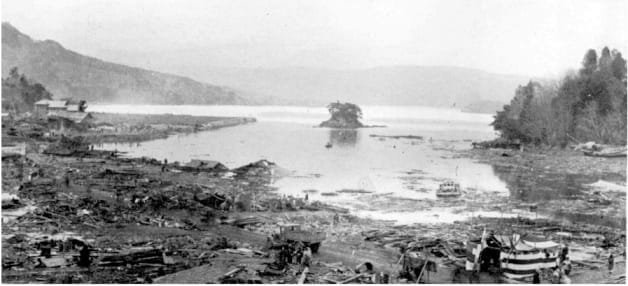
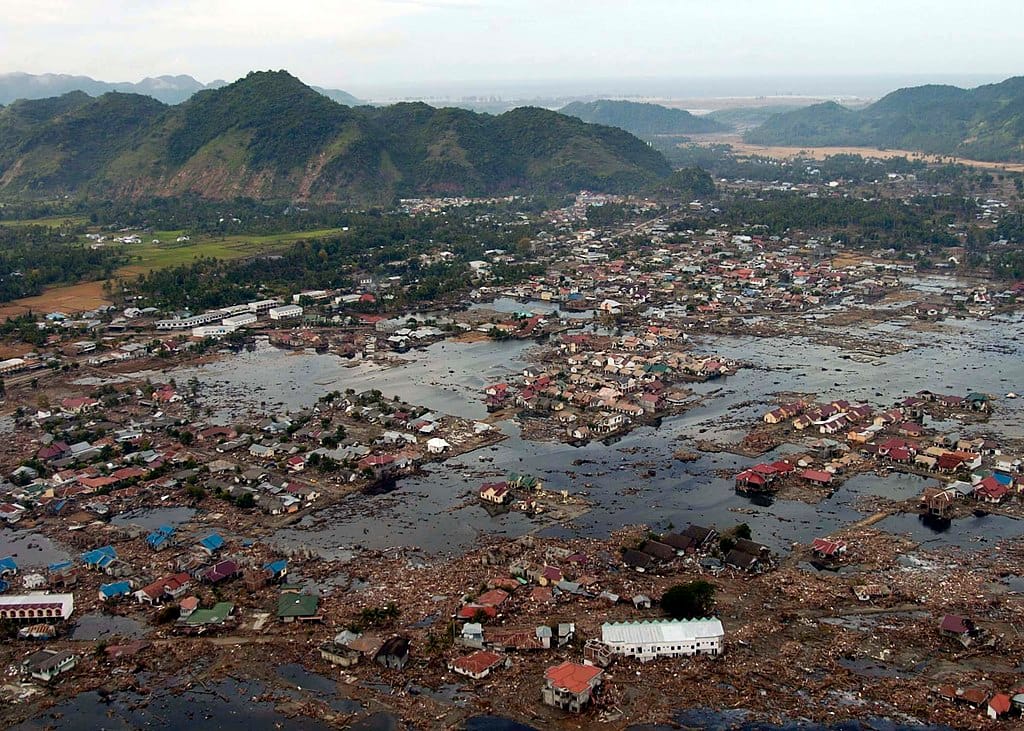
When the waters finally receded, the islands bore the scars—both visible and invisible. Coastal swathes were decimated: debris from shattered homes and uprooted trees littered the landscape. The death toll, tragically significant, reached over 189 across Samoa, American Samoa, and Tonga, with hundreds more injured and displaced. Infrastructure such as roads, bridges, and communication networks lay in ruins, compounding the difficulty of relief efforts.
Yet, amidst chaos, a pattern emerged of unyielding human strength and community solidarity—neighbors reached for neighbors, and rescue teams battled against nature’s aftermath.
Stories of Survival: Human Courage Amid Nature’s Fury
One cannot recount the 2009 tsunami without orienting towards the stories of survival that layered human experience with hope. Take, for example, the tale of a young Samoan mother who, clutching her infant, fled to high ground after hearing the earth’s groaning rumble. Or the fishermen in American Samoa who, sensing the odd retreat of water, abandoned their nets and alerted villagers just in time. These episodes, peppered throughout eyewitness testimonies, reflect a deep connectedness to the ocean and a sometimes instinctive knowledge that made the difference between life and death.
The Response of Governments and NGOs: Aid Mobilized on a Global Scale
The weeks following the tsunami witnessed an extraordinary mobilization of global aid. Governments across the Pacific Rim, as well as international organizations like the Red Cross and United Nations, dispatched emergency supplies and financial assistance. The United States, New Zealand, Australia, and neighboring island nations coordinated with local authorities to provide medical care, shelter, and food.
On the ground, NGOs played a critical role in identifying immediate needs and facilitating psychosocial support. Yet, logistical challenges—damaged ports, interrupted transport lines, and overwhelmed local governance—underscored the difficulty of disaster relief in remote settings.
Environmental Impacts: Changing Landscapes and Coastlines
Beyond human tragedy, the tsunami dramatically reshaped the physical environment. Coastal erosion altered beaches, coral reefs suffered damage from debris and sedimentation, while saltwater intrusion impacted freshwater sources and agriculture inland. Some islands saw changes in topography as previously hidden underwater features were revealed, and mangrove forests suffered significant destruction.
These environmental transformations brought new challenges for islanders whose livelihoods depended on farming, fishing, and eco-tourism.
The Cultural Toll: Losses in Heritage and Community Fabric
Samoa’s cultural richness faced an intangible loss amid the tsunami’s sweep. Traditional meeting houses—fale—were destroyed; sacred burial sites flooded or washed away; and ancient oral histories threatened by displacement. For communities tightly knit by familial and spiritual bonds, the rupture extended beyond physical destruction into the deep veins of identity.
This cultural grief underscored the complex aftermath, where recovery was not just about rebuilding structures but reviving heritage.
Economic Consequences: From Fisheries to Tourism
The tsunami’s blow to the local economy was severe and multifaceted. Fisheries, a foundational sector for many families, were disrupted by habitat loss and damaged equipment. Tourism, vital for Samoa and its neighbors, plummeted amid fears and damaged infrastructure. The destruction of roads and ports further delayed economic activities.
International aid helped plug immediate gaps, but long-term economic reconstruction posed a tenuous challenge, relying on sustained investment and local resilience.
Scientific Insights: What the Tsunami Taught Us About Earth’s Dynamics
The 2009 tsunami also catalyzed scientific inquiry. Researchers leveraged data from this event to better understand undersea tectonic mechanics and tsunami propagation patterns. It became a case study in rapid wave generation over a relatively small fault line and highlighted the variability of tsunami impacts explained by underwater topography and coastal geography.
Moreover, the event spurred advancements in real-time monitoring technology, reinforcing the need for integrated global early warning systems.
Revisiting Disaster Preparedness: Lessons and Innovations Post-2009
In the wake of tragedy, policymakers and scientists scrutinized preparedness protocols. The 2009 tsunami revealed gaps in communication, community education, and infrastructure resilience. Across the South Pacific, efforts intensified toward comprehensive outreach programs, community drills, and improved telecommunications.
One standout initiative was the expansion of mobile phone-based alert systems, a low-cost and effective method of reaching remote populations. This evolution in disaster readiness was a gift from tragedy, sowing seeds to enhance human safety against future phenomena.
Regional Solidarity: How South Pacific Nations United in Crisis
Perhaps one of the most hopeful aspects was the display of regional solidarity. Neighboring island nations extended support through supplies, personnel, and cooperation in rebuilding efforts. Cultural ties woven by shared language and kinship solidified into diplomatic and humanitarian action.
This unity transcended borders, underpinning a network of resilience and mutual aid that remains a blueprint for Pacific disaster response.
Media Coverage: The Role of Storytelling in Humanizing the Disaster
The world learned of the Samoa tsunami through vivid reporting that marveled not only at the scale of destruction but also at the enduring human stories beneath the headlines. Journalists from all over traveled to the islands, bringing accounts of loss, hope, and resilience to global audiences.
Documentary films, photo essays, and survivor interviews ensured that the calamity was not forgotten and that the human spirit—often overshadowed by statistics—was brought to the forefront.
Memorializing the Tragedy: Monuments, Stories, and Annual Remembrances
Over time, communities created spaces of memory to honor lives lost. In Samoa’s villages and towns, memorial monuments bearing the names of the deceased serve as poignant reminders. Annual ceremonies weave collective memory into cultural observances, fostering healing and respect.
These rituals and memorials ensure that the tsunami’s lessons echo through generations—inscribed in both stone and story.
The Ripple Effect: Long-term Social and Psychological Impacts
The tsunami’s devastation extended deeply into the social fabric. Survivors grappled with grief, trauma from displacement, and challenges of rebuilding fractured lives. Psychological support services—often scarce in such isolated communities—became a focus for NGOs and governments alike.
Studies document increased rates of anxiety, depression, and other mental health issues, emphasizing that recovery requires holistic approaches addressing mental and physical well-being.
The Politics of Aid: Challenges and Controversies
With many actors involved in relief operations, political complexities unfolded. Questions arose about aid distribution fairness, potential corruption, and the balance between international intervention and local autonomy. In some cases, differences in priorities between foreign donors and local needs led to tensions.
Navigating these delicate political waters was essential to ensure that aid actually empowered affected populations rather than imposing external agendas.
Tsunami Warning Systems Today: Technology Versus Nature
A decade and more after the 2009 event, the science of tsunami detection and warnings has advanced impressively. Satellite monitoring, underwater sensors, and AI-driven predictive models have improved early alerts. Yet, nature’s unpredictability still poses challenges—especially in isolated regions with limited infrastructure.
The Samoa tsunami underscored that technology alone cannot save lives; community education, preparedness drills, and cultural knowledge remain indispensable.
The Intersection of Tradition and Modernity in Recovery Efforts
Recovery programs delicately balanced imported technologies and practices with local customs. In Samoa and surrounding islands, rebuilding was not just architectural but symbolic—reinforcing traditional communal practices and cultural values. This blend of tradition and innovation helped ensure not only functional but culturally sensitive reconstruction.
Children of the Tsunami: Growing Up in the Shadow of Disaster
For many children who survived or were born after the tsunami, the event shaped their realities. Schools had to be rebuilt; family structures disrupted. But education programs, often incorporating disaster preparedness, aimed to equip younger generations with knowledge and resilience.
Their narratives, combining loss with hope, reflect a generational promise to build safer futures.
Hope and Reconstruction: Rebuilding Lives and Communities
Despite overwhelming adversity, the South Pacific islands demonstrated extraordinary tenacity. International aid, local leadership, and communal effort converged to reconstruct homes, schools, and infrastructure. This process took years—marked by setbacks but also by breakthroughs.
As battered coastlines healed, so too did communities, reclaiming their space with renewed strength and dignity.
Global Awareness: Samoa’s Tsunami in the Narrative of Natural Disasters
The 2009 tsunami in Samoa remains a defining event in the global narrative on natural disasters—highlighting both nature’s ferocity and humanity’s vulnerability. It informed policy, science, and humanitarian approaches using a uniquely Pacific lens. The disaster’s legacy resonates far beyond island shores, influencing how the world perceives resilience, preparedness, and the fragile relationship between humans and the oceans.
Conclusion
The Samoa Islands tsunami of September 29, 2009, was a moment when the Earth’s restless power dramatically interrupted the peaceful rhythms of a vibrant region. It destroyed landscapes, fractured communities, and claimed precious lives. But beyond destruction, it revealed the profound resilience of human spirit—a testament to courage, solidarity, and hope.
This tragedy did not just mark loss; it carved a path for learning, innovation, and stronger bonds among Pacific neighbors and the global community. It reminded us that while nature’s forces may be uncontrollable, the grace with which humanity responds shapes the texture of history. As communities rebuilt their homes and their futures, the waves of memory and renewal continue to shape the islands’ collective identity—a poignant lesson in survival and connectedness in the face of adversity.
FAQs
Q1: What caused the 2009 Samoa Islands tsunami?
A: The tsunami was triggered by an 8.1 magnitude undersea earthquake along the Tonga trench, causing sudden seafloor displacement and massive waves.
Q2: How many people were affected by the tsunami?
A: Over 189 lives were lost, with hundreds injured and thousands displaced in Samoa, American Samoa, and Tonga.
Q3: Were there tsunami warning systems in place?
A: Yes, the Pacific Tsunami Warning Center detected the quake, but the tsunami's rapid onset limited effective evacuation time in many communities.
Q4: How did the tsunami impact the local economies?
A: Major sectors such as fishing and tourism were severely disrupted due to environmental damage and destroyed infrastructure.
Q5: What lessons were learned for disaster preparedness?
A: The event highlighted the need for improved communication, public education, and integration of traditional knowledge with modern technologies.
Q6: How have the affected regions commemorated the tsunami?
A: Through memorials, annual ceremonies, and community storytelling that honor victims and preserve collective memory.
Q7: Did the tsunami affect the environment?
A: Yes, it caused coastal erosion, coral reef damage, and saltwater intrusion affecting agriculture and freshwater supplies.
Q8: How has technology evolved since 2009 to prevent similar disasters?
A: Advances in satellite monitoring, underwater sensors, and mobile alert systems have enhanced tsunami detection and public warning capabilities.