Table of Contents
- The Fateful Day in Beverly Hills: March 28, 1943
- Sergei Rachmaninoff: Final Chapter on American Soil
- A Composer in Exile: From Russia to the West
- The Weight of an Era: Political Upheaval and Personal Displacement
- The Silver Screen and the Concert Hall: Rachmaninoff’s American Career
- The Last Days: Health, Solitude, and Reflection
- The Role of Beverly Hills: A Sanctuary and a Stage
- Friends, Family, and the Artistic Circle in His Final Years
- The Mortality of Genius: Coping with Illness and Creativity
- The Day of Departure: Witnesses and Immediate Responses
- World War II and Cultural Loss: The Context Surrounding His Death
- The Legacy Left Behind: Music, Memory, and Mourning
- Posthumous Reverence: Tributes and Memorials Across Continents
- How the West Embraced a Russian Maestro
- Rachmaninoff’s Death in the Lens of Diaspora and Identity
- The Cultural Significance of His Passing in 1943 America
- The Orchestral Requiem: Performances That Honored His Memory
- The Enduring Impact on Pianism and Composition
- Political Symbolism: The Death of a Cultural Icon During Turbulent Times
- Reassessing Rachmaninoff’s Life Through His Final Days
- How Beverly Hills Remembered Him: Public Memory and Private Grief
- The Musical World Without Rachmaninoff: Immediate and Long-term Effects
- The Composer’s Own Reflections on Mortality
- Conclusion: The Silent Farewell of a Romantic Titan
- FAQs about Sergei Rachmaninoff’s Death and Legacy
- External Resource
- Internal Link
The Fateful Day in Beverly Hills: March 28, 1943
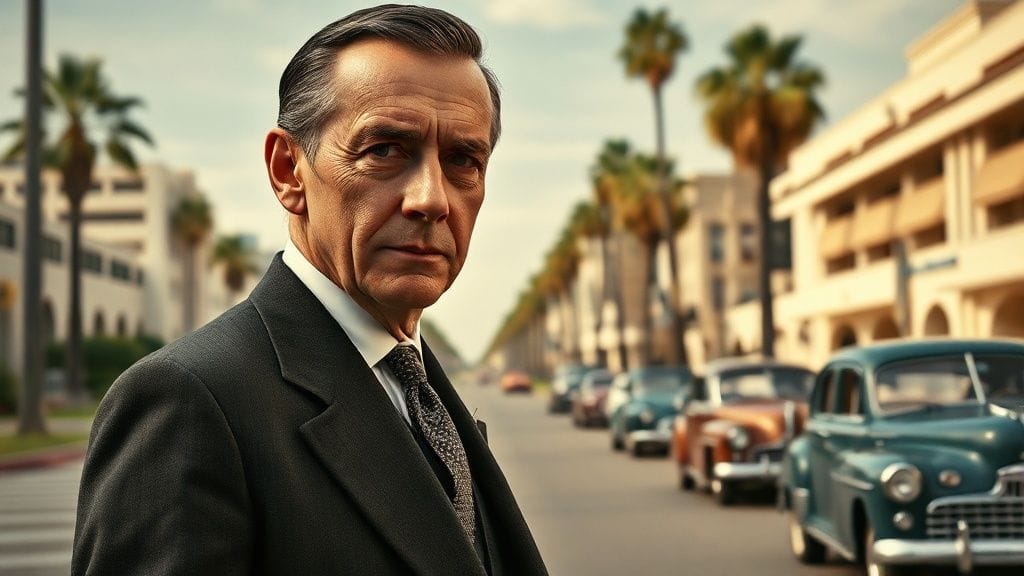
It was a late Sunday afternoon, quiet and unassuming on the sun-soaked streets of Beverly Hills. The Californian spring hinted at renewal, yet inside a modest villa on Sunset Boulevard, a giant of a different kind was slipping away. Sergei Rachmaninoff, the illustrious Russian composer, pianist, and conductor, rounded the last corner of his earthly journey on March 28, 1943. The news spread with a somber hush—a mournful echo rippling through concert halls, conservatories, and radios across the globe.
Despite living thousands of miles from his birthplace, Rachmaninoff’s death felt as though it marked an end not just for a man, but for an era—a symbol of cultural continuity severed amidst the chaos of war and dislocation. He left behind not merely a catalog of complex and profound works but a living testament to resilience, artistry, and the enduring power of music.
Sergei Rachmaninoff: Final Chapter on American Soil
Rachmaninoff’s last breath in Beverly Hills was the silent punctuation of an extraordinary life marked by immense beauty, personal tragedy, and relentless creativity. His migration to America in 1918—a reluctant émigré fleeing the turmoil of revolution—had transformed his identity and trajectory. In many ways, the United States was the final canvas on which he painted his musical legacy.
When the world lost him in 1943, it was a time of worldwide conflict and upheaval. Yet within the cozy walls of his California home, far from Russia’s snowy plains and the battered stages of Europe, his death underscored the solitude and distance of exile. His passing in Beverly Hills was both an end and a reminder: of the fragile yet powerful dialogue between homeland and adopted land, memory and innovation, desperation and hope.
A Composer in Exile: From Russia to the West
Born in 1873 in the Russian Empire, Rachmaninoff’s early years were steeped in the rich tradition of Russian classical music. Trained at the Moscow Conservatory, he blossomed into a prodigious talent. Yet political upheaval — the 1917 Bolshevik Revolution—forced him and countless others into exile, severing their ties with native soil and their cultural institutions.
Moving first to Western Europe and eventually to the United States, Rachmaninoff reinvented himself as both a performer and a composer. His journey typifies the broader diaspora of Russian intellectual and artistic elites, whose displacement reshaped artistic currents of the 20th century. This cultural migration was often shadowed by melancholia and nostalgia, captured in his deeply emotional compositions.
The Weight of an Era: Political Upheaval and Personal Displacement
The Russian Revolution did not merely disrupt Rachmaninoff's career; it unraveled the world he knew. The Glorious Imperial Russia had dissolved; the social order and cultural patronage that had nurtured his youth were obliterated. His family’s fortune evaporated. Most tragically, his homeland became inaccessible not just physically but spiritually.
These circumstances fortified Rachmaninoff’s music with profound pathos—a yearning for a lost past never to be reclaimed. As political regimes hardened across Eurasia, his personal exile mirrored the collective diaspora of artists fleeing violence, repression, and economic ruin. Simultaneously, the West wrestled with its own tremors, grappling with the Great Depression and the threatening shadow of World War II.
The Silver Screen and the Concert Hall: Rachmaninoff’s American Career
Unlike many émigrés who struggled to regain their footing, Rachmaninoff found a new kind of fame in America. His virtuosic piano performances drew legions of admirers; Hollywood recognized his talents, and he composed scores for films, bridging classical music with popular culture.
This period testified to his adaptability and resilience. However, despite the glamour of American show business and the buzz of concert crowds, a deep solitude persisted. He was a cultural ambassador of sorts, carrying Russian Romanticism into uncharted territories while wrestling with the alienation exile imposed.
The Last Days: Health, Solitude, and Reflection
As the 1940s dawned, Rachmaninoff’s health was in steady decline. Suffering from diabetes and the physical toll of decades on the road, his vigor was diminished, yet his creative spirit held firm. According to close friends and caregivers, those final months were marked by introspection and quiet determination.
Beverly Hills’ mild climate was a balm, yet the composer was often physically frail, confined to his home, surrounded by memories, scores, and a small circle of trusted companions. It is said that even in discomfort, his mind remained alert, cataloging his oeuvre and contemplating the meaning of legacy.
The Role of Beverly Hills: A Sanctuary and a Stage
Beverly Hills in the early 1940s was emerging as a haven for the displaced and the famous—from actors escaping war-torn Europe, to composers like Rachmaninoff seeking comfort and anonymity. The city offered a unique paradox: a thriving social scene amid serene luxury, an ideal backdrop for recovery and reflection.
For Rachmaninoff, Beverly Hills represented detachment from his origins but also a place where his music could resonate broadly. He lived there discreetly, intentionally withdrawing from public life, yet the cultural pulse of California was an undercurrent in his final years.
Friends, Family, and the Artistic Circle in His Final Years
The composer’s final circle was intimate. His wife, Natalia, and their two daughters were his emotional anchors. Friends from the music and arts communities maintained regular contact, providing support and companionship. Among these visitors were fellow émigrés and American artists who respected his towering legacy.
Their tales recall a man both gentle and melancholic, aware of the fading light yet unwilling to surrender to despair. This human dimension, often obscured by the mythic status of artistic giants, reveals the tenderness beneath the composer's imperious public image.
The Mortality of Genius: Coping with Illness and Creativity
Facing mortality fed a duality in Rachmaninoff. His physical ailments—ranging from chronic headaches and diabetes to worsening vision—were a crucible for creativity rather than capitulation. His late compositions exude a haunting clarity, a blend of resignation and defiant beauty.
This interplay between frailty and artistic vigor evokes an enduring human drama: the struggle to create meaning as time and health wane. It also deepens our empathy for an artist often mythologized, reminding us of his vulnerability and devotion.
The Day of Departure: Witnesses and Immediate Responses
On March 28, 1943, those closest to Rachmaninoff described a peaceful passing. There were no grand public ceremonies or widespread announcements initially, a reflection of wartime priorities and the composer's private nature. Word of his death unfolded slowly within the cultural milieus.
Yet musicians, critics, and admirers felt a profound shock. The loss was palpable; the final chapter of a Romantic titan closed quietly in the sunny calm of Beverly Hills—a geographical and symbolic distance from the turmoil enveloping much of the globe.
World War II and Cultural Loss: The Context Surrounding His Death
Rachmaninoff’s death coincided with the intensification of World War II. The brutal conflict reshaped nations and ideologies, overshadowing individual grief with collective tragedy. Yet it also sharpened the symbolic importance of his music—music as refuge, memory, resistance.
His passing during this tumultuous time underscored the fragility of cultural continuity amid destruction. The global cultural community mourned not just a man, but an increasingly endangered Western artistic tradition struggling to survive through the fires of war.
The Legacy Left Behind: Music, Memory, and Mourning
From opulent concert halls in New York to modest conservatories in Siberia, Rachmaninoff’s compositions sound like a lasting testament to the human soul’s capacity to transmute suffering into beauty. His recordings became primary schoolbooks for pianists worldwide; his symphonies, concertos, and solo works continue to captivate audiences.
Memorial concerts, dedicated recordings, and academic studies soon proliferated, transforming the personal loss into a shared cultural heritage. Mourning became an act of preservation.
Posthumous Reverence: Tributes and Memorials Across Continents
Despite the wartime fragility of international connections, tributes poured in from America, Europe, and beyond. Music festivals celebrated his life. Monuments and plaques were erected at places associated with his career, including Moscow Conservatory and certain Californian landmarks.
Even Soviet Russia, for long detached from the émigré legacy, began cautiously reintegrating his memory into the national narrative decades later, underscoring his universal importance.
How the West Embraced a Russian Maestro
In America and Western Europe, Rachmaninoff was lionized as a symbol of artistic excellence and the triumph of spirit over adversity. His fusion of Russian tradition and Western modernity resonated with audiences who found in his music a profound emotional language.
This embrace was also political—Rachmaninoff became a figure of cultural diplomacy, representing the ideals of freedom and creativity during years shadowed by totalitarianism.
Rachmaninoff’s Death in the Lens of Diaspora and Identity
His passing crystallizes a core tension of diaspora experience: the fragmentation of identity and the simultaneous flourishing of creativity. Rooted in a lost homeland, yet deeply embedded in new cultural contexts, Rachmaninoff personified the complex interplay between past and present.
His life and death invite reflection on the cost of exile, the resilience of artistic identity, and the way personal history intersects with geopolitical forces.
The Cultural Significance of His Passing in 1943 America
For the United States, Rachmaninoff’s death marked the farewell to a figure who had helped shape its emerging cultural landscape—against the backdrop of war, the arts offered solace and a sense of continuity. His integration into American society paralleled broader immigrant contributions during this period.
His death was a reminder of the transnational flow of culture and the role of immigrants in defining America’s artistic identity.
The Orchestral Requiem: Performances That Honored His Memory
In the months and years following, orchestras worldwide dedicated concerts to his memory. These performances offered public spaces for grief and celebration, reaffirming the power of communal ritual in processing loss.
Notably, Leonard Bernstein and Eugene Ormandy championed his works, ensuring that performances remained part of the classical canon.
The Enduring Impact on Pianism and Composition
Rachmaninoff’s stylistic duality—bridging Romantic lushness and early modernist clarity—continues to influence composers and performers alike. His virtuosic piano techniques set standards still revered, and his harmonic language provided rich soil for later musical evolution.
His death did not halt innovation; instead, it solidified a reference point from which new generations ventured forth.
Political Symbolism: The Death of a Cultural Icon During Turbulent Times
In a world torn between ideologies and war, Rachmaninoff’s passing took on political overtones. As an emblem of Russian cultural heritage living abroad, he represented the ideological battles shaping the mid-twentieth century.
His death underscored the vulnerability of culture amidst political conflict, highlighting the stakes of artistic preservation within broader power struggles.
Reassessing Rachmaninoff’s Life Through His Final Days
Revisiting the composer’s final days offers a lens to reassess his entire trajectory—from youthful prodigy to mature artist navigating exile and illness. The quiet dignity of his last moments contrasts with the grandeur of his public persona.
He emerges, ultimately, as a deeply human figure confronting mortality with courage and grace.
How Beverly Hills Remembered Him: Public Memory and Private Grief
Though distant from his Russian roots, Beverly Hills became a place of remembrance. Local historians and music lovers preserve his memory through exhibitions and small commemorations.
This local mourning, set within a global context, highlights how geography shapes the practices of memory and mourning.
The Musical World Without Rachmaninoff: Immediate and Long-term Effects
With his death, the musical world lost a crucial link to late Romanticism. Early reports lamented a void in the concert scene; yet his music’s vitality ensured continuity.
His passing inspired reflection on the future of classical music, prompting debates on tradition versus innovation that endure.
The Composer’s Own Reflections on Mortality
Letters and diaries from his last years reveal an artist deeply engaged with the themes of mortality and artistic immortality. He acknowledged the passing of time with a stoic acceptance, often emphasizing music’s transcendent quality.
These writings humanize the legend, revealing a man contemplative, aware, and ultimately reconciled.
Conclusion
Sergei Rachmaninoff’s death on that serene March day in 1943 was far more than the passing of a single individual. It was the quiet closure of an epoch defined by artistic brilliance, political upheaval, and human perseverance. From the snowbound studios of Moscow to the sunlit streets of Beverly Hills, his life journey traced the contours of a world in transition.
The composer’s final moments encapsulate the complex interplay of exile and identity, frailty and grandeur, loss and hope. His music—imbued with longing, deep emotion, and virtuosity—continues to resonate as a testament to the indomitable human spirit.
In mourning Sergei Rachmaninoff, the world not only said goodbye to a great artist but reaffirmed the enduring power of music to bridge cultures, transcend time, and eternally echo the depths of the human heart.
FAQs
Q1: What were the main causes of Sergei Rachmaninoff’s death?
A1: Rachmaninoff died primarily due to complications from diabetes and deteriorating health related to years of stress, travel, and age-related ailments.
Q2: Why was Rachmaninoff living in Beverly Hills at the time of his death?
A2: Beverly Hills offered a mild climate beneficial for his health and a peaceful environment for retirement. It was also a cultural hub for émigrés and artists during the 1940s.
Q3: How did his death impact the classical music community during World War II?
A3: His death was a profound cultural loss amid global conflict, serving as a rallying point for preservation of musical heritage and inspiring tribute performances worldwide.
Q4: Who were the closest people around Rachmaninoff during his final years?
A4: His wife Natalia, daughters, and a small circle of friends and fellow musicians provided support and companionship as he faced illness and solitude.
Q5: How did the Soviet Union react to Rachmaninoff’s legacy after his death?
A5: Initially, his emigre status delayed recognition in the USSR, but his works were gradually reintegrated into Soviet musical life posthumously, acknowledging his significant contributions.
Q6: Did Rachmaninoff compose music during his final years?
A6: He composed less due to declining health but continued to reflect deeply on his music and legacy, with some late minor works and numerous arrangements.
Q7: What role did World War II play in framing perceptions of Rachmaninoff’s death?
A7: The war heightened the symbolic weight of his death, epitomizing cultural loss and the urgency of artistic preservation amidst global turmoil.
Q8: How is Rachmaninoff remembered today internationally?
A8: He remains celebrated as a pinnacle of Romantic composition and virtuosic piano performance, with ongoing performances and recordings keeping his legacy vibrant.