Table of Contents
- Introduction
- Birth and Early Life
- Cultural Context of the Zulu People
- Childhood Challenges and Exile
- Rise to Power
- Military Reforms and Innovations
- Major Campaigns and Conquests
- Leadership Style and Personality
- Relations with Neighboring Tribes
- The Mfecane Period
- Internal Conflicts and Betrayal
- Death of Shaka Zulu
- Legacy in Zulu Culture and South Africa
- Representation in Modern Media
- Controversies and Historical Debates
- Influence on African Military History
- Lessons from Shaka’s Leadership
- Conclusion
- External Resource
- Internal Link
1. Introduction
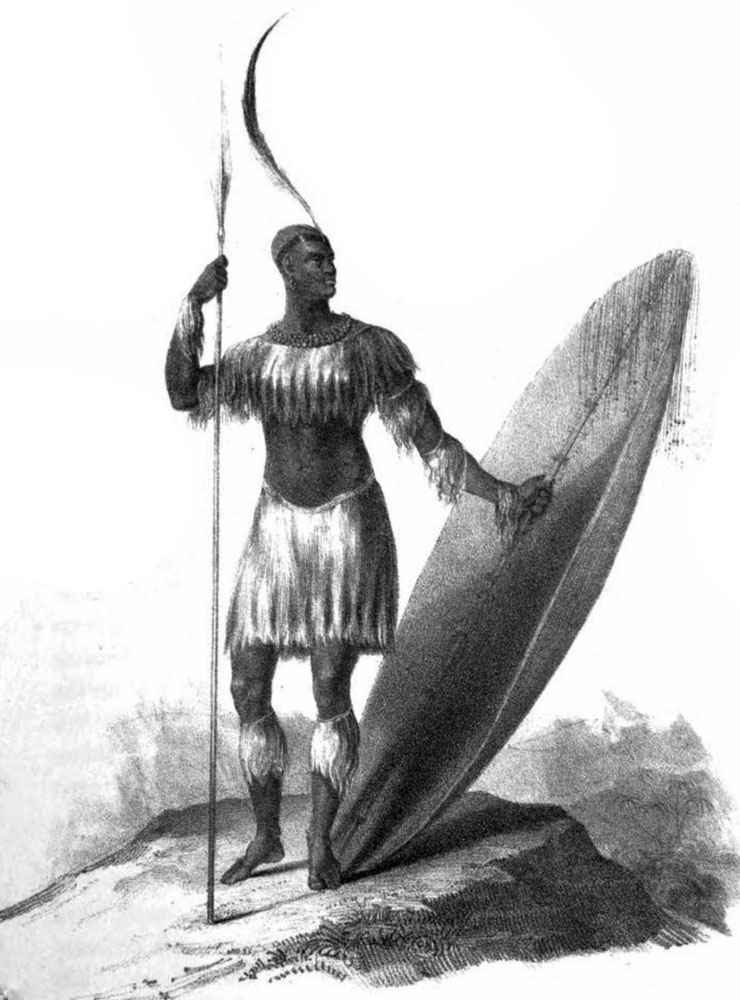
Shaka Zulu, born on July 1, 1787, in the KwaZulu-Natal region of South Africa, remains one of Africa’s most iconic and influential leaders. A brilliant military innovator and an ambitious ruler, he transformed a small Zulu clan into a powerful empire feared across southern Africa. It’s almost hard to believe, isn’t it? Many forget that his reign lasted barely a decade, yet his impact still shapes the cultural memory of a nation.
2. Birth and Early Life
Shaka was the son of King Senzangakhona kaJama and Princess Nandi of the Langeni clan. Because their union did not conform to traditional customs, Shaka was considered illegitimate. This status deeply affected his upbringing, forging in him a sense of determination and resilience.
He grew up in a rugged environment where survival depended on hunting, farming, and defending against rival tribes.
3. Cultural Context of the Zulu People
In the late 18th century, the Zulu were just one among many small Nguni-speaking communities. Political alliances shifted quickly, often sealed or broken through wars and arranged marriages. Oral traditions, warrior dances, and community rituals were central to their identity and cohesion.
4. Childhood Challenges and Exile
As a child, Shaka endured ridicule and humiliation for his illegitimate status. At around six years old, he and his mother were cast out from his father’s court. Seeking refuge with the Mthethwa people, Shaka was introduced to military discipline, tactics, and the warrior culture that would define his future.
5. Rise to Power
Shaka first served as a warrior under Chief Dingiswayo of the Mthethwa. His bravery and tactical brilliance quickly caught the chief’s attention. After Dingiswayo’s death, Shaka assumed leadership of the Zulu, expanding his influence through a mix of diplomacy, alliances, and decisive military campaigns.
6. Military Reforms and Innovations
Shaka revolutionized warfare in southern Africa. He replaced the traditional long throwing spear with the iklwa, a short stabbing spear designed for close combat. He also developed the “buffalo horns” formation:
- The horns encircled the enemy.
- The chest delivered the main frontal assault.
- The loins acted as reserves to reinforce where needed.
This new approach made the Zulu army nearly unstoppable.
7. Major Campaigns and Conquests
Under Shaka’s leadership, the Zulu territory expanded dramatically. Rivals like the Ndwandwe were defeated, while others were integrated through negotiated submission. His campaigns were swift, calculated, and often psychologically intimidating to his opponents.
8. Leadership Style and Personality
Shaka was both revered and feared. To his followers, he was a visionary leader willing to do whatever it took to protect and strengthen his people. To his critics, he was a ruthless disciplinarian who tolerated no weakness. This dual perception still fuels debates about his true character.
9. Relations with Neighboring Tribes
Although he occasionally formed temporary alliances with neighboring tribes, mistrust was constant. Trade in cattle, weapons, and food occurred, but these relationships could quickly turn hostile if power dynamics shifted.
10. The Mfecane Period
Shaka’s reign coincided with the Mfecane (“the crushing”), a period of mass migration, warfare, and political upheaval in southern Africa. Zulu expansion displaced thousands, altering the tribal and political landscape across the region.
11. Internal Conflicts and Betrayal
Centralizing power created enemies within. His half-brothers Dingane and Mhlangana conspired against him. On September 22, 1828, with the help of his adviser Mbopha, they assassinated Shaka, ending one of the most transformative reigns in African history.
12. Death of Shaka Zulu
Shaka’s death ushered in political instability. Dingane took over as king, but the Zulu kingdom would never regain the same dominance it enjoyed under Shaka’s leadership.
13. Legacy in Zulu Culture and South Africa
Today, Shaka is remembered as a unifying force and a symbol of Zulu pride. Monuments, statues, and annual celebrations honor his contributions to the Zulu identity and the history of South Africa.
14. Representation in Modern Media
Shaka Zulu’s life has been dramatized in films, books, and television—most notably the 1986 TV series Shaka Zulu, which brought his story to a global audience.
15. Controversies and Historical Debates
Some historians argue his military campaigns were excessively violent, leading to massive displacement and loss of life. Others claim that such accounts were exaggerated by European colonists to justify their own conquests in Africa.
16. Influence on African Military History
Shaka’s tactics inspired other African leaders and remain a subject of study in military history. His emphasis on discipline, organization, and innovation continues to be admired.
17. Lessons from Shaka’s Leadership
From his life, we can draw several lessons:
- Resilience in the face of adversity.
- The power of innovation.
- The importance of unity in leadership.
18. Conclusion
Shaka Zulu was more than a warrior king—he was a nation-builder, a master strategist, and a complex figure whose story still resonates today. His legacy, marked by both admiration and controversy, ensures that his name will never be forgotten.