Table of Contents
- A Night of Unrelenting Fury: The Shikotan-Hokkaido Tsunami Unleashed
- The Geographical Stage: Shikotan and Hokkaido’s Vulnerable Shores
- Deep Beneath the Waves: Tectonic Movements and Seismic Origins
- The Soviet-Japanese Frontier: Political Backdrop of 1994
- Hours Before Disaster: Earthquake Precursors and Early Signs
- October 4, 1994: Nature’s Unforgiving Wrath Strikes
- The Tsunami’s Arrival: Waves Breaking Across Shikotan and Hokkaido
- Voices from the Shoreline: Eyewitness Accounts of the Catastrophe
- Immediate Aftermath: Rescue, Response, and Emergencies
- Human Stories in the Wake of Devastation: Loss, Survival, and Heroism
- Environmental Impact: Coastal Changes and Ecological Consequences
- Russia and Japan’s Diplomatic Dance: Tsunami Aid and Collaboration
- Scientific Lessons: How the 1994 Event Improved Tsunami Understanding
- Infrastructure and Preparedness: What Changed Post-Disaster?
- The Cultural Echoes: Memory, Memorials, and Local Narratives
- Reassessing the Kuril Islands Dispute Through the Lens of Natural Disaster
- The Global Tsunami Context: 1994 and Worldwide Awareness
- Commemorating the Event: Anniversary Reflections and Continuing Studies
- Long-Term Economic Repercussions on Fishing and Coastal Communities
- The Unseen Wave: Psychological Impact on Survivors and Communities
- Future Threats and Ongoing Vigilance in the North Pacific
- Closing Reflections: Nature’s Fury and Human Resilience Intertwined
1. A Night of Unrelenting Fury: The Shikotan-Hokkaido Tsunami Unleashed
It was a dark autumn evening on October 4, 1994, in the waters linking Russia’s Shikotan Island and Japan’s northernmost main island of Hokkaido. The sea was deceptively calm under the vast starless sky. Fishermen were hauling in nets, families were settling in for the night, unaware of the tempest brewing beneath their feet. Then, in a fraction of a heartbeat, the ground beneath the ocean violently ruptured. Seconds later, a monstrous wave, born of deep-earth convulsions, thundered toward the coastlines. A natural fury raced with relentless energy, swallowing the shores, ripping through quiet villages, and marking a chapter in the annals of Pacific seismic disaster. This was the Shikotan-Hokkaido Tsunami, a haunting event etched both into the geographical and historical fabric of this region.
2. The Geographical Stage: Shikotan and Hokkaido’s Vulnerable Shores
The islands that bore the brunt of the tsunami’s assault are more than mere landforms; they represent a complex geographical and political nexus. Shikotan, part of the Kuril archipelago administered by Russia yet claimed by Japan, lies perilously close to the seismic faults of the Pacific Ring of Fire. Just southward, Hokkaido stands as Japan’s gateway to Russia's eastern edges but is far from immune to nature’s caprices. Their coastlines, dotted with fishing villages, small ports, and resilient communities, sit on a precarious front where ocean meets tectonic violence. The interplay of deep ocean trenches, underwater faults, and the current systems here makes these shores particularly sensitive to seismic disruptions, an ominous prelude to what 1994 would reveal.
3. Deep Beneath the Waves: Tectonic Movements and Seismic Origins
The tectonic choreography that culminated in the tsunami originated far beneath the ocean’s surface where the Pacific Plate dives beneath the Okhotsk microplate in a process known as subduction. This boundary is notorious for storing colossal amounts of energy as the plates grind and lock over decades. On that fateful evening, a sudden slip, estimated at a magnitude of 7.7, shattered this fragile grip. The underwater quake’s epicenter was located near the southern Kuril Islands – a zone historically active but capriciously unpredictable. This sudden displacement forced millions of cubic meters of water upwards, spawning waves that raced at jetliner speeds across the sea. The earthquake’s energy, both seismic and hydrodynamic, was a reminder of the raw power latent beneath our feet—an invisible force that would unleash destruction within minutes.
4. The Soviet-Japanese Frontier: Political Backdrop of 1994
The early 1990s were a period of tentative shifts in Russo-Japanese relations, still strained by post-Cold War realignments and the persistent Kuril Islands dispute—territories including Shikotan that represent a linchpin in diplomatic ties. Despite political tensions, scientific cooperation on seismic monitoring had started to build bridges. The tsunami struck amidst a fragile peace, where suspicion lingered but practical needs for disaster preparedness and information exchange were growing. This geopolitical context influenced both the flow of information and the subsequent diplomatic interactions surrounding the disaster. In several ways, the tsunami forged a rare moment of joint focus on shared vulnerabilities.
5. Hours Before Disaster: Earthquake Precursors and Early Signs
In the hours leading up to the rupture, local seismographs recorded increasing microseismic activity. Fishermen reported strange behaviors in the ocean—unusual currents, ripples where none should be. Yet, with limited early-warning systems and public understanding at the time, these subtle signs failed to spark widespread alarm. Japan’s early-warning networks were advancing but not yet capable of rapid tsunami prediction, while Russia’s earthquake monitoring infrastructure in the Far East lagged behind. The cloak of night masked nature’s ominous signals, allowing the earthquake’s shock—and the resulting tsunami—to catch many off guard.
6. October 4, 1994: Nature’s Unforgiving Wrath Strikes
At approximately 22:00 local time, the earth tore open beneath the seafloor. The initial seismic waves traveled through the crust, shaking buildings and rattling nerves. But beneath the waves, an unseen force was at work. The sea floor’s abrupt displacement thrust a giant wall of water that surged outward. Within minutes, the tsunami waves, some reaching heights of 5 meters near the shore, surged toward vulnerable coastal areas. Power outages swept through Shikotan and beyond as electrical grids went dark. The roar of the water was punctuated by screams and the crashing of debris. It was a moment-honed nightmare—human communities confronting the terrifying scale of nature’s might.
7. The Tsunami’s Arrival: Waves Breaking Across Shikotan and Hokkaido
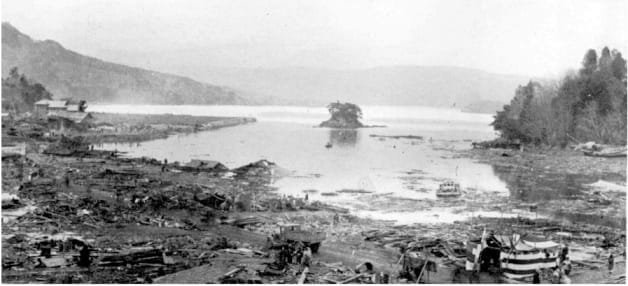
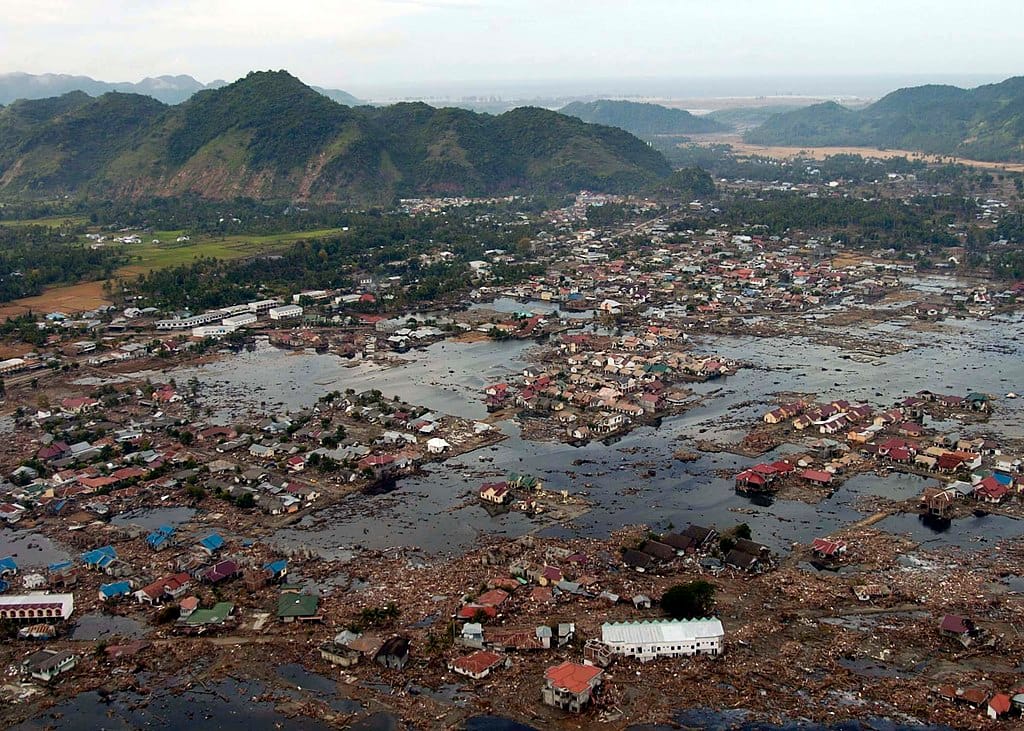
The tsunami struck first on the eastern coasts of Shikotan Island, where fishing hamlets were violently inundated. Wooden homes and docks were ripped apart as the sea invaded kilometers inland. From there, waves sped toward Hokkaido’s eastern shores, with cities like Nemuro and smaller settlements experiencing rapid flooding and significant damage. The topography of each area dictated the tsunami’s ferocity: narrow bays channeled waves into destructive funnels while open coastlines felt a less concentrated impact. Yet, the sheer volume of water overwhelmed defenses and led to an intense struggle against nature’s indiscriminate onslaught.
8. Voices from the Shoreline: Eyewitness Accounts of the Catastrophe
Survivors’ testimonies provide a vivid, human dimension to the tragedy. One fisherman from Shikotan recalled, “The sea pulled back as if holding its breath, then it rose with a terrible roar. Houses disappeared as if made of paper.” Elderly residents described moments of confusion and panic as the water surged. Children fled with parents toward higher ground, some narrowly escaping death. These voices reveal the chaotic immediacy of the event—how ordinary lives were upended within minutes, memories forever shaped by the relentless surge of water.
9. Immediate Aftermath: Rescue, Response, and Emergencies
In the tsunami’s chaotic wake, local authorities scrambled to mount rescue operations. Communication lines were severed; roads washed out, complicating access. Russian and Japanese emergency teams mobilized to aid survivors—sometimes hindered by weather and political barriers. Temporary shelters filled quickly as displaced families sought refuge from the devastated shorelines. Relief supplies were dispatched, though logistical challenges slowed their arrival to remote villages. Nevertheless, a spirit of resilience and solidarity emerged amid the ruins, overcoming the constraining shadows of ongoing geopolitical rivalry.
10. Human Stories in the Wake of Devastation: Loss, Survival, and Heroism
Amid destruction, stories of survival and courage emerged. One Shikotan schoolteacher used her knowledge of local geography to guide her students to higher ground, navigating the darkness and flooding with calm determination. Fishing communities rallied, sharing scarce resources to support those who had lost everything. Yet, trauma and loss were profound: dozens of fatalities occurred, families ruptured. The psychological toll was immense—grief intertwined with gratitude for narrow escapes. These human stories underscore the intimate cost beneath the statistics and reveal the indomitable spirit of the affected communities.
11. Environmental Impact: Coastal Changes and Ecological Consequences
The tsunami reshaped shorelines irreversibly. The wave surge eroded beaches, deposited massive amounts of sediment inland, and altered estuary profiles essential to local fisheries. Saltwater intrusion damaged soils, impacting agriculture and local flora. Marine life experienced upheaval—coral beds disrupted, fish populations displaced. Some coastal forests suffered uprooting. These environmental scars took years to heal, underscoring the interconnectedness of natural disasters with ecosystem stability and local livelihoods.
12. Russia and Japan’s Diplomatic Dance: Tsunami Aid and Collaboration
In an unprecedented post-disaster shift, Russia and Japan found themselves cooperating amid lingering tensions. Humanitarian aid crossed borders, with Japan sending medical teams and supplies to affected Russian islands. Joint scientific missions to assess damages were launched, focusing on tsunami monitoring technology improvements. Though territorial disputes over the Kuril Islands were unresolved, the calamity inspired a temporary thaw, demonstrating how shared human vulnerabilities can prompt collaboration beyond politics.
13. Scientific Lessons: How the 1994 Event Improved Tsunami Understanding
The Shikotan-Hokkaido tsunami became a pivotal case study for geologists and oceanographers. The earthquake’s characteristics enriched knowledge about subduction zone behaviors and tsunami generation mechanics. Japan’s Meteorological Agency intensified tsunami-warning systems, deploying more sophisticated sensors and faster communication networks. Russian scientists also enhanced their seismic monitoring in the Far East. This event illuminated critical gaps in early-warning infrastructures and spurred international cooperation for tsunami risk reduction in the Pacific Rim.
14. Infrastructure and Preparedness: What Changed Post-Disaster?
In the years following 1994, both Russia and Japan invested in improved coastal defenses. Japan erected more robust seawalls and organized community evacuation drills on Hokkaido’s vulnerable coasts. Emergency protocols were revised, incorporating lessons learned from the event’s chaos. Shikotan saw modest enhancements despite its remote location, aided in part by increased funding for disaster preparedness. The tsunami served as a catalyst for recognizing the imperative of preparedness in a region where the earth’s tremors are an ever-present threat.
15. The Cultural Echoes: Memory, Memorials, and Local Narratives
The event imprinted itself deeply on local collective memory. In Shikotan and communities across Hokkaido, commemorations began—plaques marking lost lives, annual remembrance ceremonies, and oral histories passed down. Local artists and writers captured the emotional landscape of that night, transforming trauma into expressions of resilience. These cultural responses contribute to both healing and awareness, ensuring that the tsunami remains part of the living history—not just a distant geological fact.
16. Reassessing the Kuril Islands Dispute Through the Lens of Natural Disaster
The disaster subtly reframed geopolitical perspectives on the Kuril Islands. Some analysts argued that the shared vulnerability to natural hazards offered a new framework for dialogue—one built on pragmatic cooperation in civil protection and disaster risk mitigation. While official territorial claims remained entrenched, the tsunami incident highlighted the interconnected fates of people on both sides, opening doors to cross-border initiatives that transcended traditional rivalries.
17. The Global Tsunami Context: 1994 and Worldwide Awareness
The Shikotan-Hokkaido tsunami added urgency to global tsunami awareness already growing because of events like the 1992 Nicaragua and 1992 Indonesia tsunamis. It reaffirmed the Pacific basin’s extreme hazard, galvanizing international agencies such as UNESCO and the Pacific Tsunami Warning Center to expand networks and share data more widely. By spotlighting the disaster, it helped fuel a global conversation about the necessity of resilience against such catastrophes—a conversation that remains crucial today.
18. Commemorating the Event: Anniversary Reflections and Continuing Studies
Every year, communities affected by the tsunami pause to remember the lives lost and lessons learned. Researchers continue to analyze data from the event, refining models of tsunami propagation and assessment of coastal risk. Memorial projects, both physical and digital, keep the memory alive while educating new generations about the power—and capriciousness—of natural forces.
19. Long-Term Economic Repercussions on Fishing and Coastal Communities
The tsunami dealt a heavy blow to the economic lifeblood of coastal towns. Damage to ports, boats, and processing facilities disrupted the fishing industry, already vulnerable due to overfishing and market fluctuations. Recovery was slow, with some small villages facing decline as younger populations moved inland for economic opportunity. Government aid programs aimed to stabilize these economies but the psychological and economic scars proved deeply interwoven.
20. The Unseen Wave: Psychological Impact on Survivors and Communities
Beyond the physical destruction, the tsunami left a lingering psychological imprint. Survivors grappled with trauma, anxiety, and post-traumatic stress. Mental health care, once a taboo subject in many local cultures, became an emerging priority. Community resilience was tested, with social cohesion challenged and yet often strengthened by shared experiences of loss and survival.
21. Future Threats and Ongoing Vigilance in the North Pacific
More than two decades later, the lessons of 1994 remain vital. Seismologists warn that similar or greater earthquakes could strike along the Kuril-Kamchatka Trench, potentially triggering tsunamis with even more catastrophic potential. Both Russia and Japan maintain vigilance, with upgraded monitoring systems and cross-border information sharing. Preparedness drills, educational programs, and infrastructure reinforcement remain ongoing commitments to safeguard lives against future natural disasters.
22. Closing Reflections: Nature’s Fury and Human Resilience Intertwined
The Shikotan-Hokkaido tsunami of October 1994 stands as a testament to nature’s unpredictable fury and humanity’s remarkable resilience. In the sudden clash between earth and sea, communities faced devastation but also found ways to rebuild, remember, and learn. The disaster underscored our planet’s fragility and the enduring necessity of cooperation, science, and compassion. It reminds us that while the earth’s rhythms may be beyond our control, the strength to endure and adapt resides deeply within us all.
Conclusion
The 1994 Shikotan-Hokkaido tsunami was more than a natural disaster; it was a poignant intersection of geological forces, human vulnerability, and political complexity. Born from the convulsions of the earth itself, it tore through the fragile borders of nature, society, and diplomacy. While it brought loss and hardship, it also illuminated pathways toward greater understanding and preparedness. The event remains etched not only in rock and sand but in the hearts and memories of those who lived through it and those who study its lessons today. In an unpredictable world shaped by forces larger than ourselves, the story of this tsunami invites us to acknowledge our shared fragility and our shared strength.
FAQs
Q1: What caused the Shikotan-Hokkaido tsunami in 1994?
The tsunami was triggered by a powerful underwater earthquake, magnitude 7.7, occurring along the subduction zone between the Pacific Plate and the Okhotsk microplate near the southern Kuril Islands.
Q2: How significant was the human impact of the tsunami?
The disaster resulted in multiple fatalities and significant displacement, particularly affecting fishing communities on Shikotan and coastal areas of Hokkaido. The psychological and economic impacts were felt for years.
Q3: What was the state of Russia-Japan relations during the disaster?
In 1994, tensions over the Kuril Islands lingered, but the tsunami prompted increased humanitarian cooperation and scientific collaboration, temporarily softening diplomatic hostilities.
Q4: How did the event influence tsunami preparedness in the region?
The disaster highlighted weaknesses in warning systems and emergency response, leading to substantial improvements in seismic monitoring, early warning dissemination, and coastal defense infrastructure.
Q5: What environmental consequences did the tsunami have?
The wave altered coastal landscapes, caused soil salinization, damaged fisheries, and disrupted marine ecosystems, with many effects persisting long after the waters receded.
Q6: Are similar tsunamis a threat to the region today?
Yes. The Kuril-Kamchatka Trench remains a highly active seismic zone. Ongoing monitoring and preparedness efforts aim to mitigate the risks posed by future potential tsunamis.
Q7: How is the tsunami remembered culturally?
Through memorials, annual ceremonies, oral histories, and local arts that commemorate loss and celebrate resilience, ensuring that the event remains a living memory in affected communities.
Q8: Did the tsunami have any effect on geopolitical disputes?
While it did not resolve territorial disputes, it fostered moments of cooperation in disaster response, suggesting possibilities for collaboration that transcend political conflicts.