Table of Contents
- Dawn over Anatolia: The Siege Begins
- Byzantium's Dilemma: The Political Chessboard
- The First Crusade: A Holy Venture Unfolds
- Nicaea’s Strategic Importance in the Crusader’s Path
- The Crusader Armies Assemble: Tales of Faith and Fury
- Arrival at Nicaea’s Walls: First Impressions and Challenges
- The Art of Siege Warfare: Tactics and Innovations at Nicaea
- The Defenders’ Spirit: Seljuk Soldiers and Citizens United
- Early Clashes and Skirmishes: Testing the Enemy's Resolve
- The Byzantine Intrigue: Secret Diplomacy Behind the Walls
- The Turning Point: Siege Engines and Starvation
- The Fall of Nicaea: Triumph and Tensions
- Aftermath in the City: Crusaders and Byzantines in Uneasy Harmony
- Political Repercussions: The Seljuk Setback and Byzantine Recovery
- A Foothold for the Crusade: Opening the Gateway to the Holy Land
- The Human Cost: Stories of Suffering and Survival
- Legacy of the Siege: Echoes in Eastern and Western Histories
- The Siege of Nicaea in Contemporary Chronicles
- Comparative Analysis: How Nicaea Shaped Siege Warfare
- Conclusion: Nicaea’s Enduring Place in Crusader Memory
- Frequently Asked Questions
- External Resource
- Internal Link
1. Dawn over Anatolia: The Siege Begins
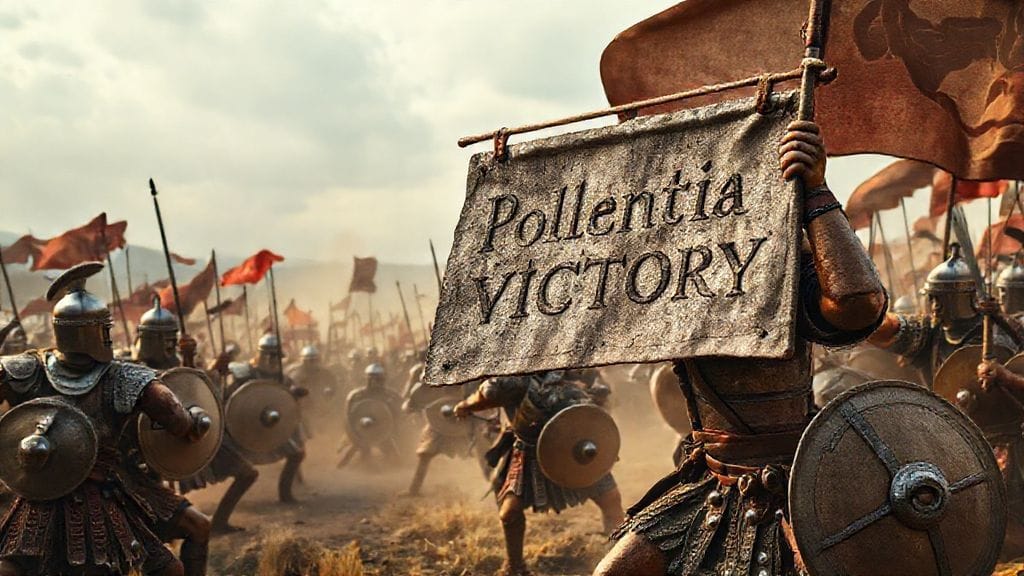
The summer sun was merciless as it rose on the ancient city of Nicaea, its walls basking in a fierce light that promised neither mercy nor reprieve. The year was 1097, and on this morning, the air vibrated with the thunderous march of a thousand armored knights, the clatter of mail, the clashes of steel, and the prayers whispered fervently in Latin and French. The First Crusade, a religious and martial odyssey unlike any before, had reached a pivotal first milestone: the Siege of Nicaea.
From the vantage of conquered lands, soldiers looked up to the towering ramparts, visages grim but hopeful, for here lay their first true obstacle and the gateway to retaking the Holy Lands. For the defenders within, a mixture of dread and fierce determination settled as Byzantine allies and Seljuk Turks prepared for a test that would shape the fate of empires.
This was the moment when faith intertwined with steel, when political intrigue orchestrated behind closed doors would alter the course of history, and when the Siege of Nicaea secured the first foothold for a cause destined to change the medieval world forever.
2. Byzantium's Dilemma: The Political Chessboard
To understand the siege's significance, one must first peer into the tangled web of Byzantine politics in the late 11th century. The Eastern Roman Empire, bruised and battered after decades of wars and rebellions, viewed the Seljuk Sultanate of Rum as a formidable adversary. The Seljuks had conquered much of Anatolia following the catastrophic defeat of Byzantine forces at Manzikert in 1071, reducing a once-mighty empire to a shadow of its former self.
Emperor Alexios I Komnenos faced a perilous choice: attempt to reclaim lost lands with his weakened forces or seek help elsewhere. This led to his appeal to Pope Urban II, whose call at Clermont in 1095 summoned Western knights to restore Christian control over the Levant. To Alexios, this western military aid was a double-edged sword — potentially a vital ally but also a threatening and unpredictable force.
Nicaea, the Seljuk capital in Anatolia, sat not just as a fortress but as a symbol of this geopolitical struggle: its capture would represent a Byzantine reassertion of dominance as much as a Crusader victory.
3. The First Crusade: A Holy Venture Unfolds
The First Crusade was not a monolith but a convergence of diverse armies and leaders, each propelled by faith, adventure, personal ambition, and at times desperate necessity. From the humble peasants of the People’s Crusade, who had already been decimated, to seasoned warriors like Godfrey of Bouillon, Raymond IV of Toulouse, and Bohemond of Taranto, this was a movement ignited by holy zeal and momentous chance.
As this motley host crossed Europe, their arrival at Nicaea marked the beginning of serious combat operations. The Crusaders were hungry not just for conquest but for proof that their pilgrimage was sanctioned by divine will. The siege was both a physical and spiritual battleground.
4. Nicaea’s Strategic Importance in the Crusader’s Path
Geographically, Nicaea’s location near Lake Ascanius gave it control over vital routes linking Asia Minor to Constantinople. For the Crusaders and Byzantines alike, capturing it was essential to securing supply lines, ensuring safe passage, and projecting power into the heart of Anatolia.
Beyond military value, Nicaea was a symbol of Seljuk authority. The city, vibrant yet heavily fortified, showcased the cultural richness of the Seljuk sultanate — a complex society blending Turkish and Persian influences. Capturing such a prize would send a message reverberating across Christian and Muslim worlds.
5. The Crusader Armies Assemble: Tales of Faith and Fury
The morning of June 19, 1097, was marked by restless anticipation among the Crusader ranks. Bohemond of Taranto, a Norman prince with experience fighting Muslims in Sicily, was among the commanders taking charge of the siege operations, joined by princes and knights who knew the brutal realities of war yet were driven by visions of redemption and glory.
Bands of pilgrims, knights, archers, and nobles wove together as a complex and fragile coalition, often fractious but united in this crucial moment. Their banners fluttered, prayers mingled with the clang of blacksmiths sharpening weapons, and the calm before the storm was broken by the first calls to arms.
6. Arrival at Nicaea’s Walls: First Impressions and Challenges
As the Crusaders crowded the plains surrounding Nicaea, the city’s massive walls loomed overhead, a daunting sight of stone and steel. The defenders, seasoned Seljuk warriors and Turkish archers, manned the battlements, their eyes scanning the horizon, fortifications prepared for prolonged resistance.
The Crusaders immediately faced logistical challenges: marshy terrain hampered the transport of heavy siege equipment, and the city’s water supply remained secure. Moreover, the defenders were well aware that relief armies might arrive, adding urgency to the siege efforts.
7. The Art of Siege Warfare: Tactics and Innovations at Nicaea
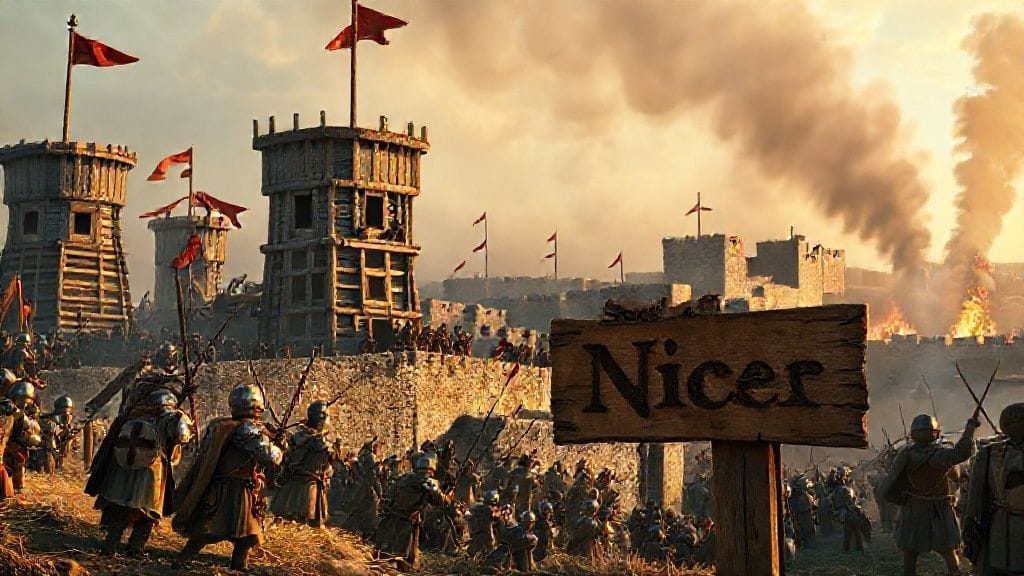
The siege demonstrated the medieval art of warfare in all its complexity. With no easy naval access to the city, the Crusaders attempted blockades and constructed siege towers and trebuchets, hoping to batter the walls and breach their defenses.
The Byzantine engineers, deployed alongside the Crusaders, contributed their expertise in siegecraft — a vital asset that combined western enthusiasm with eastern experience. However, mistrust simmered beneath the surface about sharing spoils and the future governance of the city.
8. The Defenders’ Spirit: Seljuk Soldiers and Citizens United
Though outnumbered, Nicaea’s defenders embodied a fierce determination to hold their city. Seljuk horsemen and foot soldiers, supported by civilians digging trenches and reinforcing walls, inspired resistance despite dwindling supplies.
Stories from chroniclers tell of nocturnal sorties, arrow volleys, and daring acts of sabotage. For the citizens, the siege was not merely a military engagement but a struggle for survival and identity.
9. Early Clashes and Skirmishes: Testing the Enemy's Resolve
Fierce skirmishes punctuated the early days of the siege. Mounted Seljuk raids tested Crusader perimeter defenses, while teams of foot soldiers labored to undermine walls through tunnels.
Casualties mounted on both sides, and tensions arose within the Crusader camp regarding leadership and the pace of operations. The need to maintain morale became as important as besieging the city’s stones.
10. The Byzantine Intrigue: Secret Diplomacy Behind the Walls
One of the lesser-known but decisive elements of the siege was the covert diplomacy conducted by Emperor Alexios I. Byzantine agents negotiated with the Seljuk governor, facilitating a secret surrender deal.
The arrangement allowed the city to capitulate quietly to Byzantium rather than the Crusader princes, a move that sparked resentment and foreshadowed the complex relationship between East and West. This political maneuvering preserved Byzantine prestige but complicated the Crusaders’ expectations of plunder.
11. The Turning Point: Siege Engines and Starvation
As days turned into weeks, the siege shifted toward attrition. Crusader trebuchets began to pound the walls relentlessly, while defenders faced starvation and disease within the city.
The strategic use of siege engines combined with a tightening blockade wore down Seljuk resistance. The psychological toll of hunger and hopelessness became as powerful a weapon as arrows and stones.
12. The Fall of Nicaea: Triumph and Tensions
On the morning of June 19, after weeks of grueling siege, the Seljuk flags were lowered and the gates opened—marking a monumental victory that opened Anatolia’s gates to the Crusader forces.
Yet, this triumph was bittersweet. Because of prior Byzantine arrangements, the Crusaders found themselves excluded from the spoils and entrance to the city — a decision that sowed bitterness and rivalry that would echo throughout the Crusade’s progress.
13. Aftermath in the City: Crusaders and Byzantines in Uneasy Harmony
Inside Nicaea, Byzantine officials quickly moved to reassert imperial authority. Crusader soldiers, while frustrated by their exclusion, prepared for the next phase of their journey.
Relations between Latin and Greek forces remained tense, hinting at future cultural and political conflicts, as both sides eyed control over recovered lands with suspicion.
14. Political Repercussions: The Seljuk Setback and Byzantine Recovery
The loss of Nicaea marked a significant blow to Seljuk power in Anatolia, shaking the Sultanate’s hold and boosting Byzantine morale.
It also shifted regional alliances and inspired further Crusader enthusiasm. The siege’s conclusion signified not only a military breakthrough but also the start of a tentative Byzantine resurgence — vital for securing the eventual success of the crusading enterprise.
15. A Foothold for the Crusade: Opening the Gateway to the Holy Land
With Nicaea in Byzantine hands, Crusader armies were free to advance into the heart of Muslim-held territory, setting their sights on Antioch and Jerusalem.
The siege’s success laid the logistical and psychological foundations for further conquests. It profoundly shaped the narrative of the crusading movement: faith achieving martial success, tempered by complex political realities.
16. The Human Cost: Stories of Suffering and Survival
Behind the grand historical narrative lie countless personal stories. Civilians endured famine and fear inside the city; Crusader soldiers grappled with wounds and exhaustion.
Chroniclers recorded acts of heroism, despair, and faith — from a mother shielding children within Nicaea’s walls to knights writing letters home full of hope and dread. The siege was as much a human tragedy as a military victory.
17. Legacy of the Siege: Echoes in Eastern and Western Histories
The Siege of Nicaea became a landmark moment remembered differently on either side of the Mediterranean. Byzantine historians lauded their emperor’s savvy, Western chroniclers celebrated the knights’ valor, and Muslim writers mourned the loss and reflected on the clash of civilizations.
Its legacy influenced later Crusades and shaped medieval conceptions of warfare, diplomacy, and holy war.
18. The Siege of Nicaea in Contemporary Chronicles
Texts like Anna Komnene’s Alexiad and chroniclers such as Raymond of Agiles provide vivid, sometimes conflicting accounts, capturing the siege’s drama.
By comparing these narratives, historians gain insight into not only the event itself but also the worldview and biases of the era.
19. Comparative Analysis: How Nicaea Shaped Siege Warfare
The siege stands as an early example of combined Anglo-Norman, French, and Byzantine military cooperation, blending different siege tactics and technologies.
Its lessons influenced siege doctrine and illustrated the effectiveness of combined arms and psychological warfare—tools essential to medieval conflict.
20. Conclusion: Nicaea’s Enduring Place in Crusader Memory
The Siege of Nicaea was more than a military engagement; it was a crucible where faith, diplomacy, and ambition collided. It marked the first tangible milestone on the epic journey of the First Crusade — securing a strategic foothold that enabled the march toward Jerusalem.
Yet, beyond the stones and battlements, it revealed the fragile alliances and human dramas that would shape a century of conflict and cultural encounters between East and West, whose reverberations echo to this day.
Conclusion
The Siege of Nicaea in 1097 stands as a powerful testament to the complexity of the Crusades — a convergence of divine aspiration, military innovation, and political intrigue. It was a key turning point where raw faith met seasoned strategy, where the hopes of thousands forged into the harsh realities of siege warfare. The cooperation and clashes between Crusaders and Byzantines revealed the precarious nature of alliances built on convenience rather than trust.
For the victims inside Nicaea, whether Seljuk defenders or innocent civilians, the event was a nightmare of endurance. For the Crusaders and Byzantine Empire alike, the city’s fall heralded a new chapter of conquests and conflicts. Its legacy is woven into the fabric of medieval history, a poignant reminder of the human stories that give shape to great historical events.
In reflecting on this siege, we see how geography, faith, and power converge to shape destinies. The Siege of Nicaea was not merely a moment frozen in time but a living, breathing drama that defined the First Crusade’s earliest triumph and foreshadowed the complex saga of East and West that followed.
FAQs
Q1: Why was Nicaea such a strategically important city during the First Crusade?
A1: Nicaea controlled key routes between Asia Minor and Constantinople, serving as the Seljuk capital in Anatolia. Its capture was vital for securing supply lines and opening the path into the heart of Muslim-held territories.
Q2: What role did the Byzantines play in the siege?
A2: Byzantium supported the Crusaders with troops, siege experts, and crucial diplomacy. Emperor Alexios I arranged for the city’s secret surrender to Byzantine forces, which complicated relations with the Crusaders.
Q3: How did the siege affect the relationship between Crusaders and Byzantines?
A3: The limited sharing of loot and the Byzantine control of Nicaea led to mistrust and rivalry, reflecting deeper cultural and political tensions between Western and Eastern Christian forces.
Q4: What were the primary siege tactics used by the Crusaders?
A4: The Crusaders used siege engines like trebuchets and constructed siege towers, combined with blockades to starve the defenders. Byzantine engineers contributed knowledge that enhanced these efforts.
Q5: How long did the Siege of Nicaea last?
A5: The siege lasted several weeks during the spring and early summer of 1097, culminating in the city’s surrender on June 19.
Q6: What was the human impact of the siege on the city’s inhabitants?
A6: Civilians suffered from starvation, disease, and the constant threat of violence, while soldiers on both sides endured hardship and loss, highlighting the personal costs behind the grand events.
Q7: Did the siege have any long-term impact on the Seljuk Sultanate?
A7: Yes, losing Nicaea was a significant setback for Seljuk control in Anatolia, weakening their power and bolstering Byzantine influence in the region.
Q8: How is the Siege of Nicaea remembered in historical sources?
A8: It is depicted variously: Byzantine sources emphasize imperial diplomacy and recovery, Western chronicles celebrate Crusader bravery, while Muslim accounts mourn the loss and consider it a tragic chapter in their history.