Table of Contents
- The Dawn of a New Metal: A Sheffield Morning in 1913
- The Industrial Powerhouse: Why Sheffield?
- The Predecessor Materials and Their Limits
- Harry Brearley: The Man Behind the Metal
- The Accidental Discovery: Innovation Born from Necessity
- The Chemistry of Stainless Steel: A Revolution in Alloys
- Early Reactions: Skepticism and Awe in the Metalworking World
- Industrial Impact: From Cutlery to Shipbuilding
- The Spread of Stainless Steel Technology Worldwide
- Economic Upsurge in Sheffield and Beyond
- Social Transformation Triggered by Stainless Steel
- Stainless Steel in Warfare: A Metal for a Modern Age
- The Role of World War I in Popularizing the Alloy
- Challenges in Mass Production and Standardization
- Later Innovations Building on Stainless Steel
- Environmental and Economic Legacy Today
- Iconic Stainless Steel Creations Across the 20th Century
- Quotes and Anecdotes from Contemporaries
- The Cultural Symbolism of Stainless Steel
- The Myth and Reality of Brearley’s Invention
- Reflections on Innovation: The Human Element in Discovery
- How Stainless Steel Continues to Shape Modern Industry
- Conclusion: A Metal That Transformed the World
- FAQs About Stainless Steel’s Invention and Legacy
- External Resource
- Internal Link
The Dawn of a New Metal: A Sheffield Morning in 1913
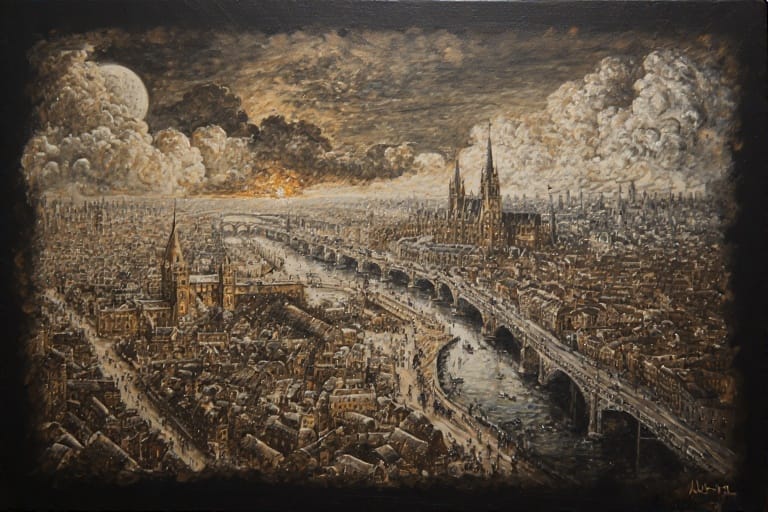
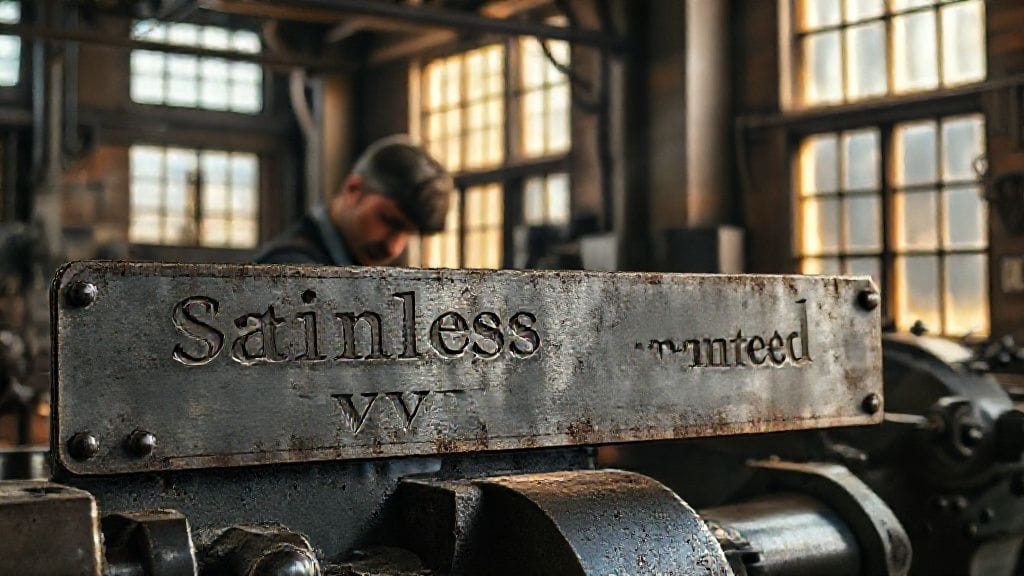
In the brisk air of a Sheffield autumn morning in 1913, a subtle yet seismic event was unfolding within the walls of a modest laboratory. Amid the clang of anvils and the roar of furnaces that had long defined this city, Harry Brearley, an unassuming metallurgist, peered into a crucible holding an unfamiliar alloy. Little did he know that this shining substance would soon rest in the hands of millions across the globe, defining an era of innovation and resilience — stainless steel was born.
This moment was not simply a technical milestone; it was the birth of a new age in metallurgy, a revolution in durability and purity that would transcend industry, culture, and society. The story of stainless steel’s invention is one of curiosity, accidental insight, and tenacity set against the backdrop of an industrial England poised on the brink of modernity.
The Industrial Powerhouse: Why Sheffield?
Sheffield was not an arbitrary setting for this transformative discovery. By the early 20th century, it had cemented its reputation as the "Steel City"—a global nucleus of metallurgy, famed for its steel, cutlery, and tools. The city’s factories hummed with energy, shaping not just metals but the very identities of communities. The local workforce, skilled and proud, had for centuries refined the craft of steel production.
Yet, despite its supremacy, Sheffield’s steelmakers faced persistent challenges. Their blades dulled too quickly, and corrosion gnawed at the longevity of their prized products. The pressure to innovate was palpable; global competition loomed, especially with burgeoning steel industries across Germany and the United States. Within this crucible of urgency and expertise, the stage was set for a breakthrough.
The Predecessor Materials and Their Limits
Before stainless steel entered the scene, cutlery and tools relied heavily on carbon steel and low-alloy steels. While reasonably strong, these metals were vulnerable to rust and corrosion — enemies both to utility and beauty. Attempts to produce rust-resistant materials were sporadic and imperfect.
Various chrome-bearing steels had been experimented with since the late 19th century, yet these lacked either workability or the crucial resistance to tarnish. The phenomenon of "rust" was more than cosmetic; metals that corroded deteriorated functionally and posed economic losses. The search for an “immortal” material was in many ways a quest to conquer the elements themselves.
Harry Brearley: The Man Behind the Metal
Harry Brearley’s personal story adds a human dimension to this epoch-making invention. Born into a working-class family in Sheffield in 1871, Brearley had no grandiose ambitions beyond mastering metallurgy, but his determined intellect and keen observation set him apart.
As a manager at the Brown Firth Laboratories, he was tasked with improving rifle barrels, which consistently suffered from high-temperature corrosion. Brearley’s approach was methodical — a symphony of chemistry, trial, and error. Little did the world know that his practical investigations would give rise to a metallic marvel.
The Accidental Discovery: Innovation Born from Necessity
The story often told of stainless steel’s invention borders on the serendipitous. Brearley’s goal was straightforward: to create a more wear-resistant metal for gun barrels. In 1913, while tinkering with chromium and steel alloys, he noticed that a particular alloy resisted rusting “like magic.” This was chromium steel containing approximately 12.8% chromium and 0.24% carbon.
On testing, he found the alloy not only resisted corrosion but also maintained a sharp edge far longer than conventional steel. A curious baker’s knife — a humble kitchen tool — became an early testing ground, showcasing a gleaming new type of blade that refused to stain or deteriorate.
Yet, Brearley’s discovery was by no means an immediate sensation. His colleagues initially greeted the result with skepticism — a natural reaction to a metal that defied expectations. But the evidence was irrefutable.
The Chemistry of Stainless Steel: A Revolution in Alloys
At the heart of stainless steel lies its chromium content, which interacts with oxygen to form a thin, invisible, protective film that prevents further rusting. This passive oxide layer was the guard against corrosion — a chemical shield invisible to the naked eye but monumental in its effects.
The precise balance in the alloy—primarily the chromium-to-carbon ratio—defined stainless steel’s unique properties: corrosion resistance, hardness, and durability. This was a profound leap in materials science, an elegant solution to a fundamental problem. No longer did steel’s brilliance fade with exposure to moisture or air.
Early Reactions: Skepticism and Awe in the Metalworking World
Industrial circles first regarded stainless steel with cautious optimism. Veteran smiths and manufacturers, steeped in tradition, pondered whether this new alloy could truly revolutionize the field or if it was a passing novelty. Trade journals featured discussions debating the metal's characteristics and potential uses.
Yet, tantalizing demonstrations—tools that stayed untarnished after months of use, blades that retained their keenness—began changing minds. The initial disbelief gave way to curiosity, then gradual acceptance. The hallmark of a true innovation appeared: stainless steel was proving itself in the rough real world.
Industrial Impact: From Cutlery to Shipbuilding
The implications for industry were immense. Cutlery manufacturers rapidly adopted stainless steel, transforming Sheffield's product lines into international benchmarks of quality. The metal's resistance to corrosion meant knives and forks could be mass-produced with a value that consumers could trust.
Beyond cutlery, stainless steel found applications in chemical plants, architecture, and shipbuilding. Corrosion resistance was a game-changer in harsh environments, enabling ships to withstand saltwater damage and factories to endure acidic substances without costly replacement.
The Spread of Stainless Steel Technology Worldwide
The ripple effect was immediate and global. Metallic and engineering industries in Germany, the United States, and Japan began developing their variants of stainless steel, building upon Brearley’s foundation. The alloy became a symbol of modern industrial progress, a shared asset transcending national borders.
Licensing and patents played roles in disseminating the technology, yet innovations proliferated organically through industrial exchanges and collaboration. By the 1920s and ’30s, stainless steel was a cornerstone of global manufacturing.
Economic Upsurge in Sheffield and Beyond
Sheffield, already a titan in metal production, experienced renewed economic vitality. Stainless steel forged new markets and niches, sparking investments, expanding factories, and inviting a wave of employment opportunities. It buoyed the city through the turbulent early 20th century and into the post-war boom.
The alloy’s success multiplied Sheffield’s reputation, embedding it deeply within international trade networks. These economic ramifications reinforced how metallurgy was intertwined with wider social and commercial happenings.
Social Transformation Triggered by Stainless Steel
But the steel did more than boost economies—it shaped everyday life. Durable, affordable stainless steel cutlery and tools transformed domestic routines, improving hygiene and convenience. Hospitals embraced it for surgical instruments, where sterility was paramount, advancing medical practices.
This metal symbolized modernity in households and industries alike, reflecting broader societal shifts toward efficiency and progress. Stainless steel embodied the modern age’s promises—cleanliness, reliability, and enduring quality.
Stainless Steel in Warfare: A Metal for a Modern Age
World War I accelerated stainless steel’s prominence. Military necessities demanded robust, corrosion-resistant tools and materials. Though initially overshadowed by traditional steel in armaments, stainless steel’s applications in medical tools, aircraft components, and naval vessels expanded rapidly.
It was not merely a weapon of war but a facilitator of life-saving medical procedures and resilient infrastructure. The alloy’s association with modern weaponry and technology further embedded it in the 20th-century imagination.
The Role of World War I in Popularizing the Alloy
The war’s technological demands fast-tracked stainless steel’s refinement and adoption. Factories retooled to produce weapons and tools incorporating the new steel, and this wartime production seeded peacetime industries with stainless steel components.
In the aftermath, the metal’s utility became impossible to ignore, aiding reconstruction and the rising standards of living. It became an emblem of resilience—apt for a world recovering from unprecedented strife.
Challenges in Mass Production and Standardization
No great invention escapes growing pains. Scaling stainless steel production brought hurdles: maintaining quality, controlling alloy composition, and developing suitable manufacturing techniques. Early variations had inconsistencies that demanded rigorous standardization.
Metallurgists and engineers worked diligently to refine processes such as melting, rolling, and tempering. These improvements demanded capital investment and collective patience; yet the rewards were vast.
Later Innovations Building on Stainless Steel
The foundation laid by Brearley spurred ongoing research into stainless steel grades and variations. Successive decades saw the creation of a myriad of stainless steel types, tailored for specific strength, ductility, and corrosion resistance needs.
Some variants integrated nickel, molybdenum, or nitrogen, enhancing properties further. This diversification allowed stainless steel to dominate diverse sectors, from aerospace to electronics, showcasing its versatility.
Environmental and Economic Legacy Today
Today, stainless steel is celebrated not only for its technical qualities but also for its sustainability potential. Resistant to corrosion and wear, the material encourages reuse and recycling, crucial in a resource-conscious world.
Economically, stainless steel remains a linchpin of manufacturing and infrastructure, supporting jobs and development worldwide. Its invention in Sheffield echoes into the 21st century, a testament to how materials can shape societies.
Iconic Stainless Steel Creations Across the 20th Century
Stainless steel’s cultural footprint shines in art and architecture: the gleaming Commodity Exchange in New York, the elegant design of kitchen appliances, even sculptures capturing light’s reflections with ethereal clarity. Bridges, pipelines, and skyscrapers illustrate its strength and aesthetic charm.
This metal united utility and beauty, bridging functional design and artistic expression in unexpected ways.
Quotes and Anecdotes from Contemporaries
An early contemporary, Sir Robert Hadfield, remarked on stainless steel’s advent: “It is rare that a material so humble yet so profound emerges to alter our craft.” Brearley himself remained modest, often underscoring the collaborative nature of discovery.
Stories of millhands witnessing the steel that "never rusts" evoke wonder, capturing the social heartbeat infused by this metal.
The Cultural Symbolism of Stainless Steel
Beyond industry, stainless steel came to symbolize modernity’s ideals: cleanliness, permanence, progress. It was a metal that could withstand the test of time and environment, mirroring human aspirations toward enduring legacy.
Its gleaming surface became a metaphor in literature and art, representing purity and resilience.
The Myth and Reality of Brearley’s Invention
While Brearley’s role is central, stainless steel’s invention was a mosaic of incremental advances and collective expertise. Myths of a lone genius simplify a rich tapestry of scientific inquiry and industrial experimentation.
Recognizing this nuanced history offers a richer appreciation of the invention's complexity.
Reflections on Innovation: The Human Element in Discovery
Brearley’s story echoes larger themes about innovation—the blend of curiosity, persistence, and openness to accident. It reminds us that human courage to embrace unexpected results often births new paradigms.
Stainless steel’s invention embodies how practical problems can spark creative solutions that redefine our world.
How Stainless Steel Continues to Shape Modern Industry
As technology advances into the 21st century, stainless steel remains foundational. From medical implants to renewable energy infrastructure, its versatility fuels ongoing breakthroughs.
The alloy’s century-long journey from a Sheffield laboratory to global ubiquity continues, proving that innovation’s roots are deeply human and timeless.
Conclusion
The invention of stainless steel in Sheffield in 1913 was more than a metallurgical breakthrough—it was a transformative moment that reshaped industry, society, and our very interaction with the material world. Harry Brearley’s discovery, born of necessity and refined by ingenuity, opened doors to durability and beauty previously thought unattainable in metals.
Stainless steel transcended its humble origins, becoming a symbol of modernity’s resilience and aspiration. Its influence extends beyond factories and knives, echoing in the health of economies, the progress of science, and the aspirations of countless lives. This shiny metal’s story is, above all, a human story—of curiosity, perseverance, and the desire to create something enduring.
As we trace its journey from a Sheffield workshop to the edges of space exploration, we recognize how the tangible and the intangible—science, culture, and humanity—intertwine. Stainless steel reminds us that within the elements themselves lie stories of hope, innovation, and the boundless potential of the human spirit.
FAQs
Q1: Why was stainless steel invented in Sheffield?
Sheffield was a global steelmaking hub with centuries of metallurgical expertise and industrial capacity. The city's urgent need for better corrosion-resistant materials for tools and weapons created fertile ground for innovation.
Q2: Who was Harry Brearley, and what role did he play?
Harry Brearley was a Sheffield-born metallurgist working to improve rifle barrels. His experiments with chromium-steel alloys led to the accidental discovery of stainless steel’s corrosion resistance in 1913.
Q3: What makes stainless steel resistant to corrosion?
Stainless steel’s chromium content reacts with oxygen to form a thin, invisible oxide layer that protects the metal beneath from rust and degradation.
Q4: How did World War I influence stainless steel’s development?
The war accelerated research and industrial adoption of stainless steel for military and medical tools, making the metal more widely known and used.
Q5: What industries benefited most from stainless steel initially?
Cutlery manufacturing benefited first, particularly in Sheffield, followed by chemical processing, shipbuilding, medical instruments, and architecture.
Q6: Is stainless steel a single alloy?
No, there are many stainless steel grades with varying compositions tailored to different properties such as strength, ductility, and corrosion resistance.
Q7: How did stainless steel impact society beyond industry?
It transformed everyday life by improving hygiene in households and hospitals, symbolizing modernity and durability in material culture.
Q8: Why is stainless steel still important today?
Its durability, corrosion resistance, and recyclability make stainless steel fundamental to modern infrastructure, medical technology, and environmental sustainability.