Table of Contents
- The Quiet Calm Before the Storm: Padang, 1797
- The Seismic Prelude: Earth’s Tremors Beneath Sumatra
- The Day the Sea Rose: February 10, 1797 Unfolds
- The Enormous Wave: The Tsunami Strikes Padang’s Shores
- Immediate Human Tragedy: Panic, Destruction, and Loss
- Stories from Survivors: Voices from the Wrath of the Indian Ocean
- The Geological Forces Behind the Disaster: Understanding the Earthquake–Tsunami Link
- The 1797 Tsunami in Historical Context: Sumatra’s Volatile Fault Lines
- Colonial Reactions: Dutch East India Company’s Response to the Catastrophe
- The Environmental Impact: Altered Landscapes and Coastal Change
- Rescue and Relief in the 18th Century: Limits of Contemporary Aid
- The Social Fabric Torn Apart: Impact on Padang’s Communities and Economy
- Lessons Learned: Early Tsunami Awareness in Pre-Modern Indonesia
- The Forgotten Tragedy: Why the 1797 Tsunami Recedes in Historical Memory
- Modern Scientific Insights Into the 1797 Disaster
- Echoes Across the Indian Ocean: The Tsunami’s Regional Effects
- The Role of Oral History and Local Myths in Preserving Memory
- Sumatra’s Seismic Future: Warnings from the Past
- The Legacy of the 1797 Tsunami in Contemporary Disaster Preparedness
- Conclusion: Remembrance and Resilience on Sumatra’s Shores
- FAQs: Exploring the 1797 Sumatra Tsunami
- External Resource
- Internal Link
1. The Quiet Calm Before the Storm: Padang, 1797
It was a day like any other along the western coast of Sumatra. The bustling port city of Padang hummed with the rhythm of daily life: merchant ships unloaded spices, fishers mended their nets, and children played beneath the tropical sun. The gentle breeze from the Indian Ocean carved ripples across the shallow bay, while the distant scent of cloves and nutmeg mixed with the salty air. On February 10, 1797, this serene scene masked a deadly drama brewing deep beneath the ocean’s surface, one that would forever scar the landscape and imprint a bitter memory on those who survived.
The air was filled with an uneasy stillness, an imperceptible shiver that alerted the faint-hearted but was dismissed by many. Then, just moments later, the earth began to roar.
2. The Seismic Prelude: Earth’s Tremors Beneath Sumatra
Sumatra, a rugged island tropical yet volatile, sits precariously along the volatile Sunda Megathrust fault — a giant tectonic suture marking the convergence of the Indo-Australian and Eurasian plates. For centuries, this fault system spawned enormous earthquakes, many of which unleashed deadly tsunamis along the island’s western shores.
By the late 18th century, local inhabitants had lived alongside this geological threat for generations, though their understanding remained rooted in oral tradition and superstition. European colonial powers, particularly the Dutch East India Company which controlled much of Sumatra’s coast, showed more interest in trade and geopolitical advantage than in studying the island’s rumbling ground.
On the morning of February 10, 1797, an intense earthquake—its magnitude estimated today by scientists at around 8.4 on the Richter scale—rumbled beneath the seabed just offshore of Padang. The initial shocks were rapid and relentless, lasting several tense minutes, as the earth buckled and shifted beneath thousands of unsuspecting souls.
3. The Day the Sea Rose: February 10, 1797 Unfolds
Eyewitnesses of later days would describe the terrifying sequence of events with haunting clarity. First came the violent shaking, toppling buildings of timber and stone with a sound like the collapse of the heavens themselves. Windows shattered into sparkling rain and walls splintered under the tremors.
But nature’s fury was far from spent. Following the earthquake, a strange unnatural spectacle began to terrify the onlookers: the sea began to retreat far beyond its usual boundary, leaving exposed seabed, coral reefs, and fish flapping helplessly in the sun.
This ominous withdrawal was nature’s most glaring warning. Yet just as panic gripped the crowd—it was too late.
4. The Enormous Wave: The Tsunami Strikes Padang’s Shores
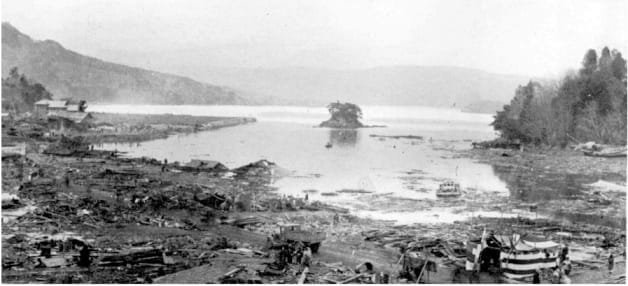
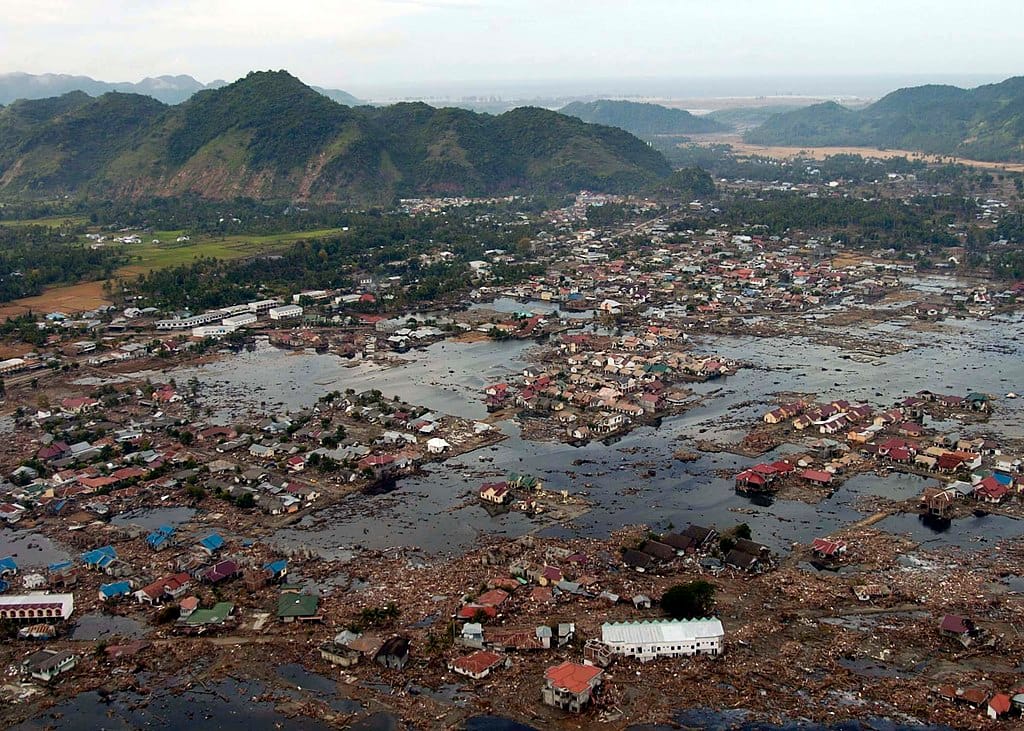
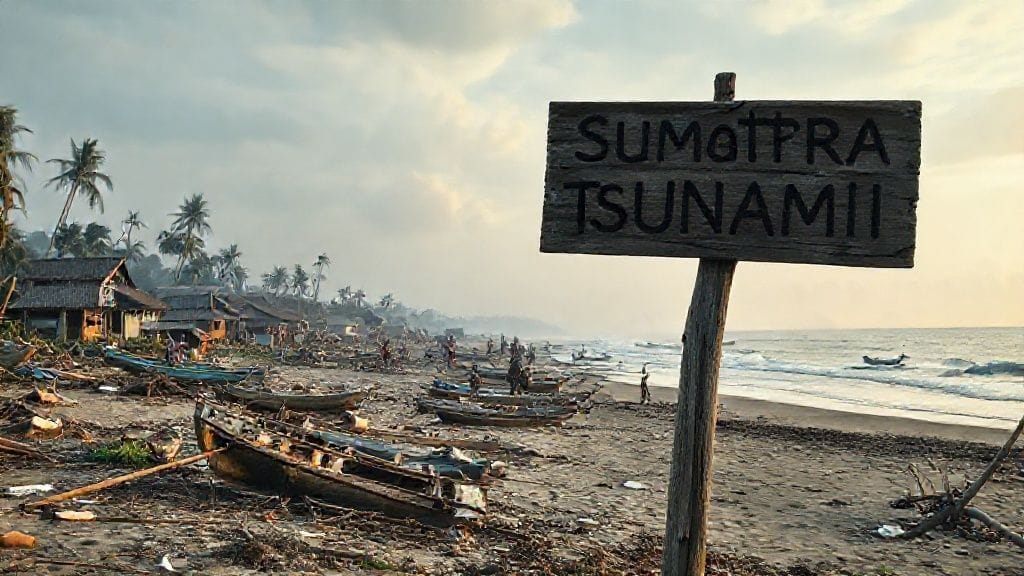
With a deafening roar, the Indian Ocean rose and crashed back onto the shore in an enormous surge. The tsunami struck Padang’s coastlines with unrelenting force, sweeping away everything in its path. Houses were ripped from their foundations, ships tossed like toys, and entire forested areas drowned beneath the saltwater’s cold shroud.
Contemporary reports, though scarce, hinted at waves tens of meters high pounding the shores. The tsunami not only devastated Padang itself but continued its rampage along the Sumatra coast, reshaping shorelines and obliterating fishing villages.
5. Immediate Human Tragedy: Panic, Destruction, and Loss
Death and horror swiftly spread. The suddenness of the tsunami left little chance for escape. Men, women, and children were swept into the turbulent waters, their desperate cries stifled beneath waves. The colonial administration’s records—fragmented though they were—suggest at least thousands of lives lost.
This catastrophe was not only a natural disaster but also a human one: families disintegrated, livelihoods vanished, and a once-thriving regional port plunged into chaos. For the largely indigenous population and the Dutch colonists alike, hope flickered dimly against the dark tide of death.
6. Stories from Survivors: Voices from the Wrath of the Indian Ocean
In the following days, survivors recounted their ordeals, their voices trembling as they described the shaking earth and the monstrous waves. Local fishermen spoke of the sea’s unnatural retreat, a sign they came to dread in later generations.
One story preserved in local oral history tells of a young mother who clung to a floating timber amid the deluge, holding tight to her infant even as their village was swallowed by the ocean. These human snippets remind us that beyond the numbers and geological data lie personal tragedies etched into collective memory.
7. The Geological Forces Behind the Disaster: Understanding the Earthquake–Tsunami Link
Geologists now understand the 1797 disaster as the consequence of a powerful megathrust earthquake. The sudden release of tectonic strain caused massive displacement of the ocean floor, pushing enormous volumes of water upward and outward in a tsunami.
Modern seismic models allow scientists to reconstruct the event and predict the behavior of similar catastrophes in the region. Today’s tragic tsunami warnings owe much to the lessons hidden within this long-forgotten event.
8. The 1797 Tsunami in Historical Context: Sumatra’s Volatile Fault Lines
Sumatra’s history has been shaped by frequent and intense earthquakes and tsunamis. The 1797 event was one among several devastating disasters, including the famous 1833 and 2004 tsunamis.
Yet in the late 18th century, such disasters were poorly documented and understood, leaving many questions unanswered and leaving communities vulnerable to the next wave.
9. Colonial Reactions: Dutch East India Company’s Response to the Catastrophe
The Dutch East India Company, heavily invested in Sumatra’s spice trade, responded to the 1797 tsunami with a mix of urgency and limited resources. Official dispatches reveal frustration with the scale of destruction and the challenge of providing relief in a remote, poorly connected colony.
The company’s priorities leaned towards restoring trade routes and infrastructure rather than addressing the human cost—reflecting colonial-era attitudes but also the logistical realities of the time.
10. The Environmental Impact: Altered Landscapes and Coastal Change
Beyond human loss, the tsunami radically transformed the physical environment. Beaches buckled, coastal forests drowned in saltwater, and fertile farmland was inundated with sand and debris.
In some places, entire stretches of coastline ceased to exist while new landforms emerged—natural markers of the ocean’s terrible power.
11. Rescue and Relief in the 18th Century: Limits of Contemporary Aid
The 18th-century world lacked the organized disaster relief mechanisms that modern societies deploy today. Local communities struggled to aid the wounded and rebuild with few external resources.
The absence of effective communication meant help came slowly, if at all, aggravating the tragedy’s aftermath.
12. The Social Fabric Torn Apart: Impact on Padang’s Communities and Economy
Padang’s economic and social life suffered deeply. The destruction of ports, markets, and homes disrupted the spice trade and local economies for years. Families who had lived in the region for generations were scattered or wiped out.
Social hierarchies and power dynamics in the region shifted as communities tried to recover from what was effectively a societal rupture.
13. Lessons Learned: Early Tsunami Awareness in Pre-Modern Indonesia
Despite loss and destruction, the event imprinted a fragile awareness of tsunamis within local knowledge. Oral traditions warned of strange sea withdrawals and violent earth shaking, guiding ancestral preparation for future disasters.
Still, these lessons were vulnerable to fading through time, overshadowed by the relentless advance of colonial rule and modernity.
14. The Forgotten Tragedy: Why the 1797 Tsunami Recedes in Historical Memory
Compared to more recent catastrophes like the 2004 Indian Ocean tsunami, the 1797 disaster remains largely invisible in global history. Scarcity of written records, the colonial focus elsewhere, and the passage of time burried the event beneath layers of silence.
Rediscovering its story offers a window into the endurance of human communities against overwhelming natural forces.
15. Modern Scientific Insights Into the 1797 Disaster
In recent decades, geologists and historians have combined efforts to map Sumatra’s seismic past. Techniques such as sediment analysis and coral dating help confirm the scale of the 1797 earthquake and tsunami.
These studies aid modern disaster risk reduction and underscore the recurring threat Sumatra faces today.
16. Echoes Across the Indian Ocean: The Tsunami’s Regional Effects
While Padang bore the brunt, neighboring coastal areas along the Indian Ocean likely experienced related waves and shaking. Some historical notes from the Maldives and southern India recount unusual ocean behavior around the same period, hinting at a wider regional impact.
17. The Role of Oral History and Local Myths in Preserving Memory
In the absence of formal archives, community storytelling preserved the emotional core of the disaster’s memory. Myths of angry sea gods, ominous signs in the sky, and ancestral warnings kept the memory alive in ways that formal history did not.
18. Sumatra’s Seismic Future: Warnings from the Past
The 1797 tsunami serves as a grim reminder of the dangers lurking beneath Sumatra’s serene facade. Its lessons are crucial today, as millions live in coastal areas vulnerable to similar catastrophes.
19. The Legacy of the 1797 Tsunami in Contemporary Disaster Preparedness
Although long forgotten, the 1797 tsunami’s legacy informs modern scientists and policymakers in Indonesia. It enriches tsunami hazard maps and helps reinforce early warning systems in an island nation forever poised on the edge of natural disaster.
20. Conclusion: Remembrance and Resilience on Sumatra’s Shores
The Padang tsunami of 1797 was more than a natural disaster—it was a human tragedy that reshaped lives, landscapes, and history. Its memory, though shadowed by time, pulses in the heartbeat of Sumatra’s communities—a somber testament to nature’s ruthless power and humanity’s enduring spirit.
To remember these events is to honor those lost and embrace lessons vital for survival in a land perpetually at nature’s mercy.
FAQs
Q1: What caused the 1797 Sumatra (Padang) tsunami?
A1: The tsunami was triggered by a massive earthquake along the Sunda Megathrust fault beneath the Indian Ocean, causing seafloor displacement and a resulting giant wave.
Q2: How many people were affected by the tsunami?
A2: Exact numbers are unknown, but historical estimates suggest thousands of deaths and widespread displacement in Padang and surrounding coastal communities.
Q3: How did the locals respond to the disaster at the time?
A3: Local communities relied on traditional knowledge, oral warnings, and communal rescue efforts, though formal aid was minimal due to colonial limitations.
Q4: What was the Dutch East India Company’s role post-disaster?
A4: The Dutch attempted to restore essential infrastructure for trade but were constrained by resources and understanding, limiting effective humanitarian relief.
Q5: Why is this tsunami less well-known than others?
A5: Sparse documentation, colonial priorities, and the passage of time led to its fading from wide historical memory.
Q6: How does the 1797 tsunami influence present tsunami preparedness?
A6: It contributes data to hazard mapping and reminds authorities of the region’s seismic risk, emphasizing the need for robust early warning systems.
Q7: Are there eyewitness accounts from the 1797 tsunami?
A7: Few written accounts exist, but local oral traditions and stories have preserved vivid survivor memories.
Q8: Did the tsunami affect other parts of the Indian Ocean?
A8: Some indications suggest regional ocean disturbances, though the primary impact was on Sumatra’s western coast.