Table of Contents
- The Shadows Over Canterbury: December 29th, 1170
- England's Turbulent Mid-12th Century: Setting the Stage
- Thomas Becket: From Humble Scholar to Royal Chancellor
- The Rise of the Churchman: Becket’s Appointment as Archbishop
- Conflicts of Power: Crown versus Church in Medieval England
- The Royal Court and the Prelate: From Friends to Foes
- The Constitutions of Clarendon: Law, Liberty, and the Clash of Authority
- The Exile: Becket’s Flight to France and the Seeds of Conflict
- Return and Rebellion: Becket’s Resolute Stand Against Henry II
- The Royal Outburst: “Will No One Rid Me of This Turbulent Priest?”
- The Fateful Journey: Four Knights Ride to Canterbury
- The Murder in the Cathedral: A Bloody Day at Canterbury
- Eyewitnesses and Chroniclers: Reconstructing the Event
- The Immediate Shockwave: England and Europe React
- Henry II’s Atonement: The King’s Penitence and Political Fallout
- Thomas Becket’s Path to Sainthood: A Martyr Is Crowned
- Pilgrimage and Power: Canterbury’s New Role in Medieval Faith
- The Murder’s Legacy: Church-State Relations for Centuries
- Historical Interpretations: From Medieval Hagiography to Modern Scholarship
- The Murder in Culture: Art, Literature, and Popular Memory
- Conclusion: The Echoes of a Murder That Shaped a Nation
- FAQs: Answering the Most Pressing Questions About Thomas Becket’s Death
- External Resource
- Internal Link
1. The Shadows Over Canterbury: December 29th, 1170
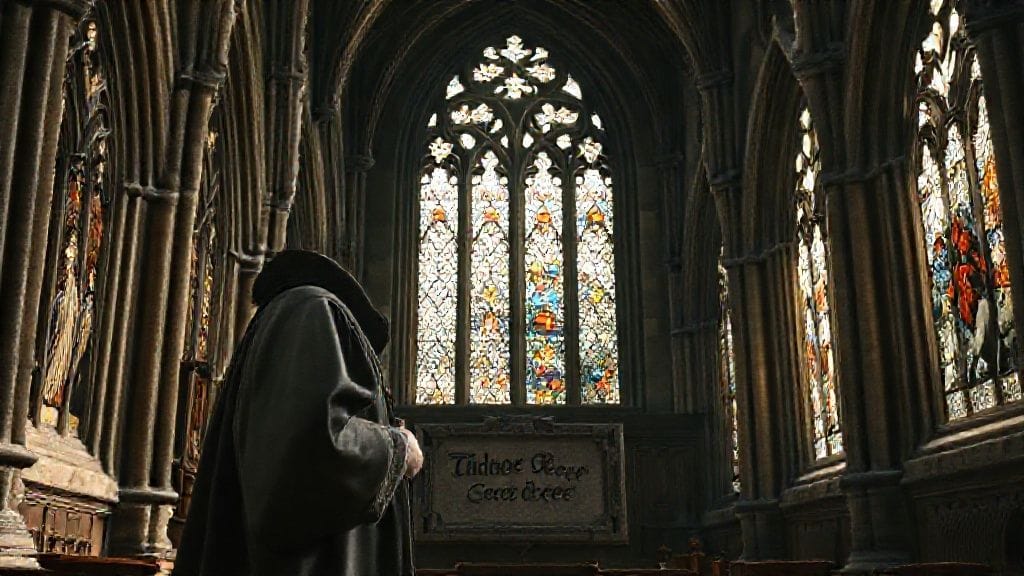
The chill of a bleak December morning hung heavy over Canterbury. The icy wind tore through the narrow lanes, snatching breath and hope alike from those huddled in the cold. Inside the revered cathedral, a storm of a different kind brewed—a tempest of conflict, pride, and fatal resolve. On that fateful day, four mounted knights, bearing the anger of a king, stormed inside the sacred sanctuary. What followed was a murder that would blast reverberations across medieval Christendom, shaking thrones and sanctuaries alike. Thomas Becket, once a trusted confidant of King Henry II, was slain upon the cathedral floor, stained by blood and betrayal. This was no simple crime of passion; it was a violent testament to the fraught battle for power between crown and church in 12th-century England. But the death of an archbishop would become the birth of a legend.
2. England's Turbulent Mid-12th Century: Setting the Stage
The England of 1170 was a land of contradictions and tension. Emerging from decades of dynastic wars and fragile peace, the realm was ruled by Henry II, a monarch determined to consolidate royal power and impose law and order. But this ambition collided headlong with the church’s growing assertion of autonomy and divine authority. Since the Norman Conquest, the English church had transformed into a formidable power player, wielding influence that rivaled the crown itself. Within this volatile cauldron of politics, religion, and law, the fate of Thomas Becket—and the violent rupture in Canterbury—would be sealed.
3. Thomas Becket: From Humble Scholar to Royal Chancellor
Thomas Becket’s rise was as improbable as it was rapid. Born to a modest Norman family in the early 1120s, his education and clerical career were marked by a sharp mind and unwavering ambition. By the 1140s, he had earned a reputation at the ecclesiastical courts and gained the favor of Theobald, Archbishop of Canterbury. His intelligence and loyalty caught the attention of Henry II. By 1155, Becket found himself elevated to Chancellor, the king’s right hand in governance—a position placing him at the apex of secular power.
4. The Rise of the Churchman: Becket’s Appointment as Archbishop
In 1162, in a move that stunned many contemporaries, Henry II pushed for Becket to become the Archbishop of Canterbury, hoping to secure absolute control over the English church through his former friend. For Becket, the new role demanded a transformation: from political enforcer to defender of ecclesiastical independence. What followed would be a dramatic and wrenching shift that turned an ally into an adversary. The chancellor-turned-archbishop adopted a fierce stance against royal encroachments, fiercely guarding the church’s sanctity and rights.
5. Conflicts of Power: Crown versus Church in Medieval England
The struggle between Henry II and Becket was emblematic of a larger, epochal conflict between secular and sacred authority. The medieval church, claiming direct accountability to the Pope, had traditionally enjoyed legal immunities, exile from secular courts, and control over its clergy. Henry II sought to streamline his justice system under royal jurisdiction, clashing inevitably with Becket's defense of canonical law and clerical freedom. Each legal and moral skirmish resonated throughout the land, inflaming passions on both sides.
6. The Royal Court and the Prelate: From Friends to Foes
Behind closed doors, Henry and Thomas were once inseparable—brothers in power. Their friendship, forged in chancellorship and court intrigues, came undone with Becket’s consecration. Meetings turned heated, diplomatic channels closed. The king viewed Becket’s newfound zeal as personal betrayal and political rebellion, while Becket saw Henry’s demands as sacrilegious overreach. Their animosity was not just political but profoundly personal, riddled with broken trust.
7. The Constitutions of Clarendon: Law, Liberty, and the Clash of Authority
In 1164, Henry II imposed the Constitutions of Clarendon, a series of legal articles designed to restrict ecclesiastical privileges and reinforce royal justice. The document demanded, among other things, that clergy accused of crimes be tried in royal courts, effectively undercutting the church’s independent legal authority. Becket, seeing these measures as undermining divine law, refused to concede. This defiance precipitated a crisis, escalating tensions towards inevitable confrontation.
8. The Exile: Becket’s Flight to France and the Seeds of Conflict
Faced with mounting pressure, Becket fled England in 1164, seeking refuge with King Louis VII of France. For six years, the archbishop lived in exile, switching courts and leveraging papal support to oppose Henry’s reforms. This period was marked by bitter propaganda, diplomatic maneuvering, and ideological entrenchment. Becket became a symbol of resistance against tyranny—a beacon for church independence across Europe, but also a thorn deeply embedded in Henry’s side.
9. Return and Rebellion: Becket’s Resolute Stand Against Henry II
In 1170, after reaching a tentative reconciliation with the king, Becket returned to England, but the wounds were far from healed. Once back, he immediately reasserted his ecclesiastical authority, excommunicating bishops loyal to Henry and resisting royal demands at every turn. What had been a fragile truce soon crumbled, plunging the kingdom back into crisis. The court grew restless, and whispers of violent solutions began to circulate.
10. The Royal Outburst: “Will No One Rid Me of This Turbulent Priest?”
On a fateful day in December, frustration overtook Henry. According to chroniclers like William of Newburgh, the king exclaimed in rage, "Who will rid me of this turbulent priest?" Whether these words were a call to arms or a moment of despair is debated, but four knights—Reginald FitzUrse, Hugh de Morville, William de Tracy, and Richard le Breton—interpreted them as a royal mandate. This chilling misunderstanding, or willful act, set the wheels of tragedy in motion.
11. The Fateful Journey: Four Knights Ride to Canterbury
The four knights wasted no time, rapidly assembling horses and swords, crossing counties in a winter storm. The journey itself was ominous, each mile bearing them toward a confrontation charged with deadly potential. They arrived in Canterbury under cover of darkness on December 28th, plotting to confront the archbishop in his fortress-like cathedral. Pilgrims and townsfolk were unaware of the blood about to stain the hallowed stones.
12. The Murder in the Cathedral: A Bloody Day at Canterbury
On December 29th, 1170, the knights confronted Thomas Becket in the cathedral—a sanctuary meant to be inviolable. Inside the towering nave, words escalated into threats. When Becket refused to yield or abandon his stance, violence exploded. The knights attacked, their swords ringing against stone and flesh. Becket was struck multiple times: seventeen wounds, some chronicled as furious and desperate. His death on the altarsteps was both sacrilegious and political murder. It was a moment frozen in horror, forever burning in the memory of Christendom.
13. Eyewitnesses and Chroniclers: Reconstructing the Event
Medieval chroniclers, from Edward Grim who was a firsthand witness, to later historians, have pieced together the grim details. Grim, wounded by the assailants during the attack, provided an eyewitness account of the archbishop’s valor and piety in his final moments. Other sources filled in political context and aftermath, though all convey a common narrative: that of a brutal, shocking end to a man who would soon be sanctified, yet long vilified or lionized depending on the storyteller.
14. The Immediate Shockwave: England and Europe React
News of the archbishop’s murder spread like wildfire, igniting outrage throughout England and across the continent. The Christian world recoiled at the desecration of sanctuary and the killing of a high churchman. Pilgrimages to Canterbury surged instantly, turning the city into a spiritual magnet. European monarchs and the papacy condemned the king's involvement, or at least his inability to prevent the crime, casting a shadow over Henry’s reign.
15. Henry II’s Atonement: The King’s Penitence and Political Fallout
Faced with mounting pressure and papal investigation, Henry II embarked on a dramatic penitential pilgrimage to Canterbury in 1174. Clad in sackcloth and scourged by monks, he sought to cleanse his conscience and political legitimacy. This public humiliation was unusual for a king, signaling both personal remorse and political necessity. However, Henry retained much of his authority, maneuvering shrewdly to avoid longer-term consequences from the papacy.
16. Thomas Becket’s Path to Sainthood: A Martyr Is Crowned
Just three years after his violent death, Pope Alexander III canonized Thomas Becket as a saint and martyr. His tomb in Canterbury became a pilgrimage destination rivaling those of Santiago de Compostela or Rome. Becket’s story was immortalized as the triumph of ecclesiastical virtue over royal tyranny. Miracles were attributed to him, and churches sprang up in his honor, embedding him deeply in the medieval spiritual imagination.
17. Pilgrimage and Power: Canterbury’s New Role in Medieval Faith
The murder transformed Canterbury Cathedral into one of the most influential pilgrimage sites in medieval Europe. Kings and commoners alike traveled to venerate St. Thomas, generating wealth and prestige for the English church. This religious fervor also reinforced the political weight of the archbishopric, a position now intertwined with the memory of martyrdom and resistance against secular encroachment.
18. The Murder’s Legacy: Church-State Relations for Centuries
The clash between Henry II and Becket echoed far beyond their lifetimes. The tragedy intensified debates on the boundaries of royal versus ecclesiastical power, inspiring legal reforms and doctrinal standoffs. The constant tug of war shaped English and European political theology, influencing kings, popes, and commoners right up to the Reformation. Becket’s fate became a caution and inspiration: a vivid reminder of the perils encoded in mixing spiritual conviction and earthly power.
19. Historical Interpretations: From Medieval Hagiography to Modern Scholarship
For centuries, Becket was wrapped in layers of myth, propaganda, and hagiography. Medieval chroniclers portrayed him as a holy martyr brutally slain for defending God’s law. Modern historians have peeled back these layers, exploring the nuanced realities: a complex man driven by faith, pride, and political calculation. Today scholars still debate motives, responsibility, and the intricate dance of power that ended in murder.
20. The Murder in Culture: Art, Literature, and Popular Memory
The story of Thomas Becket’s murder has inspired generations. From T.S. Eliot’s play Murder in the Cathedral to countless paintings and stained glass windows, the narrative is woven into England’s cultural fabric. The image of the resolute archbishop, stoic in the face of death, has become a symbol of conscience against tyranny. This enduring tale continues to captivate and challenge modern audiences.
Conclusion
The murder of Thomas Becket in Canterbury on December 29th, 1170, was more than a violent act—it was a turning point in medieval history where the fragile balance between church and state violently ruptured. It speaks to the timeless tensions inherent in power, faith, friendship, and the human spirit. Becket’s death transformed him from a political adversary into a symbol of martyrdom, reshaping the religious and political landscapes of England and Europe. More than eight centuries later, his story challenges us to ponder the costs of conviction, the dangers of power struggles, and the profound legacies left by those who dare to stand alone.
FAQs
Q1: What caused the conflict between Thomas Becket and Henry II?
The conflict stemmed from competing claims over authority. Henry sought to assert royal control over the church, especially legal jurisdiction over clergy, while Becket, once his chancellor, became a staunch defender of ecclesiastical independence as Archbishop of Canterbury.
Q2: Was Henry II directly responsible for Becket’s murder?
Henry II’s angry outburst is often seen as a catalyst, but historians debate whether he ordered the killing. The four knights interpreted his frustration as a command, leading to their fatal actions. Henry condemned the murder and later performed public penance.
Q3: How did Becket’s murder impact church-state relations?
It intensified the struggle for power between church and monarchy, reinforcing the idea that the church claimed autonomy from secular rulers, a debate that persisted well into the Reformation era.
Q4: Why was Becket canonized as a saint so quickly?
His violent death in a sacred place, his perceived defense of church rights against royal tyranny, and attributed miracles led Pope Alexander III to canonize him only three years later, cementing his status as a martyr.
Q5: How did the murder affect Canterbury Cathedral?
The cathedral became a major pilgrimage site dedicated to St. Thomas, increasing its religious, cultural, and economic importance in medieval England.
Q6: Are there contemporary accounts of the murder?
Yes, chroniclers such as Edward Grim, who witnessed the attack, and William of Newburgh among others, documented the event, providing a mixture of eyewitness testimony and political narrative.
Q7: What role did Becket’s exile play in the conflict?
Becket’s exile in France allowed him to gather support from the papacy and the French king, increasing tensions with Henry II and turning the dispute into an international affair.
Q8: How is Thomas Becket remembered today?
He remains a symbol of church resistance to secular power and moral courage. His story lives on in literature, religious tradition, and historical scholarship worldwide.