Table of Contents
- A Moment Frozen in Time: The Dawn of March 11, 2011
- Setting the Stage: Japan’s Tohoku Region and Its Quiet Strength
- The Underlying Forces: Geology and the Pacific Ring of Fire
- The Earth Trembles: The Magnitude 9.0 Earthquake Unleashed
- From Ground to Sea: Birth of the Deadly Tsunami
- Waves of Destruction: Tohoku’s Coastline Devoured
- Communities shattered: Stories of Survival and Loss
- Human Courage in the Face of Catastrophe
- The Nuclear Shadow: Fukushima’s Fallout
- Global Reactions: Aid, Solidarity, and Shock
- Japan’s Rescue Operations: Challenges and Triumphs
- The Environmental Toll: Oceans and Ecosystems in Crisis
- Reconstruction and Recovery: The Long Road Ahead
- Cultural Memory: How Tohoku Tsunami Lives On in Japan
- Lessons from Disaster: Global Tsunami Preparedness After 2011
- The Science of Early Warning: Breakthroughs and Shortcomings
- Political Reverberations: Policy Changes and Regional Impacts
- Survivor Voices: Narratives that Shape Our Understanding
- Economic Consequences: From Local Markets to Global Supply Chains
- Remembering the Fallen: Memorials and Remembrance
- The Resilience of Tohoku: Renewal Against All Odds
- Tsunami Today: How Technology and Community Preparedness Evolved
- Conclusion: The Enduring Echo of March 11
- FAQs: Understanding the Tohoku Tsunami
- External Resource
- Internal Link
1. A Moment Frozen in Time: The Dawn of March 11, 2011
It was a serene Friday morning in Tohoku, northeast Japan. Under a pale blue sky, fishermen prepared their boats, children walked to school, and markets bustled gently — unaware their world was about to shatter. At 2:46 p.m., the ground convulsed violently. The earth groaned, fractured, and shifted with unprecedented fury beneath the Pacific Ocean’s depths. For nearly six minutes, a colossal 9.0 magnitude earthquake blackened the sky with dust and sent shockwaves racing through the core of Japan’s Honshu island.
Then came the silence — eerie and brief.
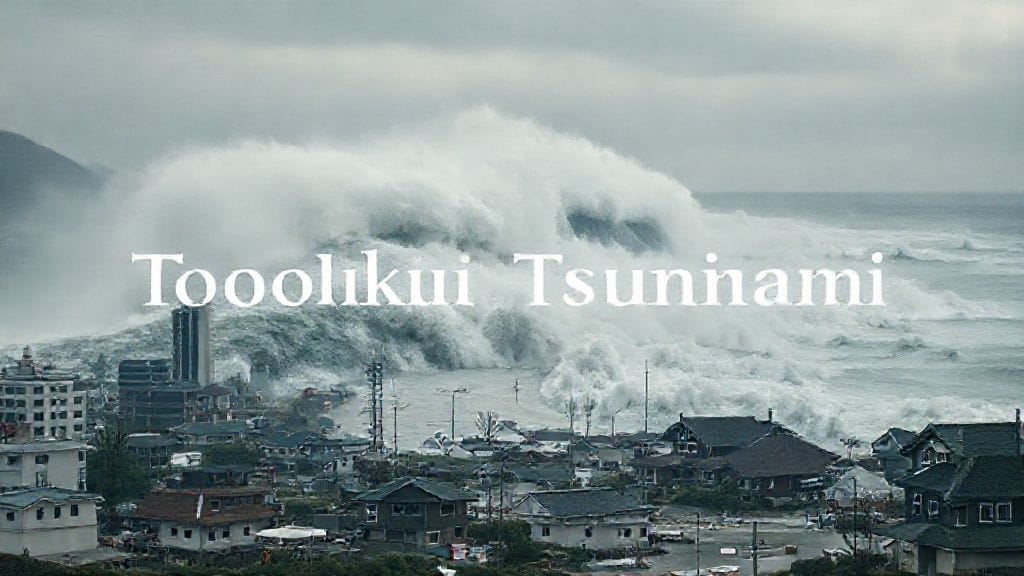
Moments later, what seemed like a monstrous wall of water, tens of meters high, roared onto the coastline. This was no ordinary flood; it was a tsunami born from the seafloor’s rupture, devastating everything in its path. Villages were swallowed whole, homes crushed, lives swept away. By the end of the day, this natural behemoth had become one of the deadliest and most destructive disasters in modern history.
Yet amidst the horror, stories of heroism emerged, communities united, and a nation began its arduous journey toward recovery.
2. Setting the Stage: Japan’s Tohoku Region and Its Quiet Strength
The Tohoku region, sprawling across the northeast tip of Honshu — Japan’s largest island — is a land of rugged coasts, fishing towns, and quiet rural communities. Known for its scenic beauty, fertile soil, and traditional culture, Tohoku had long withstood nature’s batterings: typhoons, earthquakes, and harsh winters. The people here cultivated rice paddies and seafood, lived close to the sea, and embraced a lifestyle interwoven with nature’s rhythms.
Despite its tranquility, the region’s geography was a double-edged sword. The proximity to tectonic plate boundaries had made Tohoku both vibrant and vulnerable. Local residents were familiar with warnings, drills, and the cautious vigilance born from history. But nothing could prepare them for the sheer scale of what was coming.
3. The Underlying Forces: Geology and the Pacific Ring of Fire
Japan sits precariously atop the Pacific Ring of Fire — a horseshoe-shaped zone where several massive tectonic plates collide and grind together. This volatile interface births volcanic eruptions, frequent earthquakes, and tsunamis. Beneath Tohoku, the Pacific Plate dives ceremoniously under the North American Plate in a process called subduction.
For centuries, this relentless plate motion stored tension and energy beneath the ocean floor. When the locked plates finally snapped on March 11, 2011, the seafloor uplifted in a sudden cataclysm, displacing billions of tons of seawater. The unleashed energy sent shockwaves not only through the earth but also triggered waves that would travel across the Pacific and beyond.
4. The Earth Trembles: The Magnitude 9.0 Earthquake Unleashed
The earthquake that struck Tohoku was staggering in its intensity — magnitude 9.0 — the most powerful recorded in Japan’s history and among the top five worldwide since modern seismology began. The tremor lasted around six minutes, long enough to dislodge entire mountainsides, rupture roads, and bring skyscrapers swaying.
Eyewitness accounts from Sendai city spoke of windows shattering, buildings collapsing, and the ground buckling like a living creature. For many, “the earth roared like a freight train,” conveyed the raw terror and disorientation of that moment. Scientists estimated that the quake released energy equivalent to about 600 million times that of the Hiroshima atomic bomb.
As aftershocks followed relentlessly, people dashed for higher ground, knowing that the worst was yet to come.
5. From Ground to Sea: Birth of the Deadly Tsunami
The primary killer of March 11 was not just the earthquake itself, but the tsunami it triggered. The sudden uplift of the seafloor displaced an immense volume of water, pushing waves at speeds surpassing commercial jets — up to 800 kilometers per hour in deep ocean.
Tsunamis differ from typical ocean waves; their wavelengths span kilometers, spreading unimaginable force over coastlines. As these giant waves approached shallower shores, their speed slowed but height soared, culminating in monstrous walls of water 10 to 40 meters tall in some places.
Japan’s sophisticated early warning system detected the wave, but the scale and speed overwhelmed many evacuation efforts. In under an hour after the quake, the tsunami struck Tohoku’s coasts with devastating power.
6. Waves of Destruction: Tohoku’s Coastline Devoured
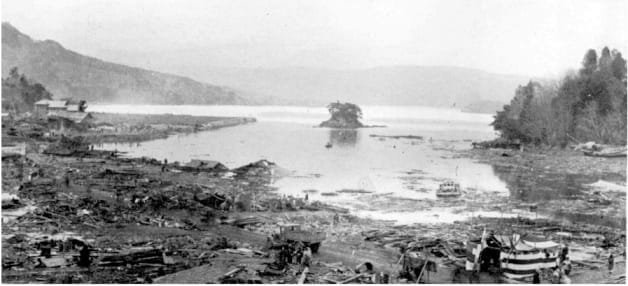
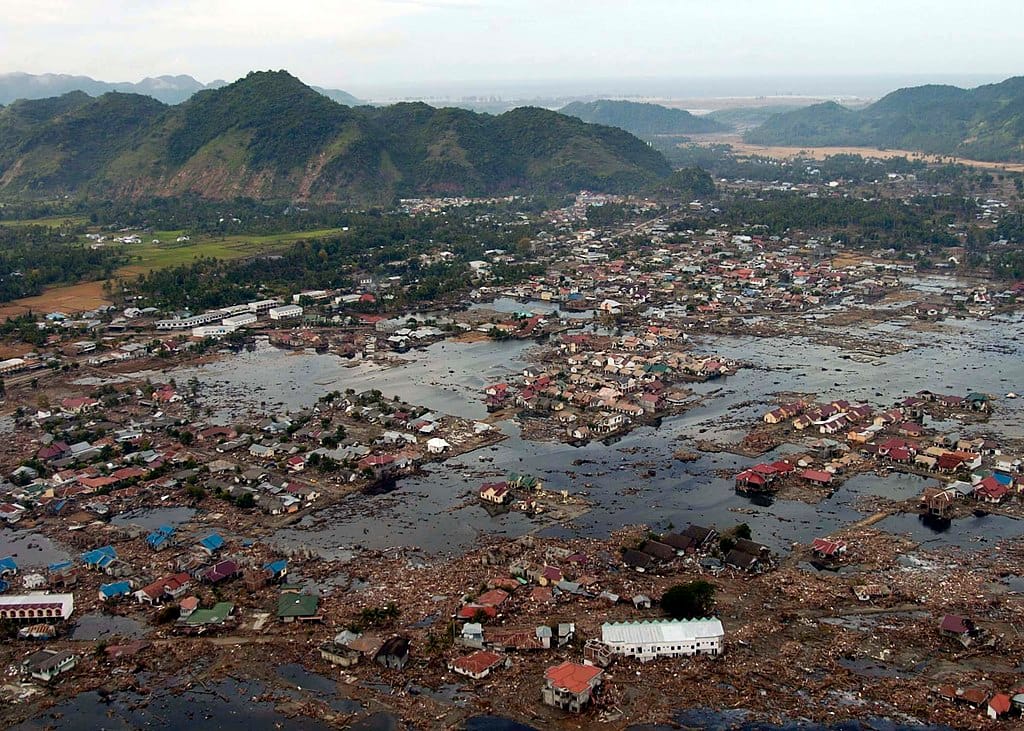
The tsunami smashed into coastal towns — Miyako, Rikuzentakata, Kesennuma — with terrifying suddenness. Entire neighborhoods vanished under torrents of water. Cars, ships, and homes were tossed around like toys. Streets turned into rivers, infrastructure crumbled, and power lines collapsed.
In Rikuzentakata, for example, the 10-meter-high waves obliterated the town’s famous million pine trees, symbolic of hope and endurance. A staggering 90% of the town was destroyed, its residents swept away along with the landscape.
This wasn’t just a natural disaster; it was a surreal obliteration of familiar worlds, replaced by silence, mud, and debris fields as far as the eye could see.
7. Communities Shattered: Stories of Survival and Loss
Amid the annihilation, human stories emerged — both heart-wrenching and inspiring. A fisherman who spotted the first waves warned neighbors, saving dozens. Families clung to rooftops, some escaped by climbing hills, others lost loved ones in moments.
Yet, the unthinkable scale meant thousands perished or went missing. Over 15,800 died, nearly 6,000 injured, and more than 2,500 people remain unaccounted for.
The tsunami not only took lives but also severed the social fabric, uprooting schools, hospitals, and entire industries. Memories of peaceful mornings vanished beneath floods that reshaped entire towns.
8. Human Courage in the Face of Catastrophe
Despite the overwhelming despair, the resilience of the Japanese people shone brilliantly. Communities banded together in search and rescue operations, neighbors shared scarce resources, and volunteers from across Japan and the world arrived.
Many heroes emerged — firefighters braving collapsing buildings, local officials coordinating teetering evacuation routes, and ordinary citizens showing extraordinary kindness. The discipline and calm typical of Japanese society proved invaluable in minimizing panic and maintaining order.
One poignant story tells of a school principal who refused to leave his students until every child was safe — a testament to dedication amid chaos.
9. The Nuclear Shadow: Fukushima’s Fallout
As if the earthquake and tsunami were not enough, the disaster struck Japan’s nuclear power infrastructure at Fukushima Daiichi. Massive flooding caused multiple reactor meltdowns and hydrogen explosions, releasing radioactive contamination into the atmosphere and ocean.
The Fukushima disaster heightened fear worldwide and sparked global debate on nuclear energy. Thousands were evacuated from surrounding areas, and decontamination efforts continue over a decade later.
This nuclear crisis layered complexity upon the humanitarian tragedy, turning March 11 into an event that questioned humanity’s relationship with technology and nature’s unpredictability.
10. Global Reactions: Aid, Solidarity, and Shock
News of the catastrophic events spread swiftly around the globe. Governments, NGOs, and individuals rushed to provide aid — financial, material, and technical. The United States deployed naval ships, search and rescue teams, and nuclear experts; countries from Europe to Asia sent humanitarian support.
The disaster inspired an outpouring of solidarity, underscoring humanity’s shared vulnerability. At the same time, the scale of destruction challenged coordination efforts, prompting calls for more robust international disaster response mechanisms.
11. Japan’s Rescue Operations: Challenges and Triumphs
Japan’s immediate response combined military, police, and volunteer efforts. Tens of thousands of Self-Defense Forces mobilized for search, evacuation, and aid distribution, often risking aftershocks and radiation exposure.
Communication breakdowns due to damaged infrastructure delayed some efforts, and the sheer geographic scale overwhelmed resources. Yet, the nation’s longstanding preparedness paid off; early warnings, community drills, and civic duty mindset minimized even more catastrophic loss of life.
The heroic efforts of responders were marked by tragedy but also hope, as survivors clung to life and communities began to heal.
12. The Environmental Toll: Oceans and Ecosystems in Crisis
The tsunami uprooted forests, swept chemicals from industrial facilities, and deposited debris across fields and oceans. Toxic pollutants, plastics, and building materials entered marine ecosystems, posing long-term threats to biodiversity.
Fisheries faced collapse, threatening local economies dependent on the sea. Scientists continue monitoring ocean currents, radiation dispersion, and ecological recovery, discovering that nature may take decades to heal.
13. Reconstruction and Recovery: The Long Road Ahead
Recovery from the Tohoku disaster is a decades-long endeavor. Beyond rebuilding infrastructure, the process involves restoring livelihoods, cultural landmarks, and normalcy.
Japan launched massive infrastructure projects: reconstructing sea walls, rebuilding towns with tsunami-resistant designs, and modernizing evacuation routes. Yet demographic challenges like aging populations and urban migration complicated efforts.
International experts studied Japan’s approach, emphasizing the delicate balance between remembering tragedy and fostering renewal.
14. Cultural Memory: How Tohoku Tsunami Lives On in Japan
March 11 has become a solemn day of remembrance. Memorials dot the devastated coastline: stone markers, museums, and art installations honor victims and resilience.
Many survivors and descendants keep alive traditional rituals adapted for remembrance and healing. Literature, film, and photography reflect on the tragedy’s human dimension, ensuring lessons endure.
In public memory, the tsunami embodies not only loss but also unity and the endurance of spirit.
15. Lessons from Disaster: Global Tsunami Preparedness After 2011
The Tohoku tsunami transformed global awareness of tsunami risks. Countries worldwide reviewed early warning systems, evacuation plans, and public education.
New technologies — from satellite detection to smartphone alerts — gained traction. Yet the disaster also exposed limits: rapid wave arrival times challenge response capabilities, especially in less-developed regions.
Experts emphasize community preparedness, cross-border cooperation, and resilience-building as essential lessons.
16. The Science of Early Warning: Breakthroughs and Shortcomings
Japan’s Meteorological Agency issued tsunami warnings within minutes. However, the unprecedented height of the waves caught many off guard.
Post-disaster analysis led to advancements in seismic monitoring, ocean floor sensors, and AI prediction models. Researchers also noted psychological factors: public dismissal of warnings due to false alarms in the past.
Thus, science intersects with human behavior in crafting effective early warning systems.
17. Political Reverberations: Policy Changes and Regional Impacts
The Fukushima nuclear crisis triggered intense political debate in Japan and abroad. Japan shut down many nuclear plants, pushing shifts toward renewable energy.
National disaster policies were revised, budgets increased for preparedness and infrastructure. The event also affected Japan’s foreign relations, especially with Pacific neighbors affected by radioactive water discharges.
Regionally, Tohoku’s economic shifts reshaped national priorities and investment patterns.
18. Survivor Voices: Narratives that Shape Our Understanding
Survivors’ testimonies — through interviews, memoirs, and documentaries — provide a human face to the disaster. Their stories reveal not only trauma but resilience, hope, and community cohesion.
From elderly farmers clinging to traditions to youth rebuilding schools, these accounts deepen empathy and ensure that history is not abstract but intimately lived.
19. Economic Consequences: From Local Markets to Global Supply Chains
The disaster disrupted Japan’s economy significantly. Key industries halted; automotive and electronics production faltered due to damaged factories and lost energy supplies.
Global supply chains felt ripple effects, exposing vulnerabilities in interdependent markets. The costs of reconstruction ran into hundreds of billions of dollars, weighing on national budgets.
Nevertheless, economic regeneration continues steadily, propelled by innovation and governmental support.
20. Remembering the Fallen: Memorials and Remembrance
Across Tohoku, memorial services commemorate the victims. Tile walls inscribed with names, symbolic tree plantings, and annual gatherings create spaces for reflection.
The “Life Memorial” in Ishinomaki, for example, houses relics and testimonies. Such sites serve as beacons of collective memory, urging present and future generations to honor loss and nurture resilience.
21. The Resilience of Tohoku: Renewal Against All Odds
Despite overwhelming devastation, Tohoku shows remarkable resilience. Communities rebuild with stronger infrastructures, and cultural life reawakens.
Local festivals restarted, schools reopened, and new industries emerged. This phoenix-like revival characterizes the human capacity to adapt in the wake of tragedy, blending respect for the past with hope for the future.
22. Tsunami Today: How Technology and Community Preparedness Evolved
More than a decade later, Japan leads innovations in tsunami detection and preparedness education. Schools conduct regular drills; coastal defenses integrate smart design.
Communities use apps and real-time data to stay informed, while architectural standards reflect lessons learned. Engaging youth and embracing technology remain central to preventing future catastrophes.
23. Conclusion: The Enduring Echo of March 11
The Tohoku tsunami was not just a natural disaster; it was a profound human experience — a violent rupture in the tapestry of lives and landscapes. The earthquake and towering waves left scars that will mark generations, not as mere statistics, but as stories of loss, courage, and collective compassion.
Its legacy transcends Japan’s shores, reminding the world of nature’s power and delicate balance with human civilization. As we reflect upon March 11, 2011, we see both tragedy and triumph — a testament to humanity’s enduring spirit when confronted with the unimaginable.
FAQs: Understanding the Tohoku Tsunami
Q1: What caused the 2011 Tohoku earthquake and tsunami?
A1: The disaster was caused by a magnitude 9.0 earthquake resulting from the Pacific Plate subducting beneath the North American Plate along the Japan Trench. The sudden seafloor uplift displaced vast amounts of water, creating the tsunami.
Q2: How many people died or went missing due to the tsunami?
A2: Approximately 15,899 people died, and another 2,529 were reported missing following the disaster.
Q3: What was the scale of damage to Japan’s nuclear facilities?
A3: The Fukushima Daiichi nuclear power plant suffered reactor meltdowns and explosions, resulting in radioactive contamination and mass evacuations.
Q4: How did Japan’s early warning systems perform during the disaster?
A4: Japan’s warning systems detected the quake and issued tsunami alerts promptly, but the magnitude and speed of the waves outpaced some evacuation efforts.
Q5: What were the main challenges in rescue and recovery?
A5: The vast geographic area, damaged infrastructure, aftershocks, and nuclear contamination complicated rescue operations and prolonged recovery.
Q6: How has Japan improved tsunami preparedness since 2011?
A6: Japan invested in advanced monitoring technologies, strengthened evacuation protocols, and increased public education and community drills.
Q7: What is the global significance of the Tohoku tsunami?
A7: It highlighted the need for improved earthquake and tsunami preparedness worldwide and influenced disaster response policies on an international scale.
Q8: How is the memory of the tsunami preserved in Japan?
A8: Through memorials, museums, literature, annual remembrance ceremonies, and education that honor victims and promote resilience.